How one stuck gate scrambles an electrical signal
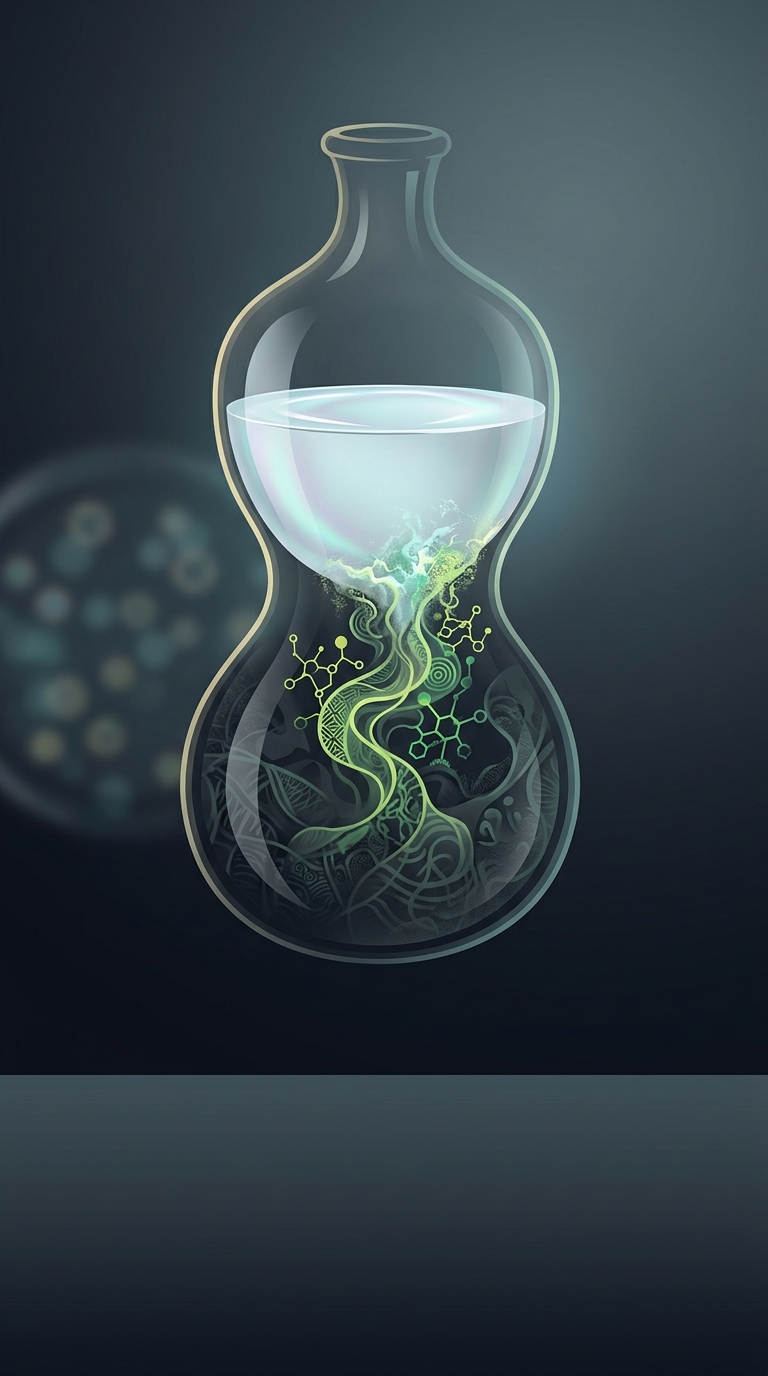
A nerve or muscle cell carries a voltage difference across its outer membrane. Voltage-gated sodium channels are protein gates that respond to changes in that voltage: they briefly open, let sodium ions enter, then close so the cell can reset for its next signal.
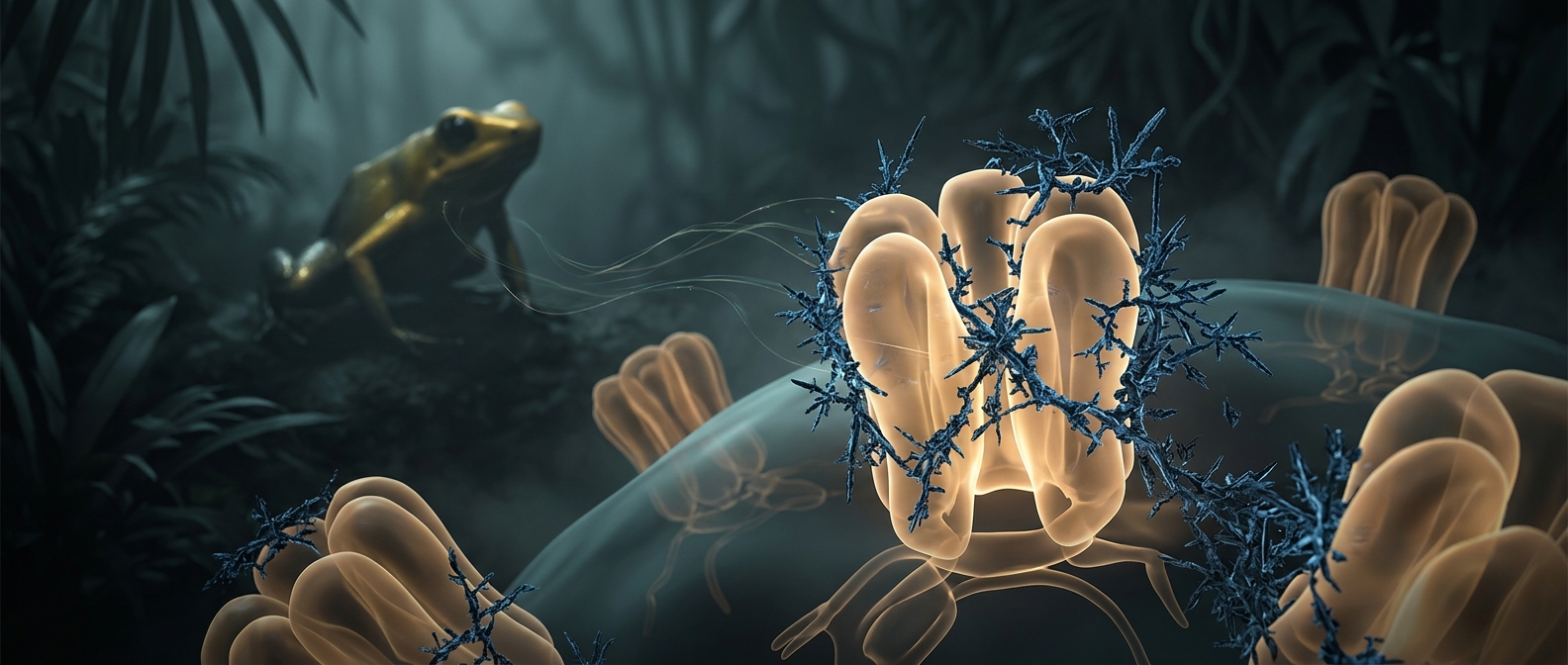
Batrachotoxin interferes with that reset. It binds to sodium channels and keeps them from switching off normally. Sodium continues to flow into the cell, leaving the membrane persistently depolarized—its electrical state shifted from the resting condition.
Why more activity can mean less control
At first, sodium entry may make a cell easier to activate. But a signal depends on a rapid cycle: a channel opens, the cell’s voltage changes, and the channel becomes available to close and reset. When the membrane stays depolarized, many sodium channels become unavailable for another signal. Nerves and muscles can no longer produce properly timed electrical messages.
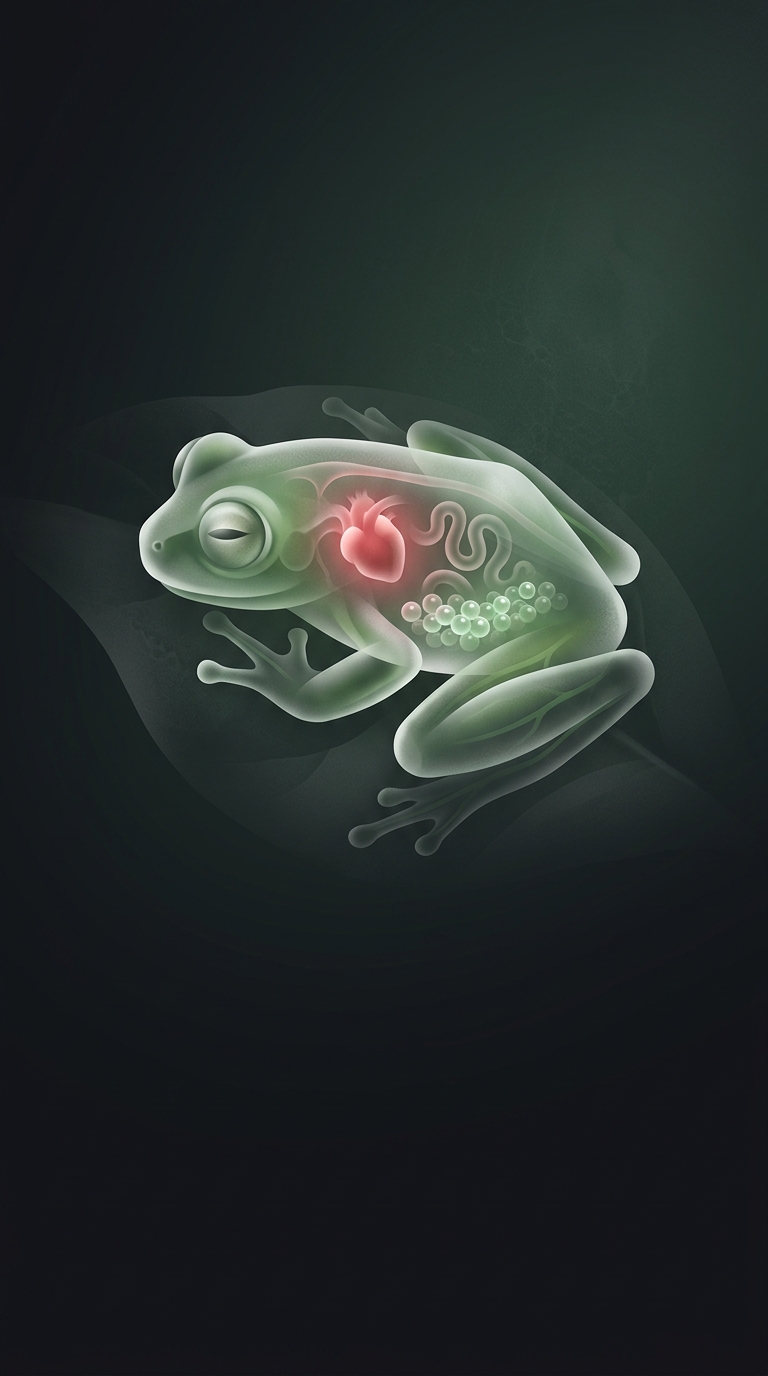
That failure can affect voluntary movement and the heart, whose rhythm depends on precisely coordinated electrical activity. Rather than simply “turning up” nerve signals, the toxin disrupts the sequence that lets cells send distinct signals at all.
The key consequence is a loss of timing: a microscopic gate that should open and close in fractions of a second can throw off communication across tissues that depend on reliable electrical pulses.