Science
Discover facts about science. Small discoveries that change the way you see familiar things.
Science
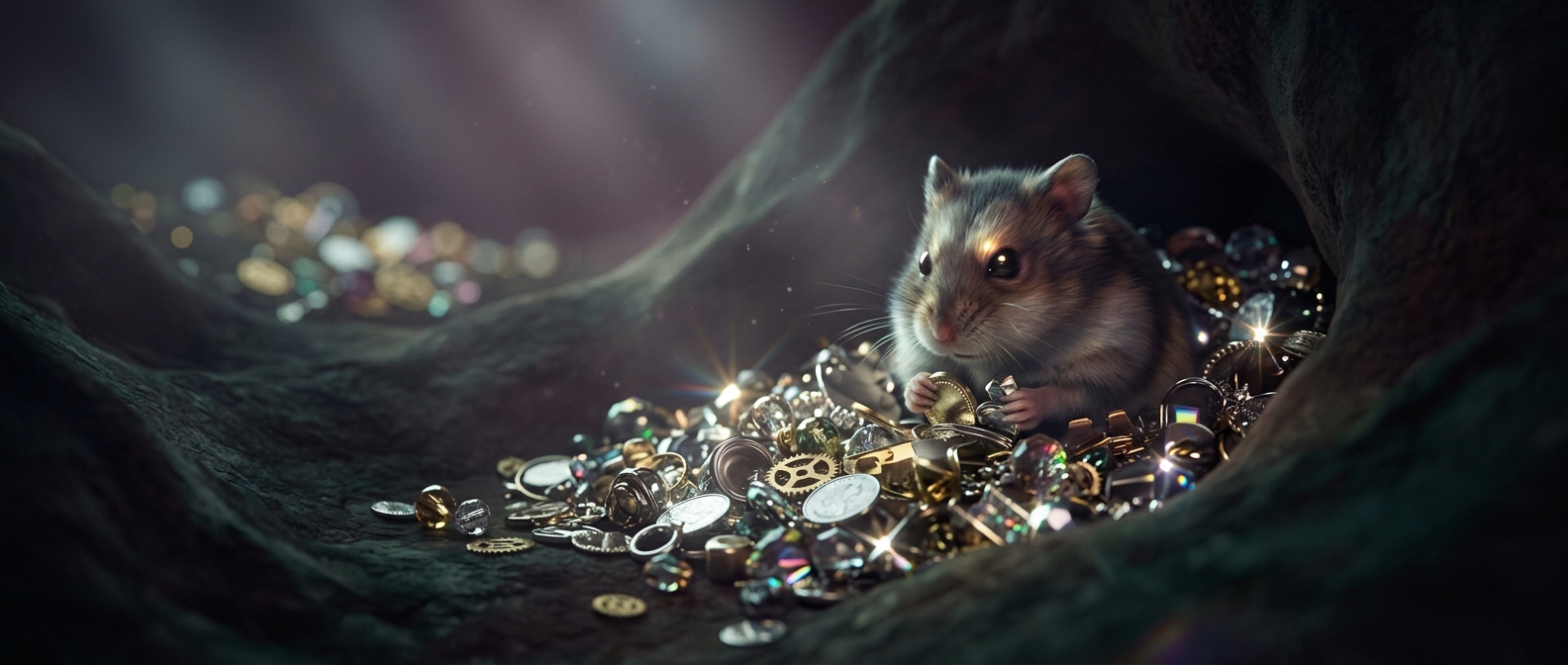
A hamster carries groceries in its face
Cheek pouches let a hamster gather food and carry it to a store rather than eat everything where it finds it. That separates the risky work of collecting from…
Discover more
How fiction can turn imagined events into memories
While you read, your mind can fill in sensory details the words only suggest. If the imagined scene sticks, you may later recognize it without remembering…
Discover more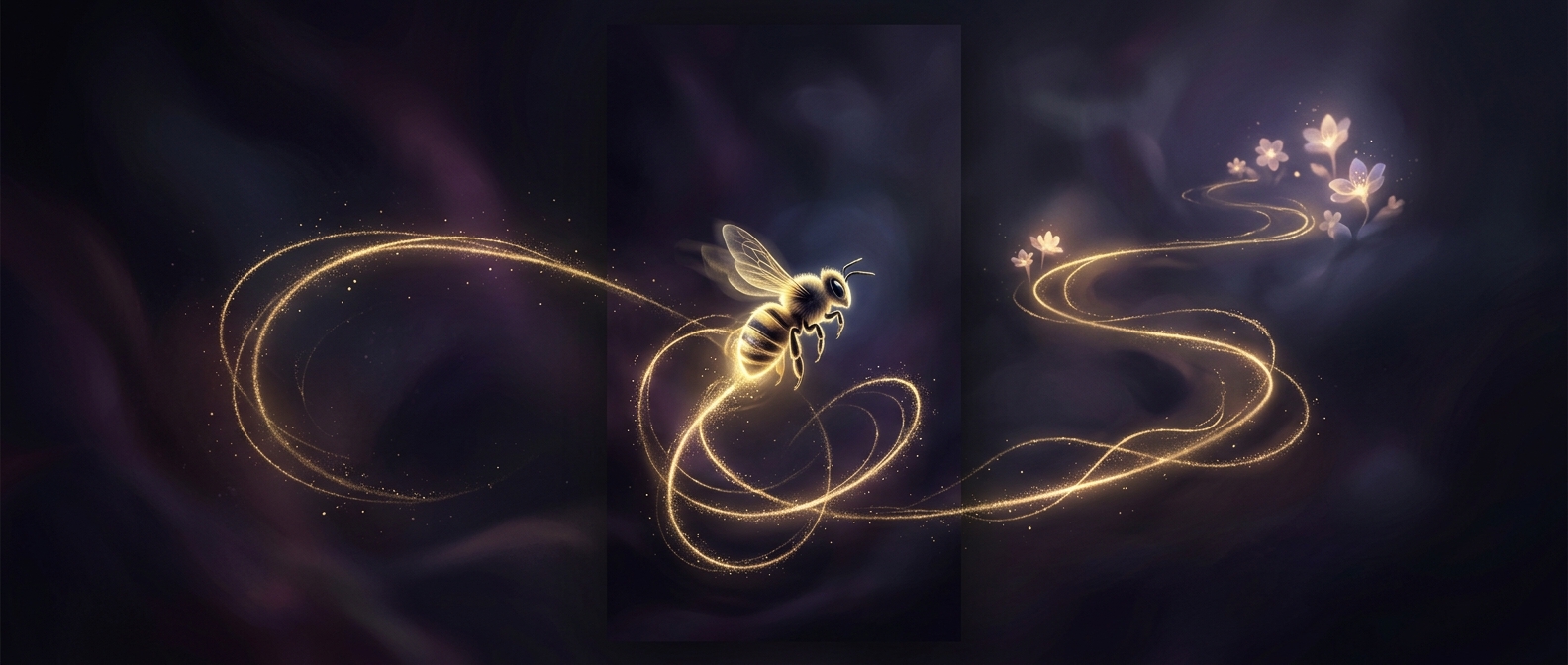
Bees share flower locations with a dance
A worker bee waggles on the comb to tell her nestmates where she found food. The angle of her dance points them toward the flowers relative to the Sun, and…
Discover more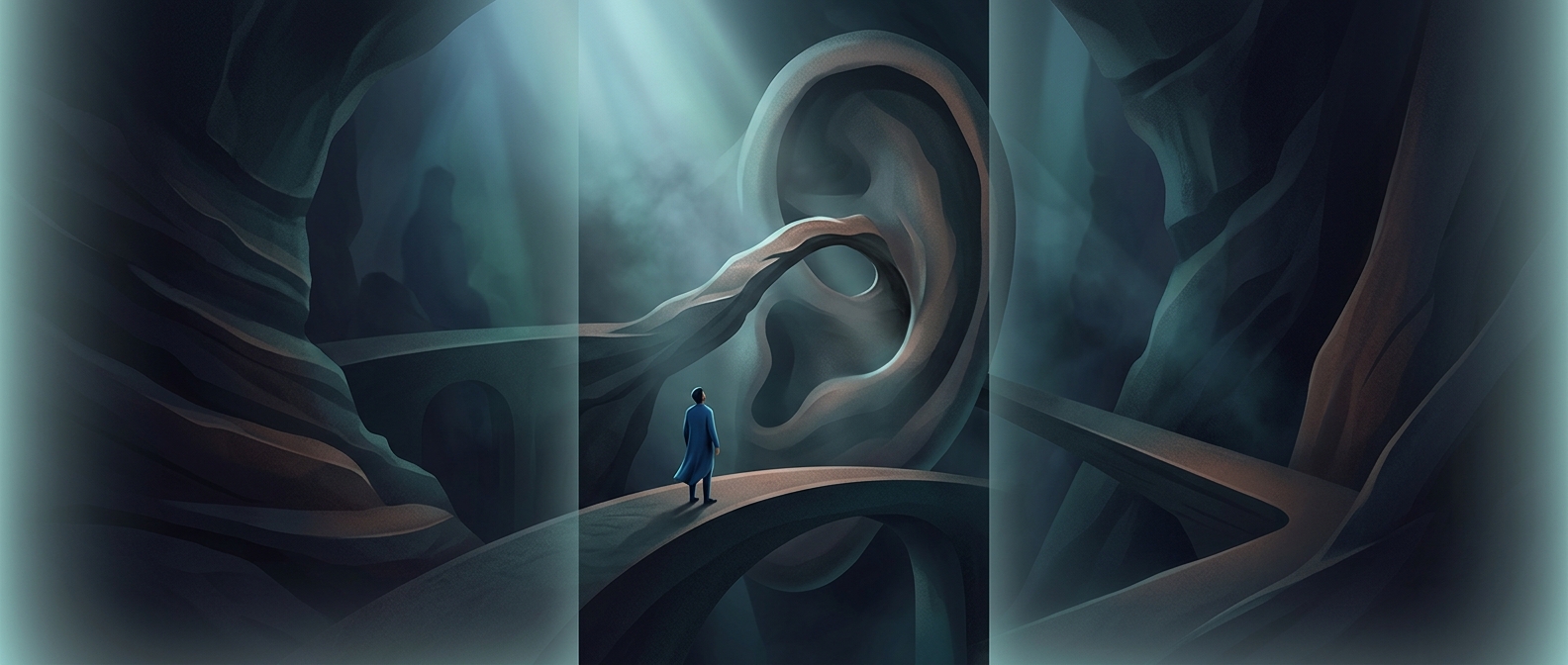
Your ear can carry a small feature named after Darwin
Darwin's tubercle is a bump of cartilage along the upper outer rim of the ear. It can appear on both ears or be more prominent on one, adding another detail…
Discover more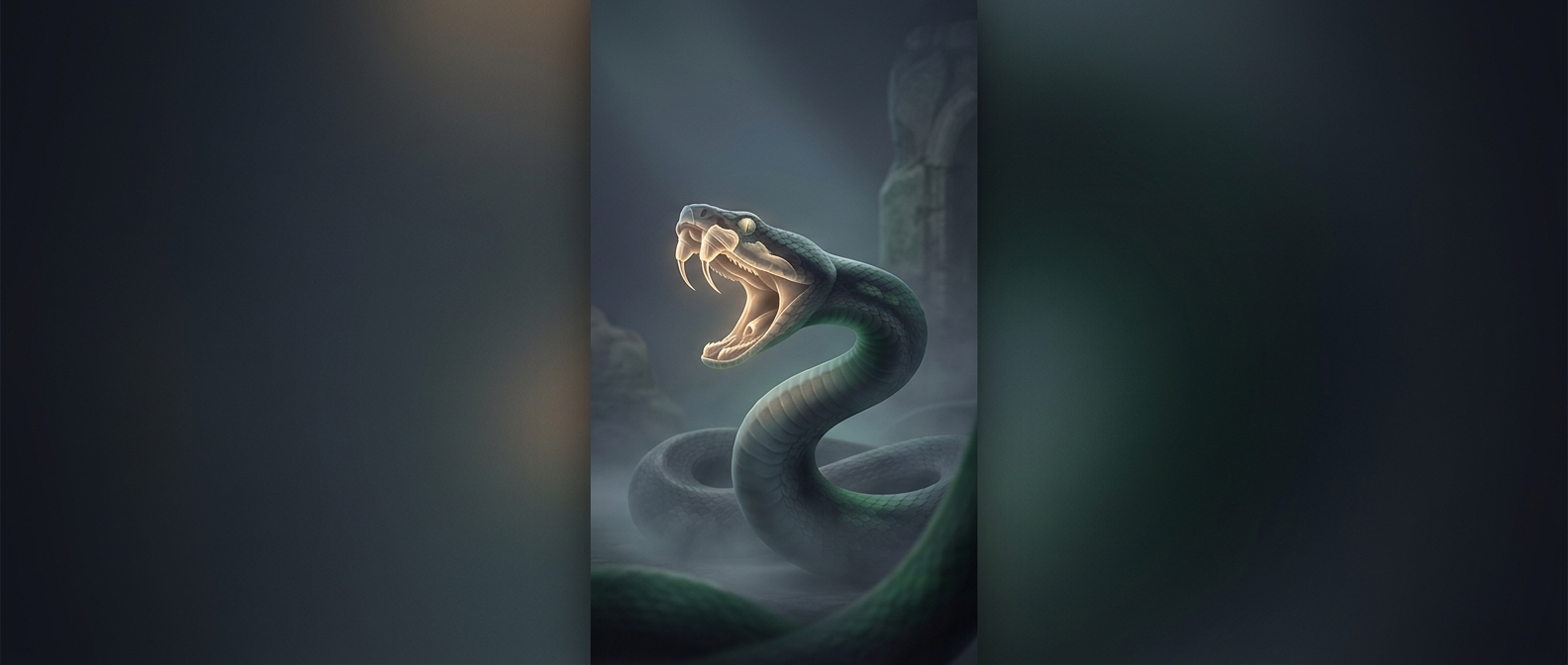
Why vipers’ fangs fold back into their mouths
A viper’s long fangs fold backward on hinges, letting them fit inside its closed mouth. When it opens wide to strike, the fangs swing forward to inject venom.…
Discover more
Venn created his famous diagrams to teach set theory
The shared center of three Venn circles shows what all three groups have in common. Move into a region where only two circles overlap, and you’re looking at…
Discover more STACKY FOR IPHONE
A bigger world.
One discovery
at a time.
Keep discovering with Stacky. Interesting facts in an app that is always within reach.
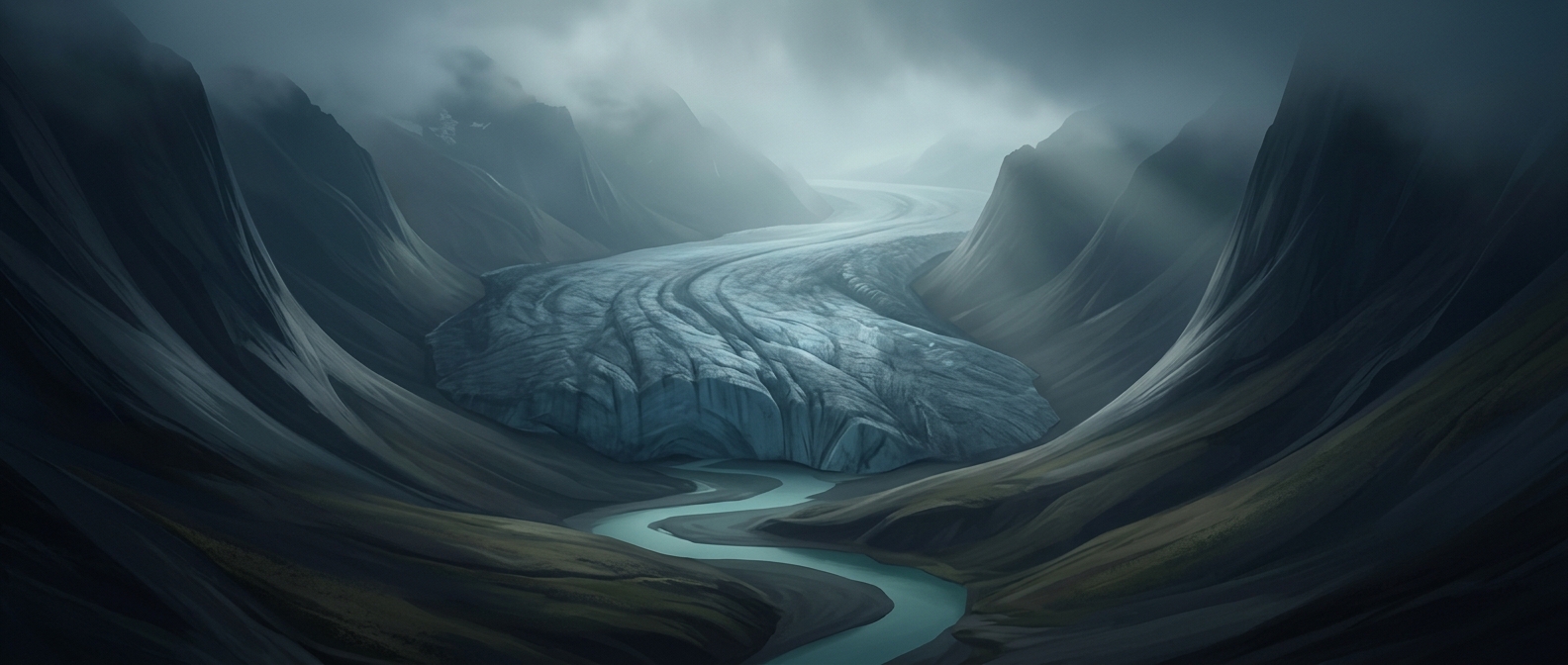
Slowly moving glaciers carve massive U-shaped valleys
As a glacier creeps downhill, rocks trapped in the ice scrape the ground like sandpaper, while the ice can tug other pieces loose. Over long stretches of…
Discover more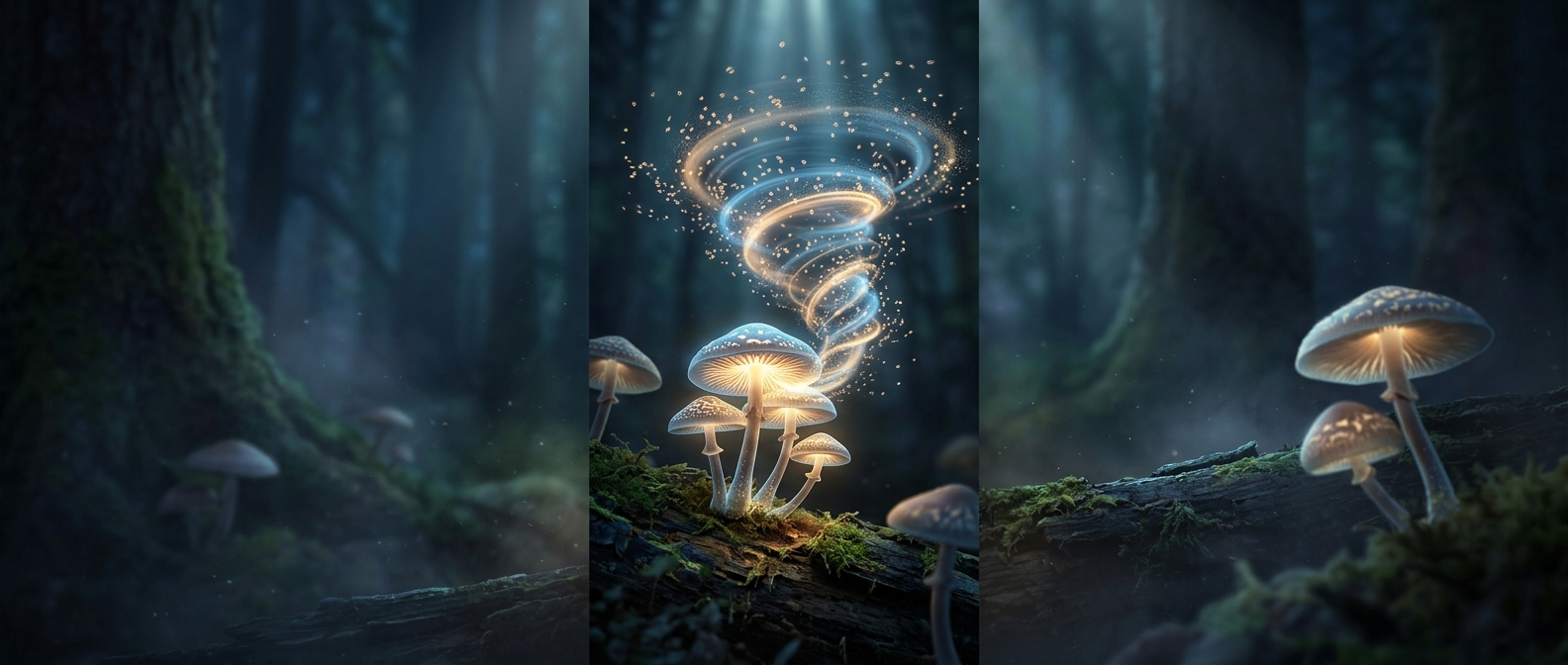
Some fungi make their own wind
As a mushroom’s cap loses water to the air, it cools the air nearby. That cooler air sinks and pulls warmer air upward, making a tiny current that can lift…
Discover more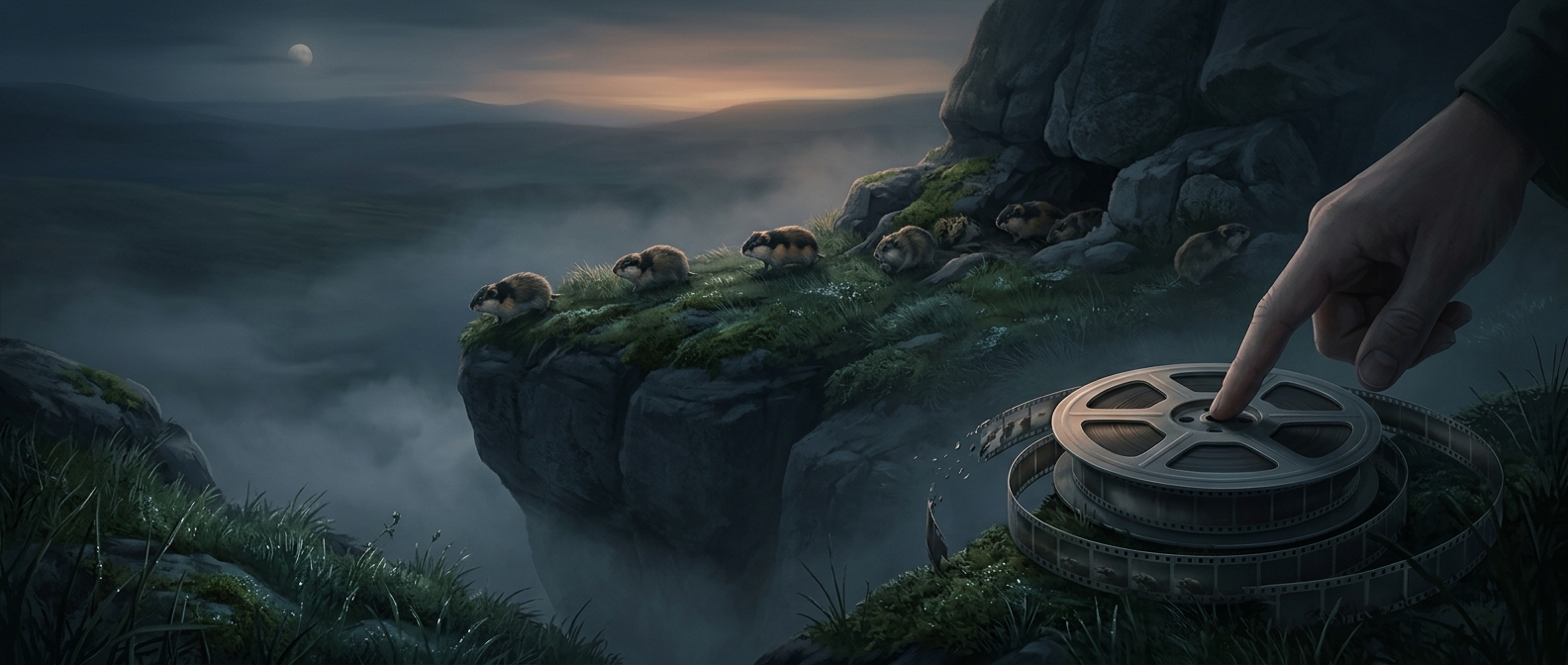
The lemming suicide myth was staged
The famous cliff-jumping scene was staged for a film; it wasn’t footage of lemmings choosing mass suicide. Real lemmings do spread out when populations grow,…
Discover more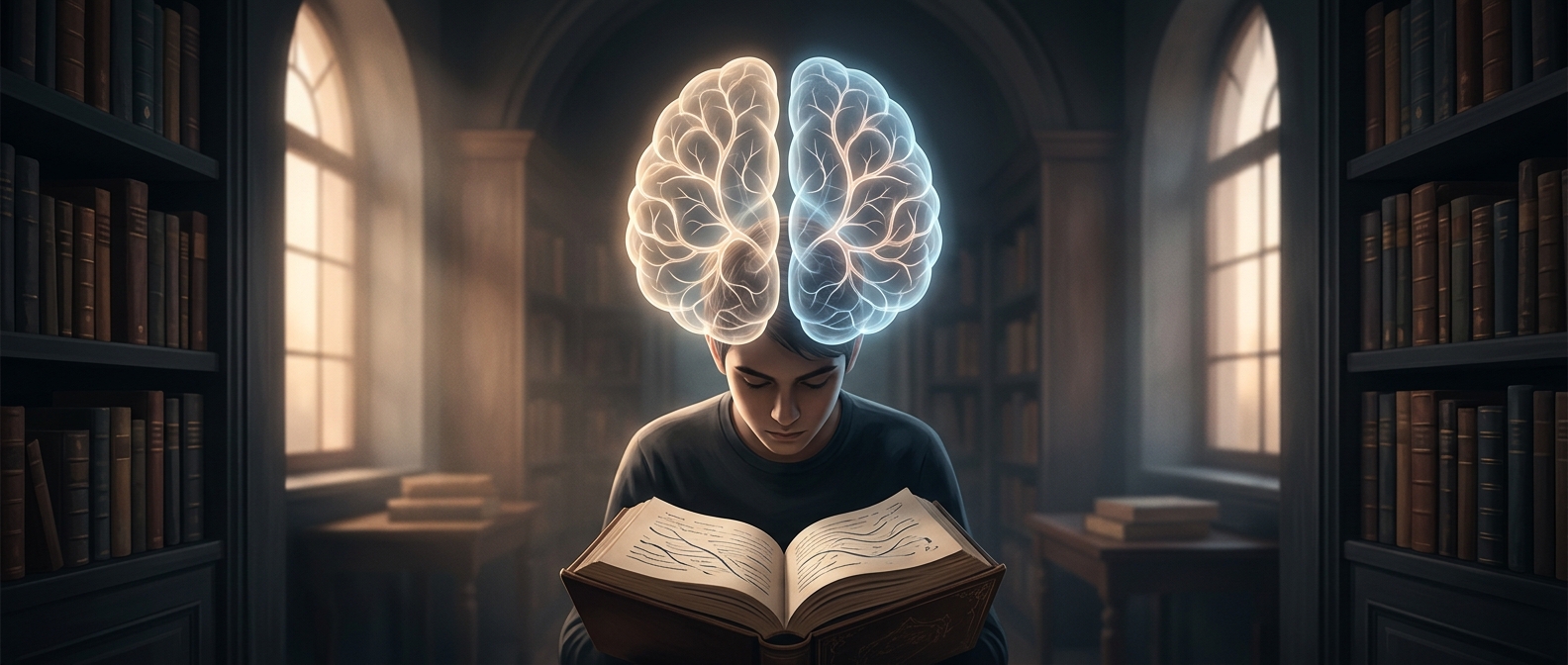
Dyslexia may involve unusually symmetrical language centers
The brain’s language regions are not always built as mirror-image twins. Some research finds that this left-right difference is smaller, on average, among…
Discover more
Andromeda is devouring smaller galaxies
Andromeda’s gravity tugs at smaller neighboring galaxies and stretches their stars and gas into long streams. The galaxies are mostly empty space, so…
Discover more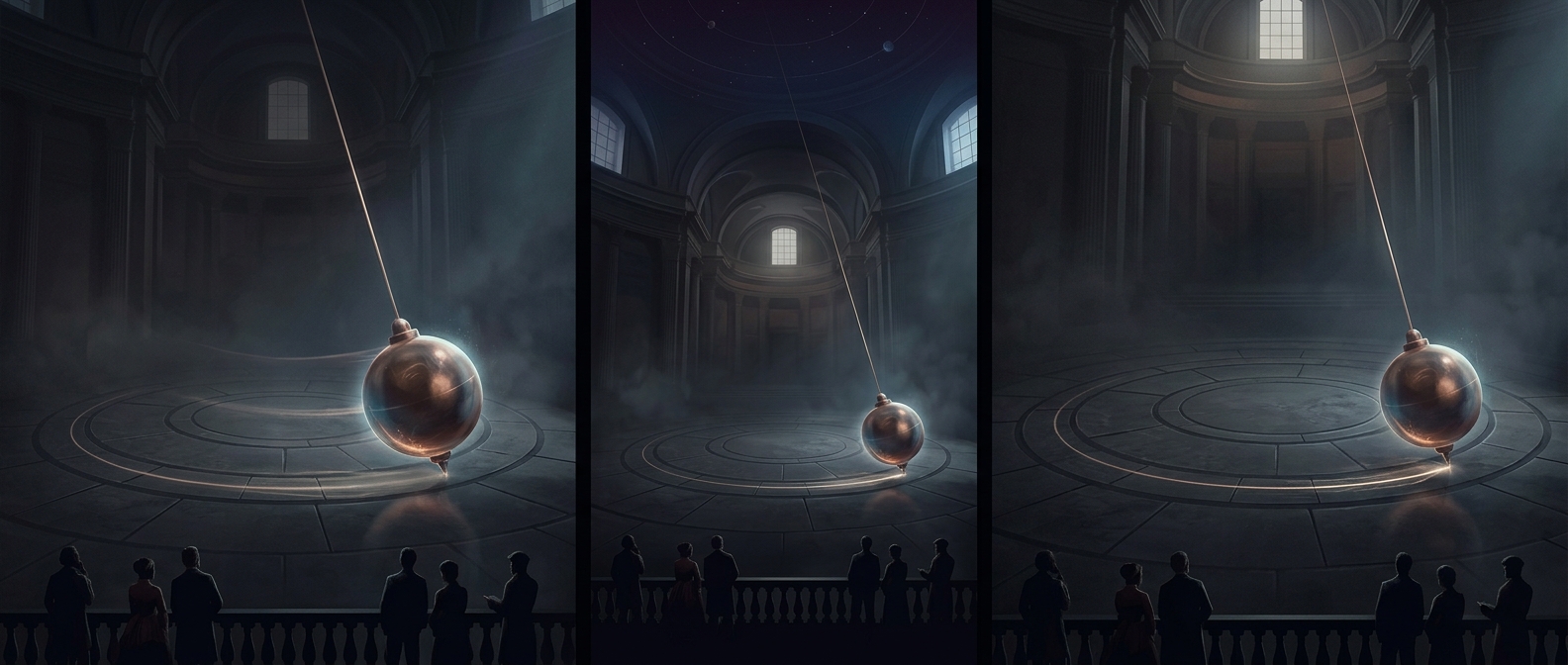
A swinging weight showed Earth was rotating
The pendulum isn’t steering itself around the room; the ground is rotating beneath a swing that holds nearly steady in space. That makes its path appear to…
Discover more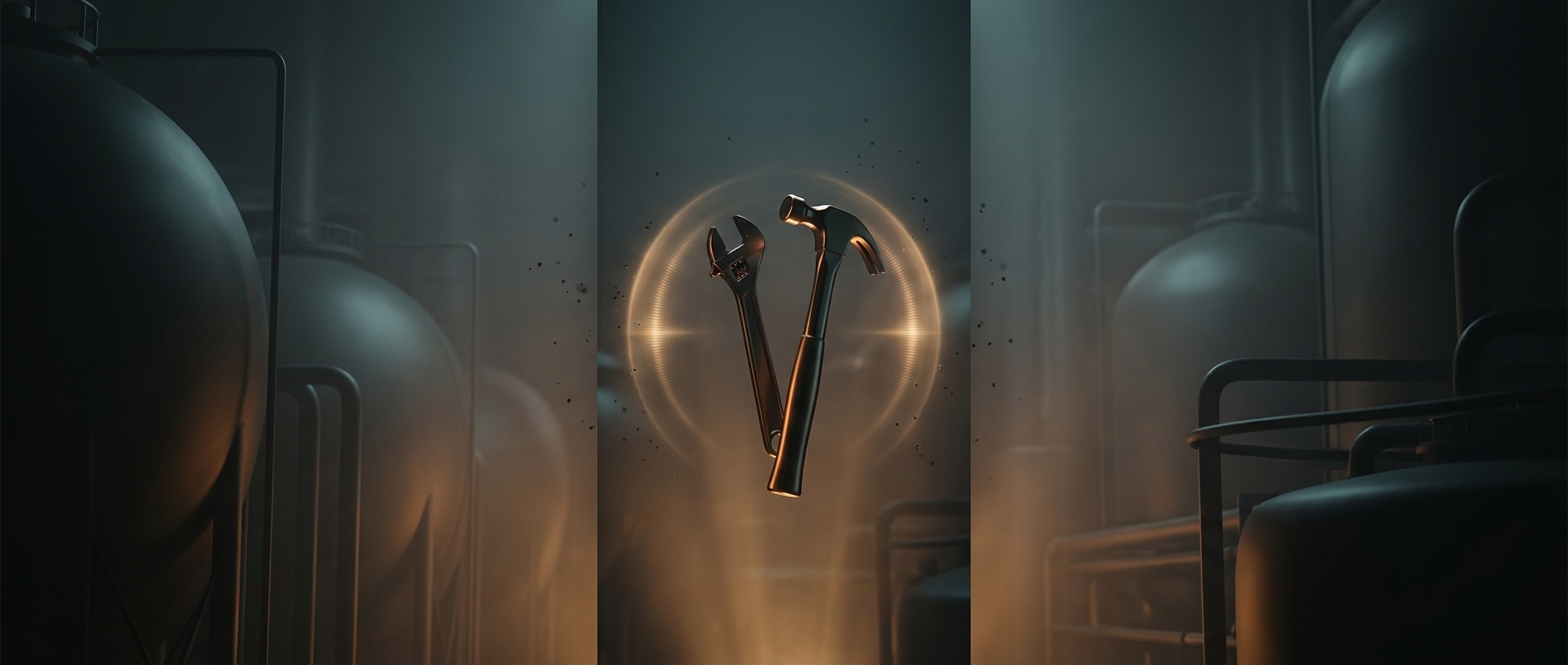
The tools designed not to spark
Beryllium-copper tools are less likely than steel to throw hot sparks when struck, which can lower ignition risk in places with explosive hazards. But “less…
Discover more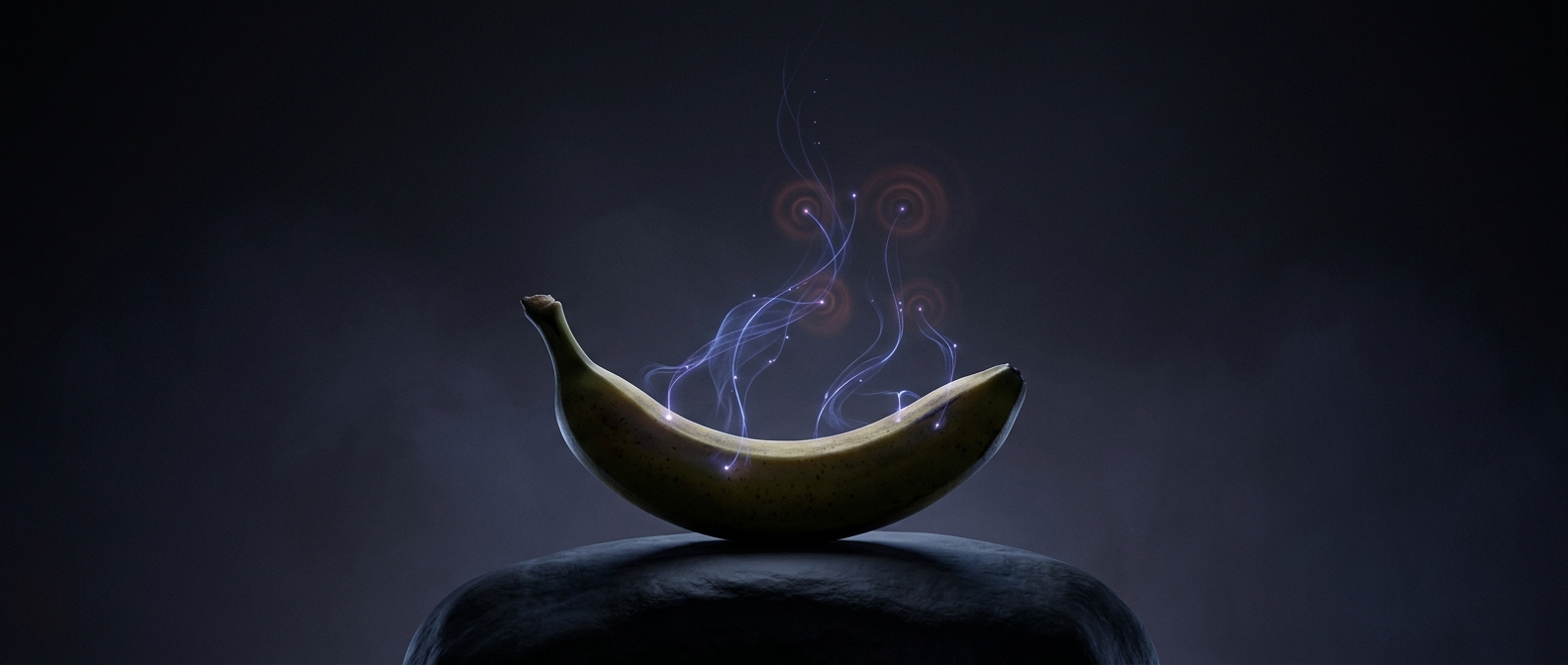
Bananas produce tiny bursts of antimatter
A little of a banana’s potassium is potassium-40, a naturally radioactive form that sometimes decays by releasing a positron. A positron is an electron’s…
Discover more
Energy cannot be created or truly destroyed ever
As the pendulum drops, stored height turns into motion; as it rises, that motion becomes stored height again. Air and the pivot steal a little along the way,…
Discover more
Uncertainty prevents knowing position and momentum
A quantum particle isn't hiding a perfectly precise location and momentum from a clever enough camera. The theory allows its position to be tightly defined…
Discover more
August eighth opens a massive cosmic gateway
August 8 has no known physical effect that opens a cosmic gateway. The date doesn’t bring a special alignment or burst of energy; Earth keeps responding to…
Discover more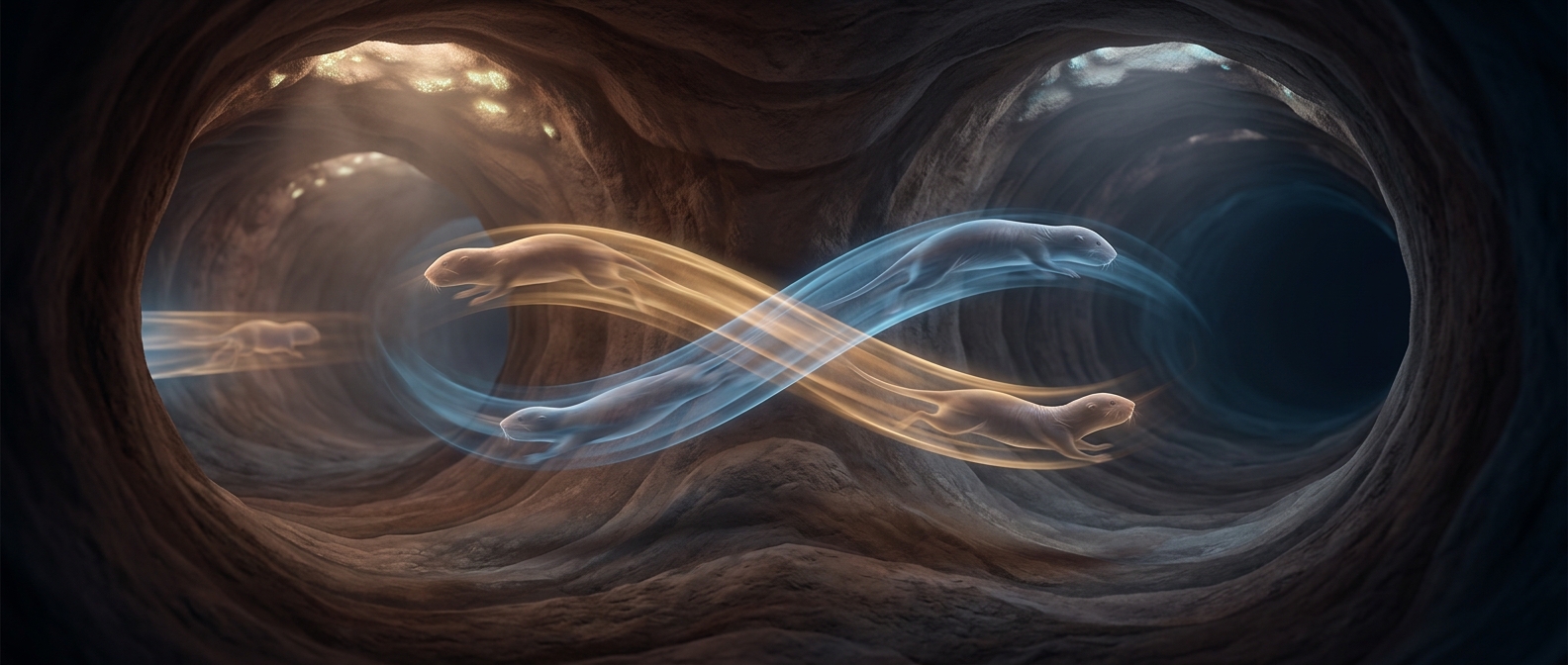
These rats can run backward as fast as forward
A narrow tunnel can make turning around a whole project. Naked mole rats can simply reverse, using sensory hairs on their tails to feel their way backward;…
Discover more
Velcro works by making thousands of tiny catches let go
One strip carries hooks and the other loops. Press them together and many hooks snag at once, spreading the load over the fastener. Peel from an edge and the…
Discover more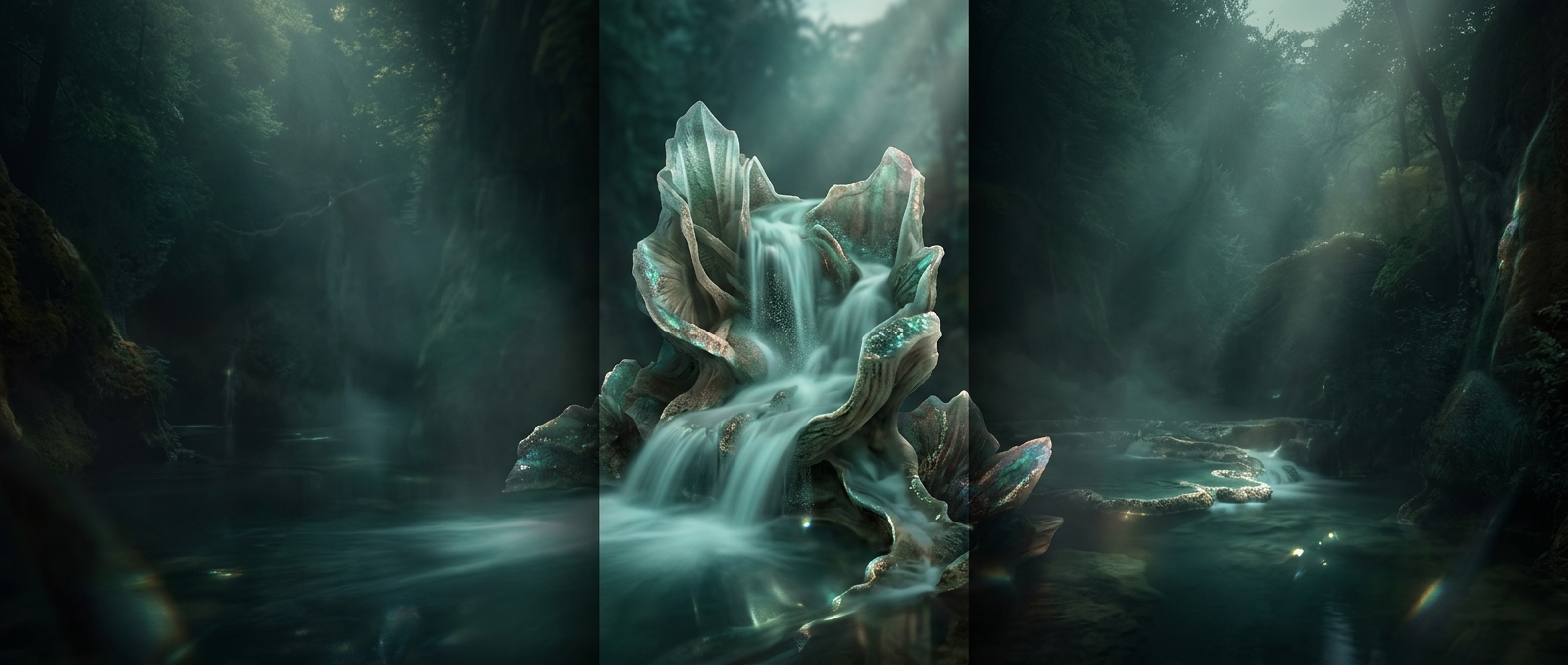
The lakes that build their own dams
Mineral-rich water can build a dam one thin layer at a time. As the water loses carbon dioxide, calcium carbonate solidifies into travertine and collects…
Discover more
Why a gram of antimatter costs trillions
There’s no antimatter ore to dig up. Accelerators must make it, one tiny quantity at a time, using an energy-intensive process; afterward, it has to be kept…
Discover more
Linguistics confirm E is the most frequently typed character
E shows up so often because it appears in many everyday English words; in common English text, it makes up more than 11% of the characters. Change what you…
Discover more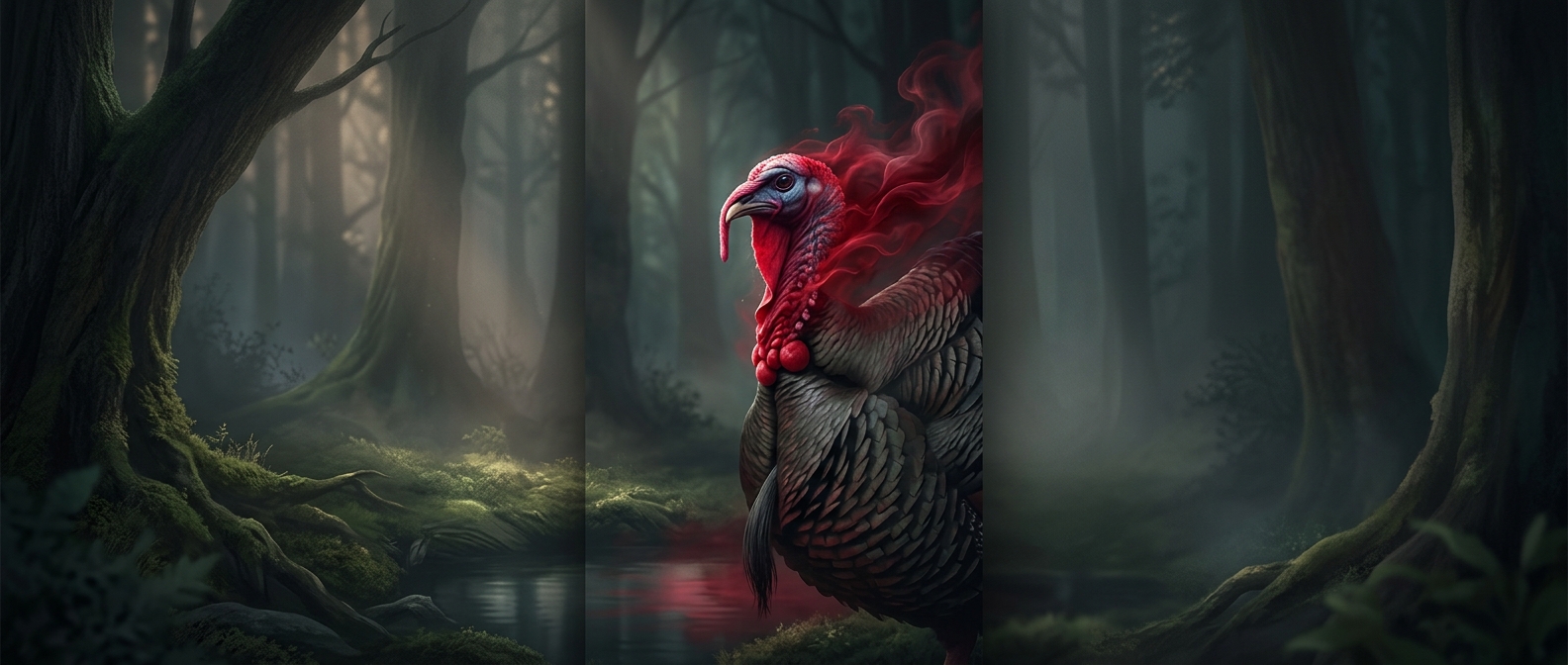
Turkeys can blush when they get excited
A turkey’s head can change color as blood flow shifts through its fleshy snood and wattle. Those tissues may turn red, blue, or pale as the bird’s physical…
Discover more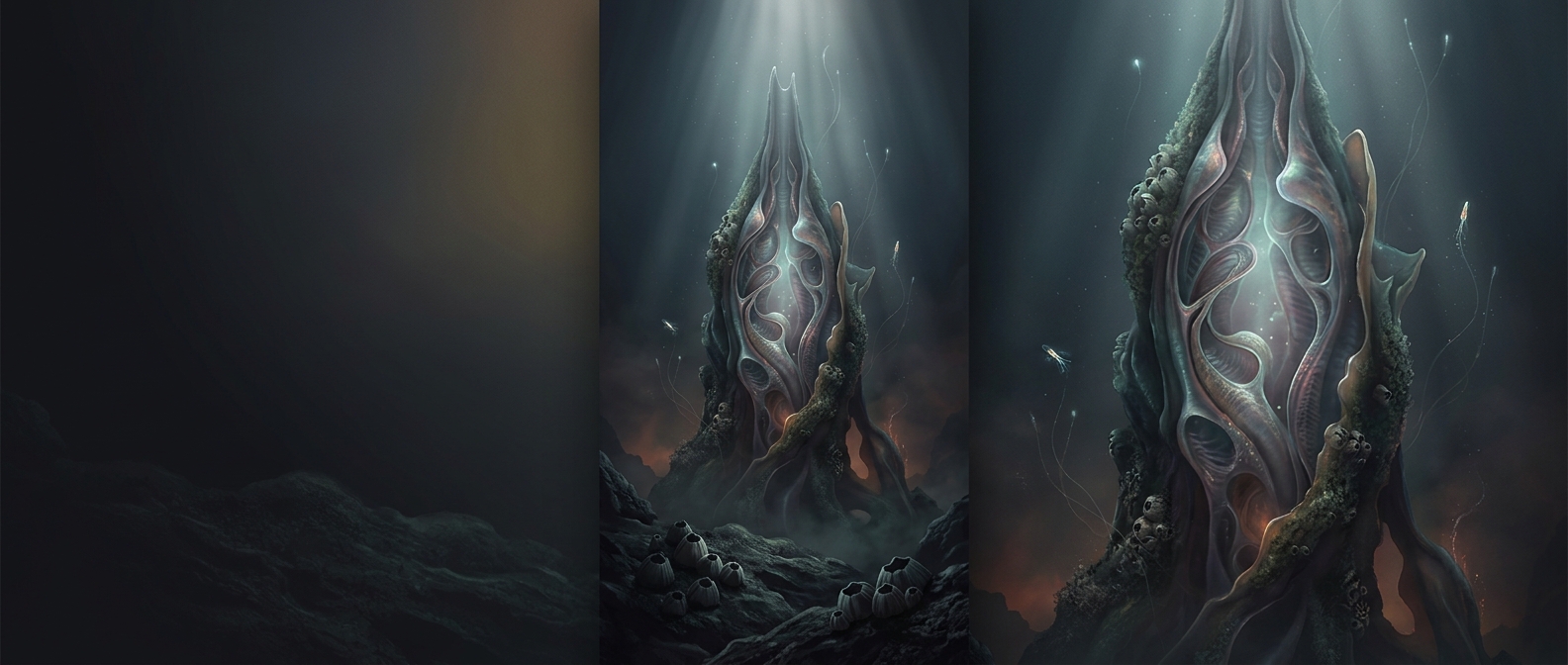
Barnacles have enormous reproductive organs
Barnacles stay attached to a surface, so finding a mate means reaching rather than swimming over. A flexible penis can extend to a nearby barnacle and…
Discover more