Why an imagined scene can feel familiar later
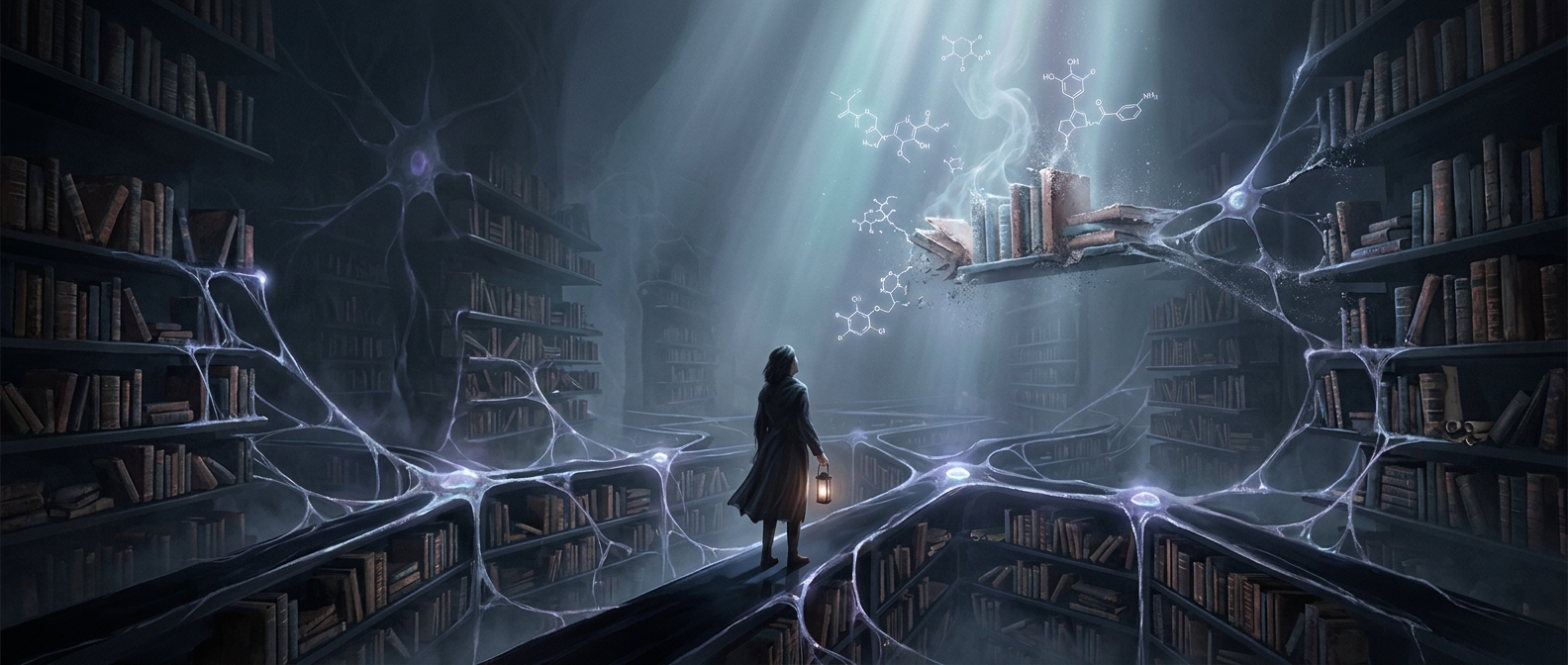
Reading does not leave the brain with only a record of words. To follow a scene, readers often construct a mental model: who is present, where they are, what they can see, and what might happen next. The text supplies some details; memory, experience, and inference help fill in the rest. A sentence about a character entering a cold room, for example, may bring to mind a draft, dim light, or the sense of a door closing—even if the story never specified those details.
That construction can make a scene vivid, but vividness is not a reliable label for where a memory came from. The mind stores aspects of an event—its content, its emotional tone, and cues about its source—without always keeping those pieces equally clear. Later, a scene may feel familiar while the reader cannot retrieve the context that would identify it as something imagined during a story.
The source can fade while the scene remains
Remembering an event involves more than recognizing its content. It also means recalling how it entered memory: whether it was read, pictured, heard from someone, or experienced firsthand. That ability to identify a memory’s origin is called source monitoring. It is a judgment, not a perfect tag attached to every remembered image.
When the origin is hard to retrieve, people may use vividness or familiarity as clues. But those qualities can arise from repeated thought and detailed imagination as well as from real experience. The result is not necessarily a wholly invented memory; it can be a genuine memory of imagining something, mistakenly attributed to another source.
This is why remembering a scene clearly does not, by itself, establish that it happened. The crucial question is not only “What do I remember?” but “What evidence connects this memory to the source I think it came from?”