Why making antimatter wastes so much energy
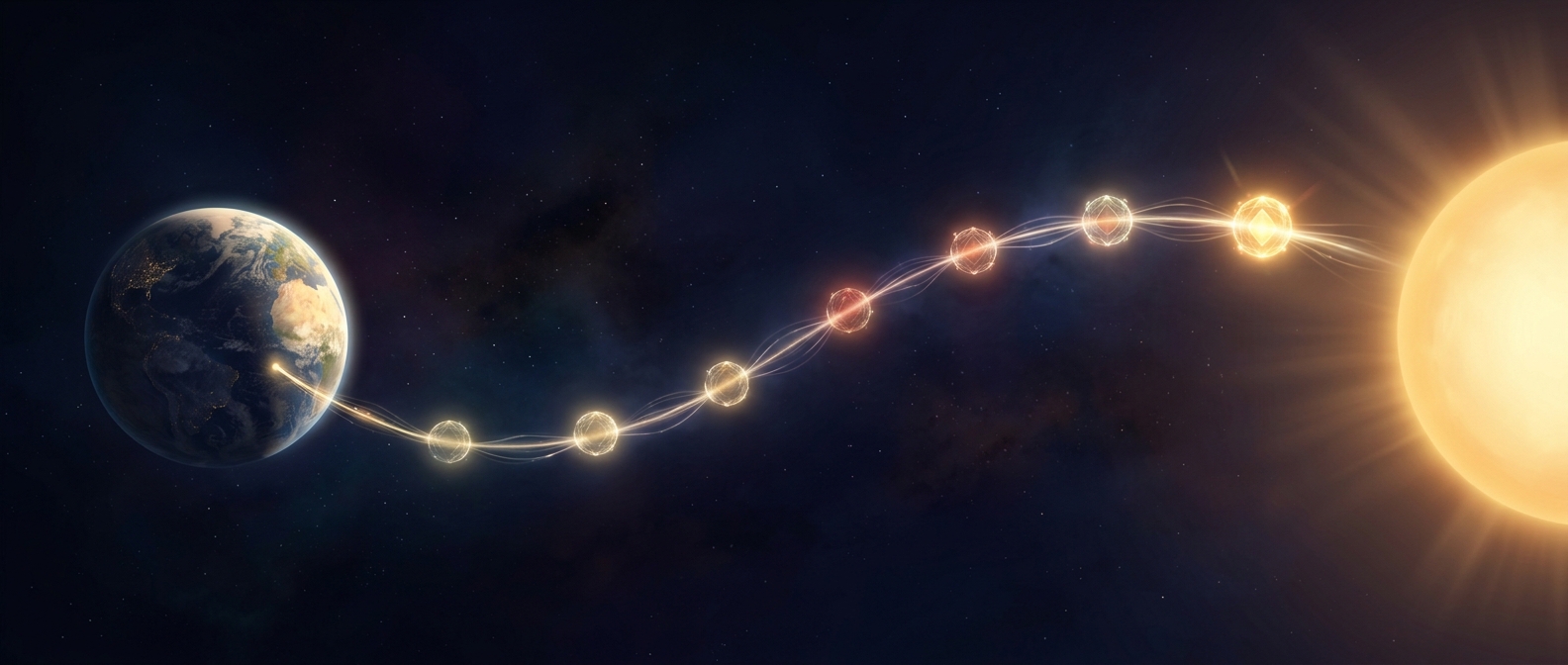
Antimatter is not mined because it does not occur in usable deposits. To make it, a particle accelerator speeds ordinary particles to high energies and slams them into a target. Some of that collision energy can create particles and their antimatter counterparts, but only a small fraction ends up in the form researchers want. The rest becomes other particles, heat, and motion.
That makes production intrinsically inefficient: the accelerator must expend far more energy than the tiny amount of antimatter it produces contains. And antimatter is not a bulk material that can be gathered from the target. Its charged particles must be identified and separated from the much larger flood of collision products, then slowed and captured before they disappear.
The trap has to keep matter out
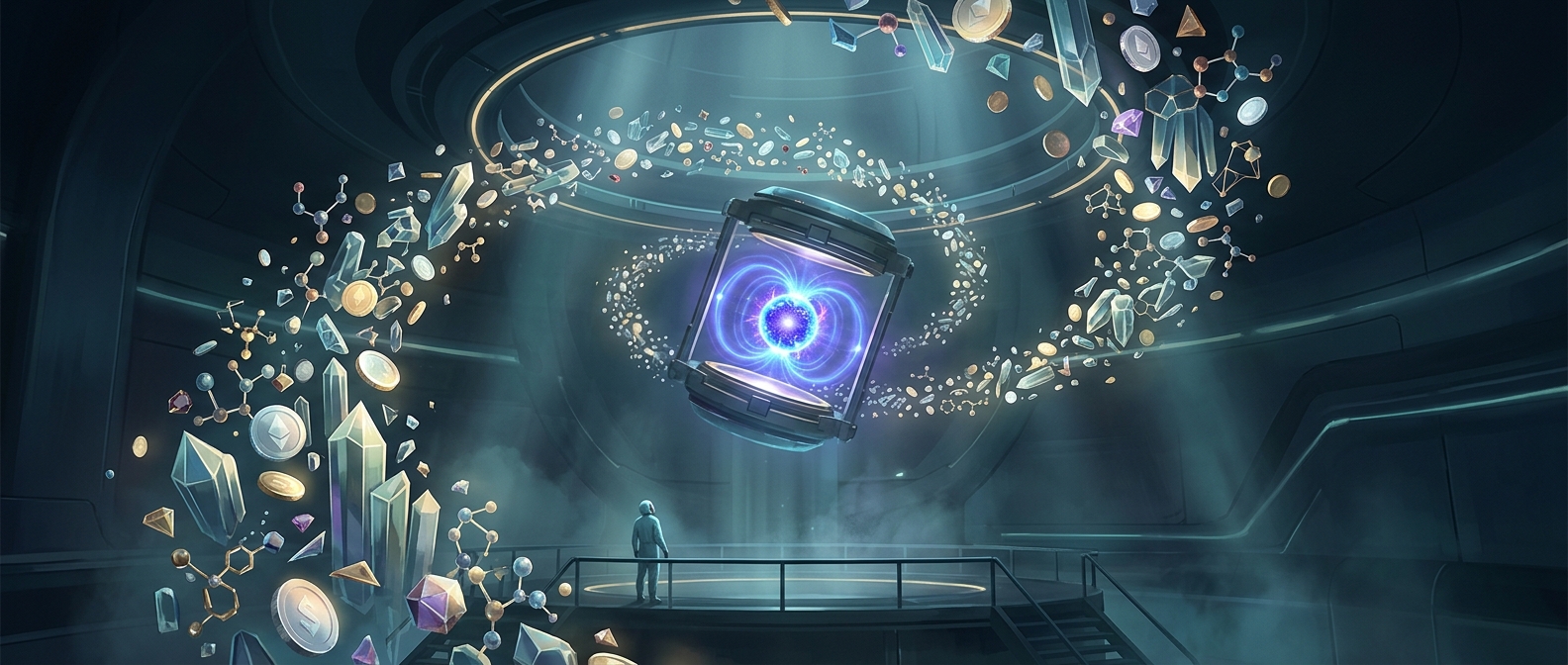
Once captured, antimatter cannot be placed in an ordinary container. On contact with the container’s atoms, it annihilates—its particles meet their matter counterparts and convert their mass into other forms of energy and particles. Instead, researchers use electric and magnetic fields to confine charged antimatter in a vacuum, keeping it away from the walls.
That confinement requires specialized equipment and careful control. It also limits how much can be stored and for how long: a magnetic trap is not a warehouse, and even a brief loss of control can destroy the sample.
Why the price is so extreme
The cost therefore comes from two linked bottlenecks: making an exceptionally small amount with an energy-hungry accelerator, then capturing and preserving it without letting it touch ordinary matter. A quoted price per gram is an extrapolation from this extraordinarily difficult production process, not a market price for a material that is manufactured and sold by the gram. In practice, the quantities produced are so tiny that the real achievement is often simply keeping a sample trapped long enough to study.