A quark changes the proton from within
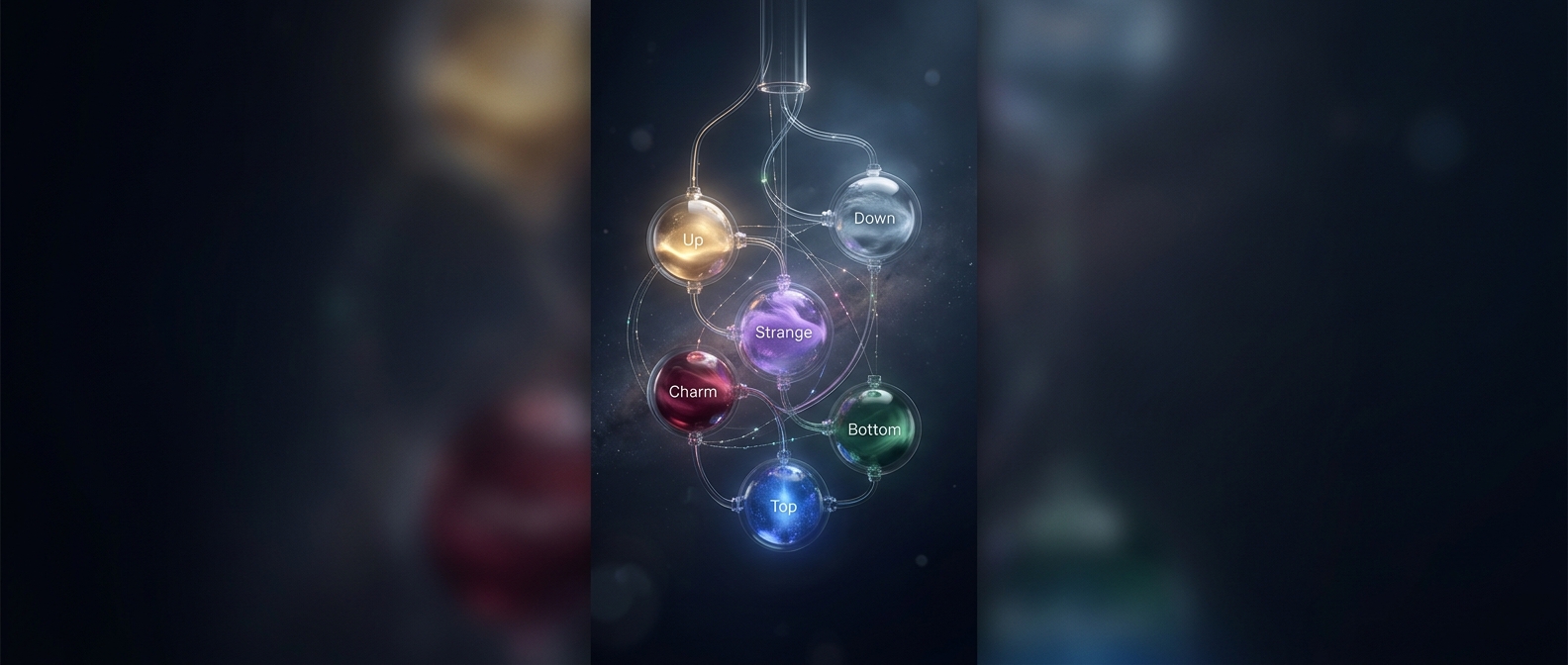
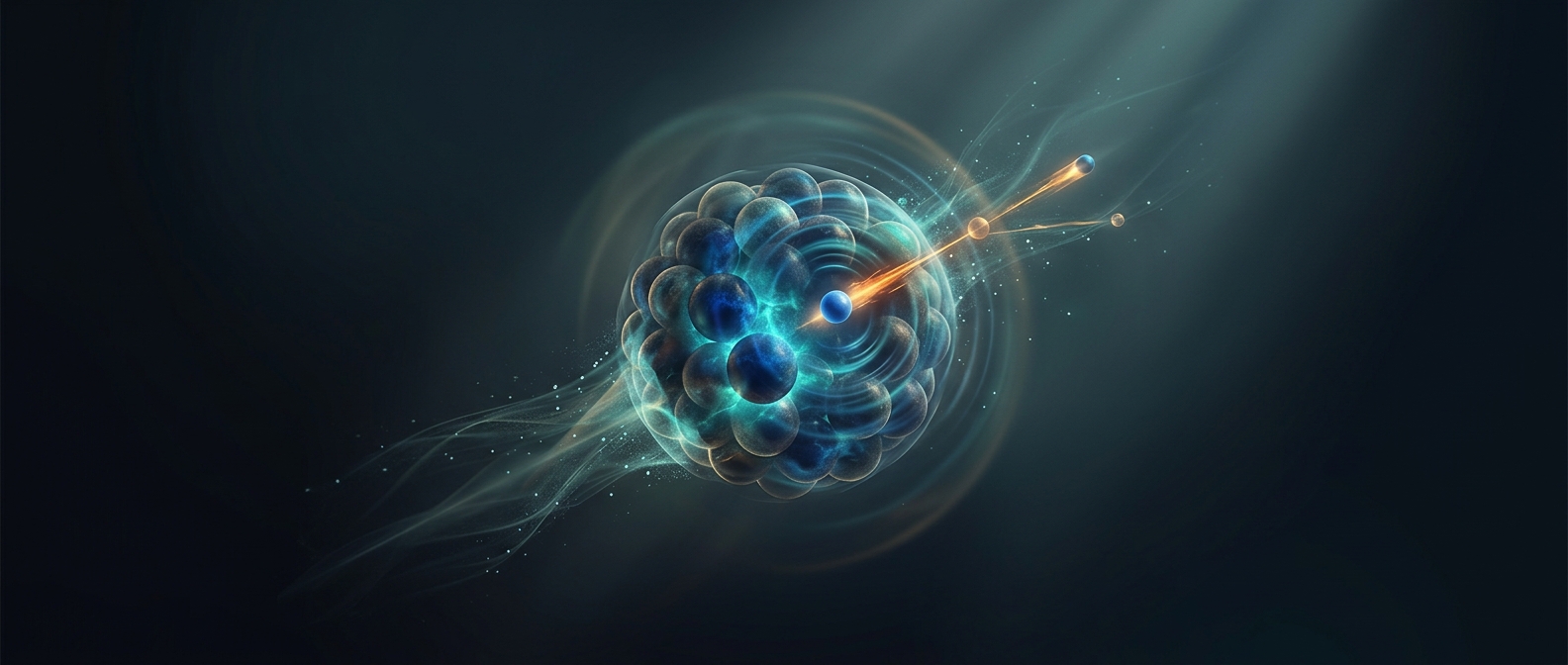
A proton is made of two up quarks and one down quark; a neutron has one up quark and two down quarks. In beta-plus decay, the weak nuclear force changes one up quark into a down quark. That turns the proton into a neutron while preserving the nucleus’s total number of protons and neutrons.
The change also produces a short-lived particle called a W boson, which quickly decays into a positron—the electron’s positively charged counterpart—and an electron neutrino, a nearly massless particle that interacts so weakly with matter that it usually escapes the atom unnoticed. These particles carry away energy and help balance the change in electric charge.
Why the element changes—and the decay does not happen everywhere
An element’s identity is set by its number of protons, not by its total number of nuclear particles. When beta-plus decay reduces that count by one, the nucleus becomes a different element. The neutron remains in the nucleus, so the total count of protons plus neutrons stays the same.
But a proton cannot make this change in just any nucleus: the decay must be energetically possible for that nucleus. In an unstable nucleus where it is, the weak force offers a route toward a more favorable arrangement. The escaped neutrino carries energy away, while the positron can later meet an electron and annihilate, converting their mass into light. A change inside one quark can therefore alter an element’s identity and send detectable energy beyond the atom.