How dissolved limestone becomes a lake wall
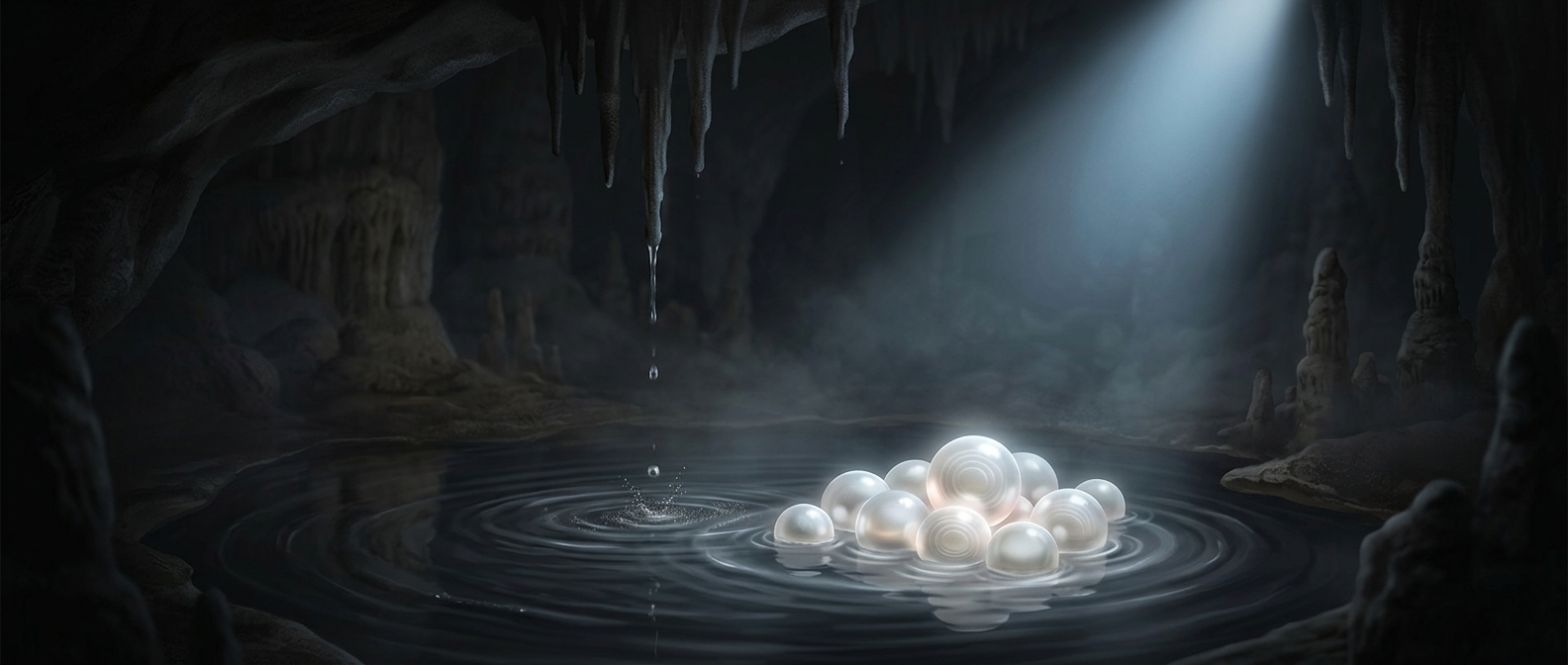
The ingredients often arrive underground. Water moving through soil and rock absorbs carbon dioxide and can dissolve limestone, carrying calcium and bicarbonate ions in solution. The water may look ordinary, but it is transporting the material needed to make a mineral barrier.
When it reaches open air, carbon dioxide escapes. That changes the water’s chemistry: calcium and carbonate combine into solid calcium carbonate, the same basic mineral found in limestone. The deposit is called travertine. It can also form where water tumbles, splashes, or spreads into a thin film, because those conditions help carbon dioxide leave the water.
A small ridge changes the route
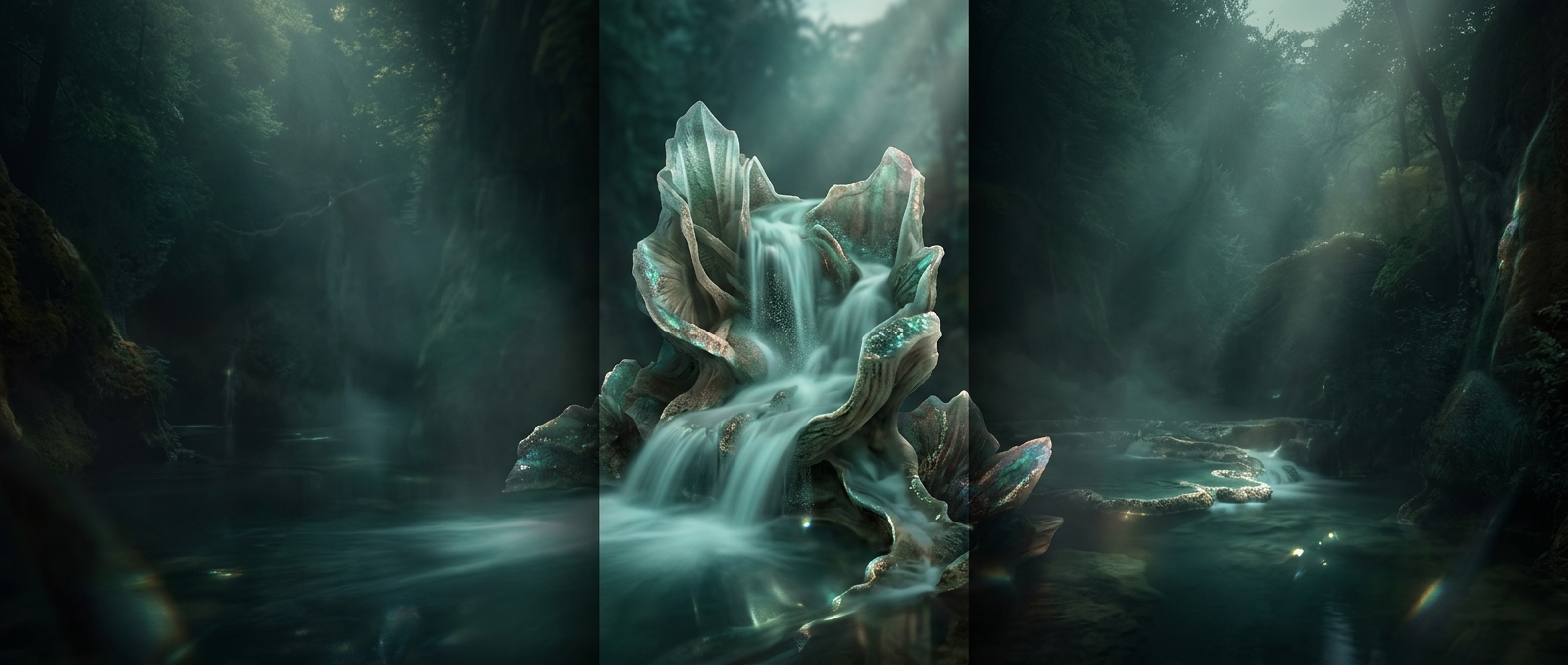
At first, the mineral coats the channel in a thin crust. Repeated deposition thickens it into a lip across the flow. Water then pools behind the lip; as the ridge rises, the pool can deepen into a lake. The barrier does not need to be built in one dramatic event—the continuing flow supplies fresh mineral-bearing water to the growing edge.
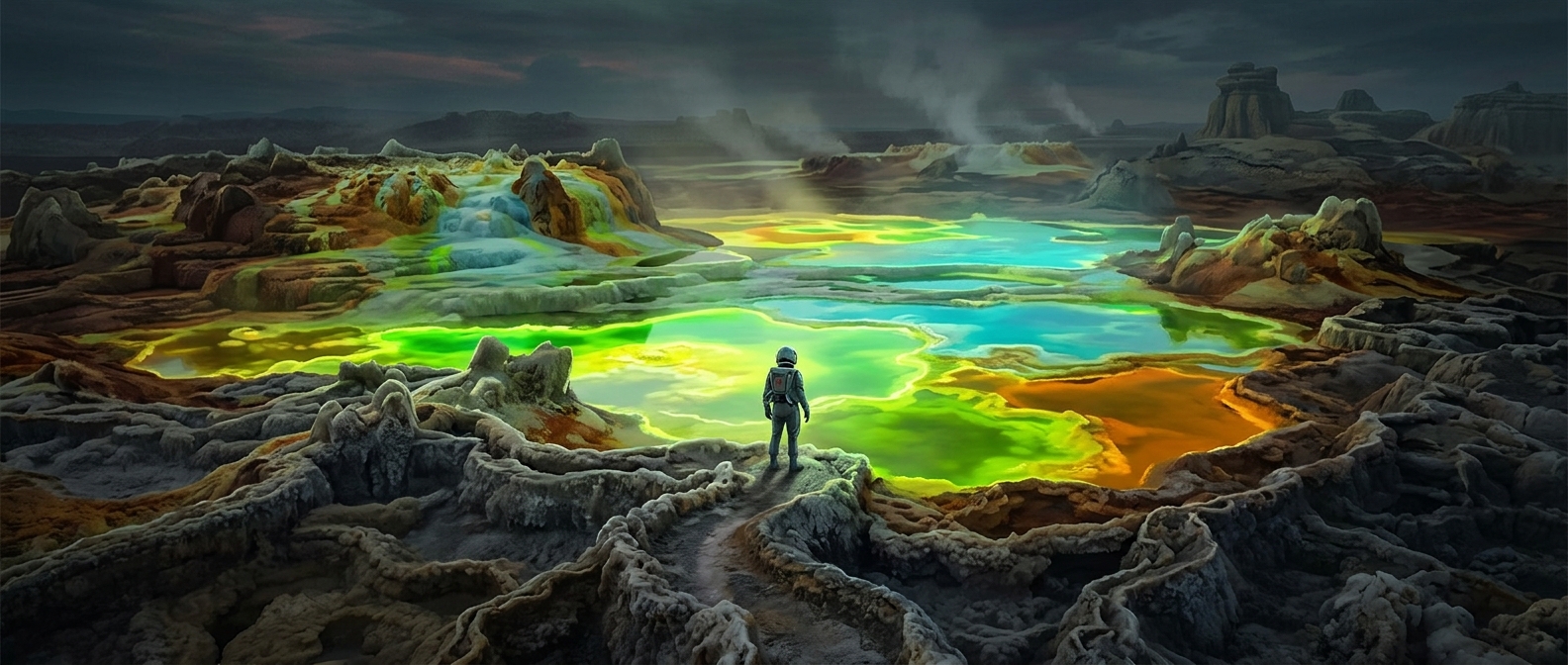
The new wall also redirects the stream. Water spills over its crest and can deposit travertine farther downstream, sometimes making a sequence of pools and ridges. Growth is not perfectly steady: water chemistry and flow affect where mineral accumulates, while erosion can wear the structure away.
That balance makes these dams both builders and products of their lakes. A ridge slows the water enough to create a pool, yet the continuing overflow keeps carrying the ingredients that may extend the ridge or start another one below it.