Science
Discover facts about science. Small discoveries that change the way you see familiar things.
Science
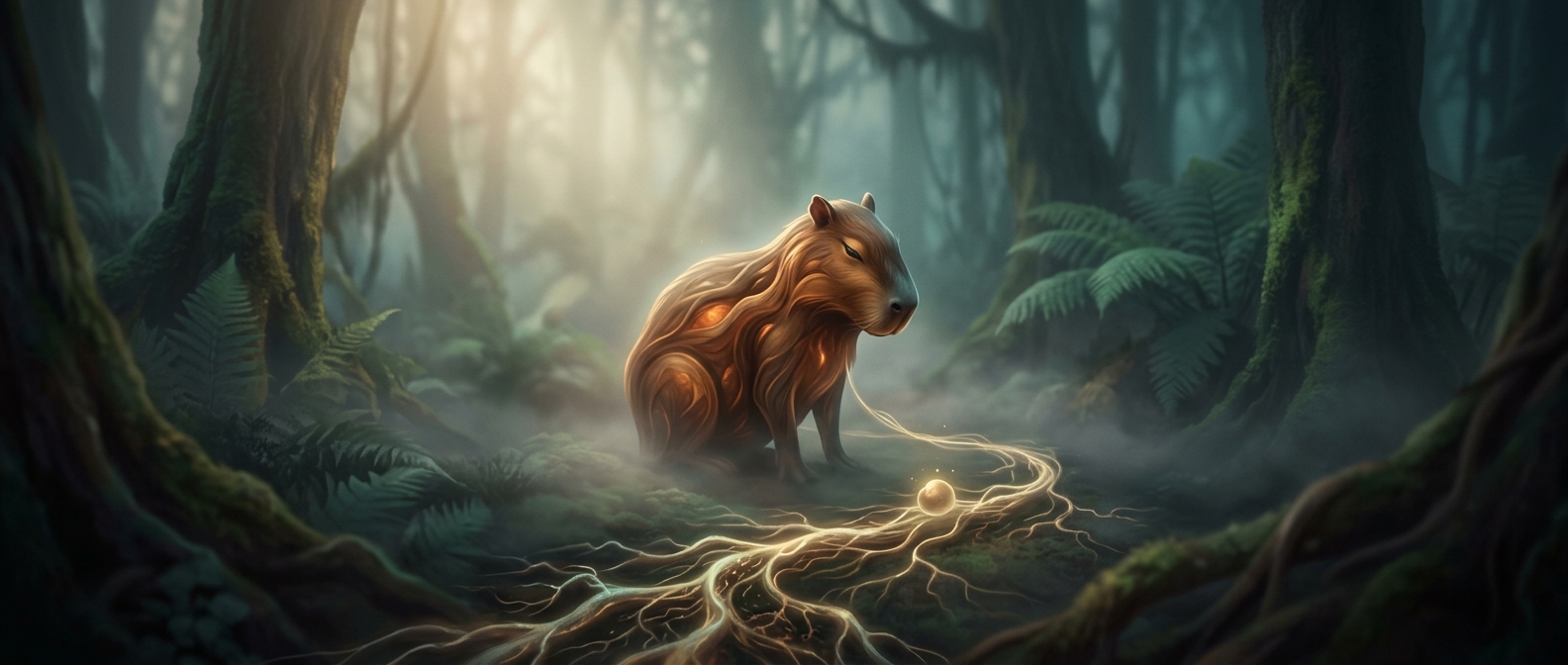
Why capybaras eat their own droppings
Ah, the majestic giant rodent, starting its day by eating literal garbage. Because capybaras ingest tough grasses that are incredibly difficult to digest,…
Discover more
Uncomputable numbers mathematically cannot be calculated
There are specific real numbers that are mathematically definable but strictly impossible for any computer algorithm to calculate to arbitrary precision. The…
Discover more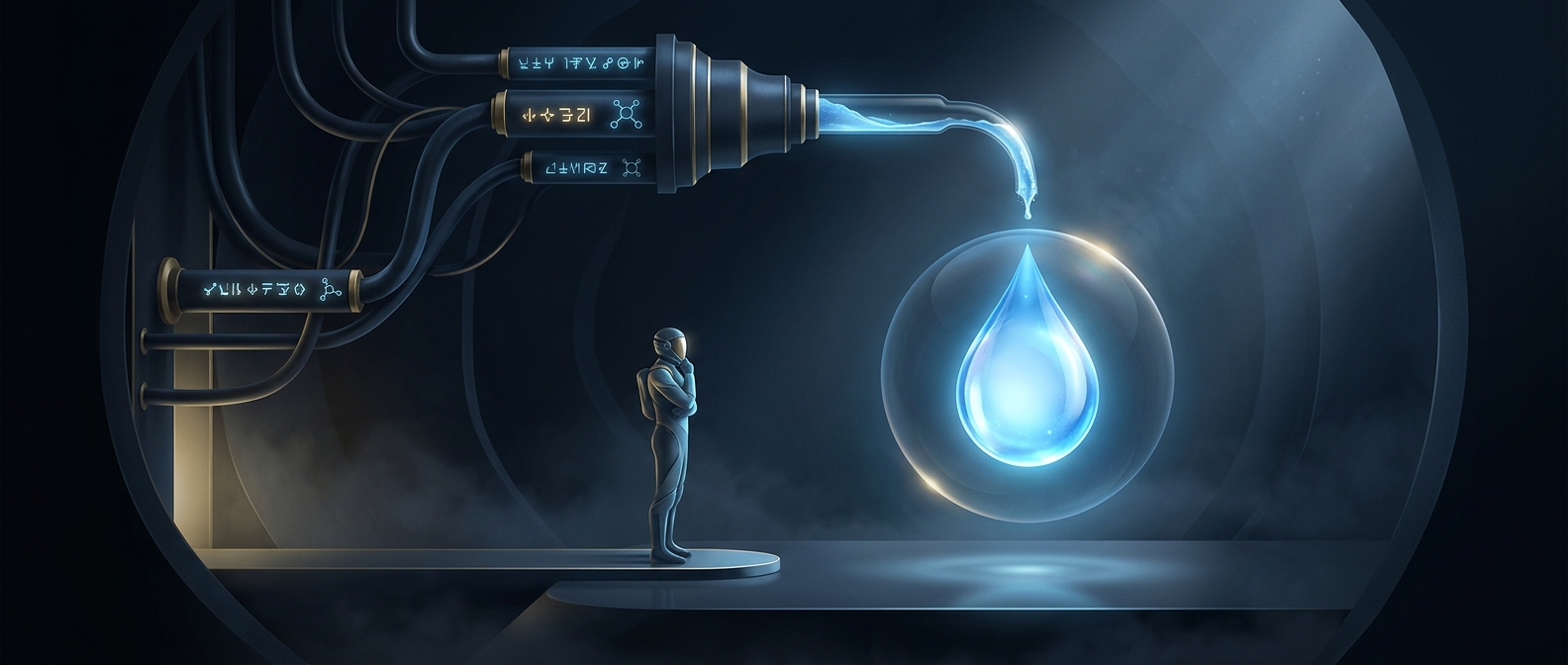
Water's scariest chemical name is completely fake
This is a strictly accurate chemical name for water used entirely to trick gullible people. By framing it as an 'odorless, colorless chemical that causes…
Discover more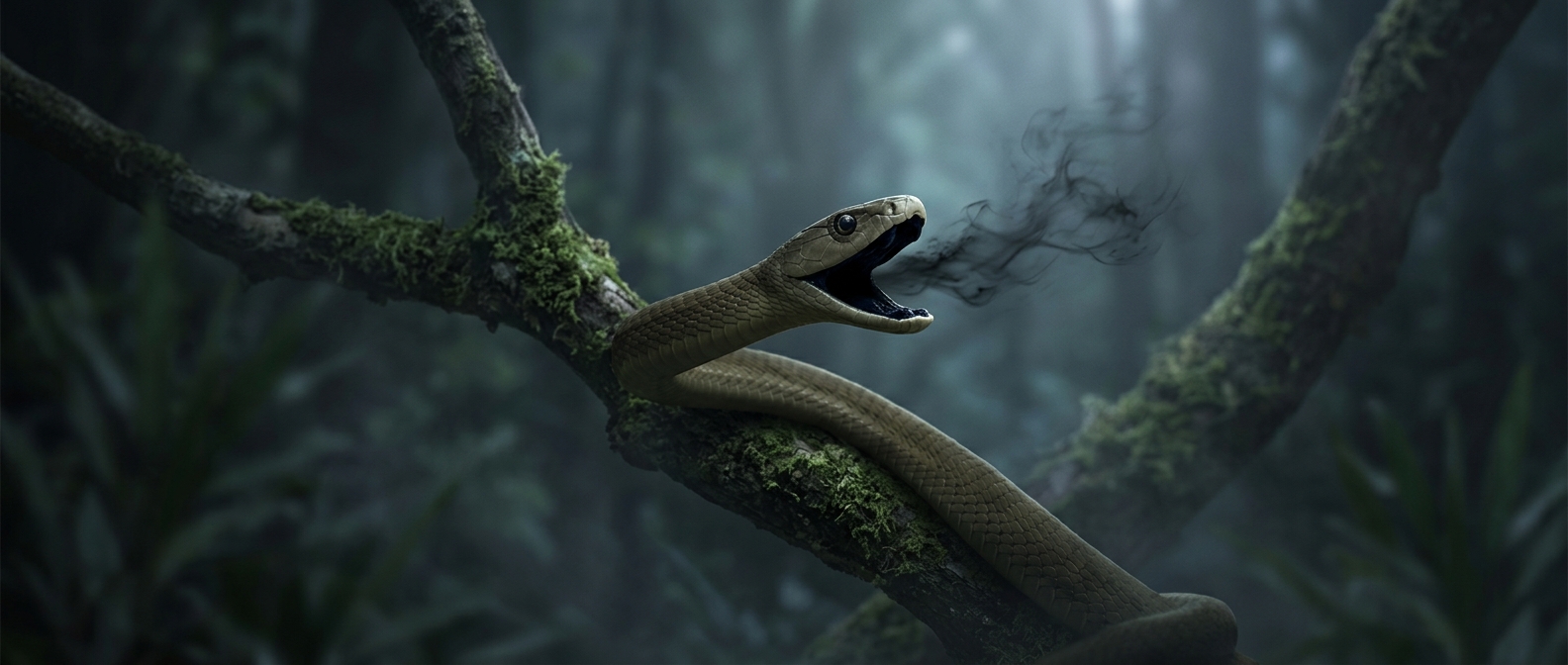
Black mambas aren't named for their color
Despite the terrifying moniker, the snake itself is usually a dull olive or gray. The legendary black mamba derives its fearful name entirely from the…
Discover more
A small decibel increase can mean a huge jump in sound
The decibel scale is a numerical lie designed to keep things looking perfectly normal. Instead of increasing steadily, every few steps up actually represents…
Discover more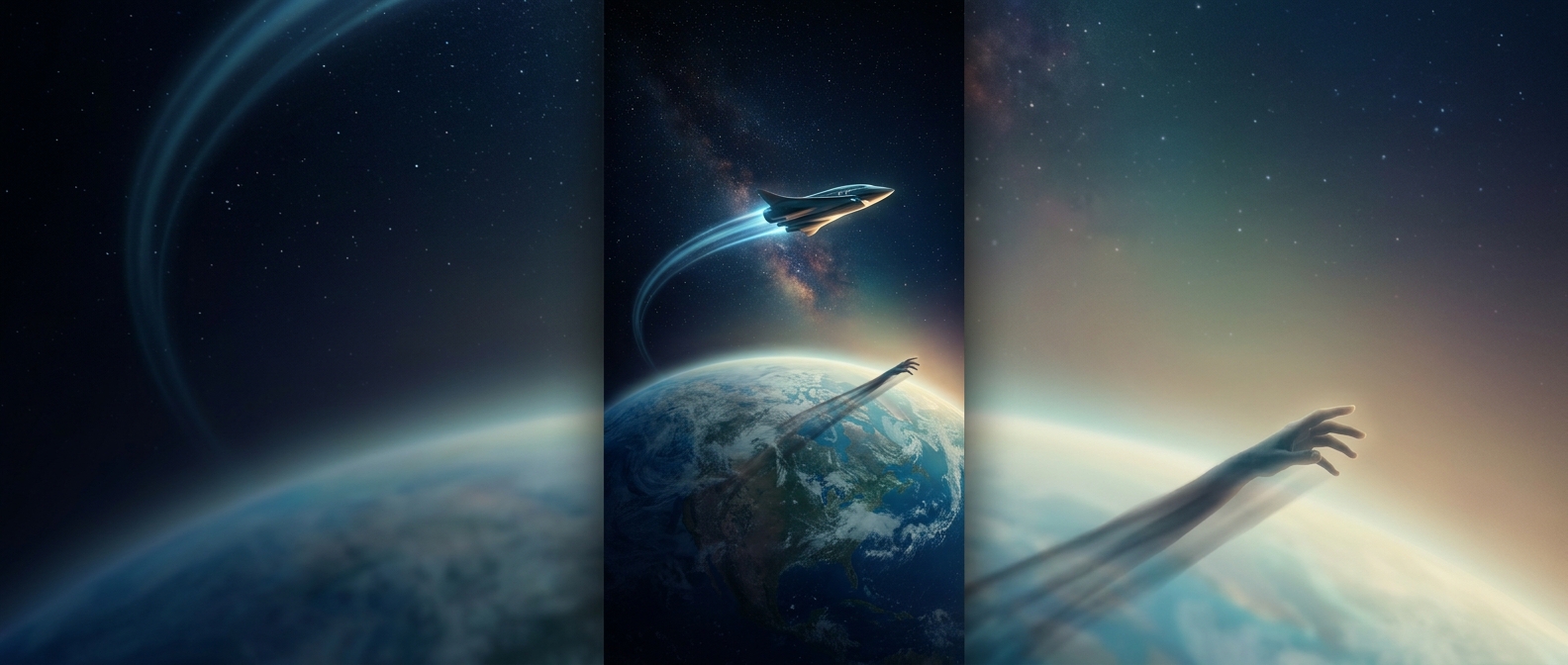
Astronauts return from orbit slightly younger
Astronauts do not just leave the atmosphere; they ever so slightly leave our timeline. Due to the incredible speeds required to maintain orbit, they…
Discover more STACKY FOR IPHONE
A bigger world.
One discovery
at a time.
Keep discovering with Stacky. Interesting facts in an app that is always within reach.

A “journey” once meant just one day
Before we started using it to describe finding ourselves on a month-long backpacking trip, 'journey' came from the Old French word 'journée', meaning a single…
Discover more
Saturn V launches shook seismographs
Environmentalists might want to look away, as early lunar launch vehicles consumed propellants at a rate that defies basic comprehension. Pushing thousands of…
Discover more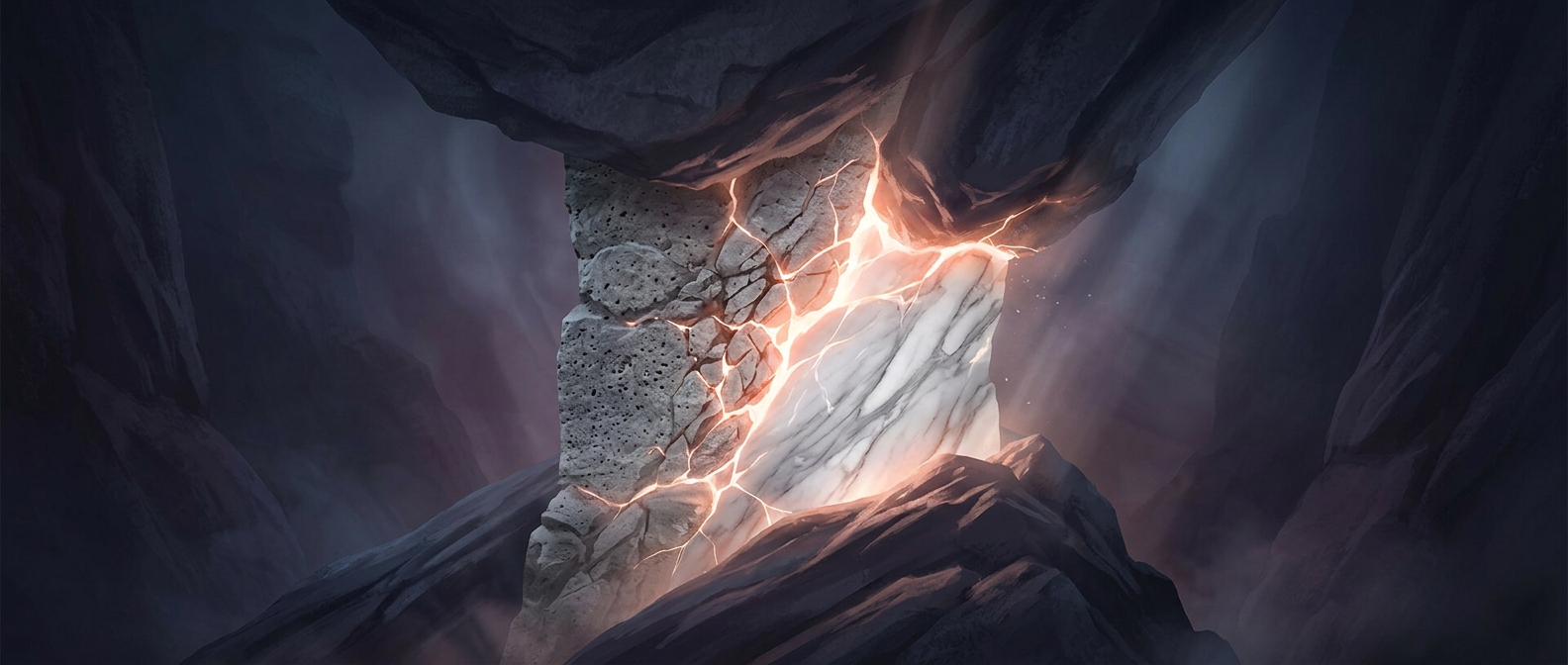
Your marble countertop began as limestone
People pay massive fortunes for luxury marble countertops, completely ignoring its incredibly humble geological origins. It literally starts out as basic,…
Discover more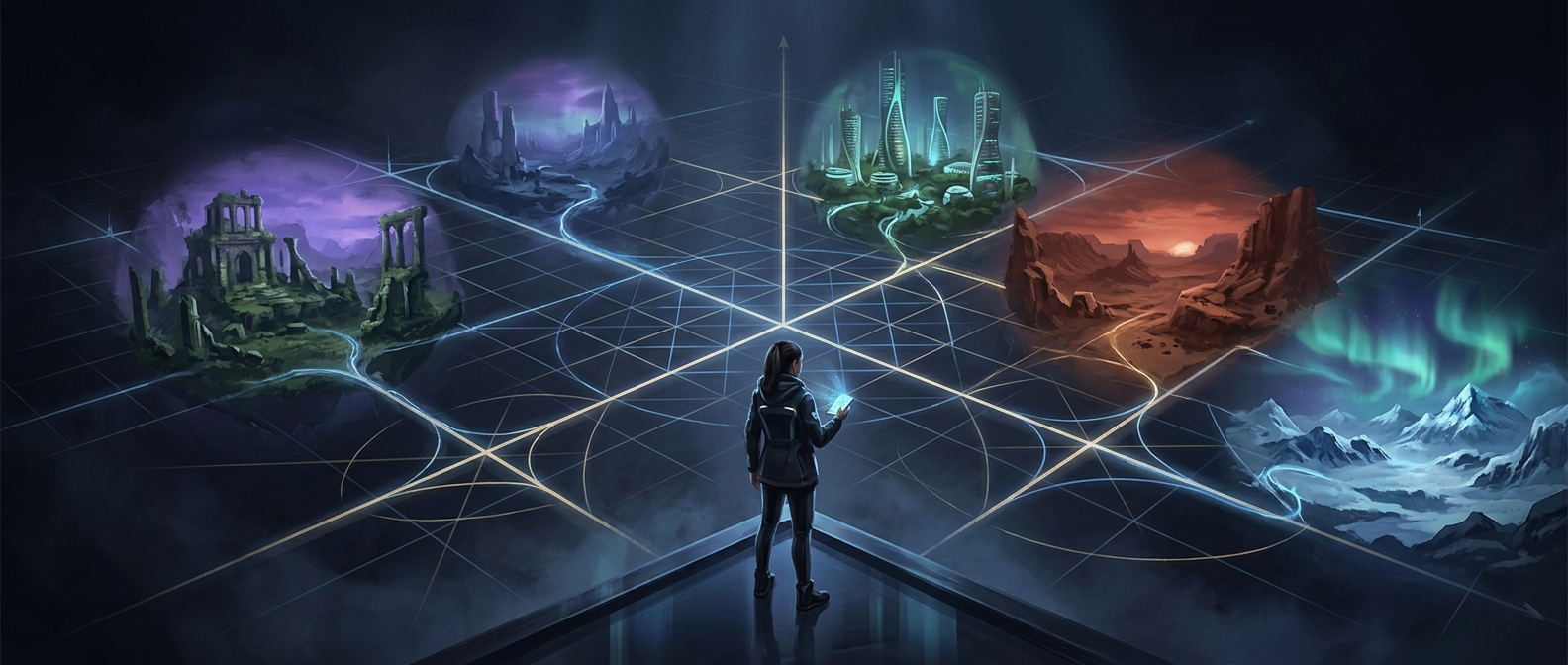
Cartesian coordinates map endless worlds
Every massive open world is just middle school graphing homework on steroids. Your glorious journey through uncharted wilderness is secretly just an engine…
Discover more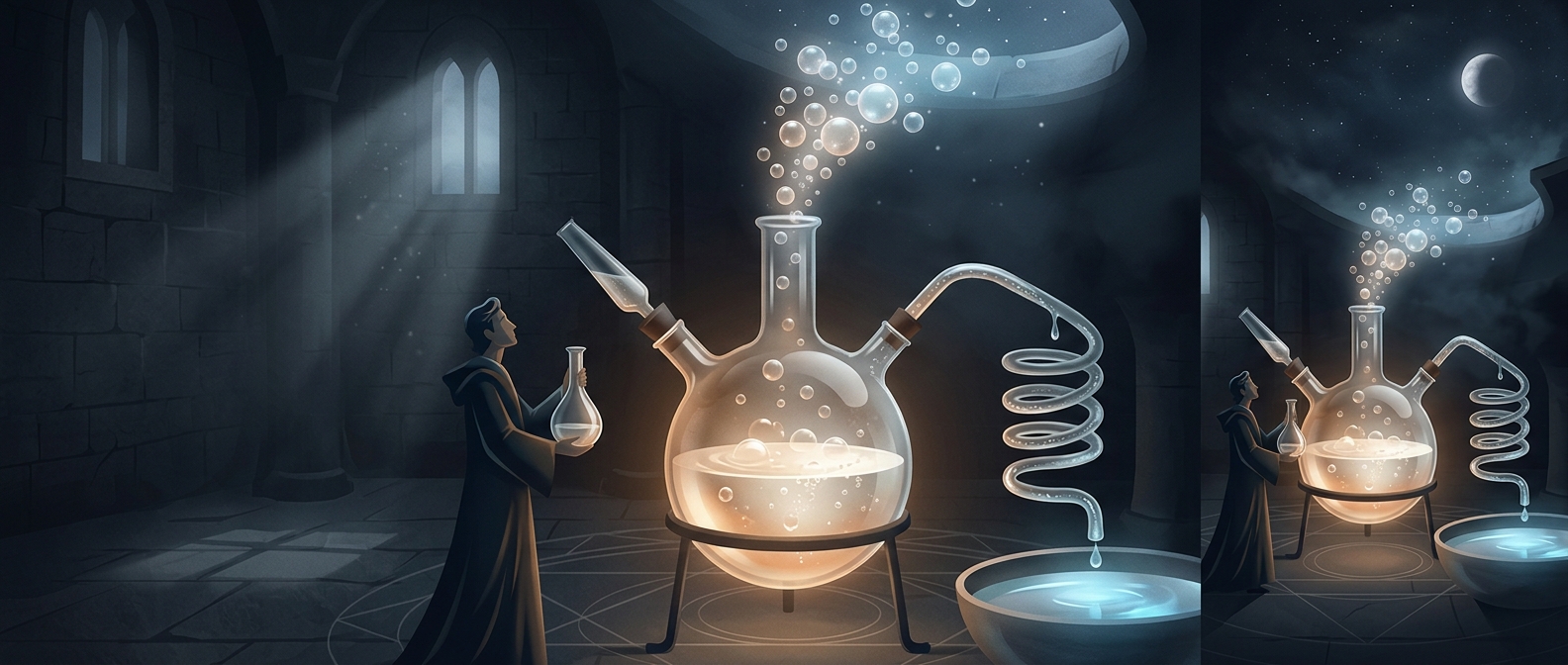
Hydrogen peroxide naturally decays into water and oxygen
That bubbling brown bottle under your sink is constantly, slowly tearing itself apart. Over time, the inherently unstable extra oxygen atom breaks free,…
Discover more
Pilgrims were once simply strangers abroad
Coming from the Latin 'peregrinus', meaning foreigner or stranger, a pilgrimage originally didn't just mean a religious journey. It literally just meant being…
Discover more
Retroviruses permanently splice directly into host genomes
They don't just visit your cells; they aggressively rewrite your biological software and throw away the backup. Viruses like HIV utilize a chaotic enzyme…
Discover more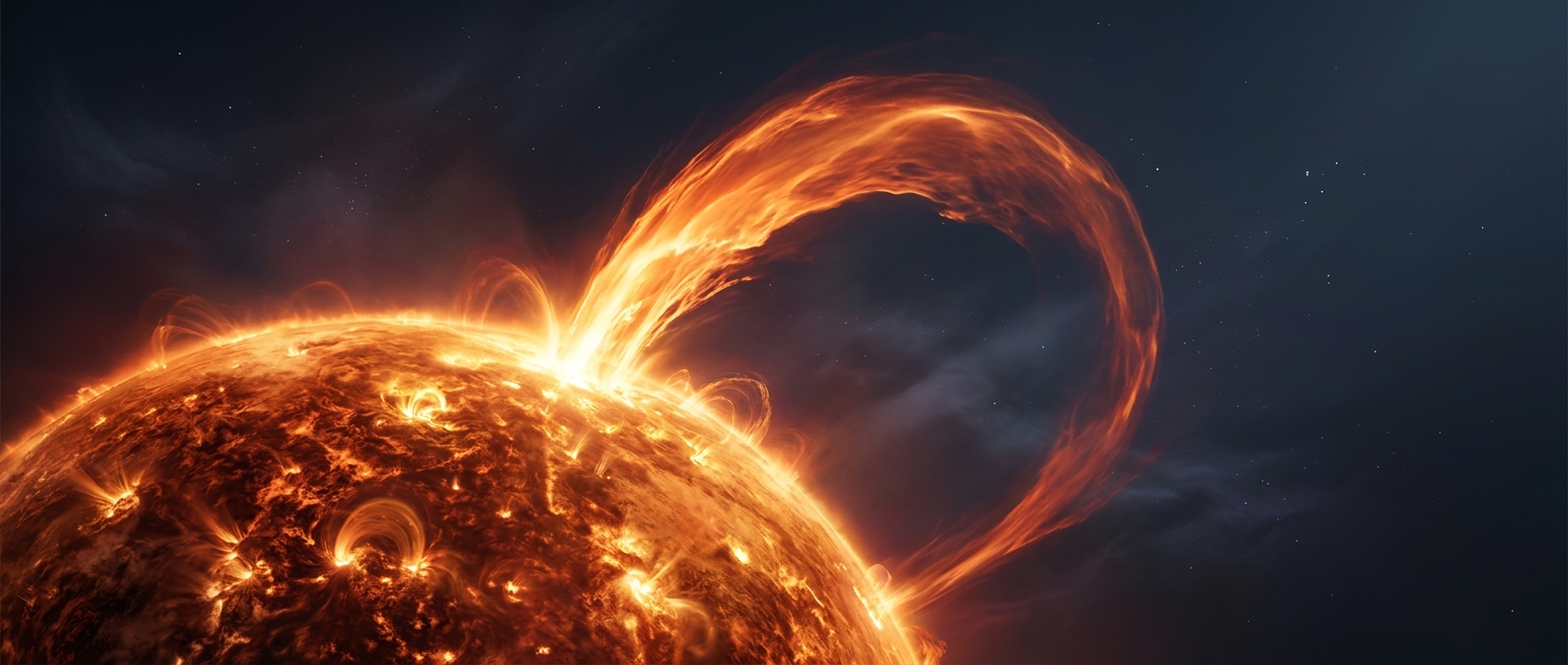
The Sun is covered in geysers of superheated gas
The serene glowing disc in the sky is actually violently trembling. Millions of spicules, which are essentially towering supersonic geysers of superheated…
Discover more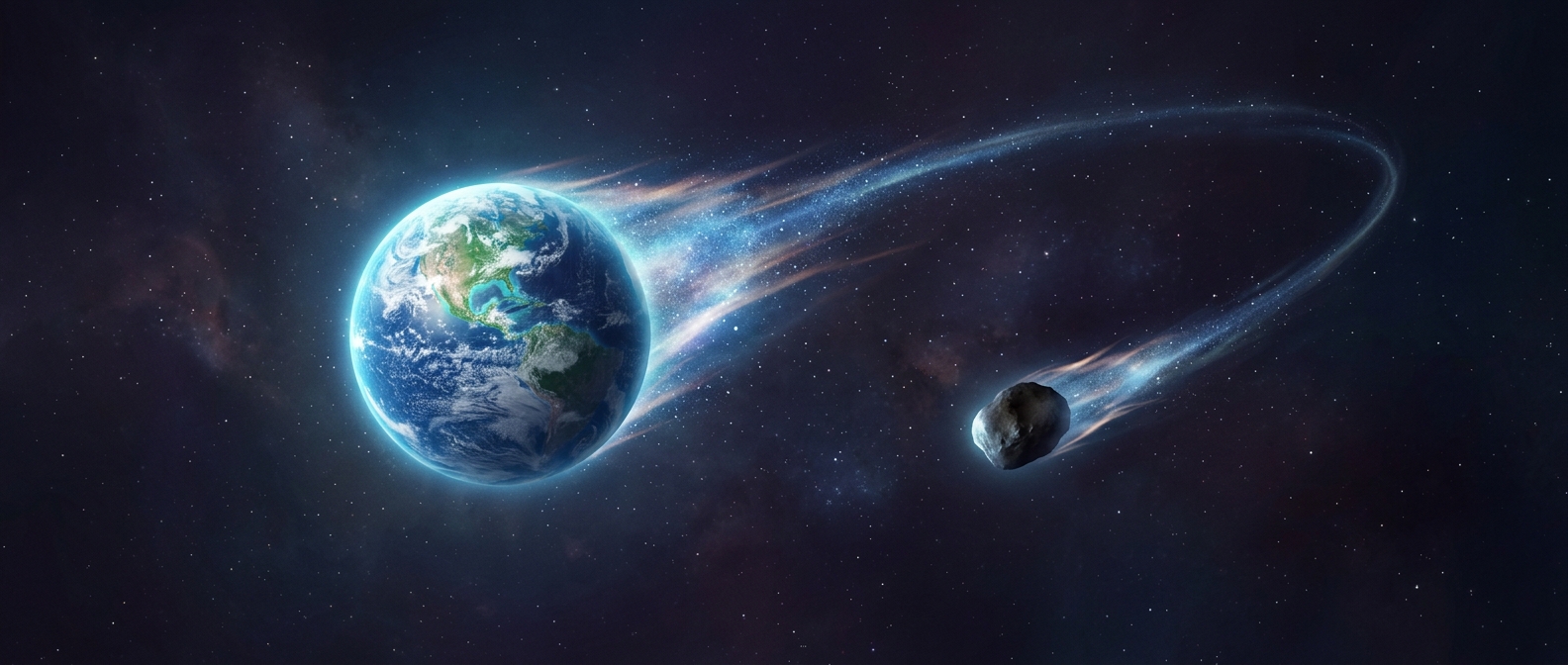
Earth's quasi-moon won't leave its neighborhood
Our planet is the lonely protagonist of the solar system, but it turns out we have a slightly creepy stalker. Kamoʻoalewa is an asteroid roughly the size of a…
Discover more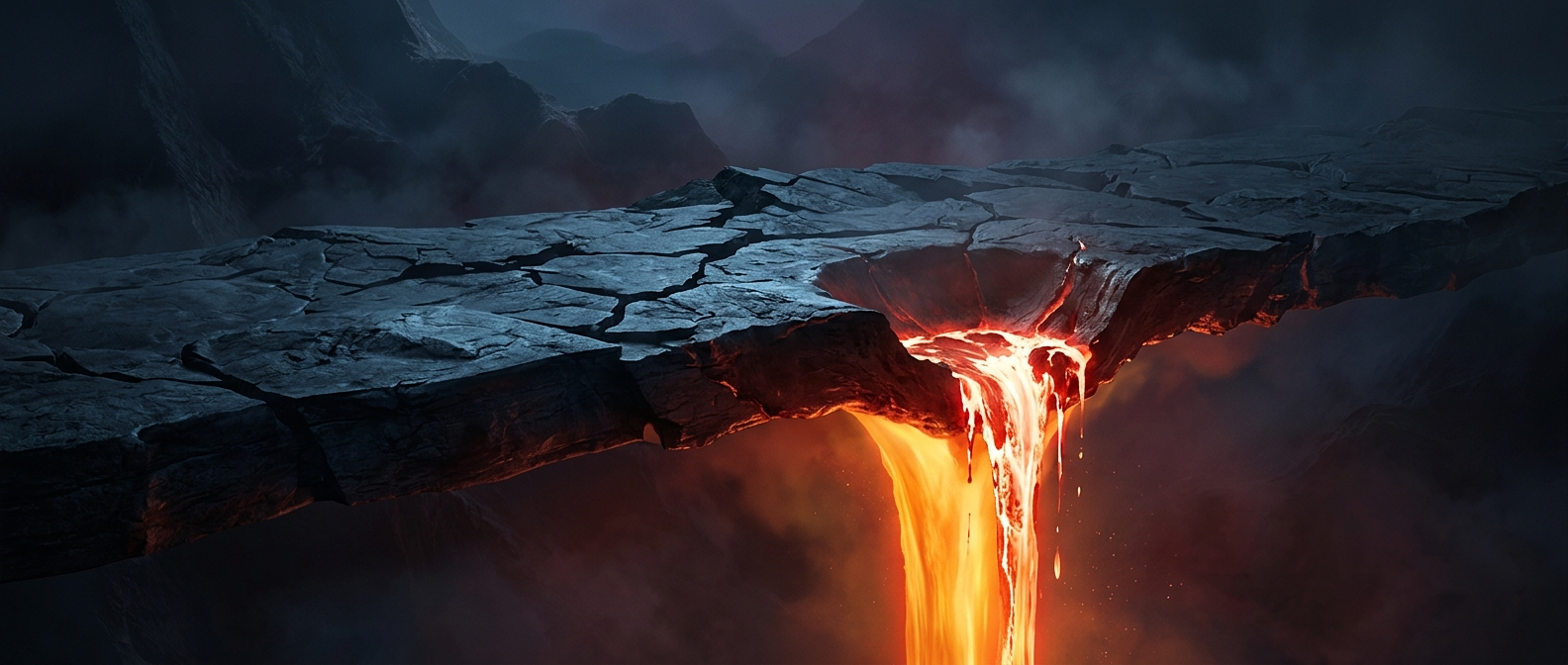
Stationary mantle plumes melt passing tectonic plates
Imagine holding a candle under a very slowly moving sheet of plastic. Deep underground, superheated columns of magma stay perfectly still while the crust…
Discover more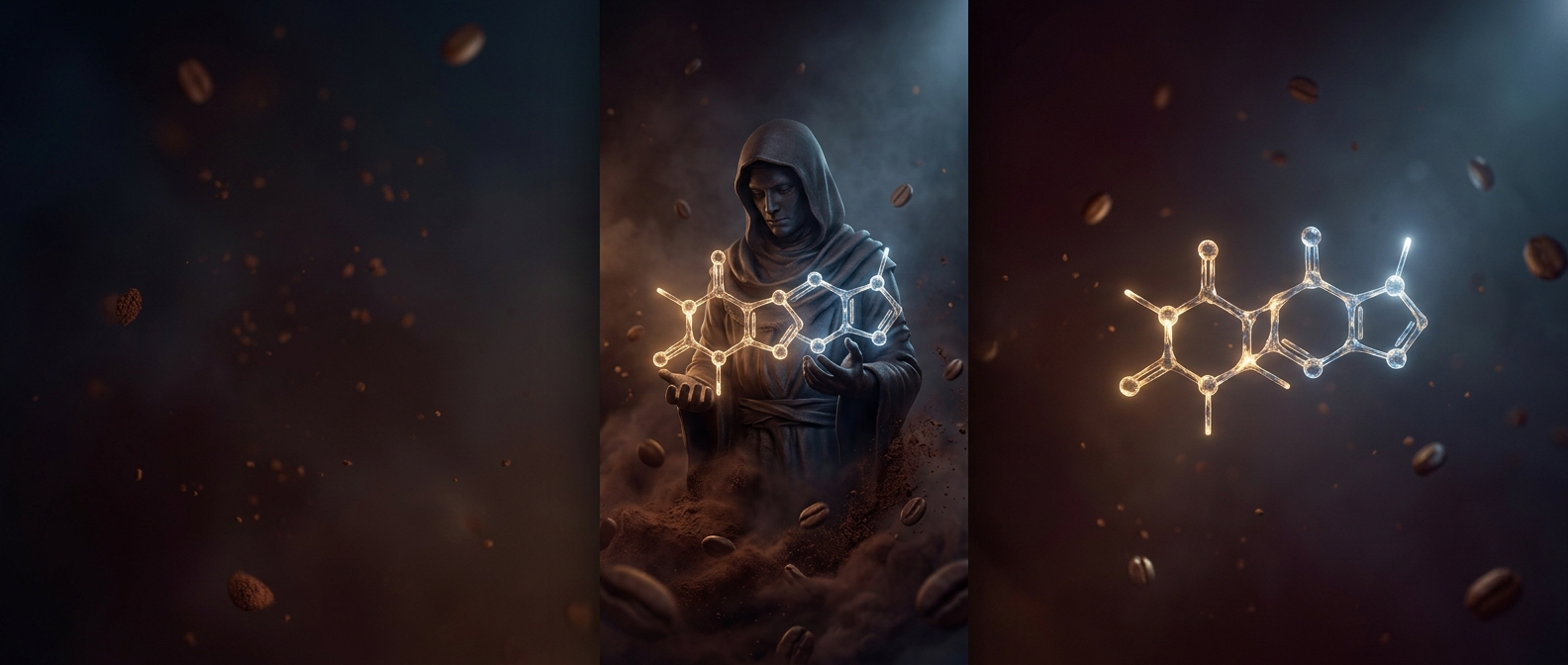
Chocolate's stimulant is caffeine's milder cousin
The primary stimulant found in cocoa is chemically a very close cousin to caffeine, just missing one methyl group. It provides a similar, albeit weaker,…
Discover more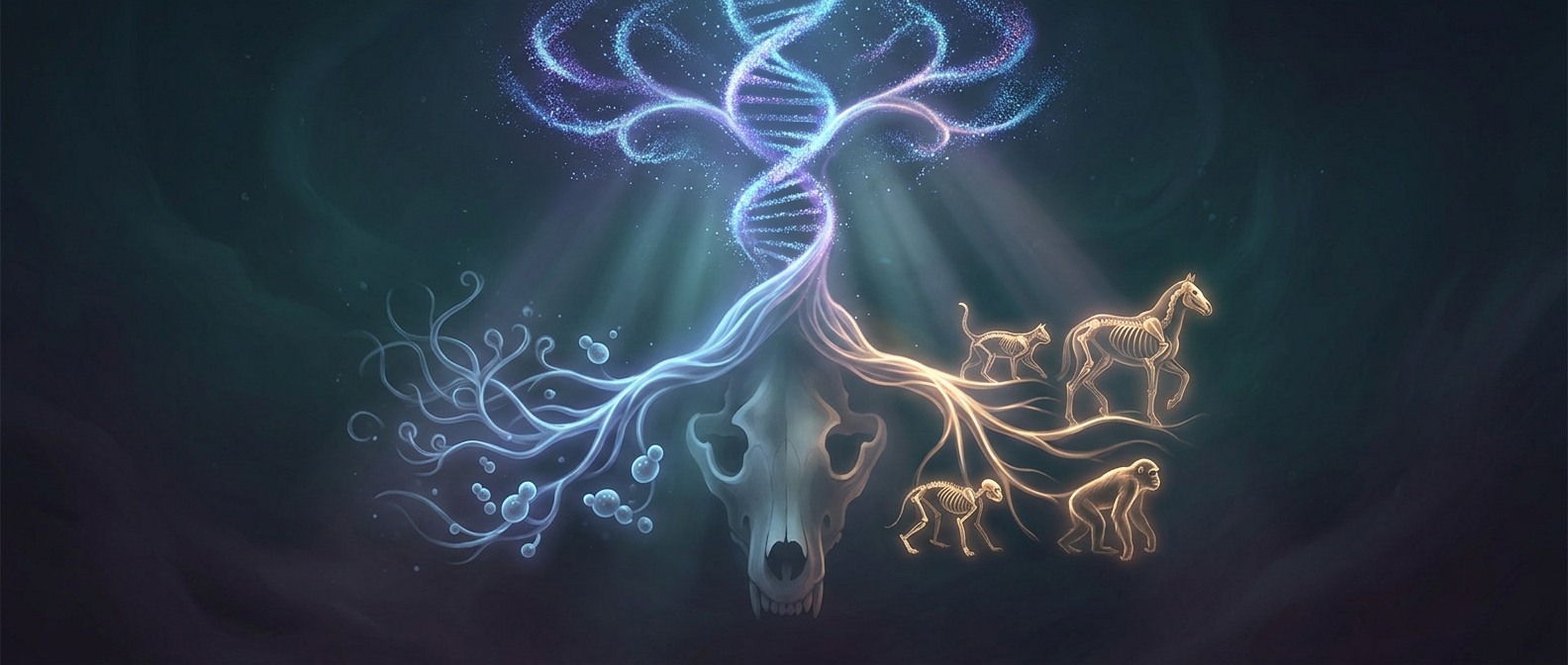
Humans share ancient genes with baker's yeast
We look in the mirror and confidently see apex predators, but our DNA still warmly remembers its time as a fungus. Due to ancient evolutionary splits, humans…
Discover more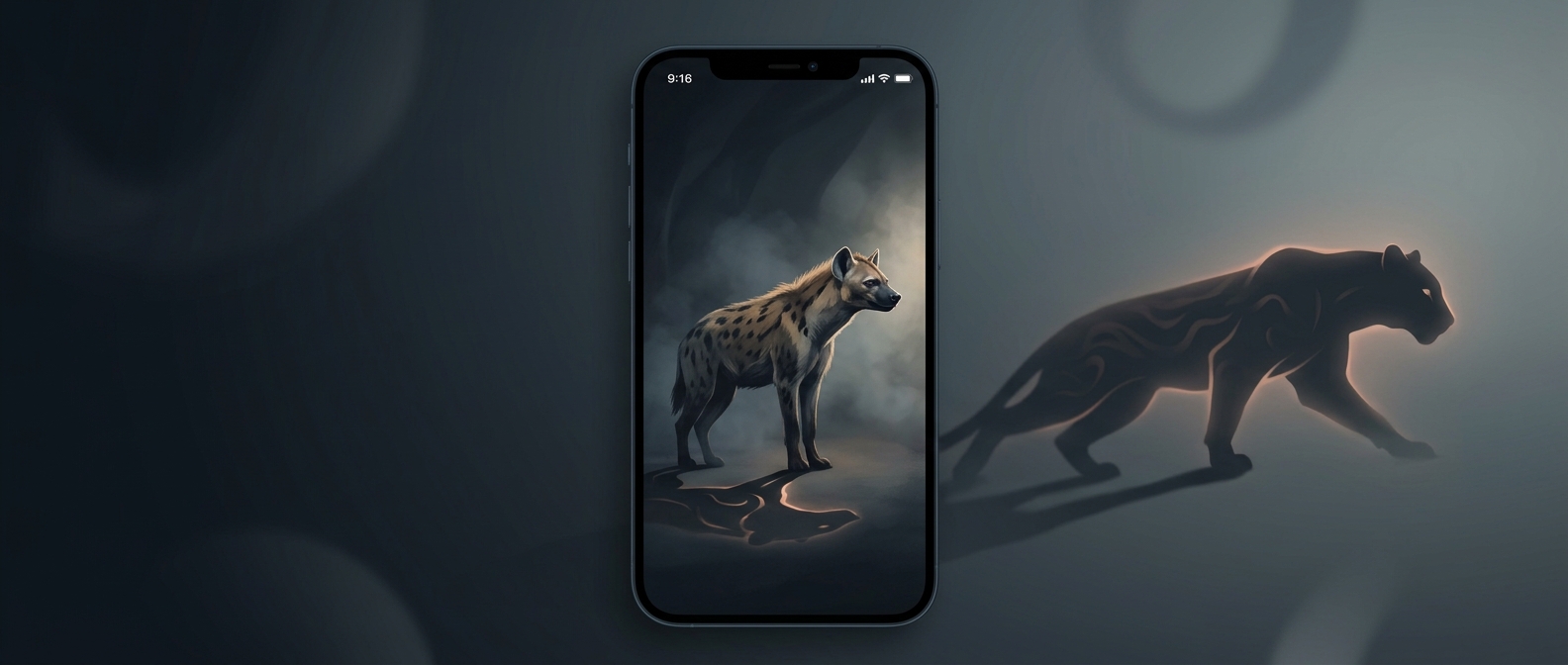
Hyenas look like dogs but are closer to cats
They look like dogs, hunt like wild dogs, and bark like dogs, but evolutionary biology loves a good prank. Hyenas actually belong to the suborder Feliformia,…
Discover more
Why smoke rings can travel across a room intact
Blowing smoke rings is actually a masterclass in advanced fluid dynamics. A vortex ring is a doughnut-shaped swirl of fluid that constantly rotates inward…
Discover more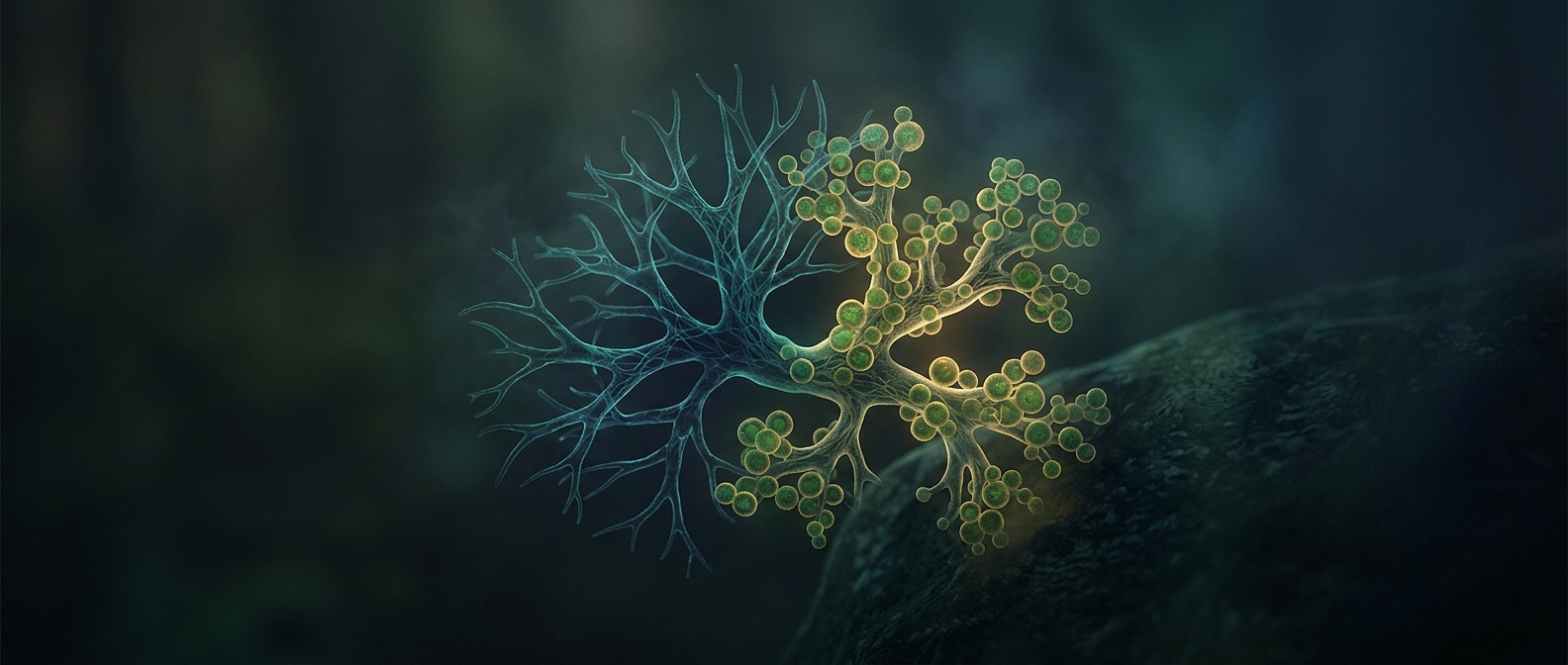
Lichen is a survival pact between fungus and algae
Next time you feel co-dependent, remember that lichen is literally a hostage situation. It is a biological mashup of a fungus and an algae living together.…
Discover more
Software ports act as invisible doors for traffic
Your machine has thousands of invisible gates waiting for deliveries. Digital ports assign specific traffic to specific channels, which is why web browsing…
Discover more
Why Mars time is just long enough to disrupt your sleep
If humanity ever relocates to Mars, our circadian rhythms are going to be mildly but permanently infuriated. A single rotation of Mars (called a 'sol') takes…
Discover more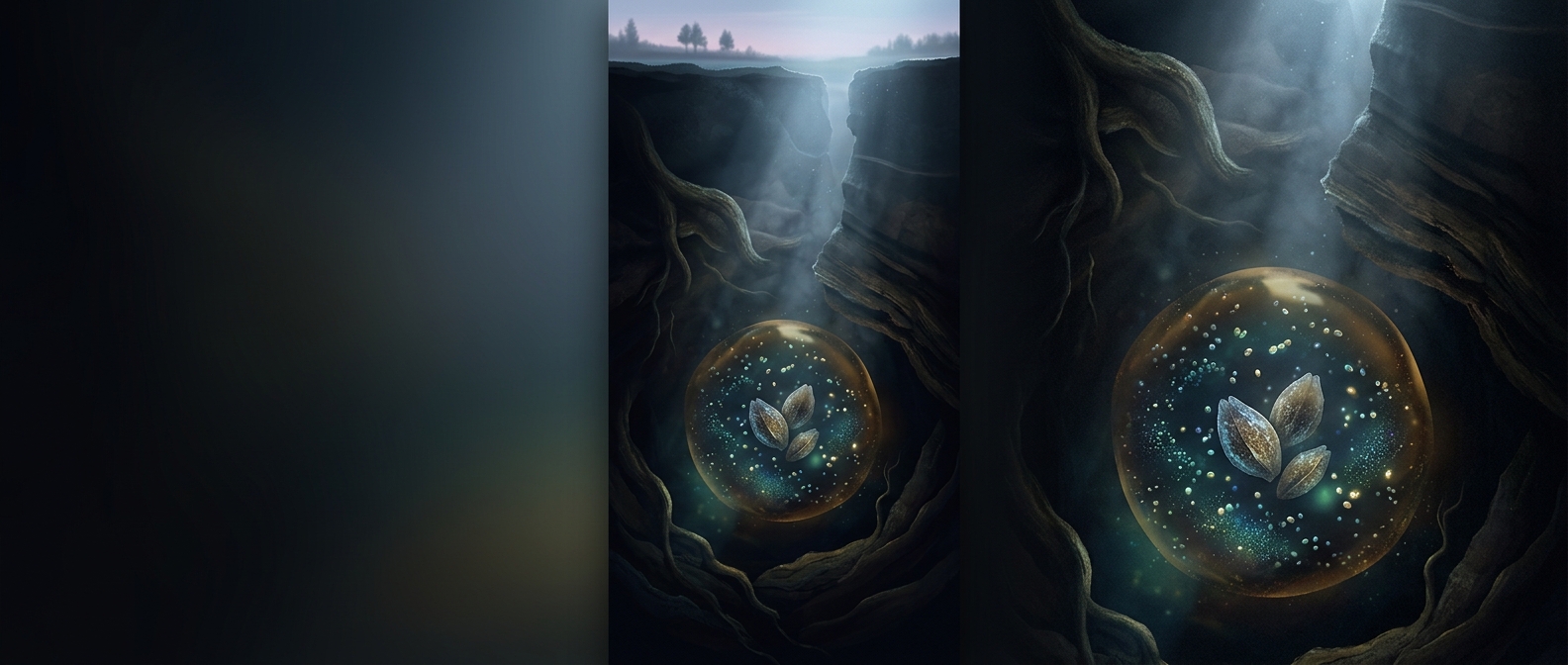
Some fungal spores can sleep for centuries
Fungi have perfected the art of ghosting the world until the vibes are exactly right. Certain fungal spores enter a state of extreme metabolic suspension when…
Discover more