How a spore waits out a bad season
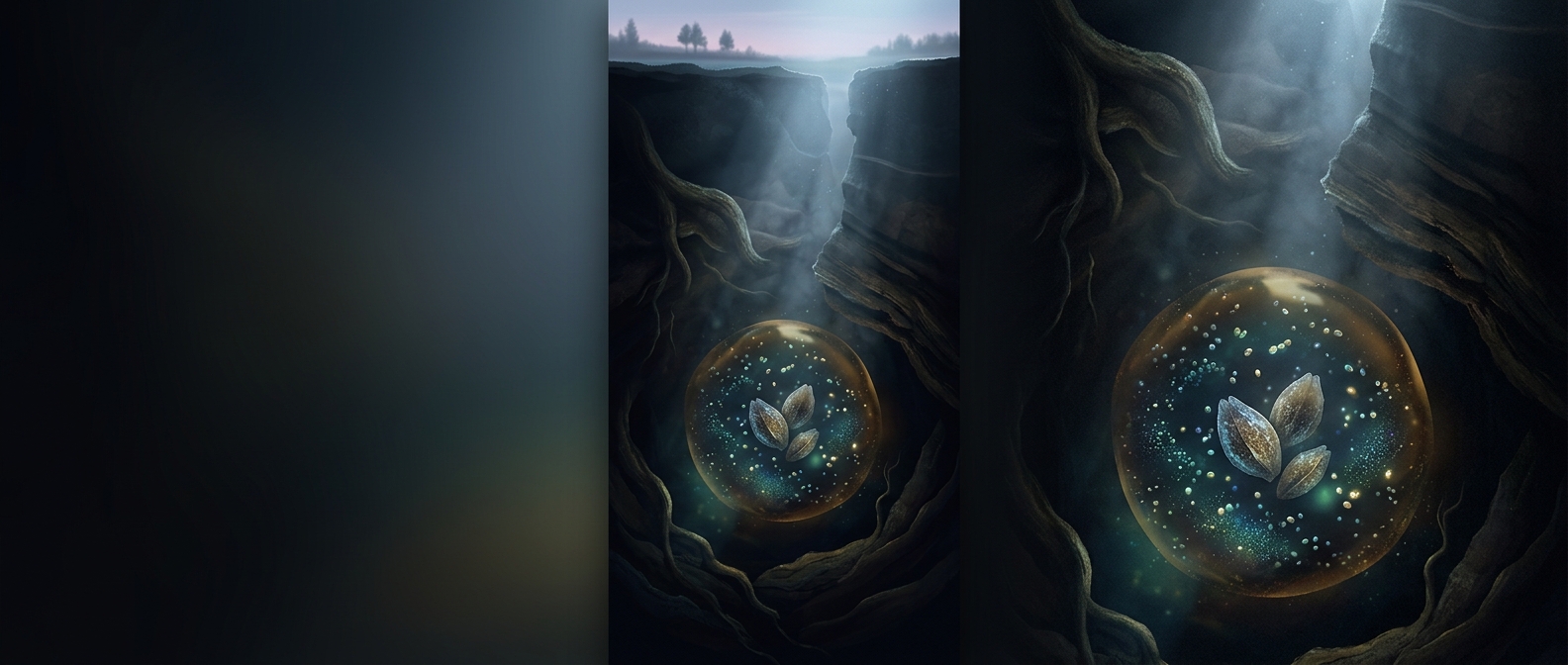
A fungal spore is a compact reproductive cell built to travel and, in some species, endure. When conditions are poor, it can enter dormancy: a state in which growth stops and chemical activity falls to a very low level. The spore is not switched off completely, but it spends little of its stored energy while it waits.
Its protection comes partly from its construction. A tough outer wall can limit damage from drying and other environmental stresses, while the cell’s chemistry helps protect essential parts such as its DNA and proteins. These defenses differ among fungi, so “centuries” describes the exceptional staying power of some spores, not a lifespan shared by all.
What brings it back to life
A dormant spore can respond when the environment becomes suitable. Water is often essential: it lets the cell rehydrate and restart the reactions needed for growth. Depending on the fungus, other cues—such as available nutrients or a favorable temperature—can help trigger germination, the process by which the spore begins growing again.
That delay is useful because germinating too soon can be fatal. A spore that starts growing in a brief spell of moisture may run out of water before it can establish itself. Waiting lets it persist through unfavorable conditions and disperse to another place or season. Its remarkable endurance is not a guarantee of revival; it is a way of keeping the chance of revival open until the surroundings offer a better opportunity.