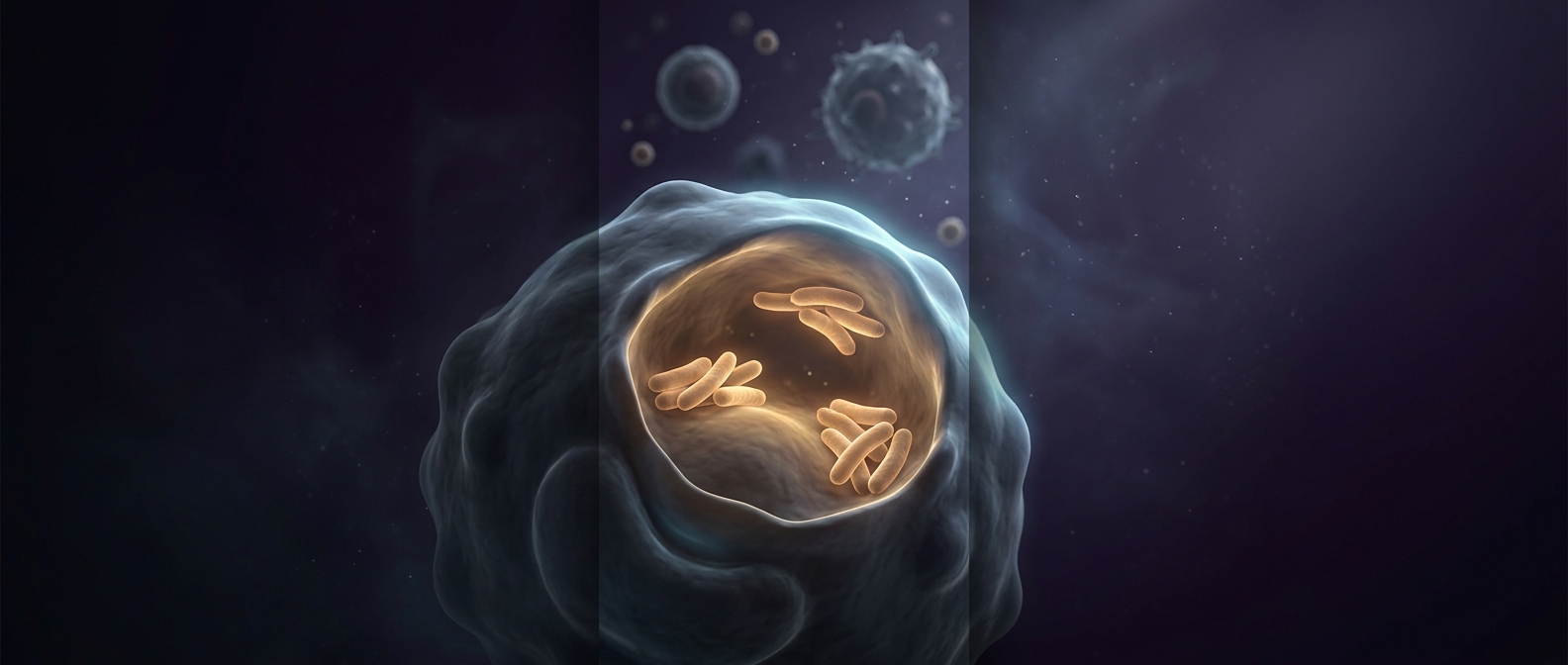
How TB bacteria interrupt a macrophage’s cleanup route
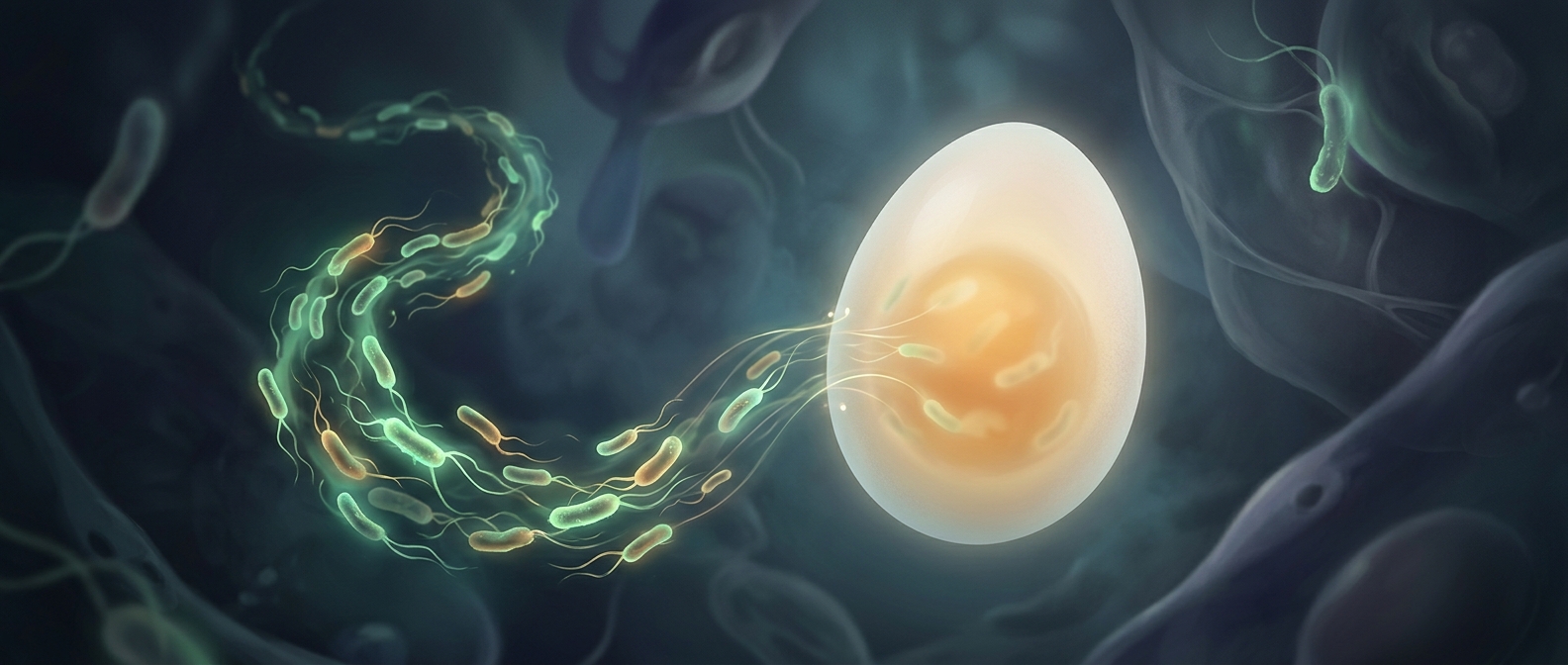
A macrophage is an immune cell that engulfs invading microbes. Once it has swallowed one, the microbe is enclosed in a small membrane-bound compartment called a phagosome. The cell normally sends that compartment to merge with a lysosome—a chamber loaded with digestive enzymes and other tools that break down germs.
Tuberculosis bacteria can interfere with this maturation and merging process. The phagosome does not become a fully effective digestive chamber, so the bacteria avoid some of the conditions that would normally destroy them. The macrophage has captured its target, but the crucial next step—delivering it to the cell’s destructive machinery—has been disrupted.
A refuge that can become a foothold
This is more than a way to survive the first encounter. By remaining inside macrophages, TB bacteria can persist in tissue where immune cells are already gathering to contain the infection. The same cell that would ordinarily help eliminate an invader can therefore become a protected place for it to endure.
That reversal helps explain why tuberculosis is difficult for the immune system to clear: recognizing and swallowing the bacteria is not enough. The cell must also complete the handoff to its digestive machinery—and TB bacteria can keep that delivery from finishing.