How Salmonella can get inside an egg
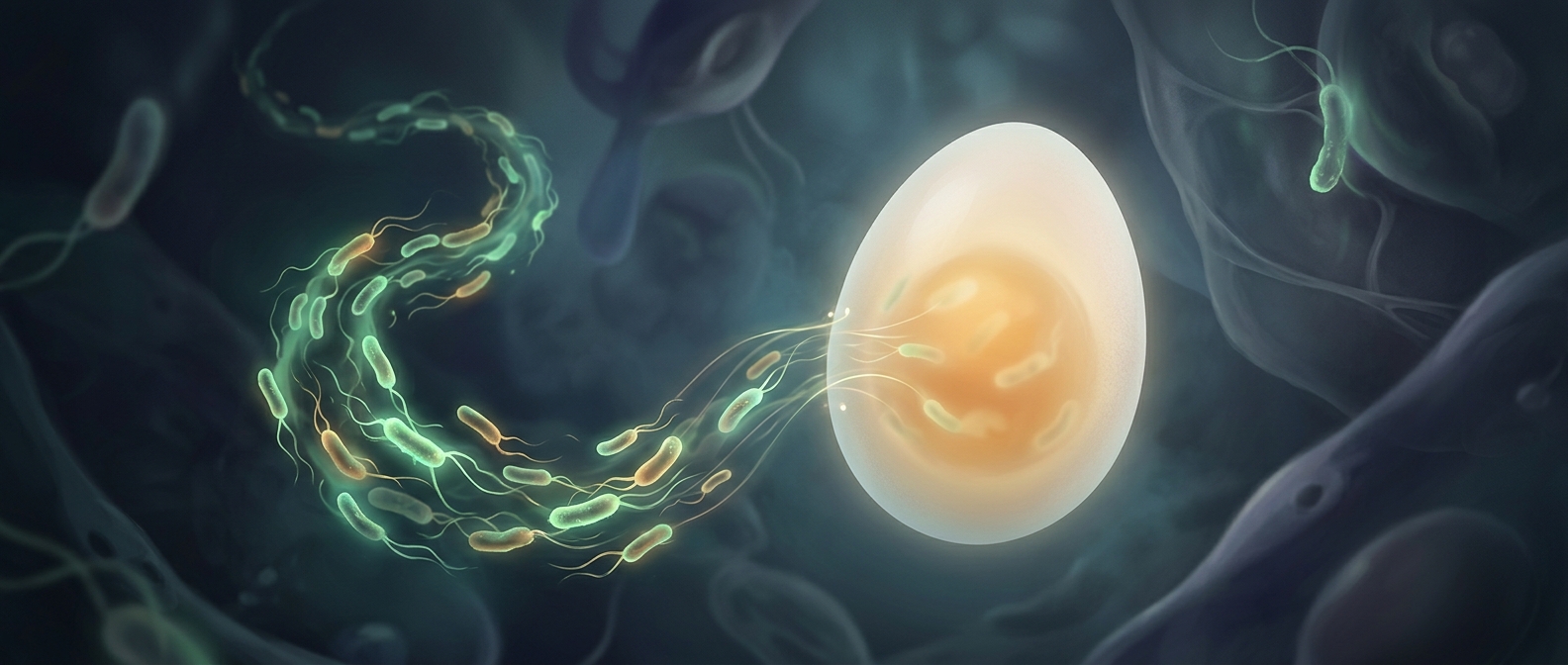
An egg’s shell forms after the yolk and egg white have already developed inside the hen. In some infections, Salmonella reaches the hen’s reproductive tract—including the ovary—and contaminates the egg’s contents before the shell is laid down. The bacteria are then inside the egg, not merely clinging to its surface.
That distinction explains why washing has limits: water can remove some dirt and microbes from the shell, but it cannot reach bacteria sealed within the egg. A clean-looking shell therefore says little about whether the contents are contaminated.
Two routes, one hidden risk
Eggs can also pick up Salmonella from the outside. Bacteria in a hen’s surroundings may contaminate a shell after it is laid, and cracks or handling can help microbes move inward. Washing addresses only this surface route; it does not undo contamination that occurred inside the hen.
The practical implication is that appearance and rinsing are not reliable tests of safety. An egg can look clean while still containing bacteria, which is why thorough cooking matters: heat can kill Salmonella within the egg, where washing cannot reach.