Why a second pass helps capybaras
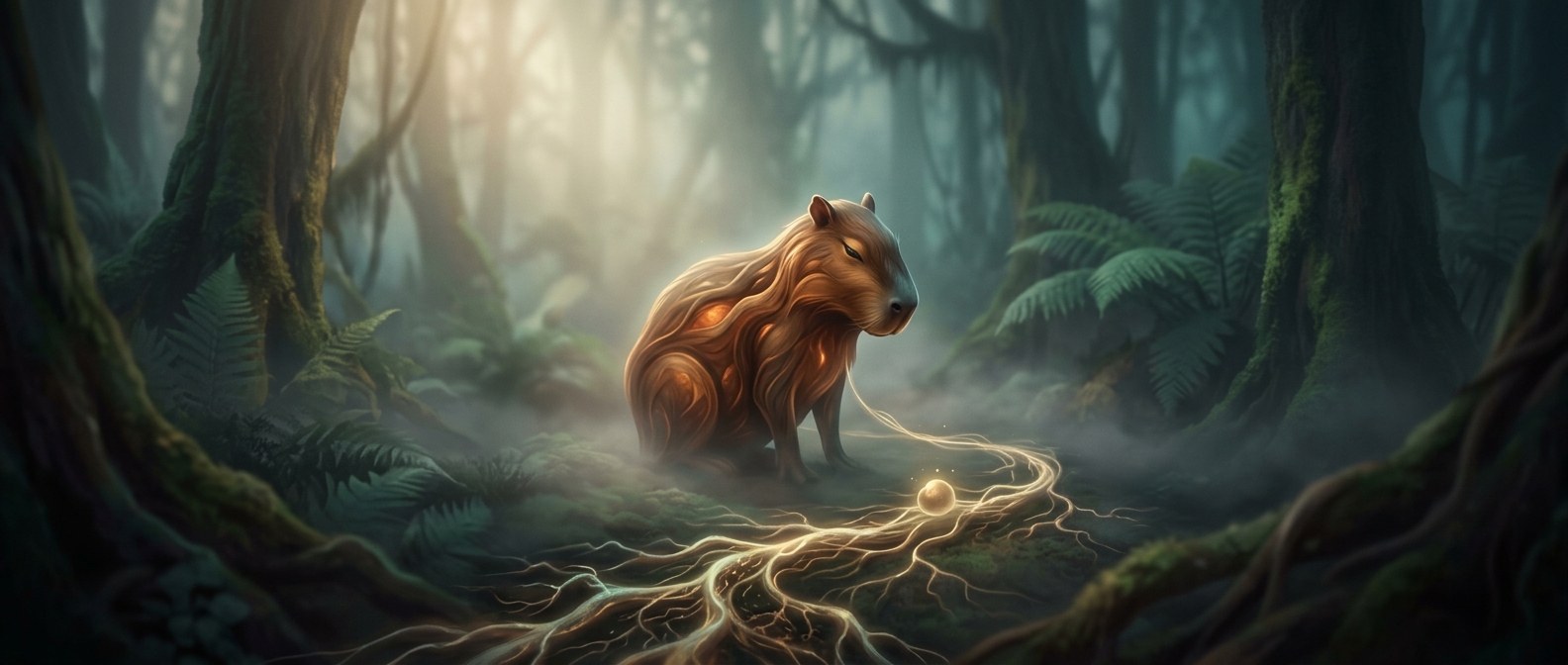
Capybaras are hindgut fermenters: microbes break down fibrous plants mainly in the cecum, a pouch near the junction of the small and large intestines. That fermentation helps unlock energy from grasses that the animal’s own digestive enzymes cannot fully break down.
But the cecum sits downstream of the small intestine, where many nutrients are absorbed. So nutrients made or released by microbes there—including microbial protein and vitamins—arrive too late for the usual route of absorption. The first trip through the gut is useful, but it leaves value behind.
Soft droppings make another route possible
Capybaras eat particular soft, nutrient-rich droppings, allowing some of that fermented material to pass through the digestive tract again. On this second trip, nutrients can travel through the small intestine, where the body is better equipped to absorb them. Reingestion also gives plant material more time in the digestive system to be processed.
This behavior, called coprophagy, is a practical adaptation for an animal whose diet is dominated by tough, low-quality vegetation. It does not mean every dropping is food: the soft material is distinct from the firmer waste that is discarded.
The consequence is a digestive system with a built-in second chance. For a capybara grazing on fibrous plants, nutrients that would otherwise leave the body can be brought back into the process.