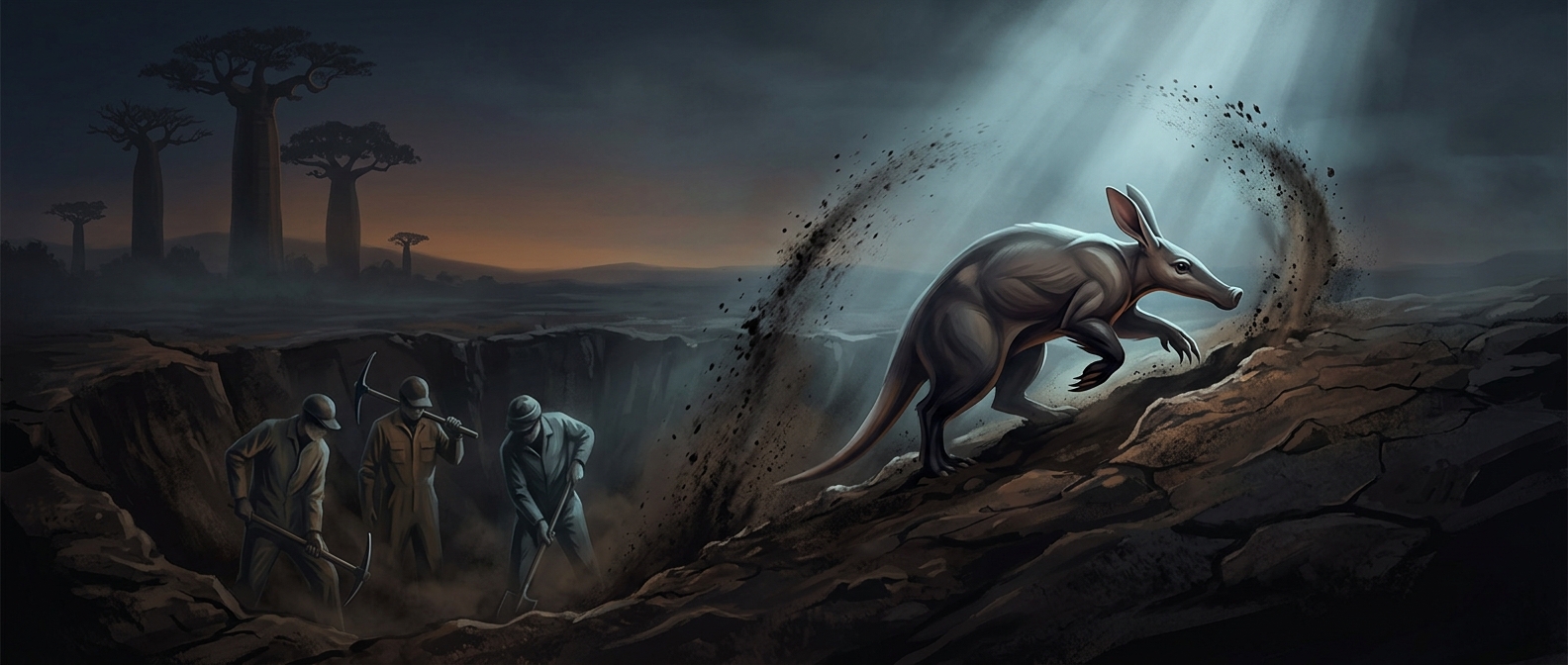
Built to move stubborn earth
An aardvark does not dig with its forelegs the way a person works a shovel. Its short, muscular front limbs brace the body while long, strong claws break into compacted ground and rake loosened soil backward. Powerful shoulders supply the force; the claws concentrate it at the digging point. That combination lets the animal excavate quickly in firm soil that can be difficult for a human using hand tools.
A burrow can begin with a meal
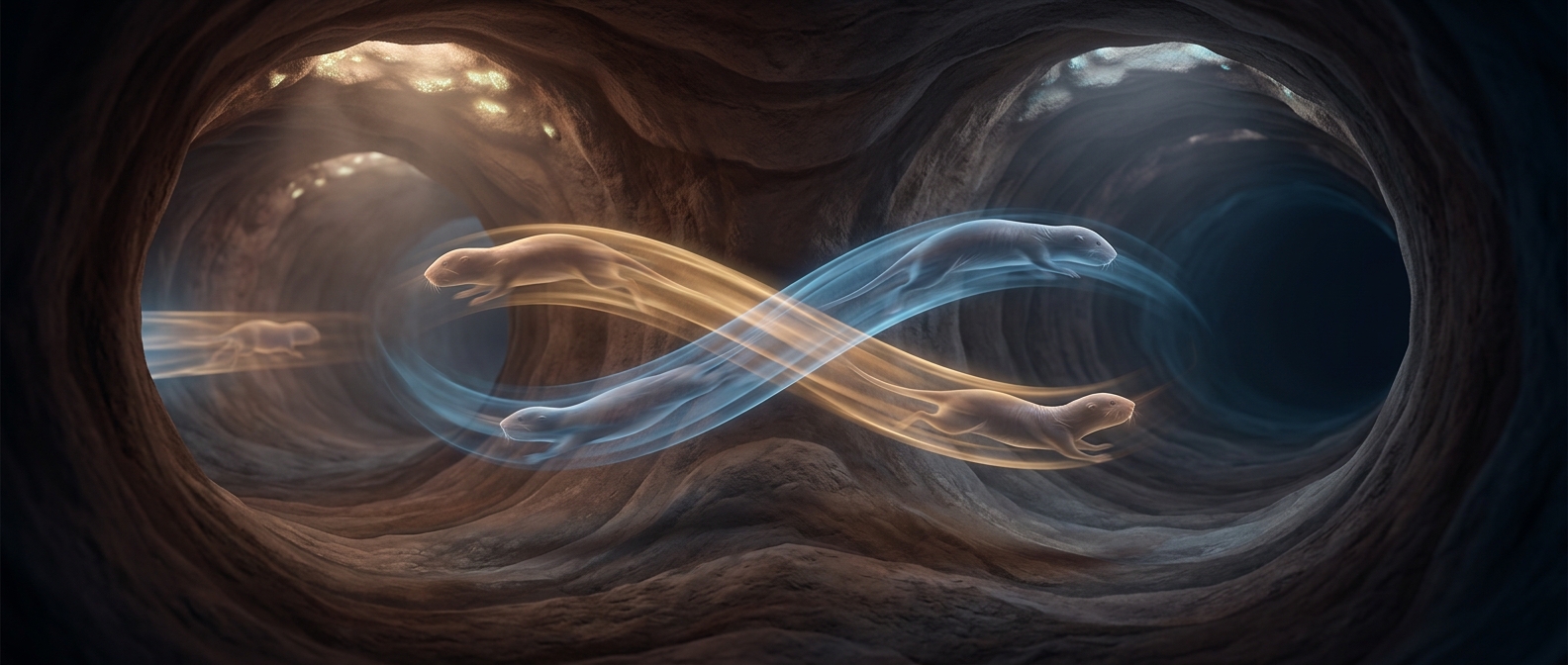
Aardvarks mainly eat ants and termites. Their digging can open insect nests, but it also creates holes and tunnels that serve as shelter. Aardvarks often use more than one burrow, returning to some and moving among others as they forage. The entrance is therefore not simply a permanent home: it is part of a changing route through feeding grounds.
The same skill becomes an escape
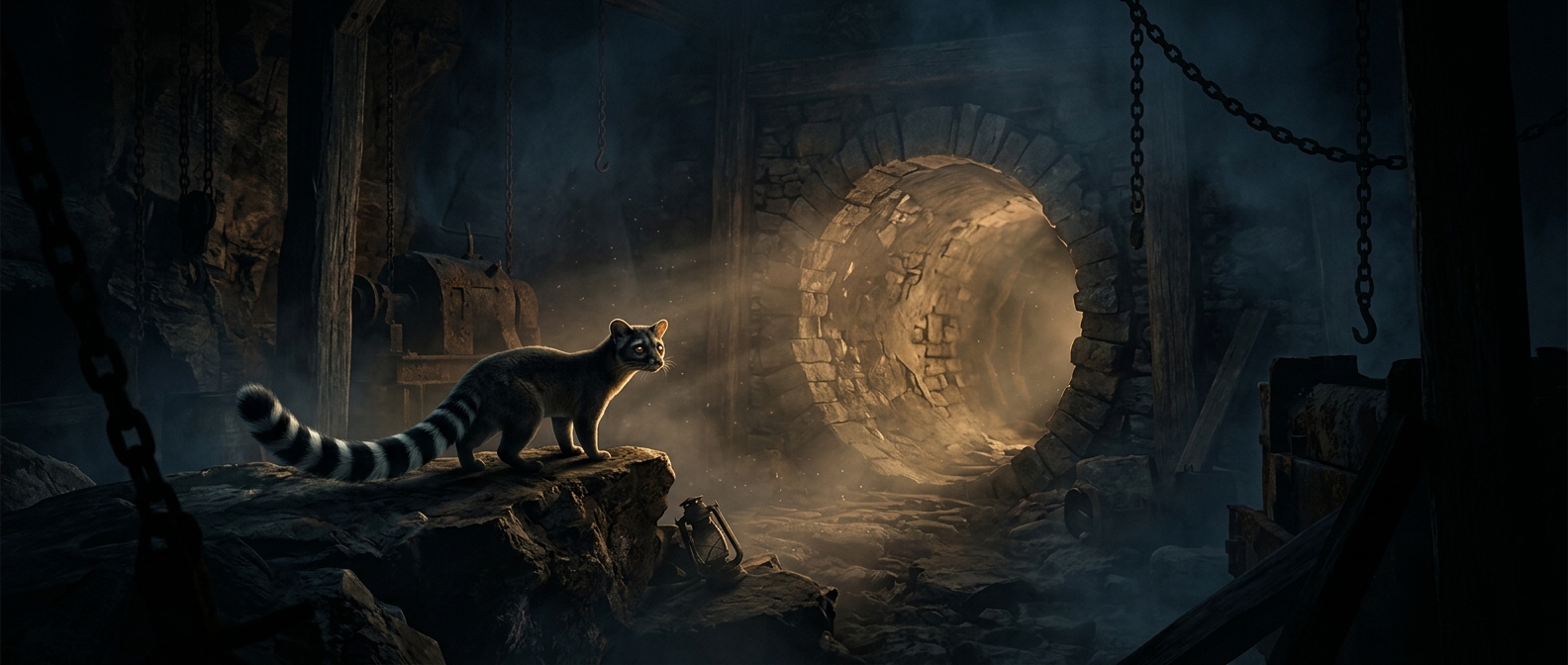
When threatened, an aardvark can retreat into a burrow or dig into the ground with striking speed. Its sturdy limbs and claws turn soil into cover, making the tunnel an emergency refuge as well as a place to rest. The useful trick is that there is little separation between finding food and getting away from danger: both depend on the ability to move earth fast. A patch of ground can become an insect meal, a shelter, and an exit within the same underground network.