Science
Discover facts about science. Small discoveries that change the way you see familiar things.
Science

Entropy strictly demands increasing systemic disorder
A crystal can become more orderly without breaking the second law, because it is not alone. As atoms settle into a neat pattern, energy and heat spill into…
Discover more
Gravity pulls all falling objects at identical rates
In a vacuum, a feather and a hammer fall with the same acceleration because gravity speeds them up equally. In air, the feather’s broad, light shape gets…
Discover more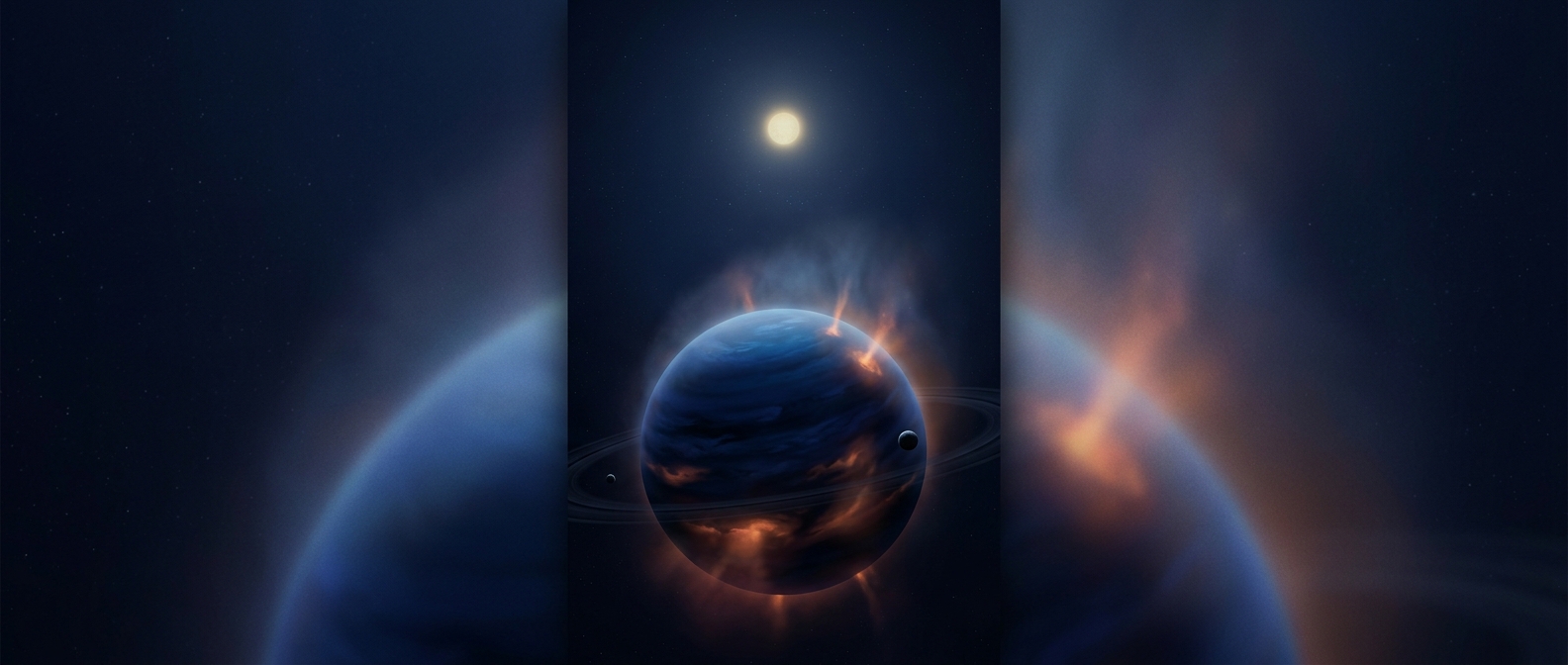
Neptune gives off more heat than it gets from the Sun
Neptune gets so little warmth from the distant Sun that its own leftover heat matters. Energy retained from the planet’s formation is thought to stir its…
Discover more
Parasaurolophus carried a possible resonator on its head
A hollow passage ran through its crest and looped back toward the skull. Scientists have investigated whether that shape helped produce and amplify calls,…
Discover more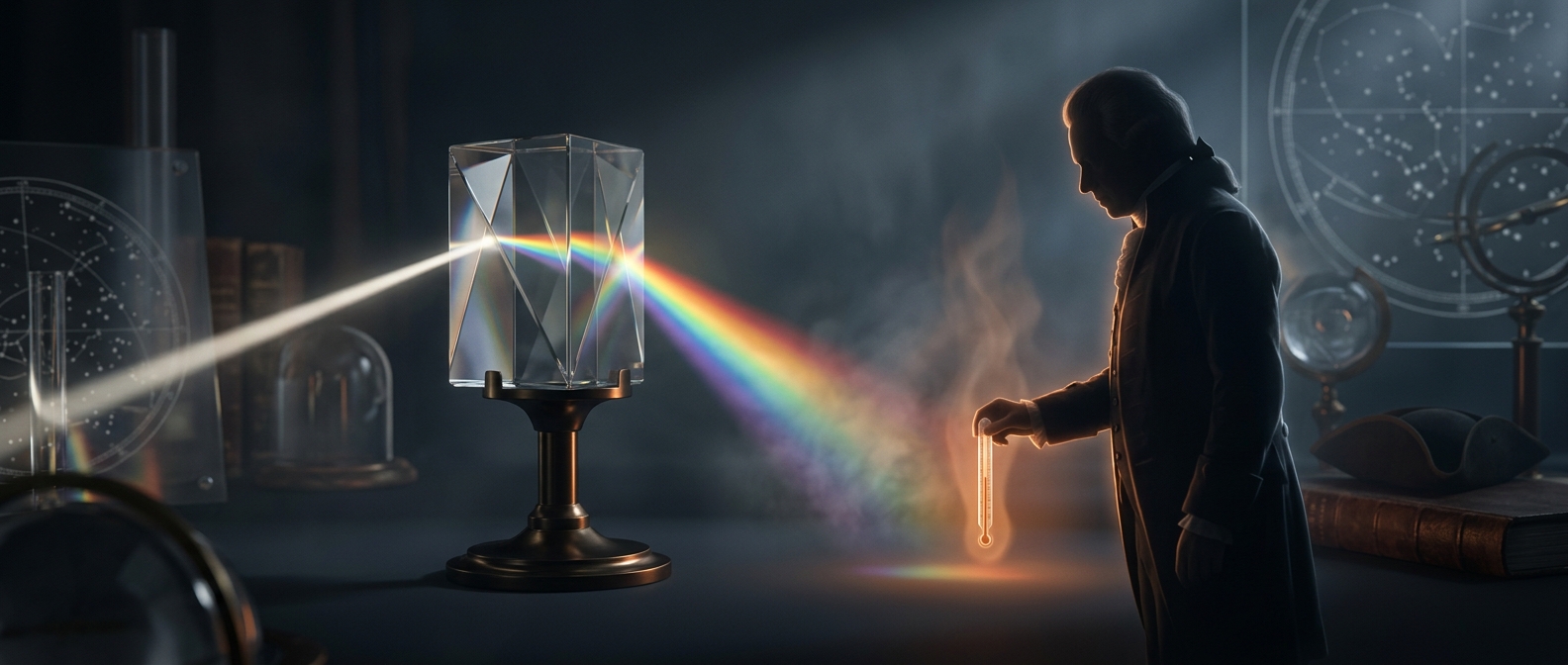
Herschel found infrared light using a glass prism
Herschel spread sunlight into a rainbow with a glass prism, then moved a thermometer beyond its red edge. The thermometer still warmed, revealing invisible…
Discover more
Prana flows through every living entity constantly
In several Indian philosophical and religious traditions, prana is described as a life force that flows through living beings and pervades the universe. It…
Discover more STACKY FOR IPHONE
A bigger world.
One discovery
at a time.
Keep discovering with Stacky. Interesting facts in an app that is always within reach.
Twin primes are prime numbers that are separated by two
The hard part is proving that prime numbers can stay exactly two apart forever. Mathematicians have shown that infinitely many prime pairs fall within some…
Discover more
When the sun unleashes millions of bomb blasts worth of energy
A coronal mass ejection begins when tangled magnetic fields on the Sun reconnect and launch a huge cloud of charged gas into space. Its energy can rival…
Discover more
The Boomerang Nebula is colder than the cosmic background
Its rapidly expanding gas cools to about one kelvin, below the roughly 2.7-kelvin cosmic microwave background. Expansion draws on the gas's internal energy,…
Discover more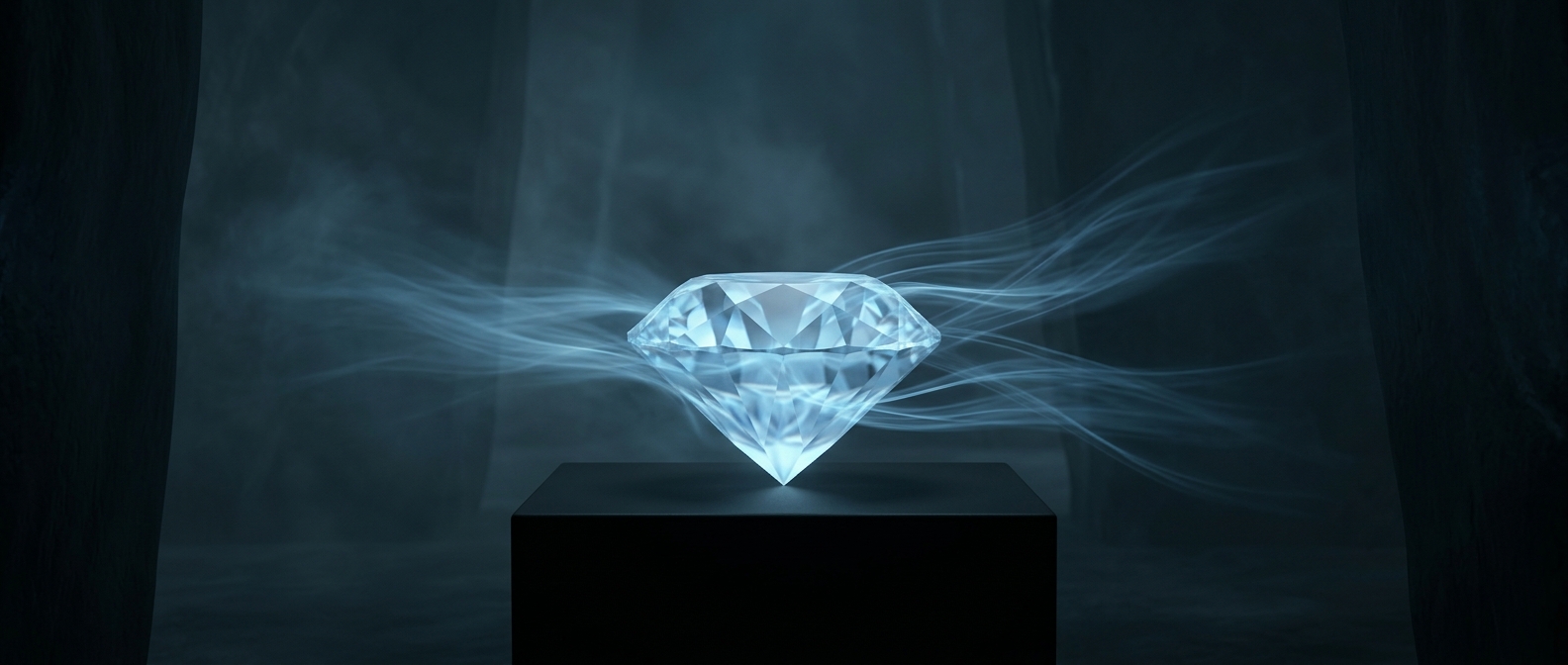
Diamond is an astonishingly good heat conductor
Diamond can cut a line through ice by carrying heat to the contact point, not by making heat of its own. Vibrations move efficiently through its tightly…
Discover more
Continental crusts remain vastly thicker than basalt beds
Continental crust sits higher because its rocks are less dense than the basalt-rich crust under the oceans. Like a thick piece of wood floating on water, it…
Discover more
Why raw apples can trigger hay fever symptoms
Some proteins in raw apples resemble proteins in birch pollen closely enough to fool the immune system. It reacts to the apple as if pollen had shown up,…
Discover more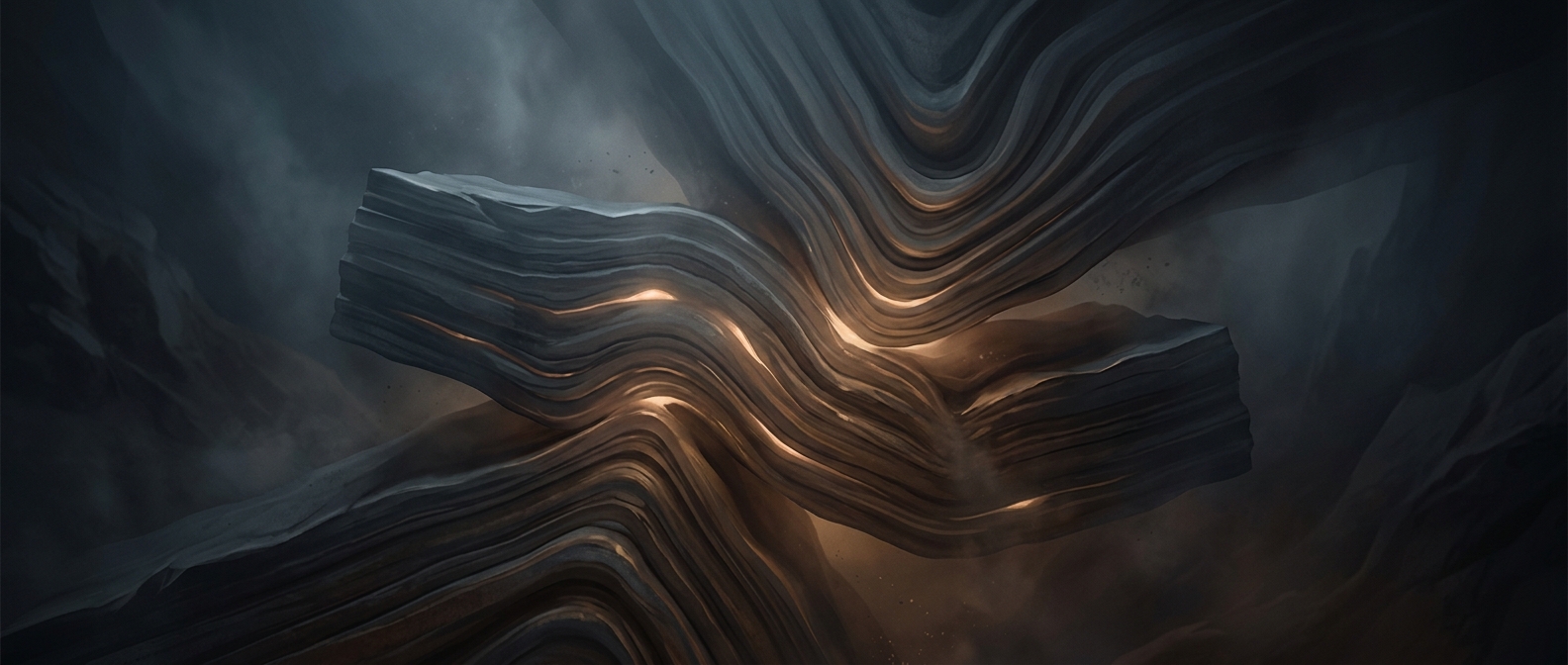
Metamorphic rocks require underground stress
A rock can be remodeled without being melted. Heat and pressure underground rearrange its minerals while it stays solid: limestone can become marble, and…
Discover more
Sound steadily travels through the solid crust of Earth
An earthquake sends vibrations through rock, and those waves can travel far beyond the shaking people feel. Seismometers pick them up, including very…
Discover more
Perfect numbers strictly equal their divisors combined
A number is perfect when its smaller exact divisors add up to the number itself: 1 + 2 + 3 = 6. The number doesn’t get to count itself in the sum, which would…
Discover more
The new element hiding inside raw platinum
After platinum ore was dissolved in acid, a different metal began to precipitate from the leftover liquid. William Hyde Wollaston recognized that this wasn’t…
Discover more
Why the metric system was created
When a unit depends on the town or the ruler, trade and measurement get messy fast. The meter was meant to be a shared standard connected to Earth’s size, and…
Discover more
Lemaitre proposed the universe was constantly expanding
In Lemaître’s model, space itself expands, carrying distant galaxies farther apart. There’s no central blast racing into empty surroundings; space is growing…
Discover more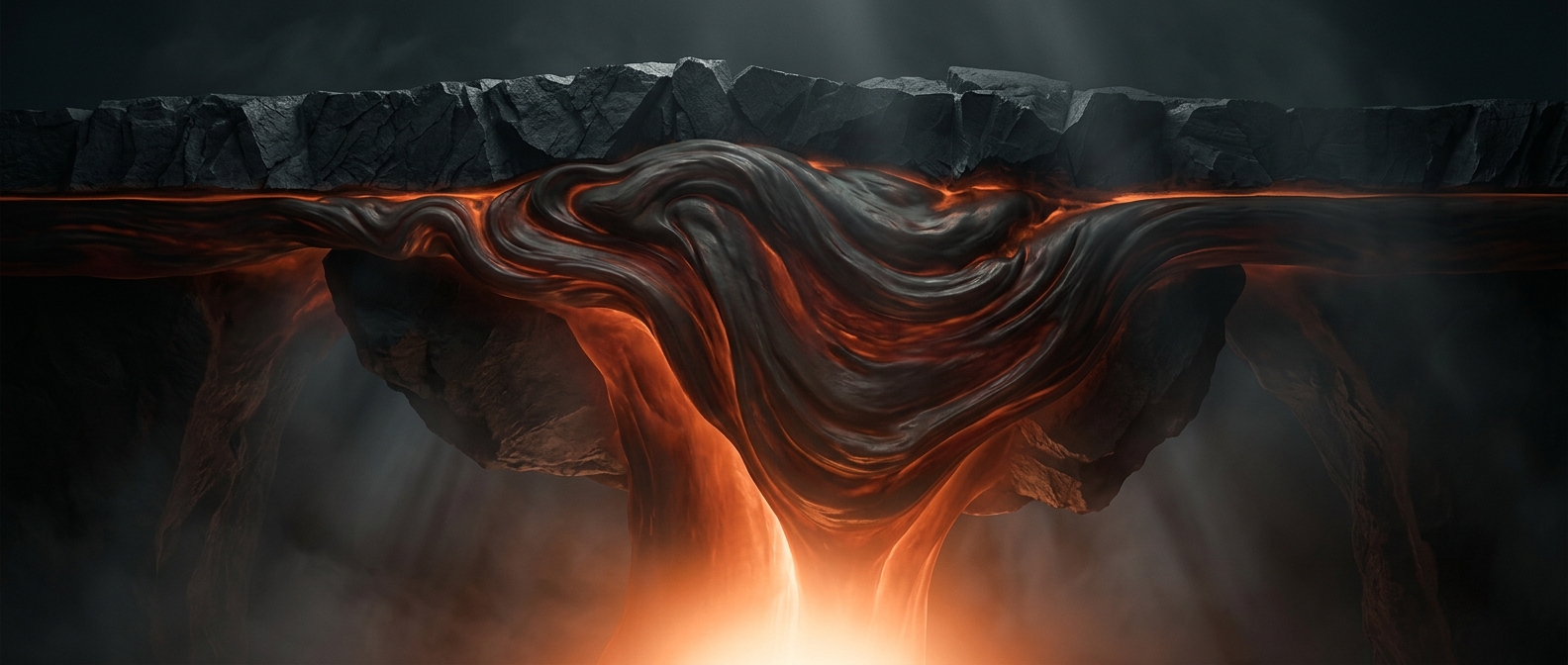
Mantle rock behaves like an extremely highly viscous plastic
The mantle is mostly solid rock, not a hidden ocean of magma. Heat and pressure make that solid material slowly deform and creep over millions of years, more…
Discover more
Gauss tracked Ceres using the method of least squares
To find Ceres, Gauss needed to turn scattered observations into a useful path. Least squares compares each possible orbit with the measured positions, squares…
Discover more
Cast shadows strictly feature distinct colored blurry edges
A shadow can have a red or blue edge if the scene is lit by differently colored lights. The object blocks each light from a different part of the scene,…
Discover more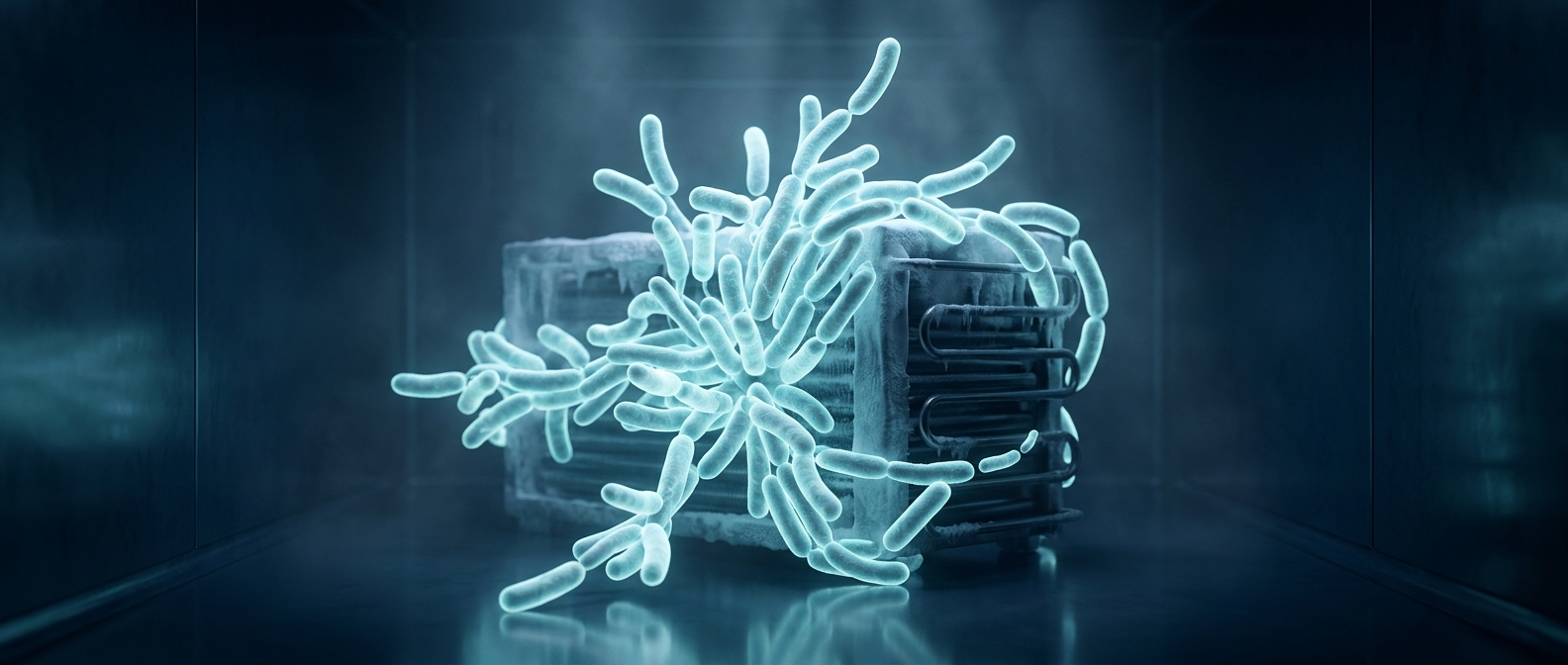
Your fridge won't stop Listeria
Listeria can keep multiplying at refrigerator temperatures, even though the cold slows it. That’s why putting deli meats or soft cheeses in the fridge doesn’t…
Discover more
The probability puzzle hiding in two matchboxes
Each time you choose a box, chance gives either side an equal shot—but it doesn’t promise to keep the piles even. A streak for one box leaves a growing stack…
Discover more
Much of Earth’s gold followed its metal into the core
As the young planet separated into layers, gold tended to dissolve in the molten iron that sank inward. That chemical affinity helped remove it from the rocky…
Discover more