stackyFACTS
Science

Gauss tracked Ceres using the method of least squares

HERE’S THE INTERESTING PART

When astronomers completely lost track of a newly spotted dwarf planet, Carl Friedrich Gauss smugly stepped in to locate it. He invented a massive statistical method to calculate its precise orbital path from just a few sparse data points. He essentially found a needle in a cosmic haystack using pure mathematical spite.
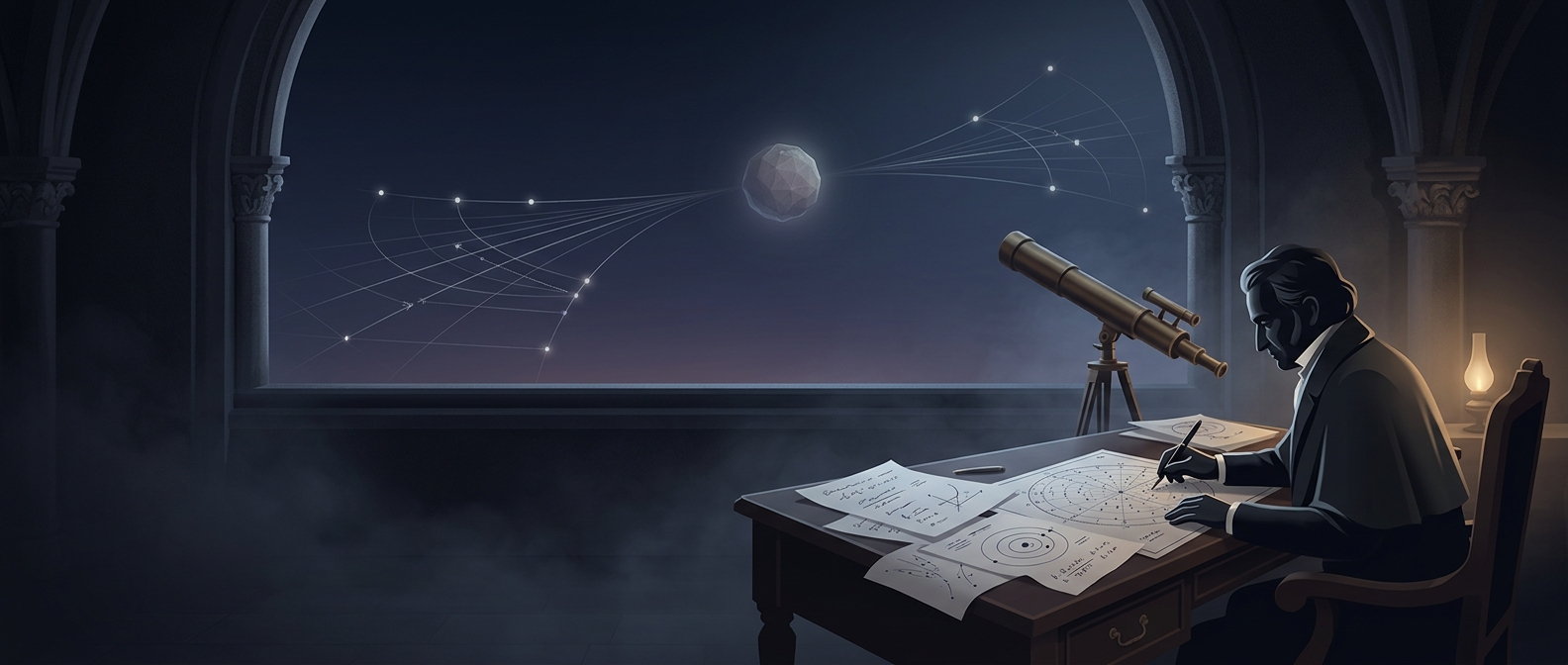
Gauss tracked Ceres using the method of least squares
STACKY / Science
One discovery leads to another.

Keep exploring facts in this topic.

Science →

STACKY FOR IPHONE

A bigger world.
One discovery
at a time.

Keep discovering with Stacky. Interesting facts in an app that is always within reach.

Download on the App Store
ONE MORE DISCOVERY?

Keep exploring

All in this topic →
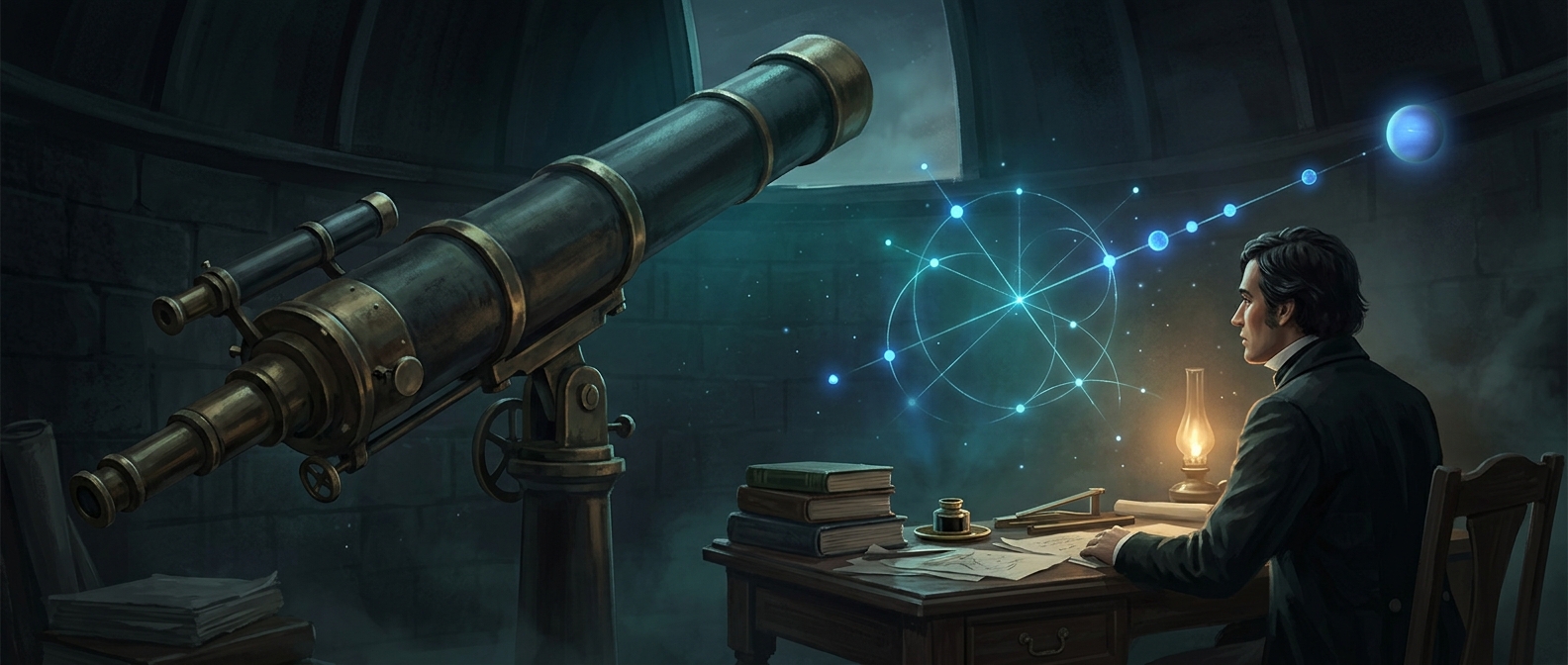
Neptune was found with math before a telescope
Science

Neptune was found with math before a telescope

In 1846, astronomers didn't discover Neptune by gazing romantically into the night sky. They realized Uranus was wobbling weirdly in its orbit and essentially…

Discover more
Bessel measured the exact physical distance to a star
Science

Bessel measured the exact physical distance to a star

Friedrich Bessel got tired of astronomers arguing about the sheer scale of the cosmos without any tangible proof. He meticulously tracked a single star over…

Discover more
The giant storm Robert Hooke spotted on Jupiter
Science

The giant storm Robert Hooke spotted on Jupiter

Robert Hooke pointed his lenses toward Jupiter and noticed a massive, bizarre blemish rotating aggressively across the atmosphere. He essentially cataloged a…

Discover more
Earth is the odd planet out in its name
Science

Earth is the odd planet out in its name

Humanity looked at Mercury, Venus, Mars, Jupiter, and Saturn, branded them with the epic titles of ancient mythological deities, and then named our own home…

Discover more
Science

Deep within the atmosphere of Jupiter exists an incredibly massive and violently swirling crimson storm system famously known as the Great Red Spot, a chaotic raging hurricane so…

This ancient anticyclonic storm has been relentlessly churning for over three hundred years, fueled by Jupiter's internal heat rather than solar energy. It…

Discover more
Imagine a sphere of darkness so dense that time loops around it — not in theory but in orbit, a black hole devouring its own reflection.
Science

Imagine a sphere of darkness so dense that time loops around it — not in theory but in orbit, a black hole devouring its own reflection.

Imagine a sphere of darkness so dense that time loops around it — not in theory but in orbit, a black hole devouring its own reflection. Scientists recently…

Discover more
StackyMore discoveries in the app
Download on the App Store