Why gold followed iron downward
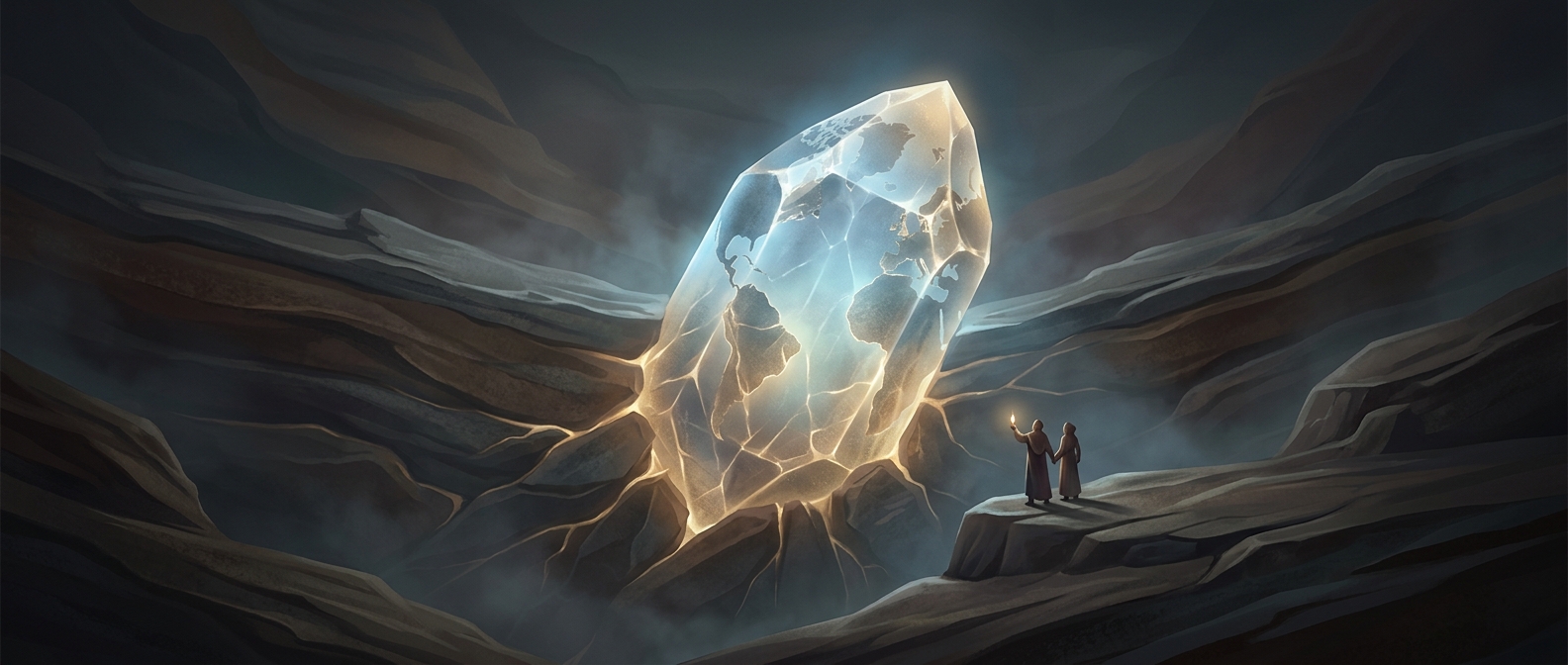
Early Earth was hot enough for much of its interior to be molten. As the planet separated into layers, dense iron gathered into droplets and sank toward the center, forming the core. Gold tends to dissolve in iron rather than remain in silicate rock—the material that makes up most of the mantle and crust—so it was carried downward with the sinking metal.
This preference is called siderophile behavior, meaning “iron-loving.” It helps explain why the rocky outer Earth contains far less gold than it would if the planet’s ingredients had simply stayed mixed.
How any gold remained near the surface
Earth’s layers did not form in one instant. Some impacts and additions of material came after much of the core had already separated. Gold delivered then was less likely to be swept into the core, leaving some in the mantle and, through later geological processes, in the crust. That is part of the story behind the gold deposits people can reach and mine; it does not mean all accessible gold arrived in a single event or in one kind of deposit.
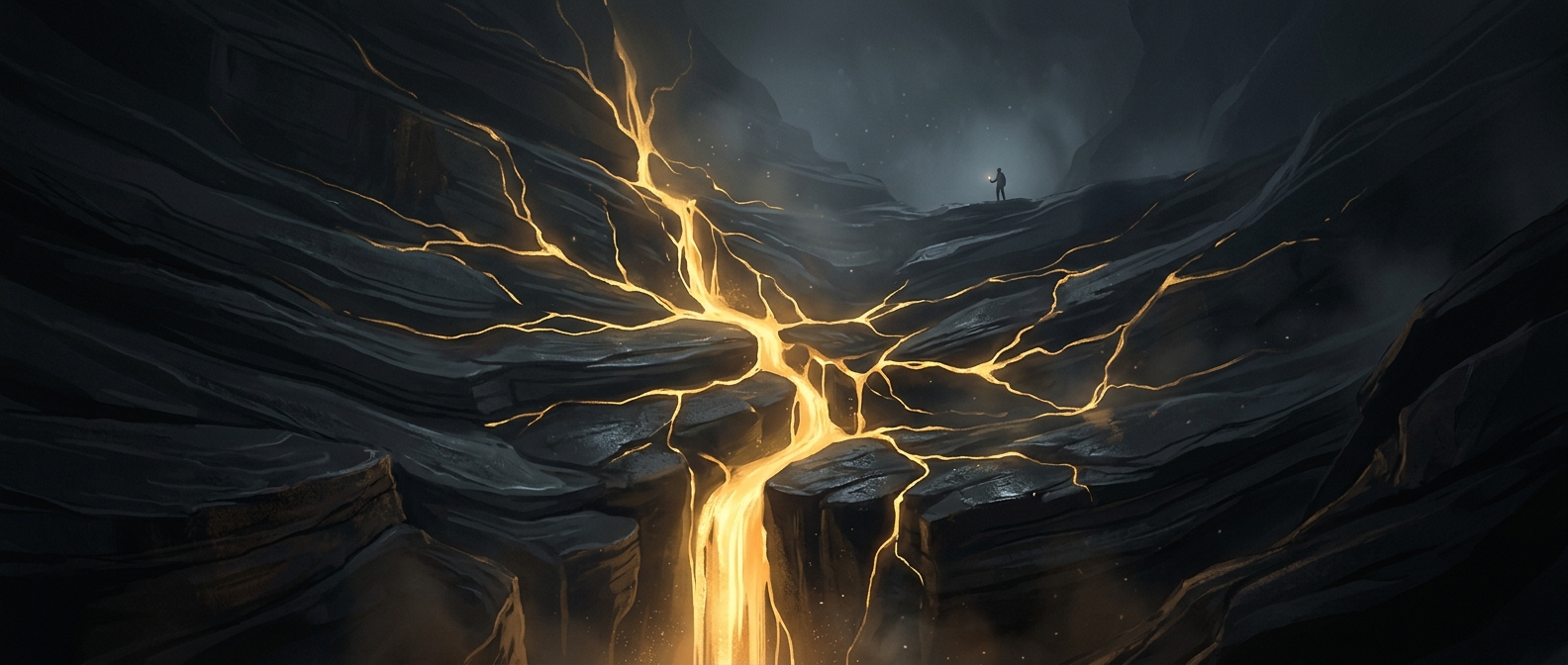
Gold in the crust is still scarce and unevenly distributed. Geological processes can concentrate small amounts into veins or other deposits, making mining possible in particular places even though the planet’s rocky exterior is relatively poor in the metal.
A planetary treasure beyond reach
The core is not an underground reservoir that a deeper mine could approach: it lies beneath thousands of kilometers of rock and metal, under conditions no drilling technology can reach. The contrast is striking: the same chemical tendency that helped send gold toward Earth’s center also helps explain why the gold available to us is only a small, accessible part of the planet’s larger inventory.