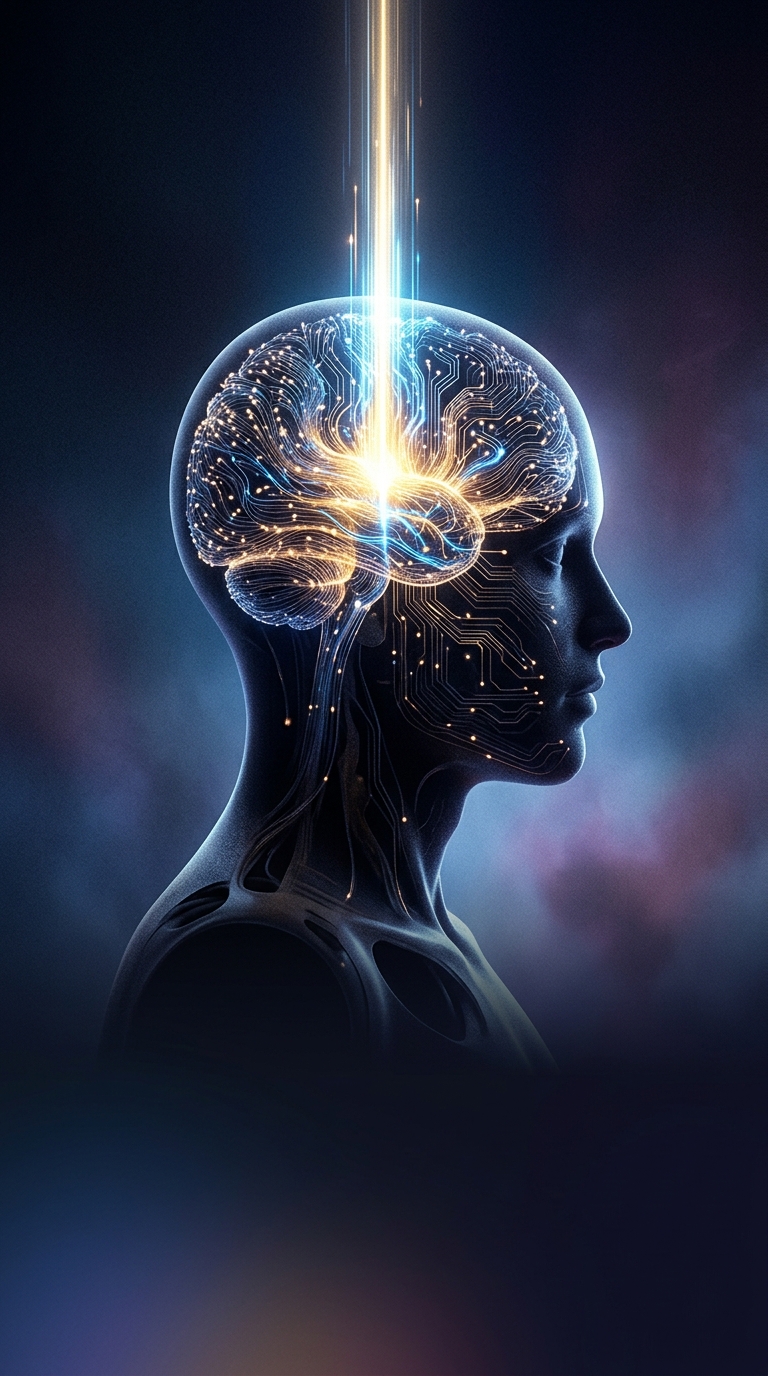
How prana became a language for life
Prana is not simply another word for air. In several Indian traditions, it names the animating principle associated with breathing, vitality, and the movement of life. The idea links an ordinary experience—the breath entering and leaving the body—to a wider account of how living beings participate in the world. Traditions differ in how they explain that principle, so prana does not have one identical definition across Indian philosophy and religion.
From breath to practice
In yoga, this idea gives breath a role beyond keeping the body alive. Pranayama refers to practices that guide or regulate breathing. The Sanskrit term is commonly understood through prana and ayama, meaning expansion or regulation. In practice, a person may lengthen an exhale, pause between breaths, or direct attention steadily to the breath. Within yoga’s traditional framework, these exercises work with prana; they are not presented as instruments for measuring a physical substance.
That distinction matters: oxygen exchange can be studied with scientific methods, while prana belongs to a spiritual and philosophical account of life. Treating the terms as interchangeable would miss what the concept is meant to express.
A connected view of living
The idea’s reach is larger than an individual breathing exercise. If life is understood as animated by a principle that also pervades the universe, the body is not imagined as wholly separate from its surroundings. Breath becomes a vivid point of connection: something intimate and bodily, yet continuous with the world beyond the skin. That is why prana can serve both as a way to think about vitality and as a framework for disciplined attention to breathing.