Science
Discover facts about science. Small discoveries that change the way you see familiar things.
Science
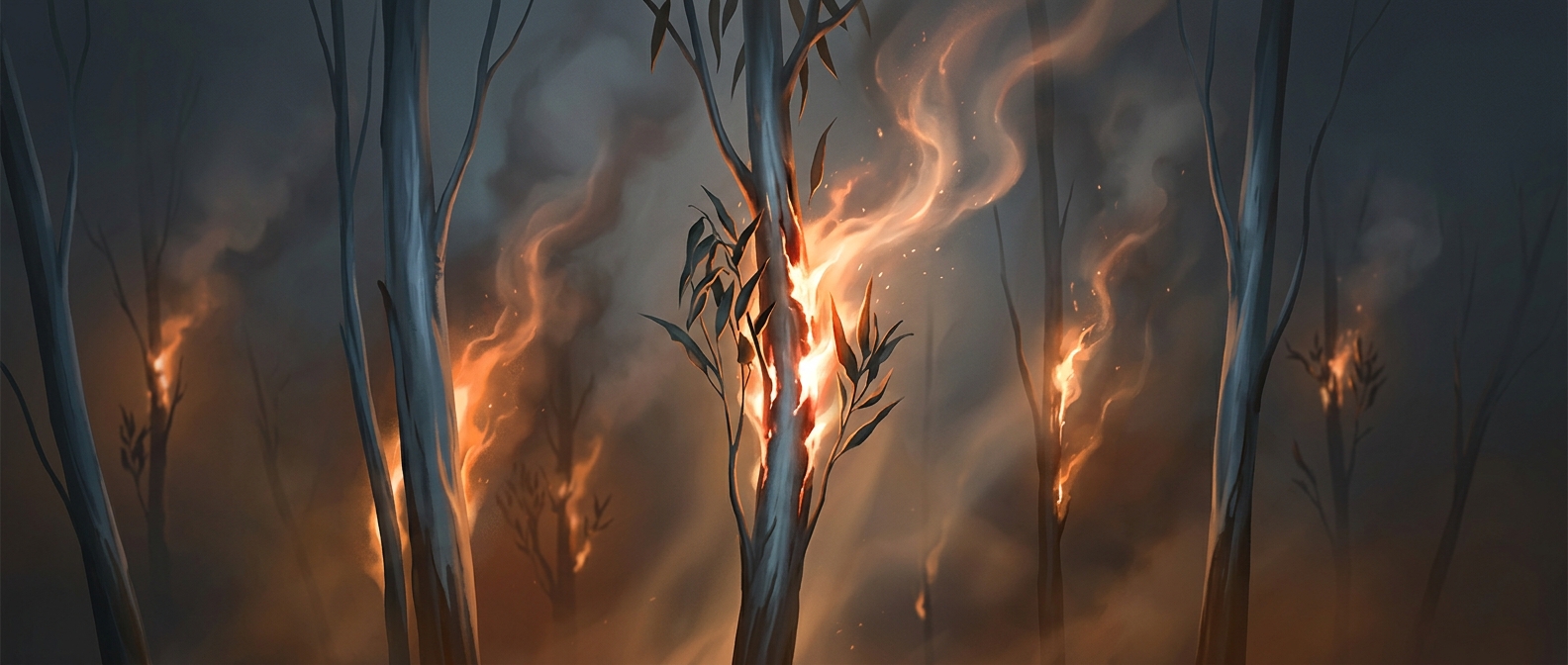
Why eucalyptus trees can burst into flames
Packed entirely full of highly flammable internal oils, these towering Australian hazards effectively act as biological explosive devices. When severe heat…
Discover more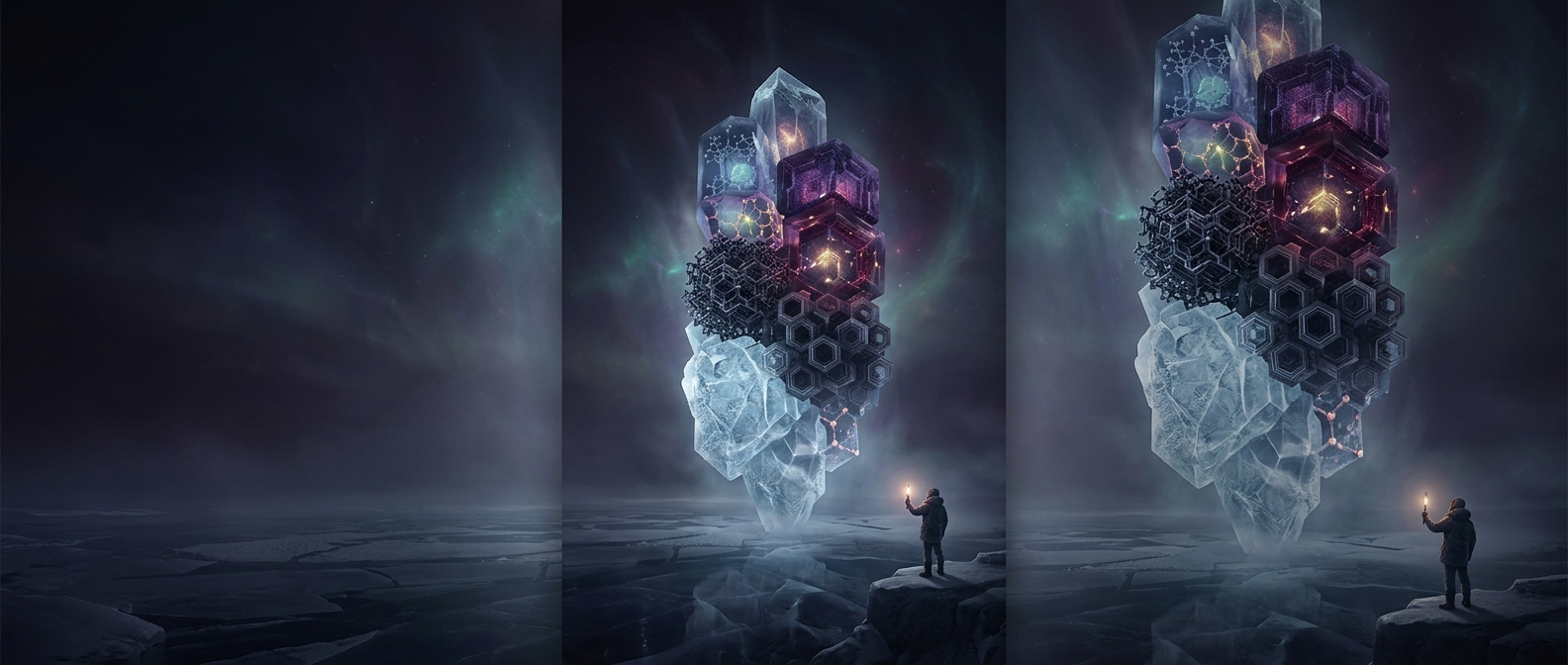
Ice has more than a dozen solid forms
Ice is secretly the most complicated solid in the universe. Depending on the precise temperature and extreme pressures applied, water molecules can arrange…
Discover more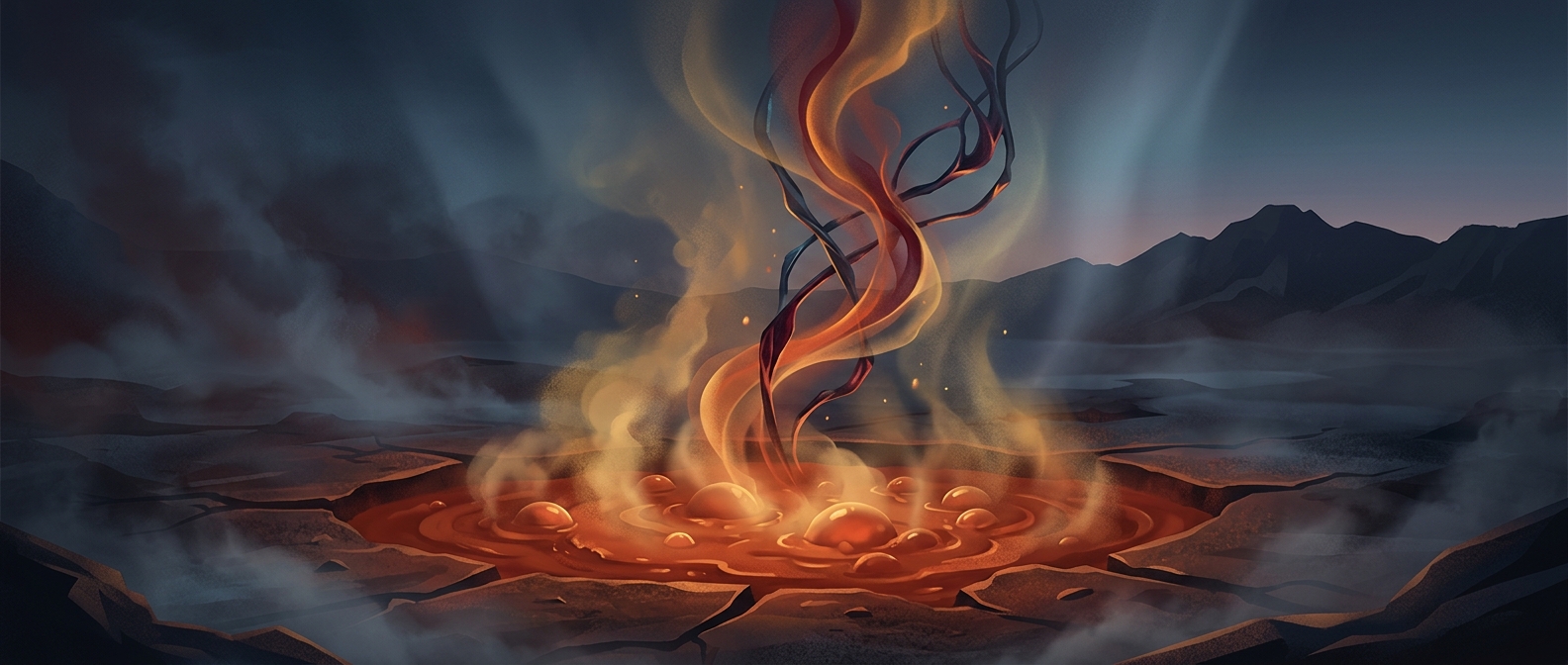
Geothermal mud pots continuously boil acidic clay
Clearly, normal hot springs just were not disgusting enough. When acidic geothermal vapor breaks down surrounding rock into fine clay, it creates a bubbling,…
Discover more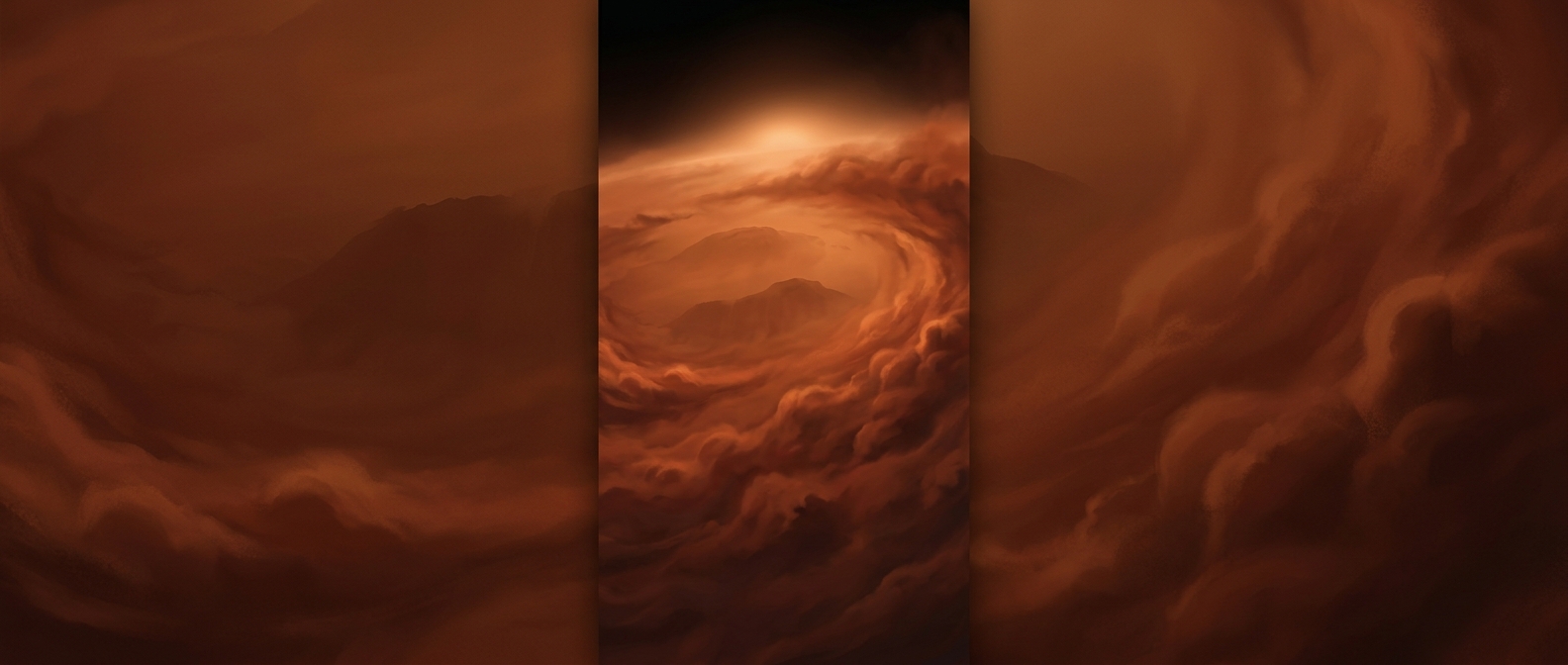
Mars can be swallowed by planet-wide dust storms
When Mars decides to have a windy day, it fundamentally ruins the entire planet. Thanks to extremely low gravity and a thin atmosphere, fine red dust can…
Discover more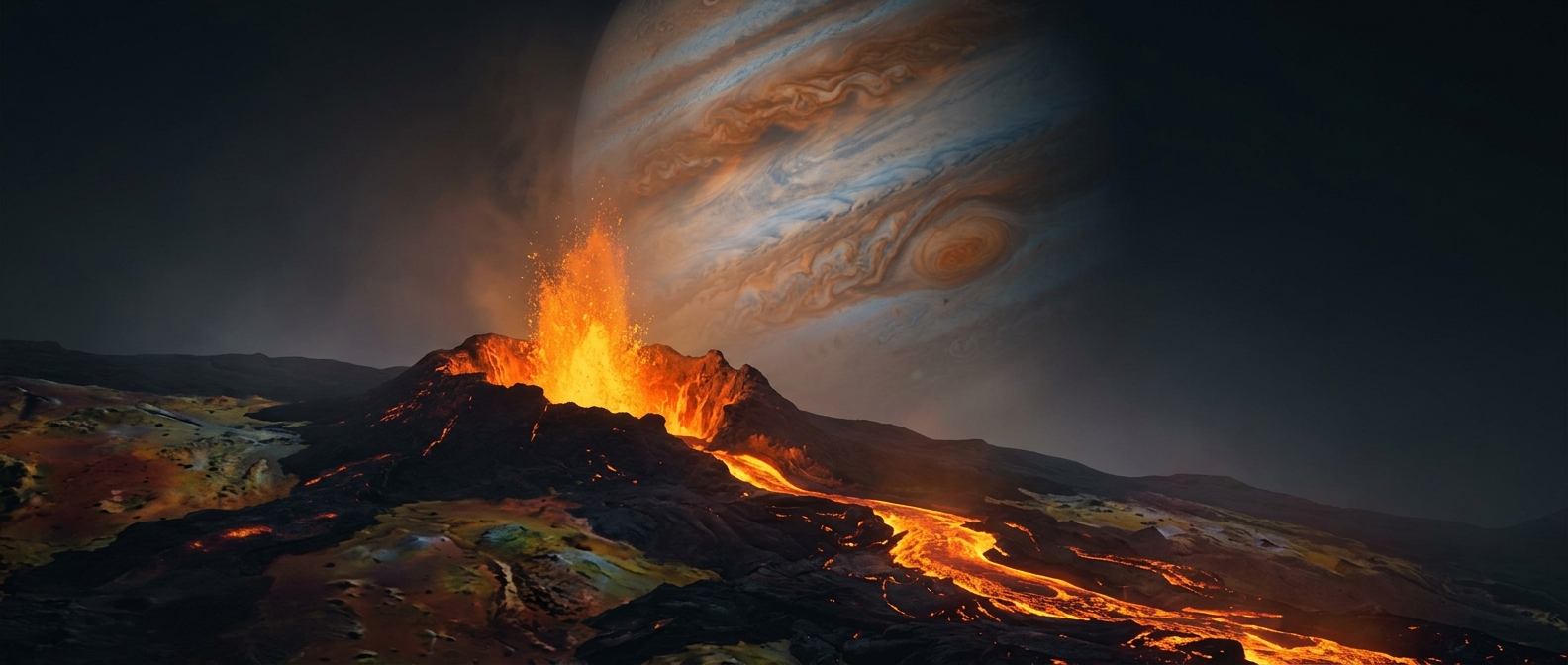
Io is a moon covered in active volcanoes
If you thought your neighborhood was volatile, try living on a chunk of rock that literally turns itself inside out. Constantly violently stretched by the…
Discover more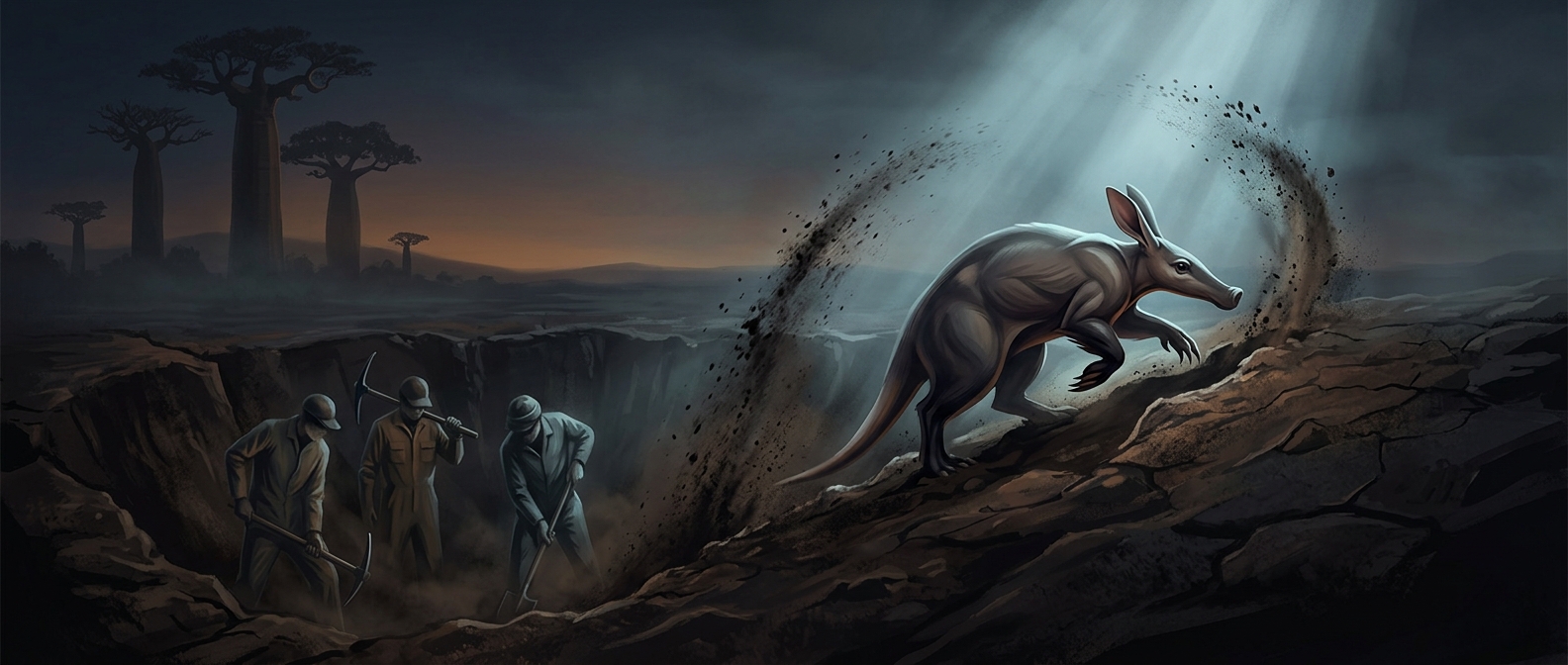
Aardvarks can outdig people in hard soil
Equipped with spade-like claws and immense shoulder strength, these bizarre nocturnal mammals are basically living backhoes. An aardvark can dig through…
Discover more STACKY FOR IPHONE
A bigger world.
One discovery
at a time.
Keep discovering with Stacky. Interesting facts in an app that is always within reach.

How a laser can ride down a waterfall
Because photons apparently have terrible directional skills, pointing a laser into a falling stream of liquid can entirely trap the light beam inside. Through…
Discover more
How rivers leave behind crescent-shaped lakes
Rivers are incredibly lazy and always looking for a shortcut. Over many years, a river's meandering loop can become so extreme that the water just cuts…
Discover more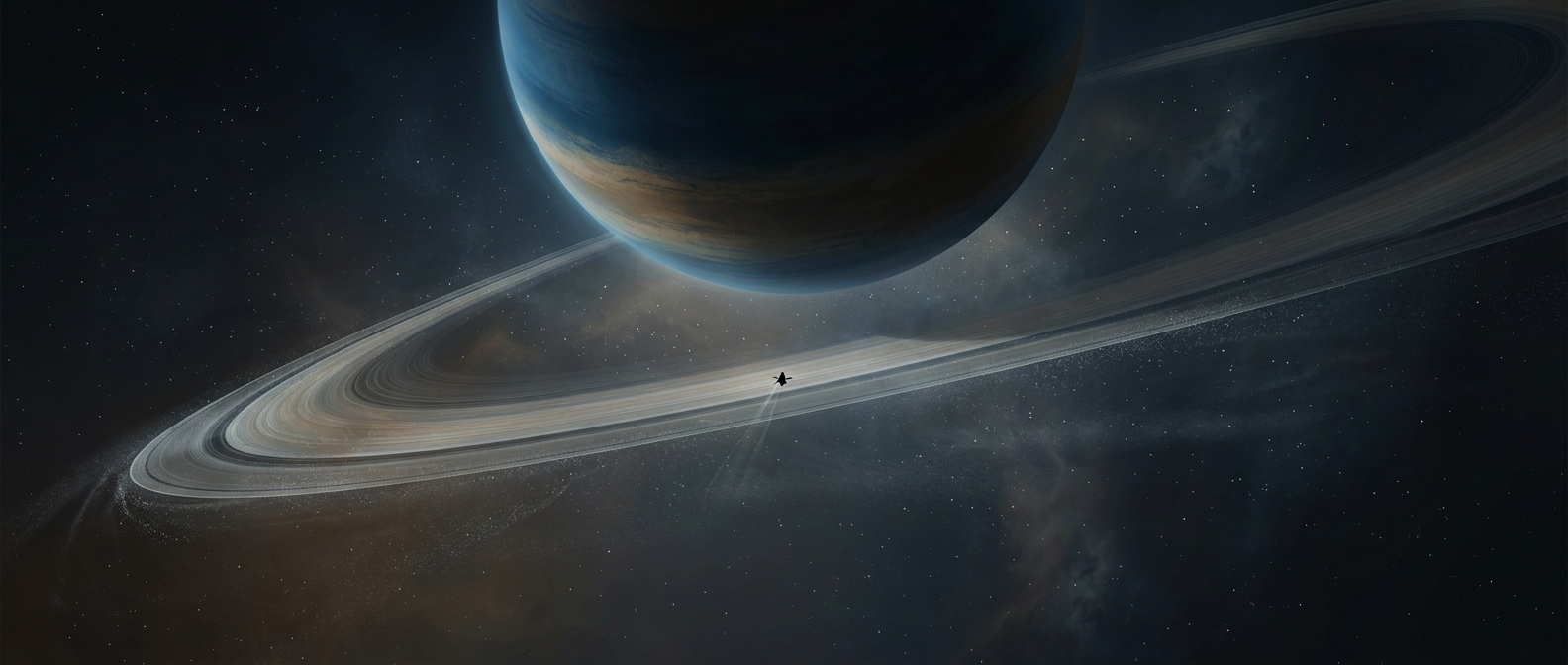
Saturn’s rings are vast—but astonishingly thin
It is the ultimate cosmic illusion. Saturn's rings look like thick, majestic bands of solid matter from Earth, but they are essentially a razor-thin…
Discover more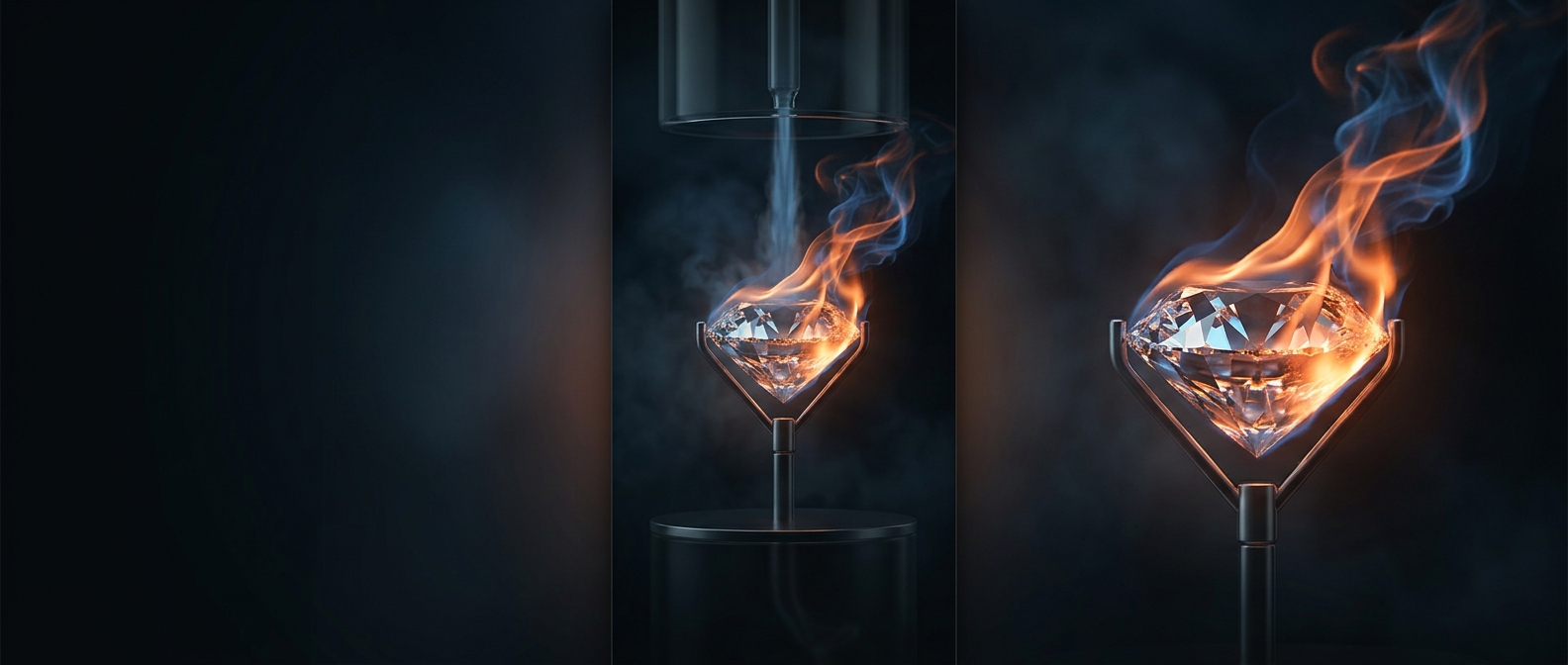
Diamonds can burn under the right conditions
Jewelry companies have spent a century convincing you that diamonds are forever, but chemists know they are basically just overpriced coal. Because diamonds…
Discover more
Quicksort halves datasets to achieve rapid organization
This wildly popular algorithm sorts arrays by choosing a pivot value and partitioning the other elements into those less than and greater than the pivot. It…
Discover more
Brain plasticity reroutes damaged pathways
The brain isn't a hardwired circuit board; it's a desperate improviser. If a section of the brain is damaged, neuroplasticity allows entirely different…
Discover more
Empty space can pull two metal plates together
Pure nothingness pushes things together. Thanks to the Casimir effect, virtual particles bubbling inside a tiny gap create less pressure than the virtual…
Discover more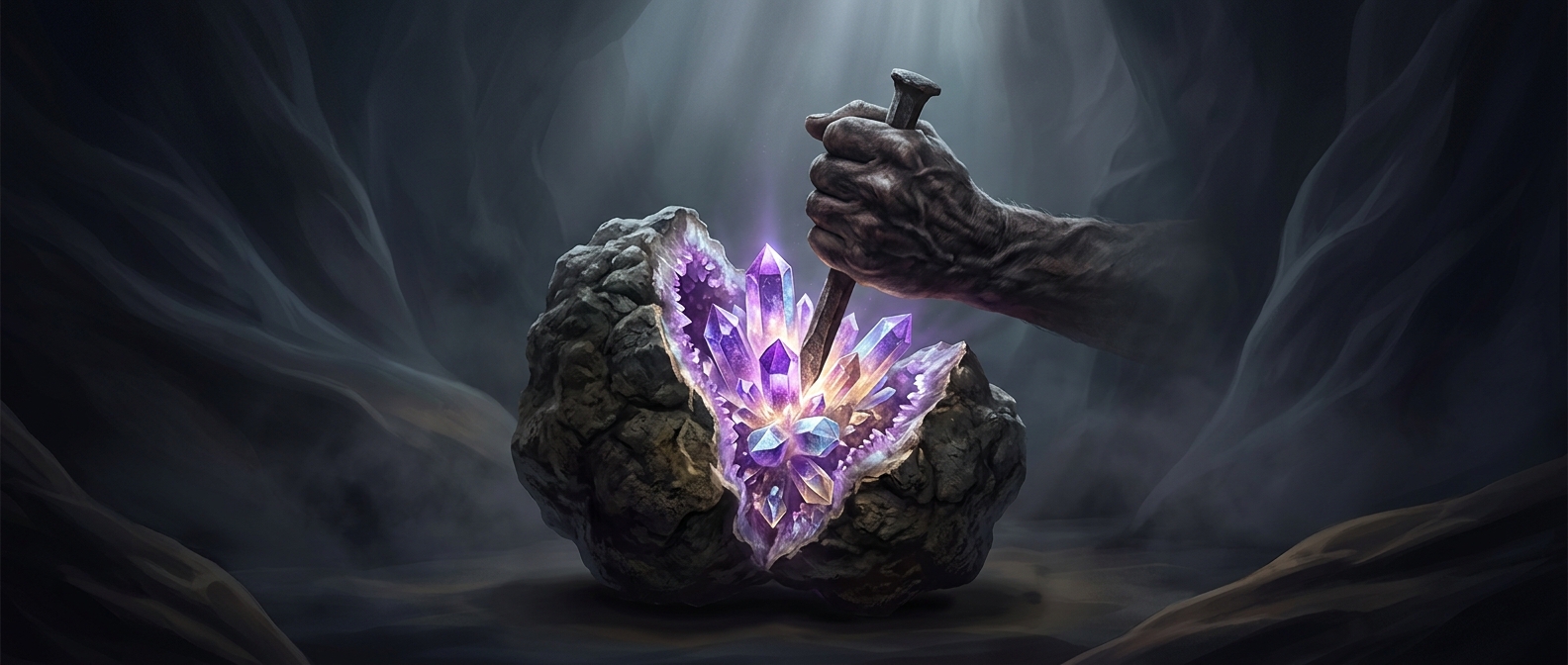
Ugly rocks can hide crystals inside
Geodes are the geology world's ultimate lesson in not judging a rock by its dull exterior. On the outside, they look like the most boring, lumpy stones…
Discover more
Free floating electrons are why metals conduct electricity
Metals are incredibly generous with their atomic structure. Unlike rigid insulators, metals feature a 'sea' of free-floating electrons that belong to no…
Discover more
Predictable messages contain almost no information
Claude Shannon founded information theory by realizing that data operates precisely like thermodynamic entropy. The higher the unpredictability of an…
Discover more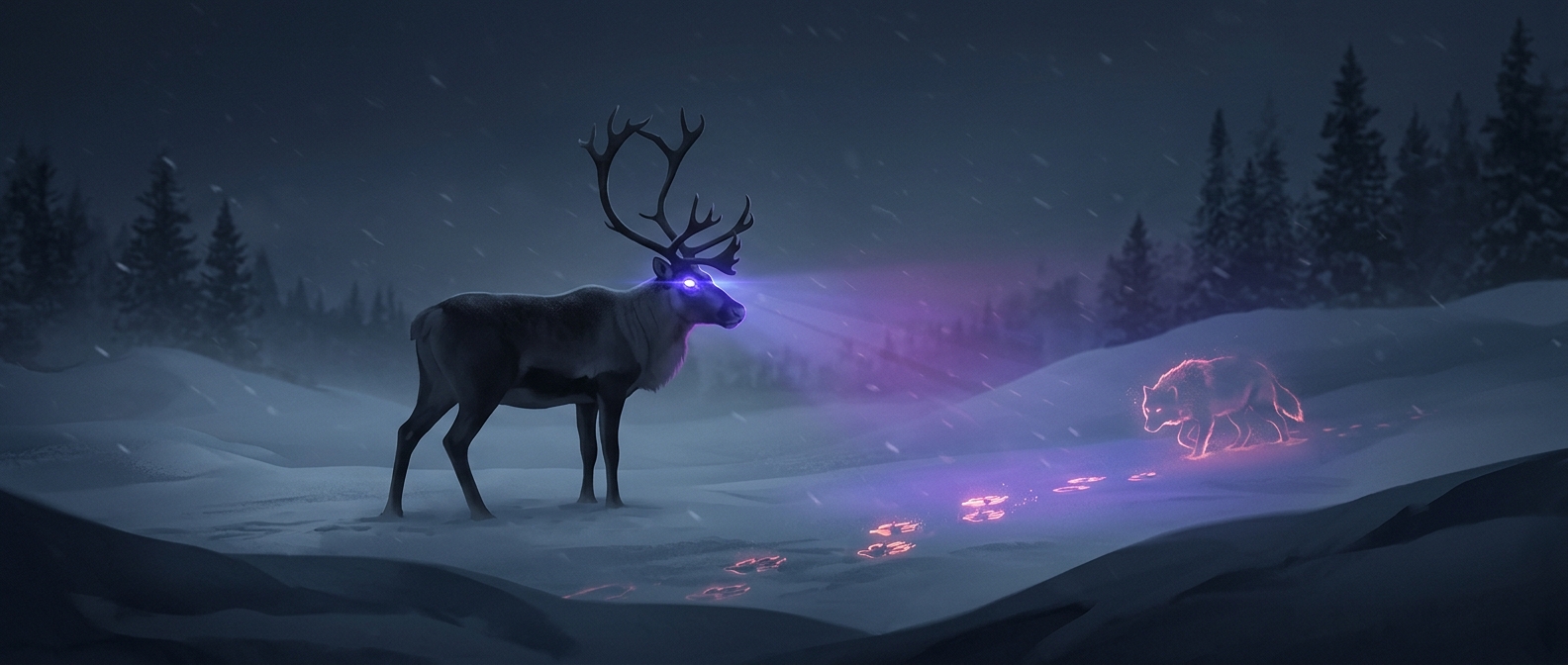
Reindeer can see ultraviolet light
Pulling a sled across a desolate, blindingly white landscape is perilous unless you have literal superpowers. Reindeer see in ultraviolet light, turning the…
Discover more
Your sourdough starter is a local microbial pet
The unique tangy flavor of sourdough bread comes entirely from the local microscopic yeast living freely in the baker's immediate surroundings. You are…
Discover more
The Acid That Eats Through Glass
Most acids are kept safely in standard glass bottles because glass is highly unreactive. Hydrofluoric acid, however, actively hunts down silicon dioxide…
Discover more
Mount Kilimanjaro features three distinct volcanic peaks
Rising massively above the surrounding African plains, this colossal dormant giant isn't just a single mountain, but three entirely overlapping volcanic…
Discover more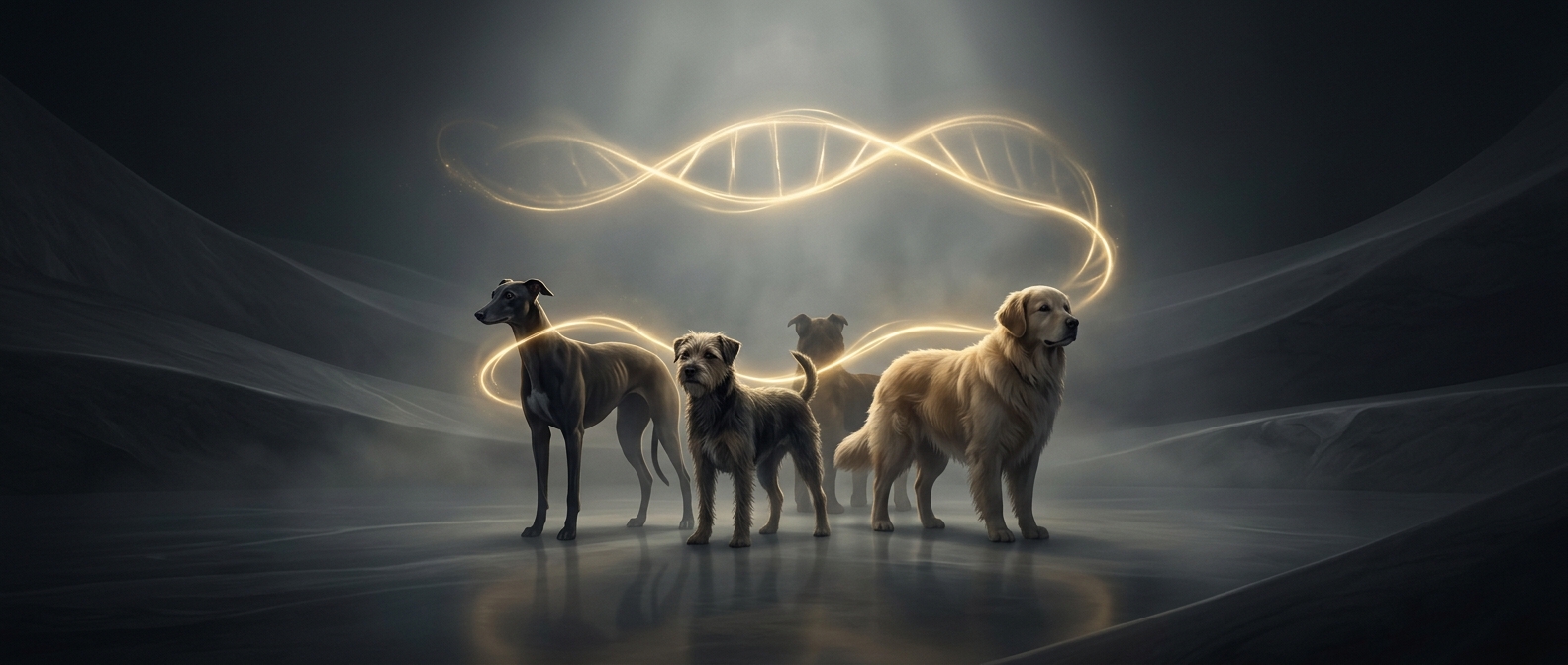
Why Great Danes and Pugs Are Genetically So Similar
Despite drastically different shapes, sizes, and temperaments, every domestic dog is genetically almost identical. A tiny handful of specifically tweaked…
Discover more
How Leopards Haul Heavy Prey Into Trees
After a successful hunt, these spotted felines refuse to leave their dinner on the ground for lazy scavengers to steal. Displaying absolute ridiculous…
Discover more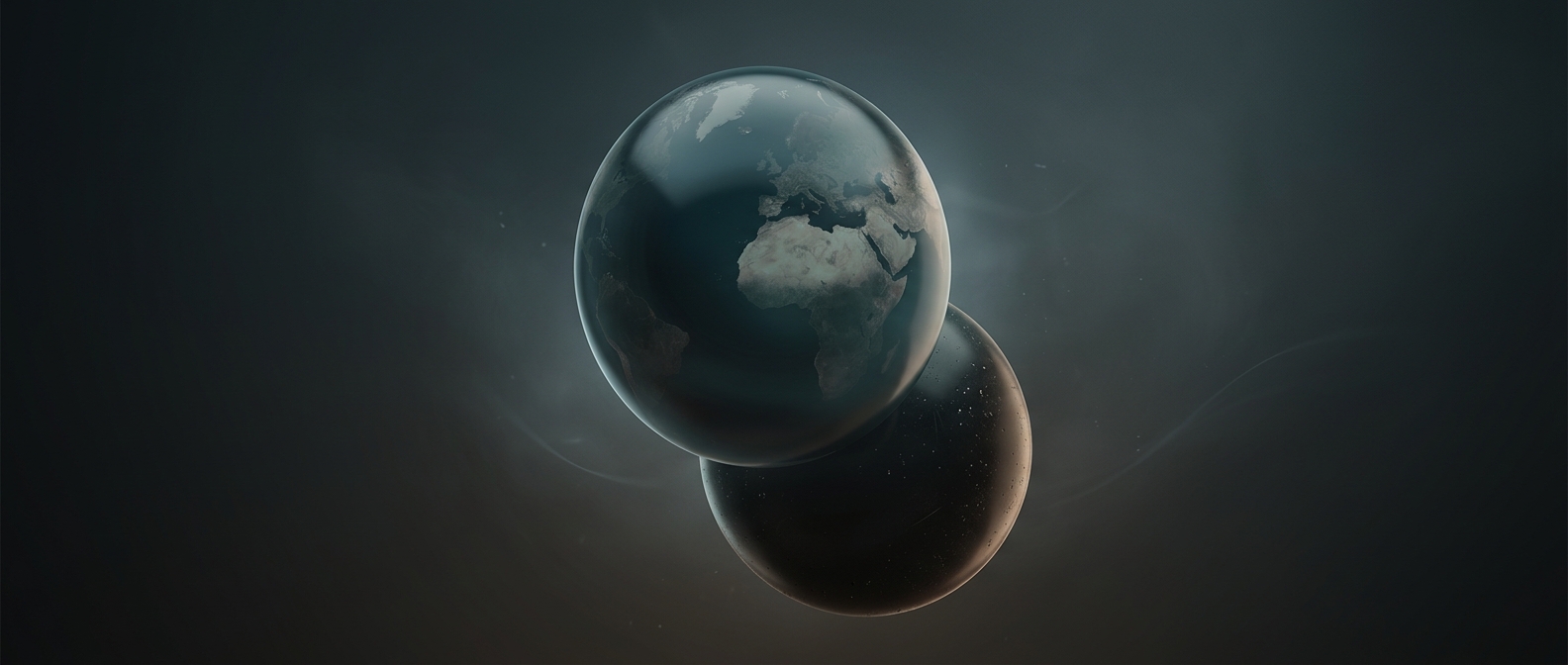
Shrink Earth to a billiard ball and it feels smooth
Mount Everest seems massive when you're freezing to death on it, but it’s mathematically insignificant. The tolerance for a billiard ball allows for minor…
Discover more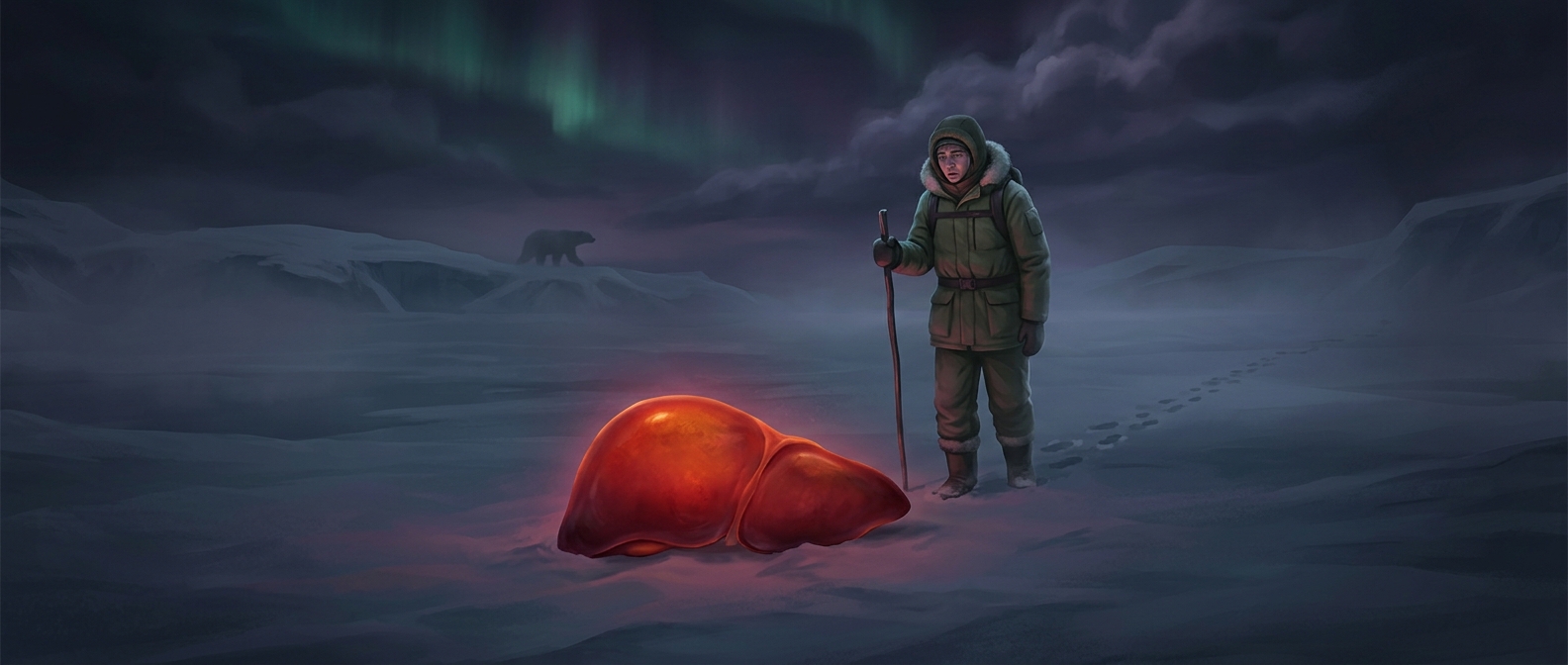
Why polar bear liver can be deadly to humans
If you ever find yourself eating an apex predator, skip the liver unless you want your skin to literally peel off. Polar bears store absurd amounts of retinol…
Discover more