stackyFACTS
Science

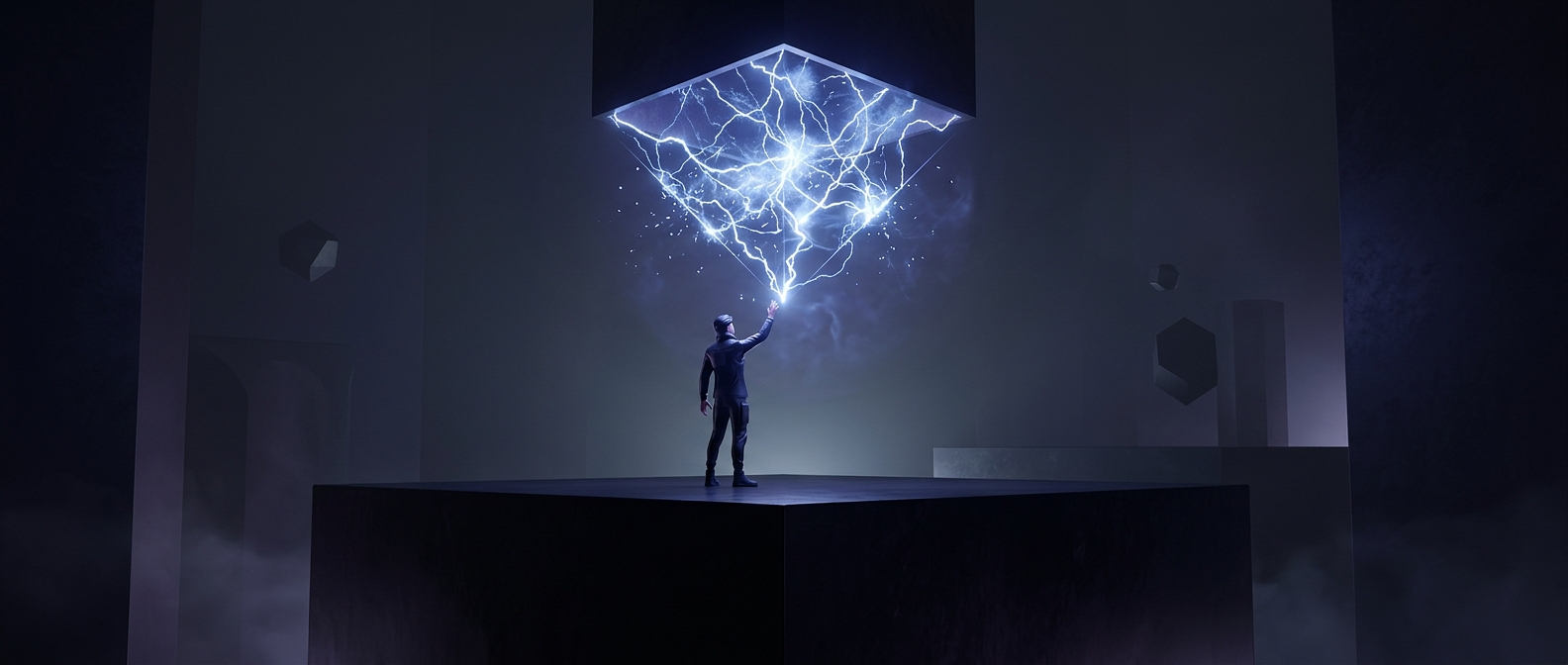
Free floating electrons are why metals conduct electricity

HERE’S THE INTERESTING PART

Metals are incredibly generous with their atomic structure. Unlike rigid insulators, metals feature a 'sea' of free-floating electrons that belong to no specific atom. When you apply voltage, this restless microscopic mob easily drifts in one direction, casually transporting massive amounts of electrical current.
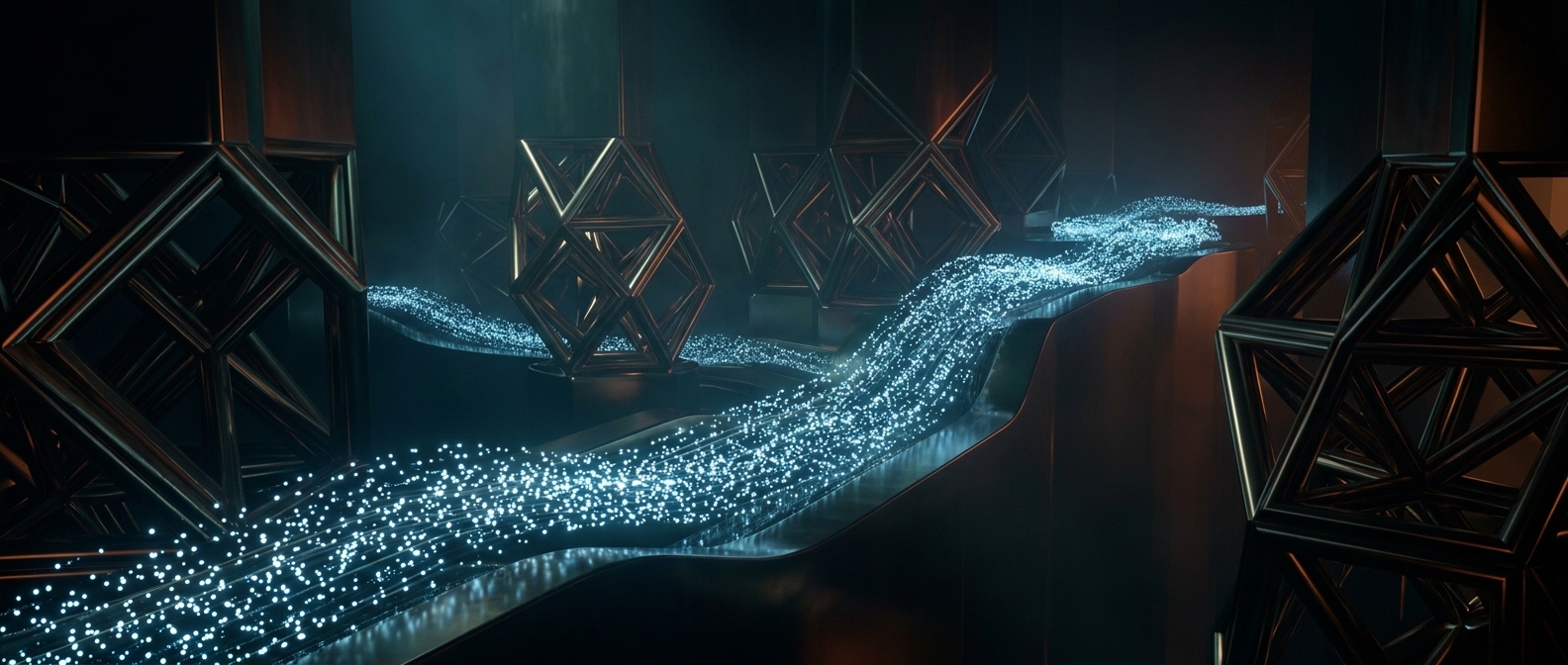
Free floating electrons are why metals conduct electricity
STACKY / Science
One discovery leads to another.

Keep exploring facts in this topic.

Science →


STACKY FOR IPHONE

A bigger world.
One discovery
at a time.

Keep discovering with Stacky. Interesting facts in an app that is always within reach.

Download on the App Store
ONE MORE DISCOVERY?

Keep exploring

All in this topic →
Why rubbing things together creates heat
Science

Why rubbing things together creates heat

Rubbing two things together is just a microscopic turf war. What we call friction is actually the outer electrons of one surface getting far too emotionally…

Discover more
Radio waves travel exactly at the speed of electromagnetism
Science

Radio waves travel exactly at the speed of electromagnetism

Invisible communication signals tear through the air at roughly three hundred million meters a second, meaning lag is mostly the fault of poorly coded…

Discover more
Static charges strictly require insulating materials to build
Science

Static charges strictly require insulating materials to build

Shocking your friends requires a very specific setup. If you rub two conductive metals together, the electrons immediately flow back to where they came from.…

Discover more
Cosmic rays can see inside a volcano
Science

Cosmic rays can see inside a volcano

Forget risking a grad student's life inside an active caldera. Physicists instead rely on the cosmic detritus of exploding stars. High-energy muons constantly…

Discover more
Geckos can effortlessly scale vertical glass walls and hang completely upside down thanks to millions of microscopic hairs on their toes called setae.
Science

Geckos can effortlessly scale vertical glass walls and hang completely upside down thanks to millions of microscopic hairs on their toes called setae.

Geckos can effortlessly scale vertical glass walls and hang completely upside down thanks to millions of microscopic hairs on their toes called setae. These…

Discover more
Jupiter's moon Io helped reveal the speed of light
Science

Jupiter's moon Io helped reveal the speed of light

In the late seventeenth century, astronomer Ole Rømer noticed that the eclipses of Jupiter's moon Io seemed to occur later when Earth was further away in its…

Discover more
StackyMore discoveries in the app
Download on the App Store