How a Gecko Turns Tiny Contacts Into a Climbing Grip
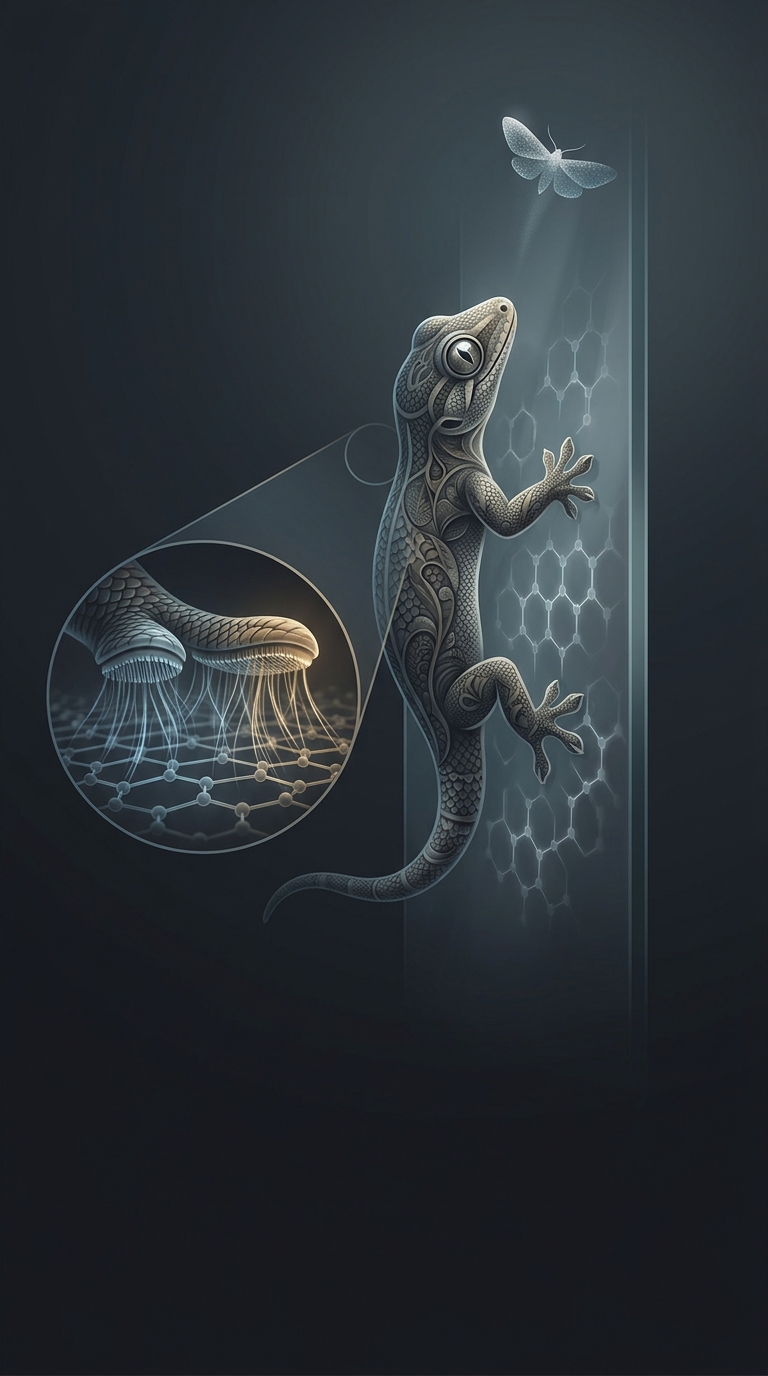
A gecko’s toe is less like a suction cup than a flexible, densely packed brush. Its bristles—called setae—split into progressively finer branches, ending in flattened tips that can make close contact with a surface. The softness and shape of those tips let them conform to tiny irregularities that a larger, stiffer pad would bridge over.
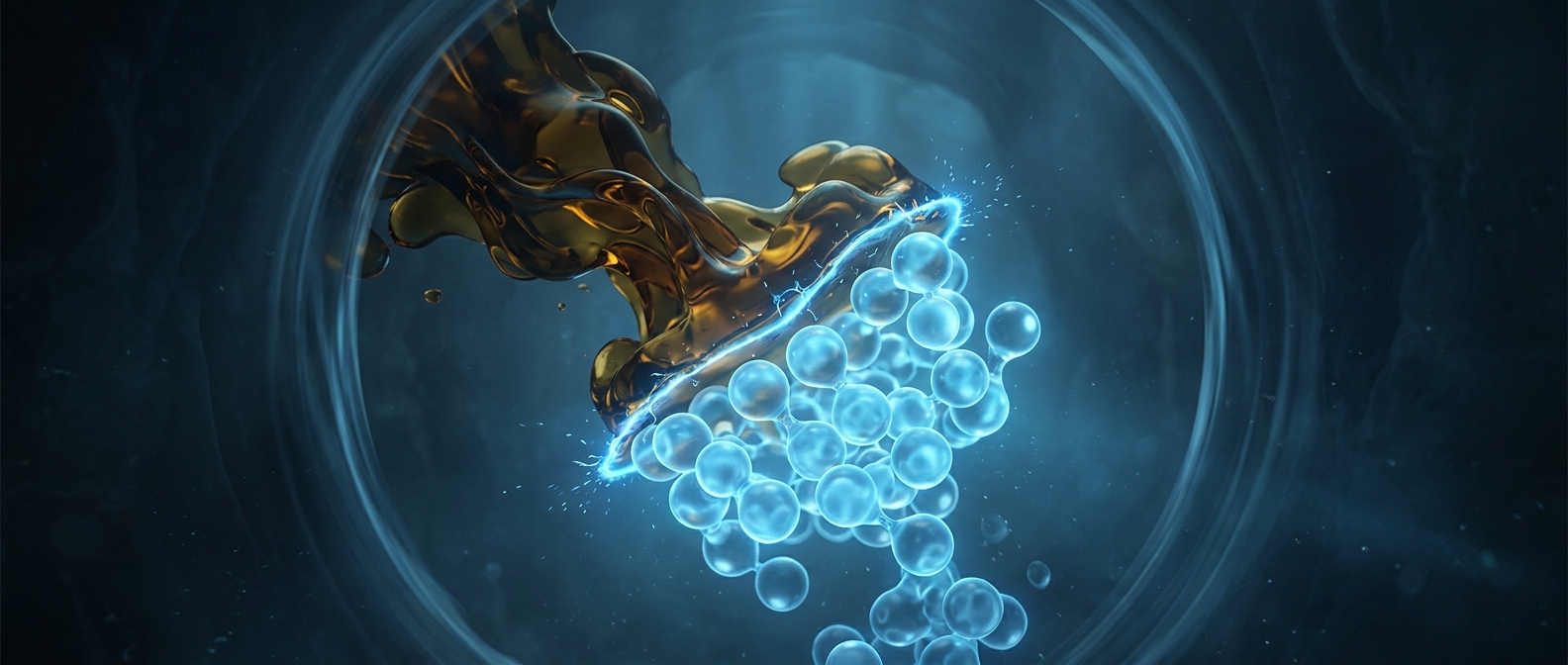
At that close range, molecules in the toe and the surface exert weak electrical attractions on one another, known as van der Waals forces. One such attraction is negligible; the gecko’s advantage is that an enormous number of tiny contacts act together. Smooth glass offers little texture to snag, but it can still provide the close molecular contact the tips need.
Grip Depends on How the Toe Is Loaded
The setae do not simply stick with equal force in every direction. As the gecko presses and draws a toe along a surface, the fine tips bend into a grip. Changing the direction of the pull alters how securely they hold. To release, the gecko curls or lifts the toe so contact comes away progressively, rather than trying to pull the entire pad straight off at once.
That peeling motion matters because it lets the animal switch rapidly between attachment and release. It can place one foot, trust its grip as it shifts its weight, then detach another foot without leaving a sticky residue. The same fine-scale design explains both the seemingly effortless climb and the controlled step down: the grip is built from many tiny contacts, but released by changing their angle and lifting them one edge at a time.