A volcano built in stages
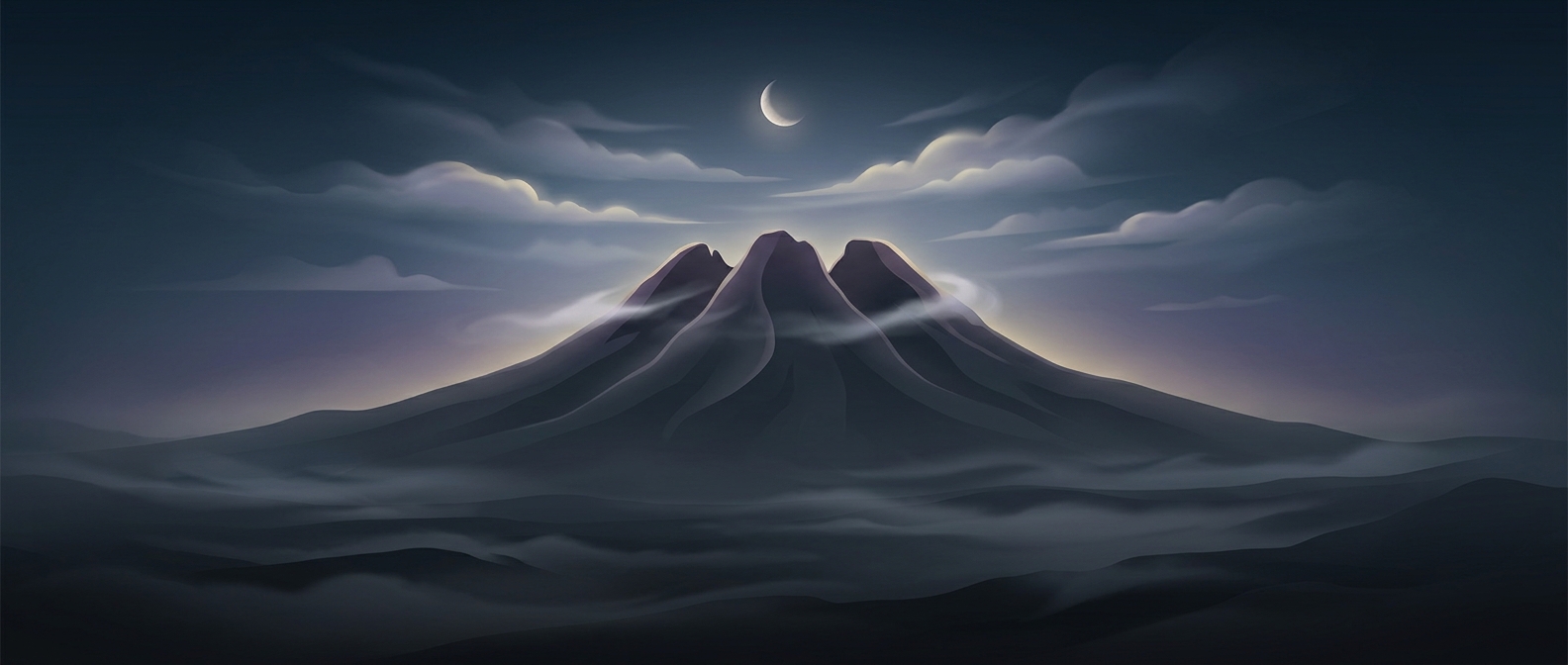
Kilimanjaro is not a single cone that simply grew upward. Its three main volcanic centers formed at different points in the mountain’s history. Shira came first; after its volcanic structure collapsed and eroded, later activity built Mawenzi and then Kibo. The result is a broad massif with separate high points rather than one continuous summit.
The landscape between them helps reveal that sequence. Shira survives mainly as a high plateau, while Mawenzi has been cut into jagged ridges. Kibo, the youngest and tallest of the three, retains a more recognizable volcanic shape, including a large summit crater. Wind, ice, and water have further reshaped each center since its main period of growth.
What “dormant” means for Kibo
Scientists use dormant for a volcano that is not known to be erupting now but could erupt again. It is different from extinct, which implies that future eruptions are not expected. These labels describe what is known about a volcano’s activity; they are not guarantees about what it will do next.
Kibo’s lack of a recorded eruption therefore cannot, by itself, establish that its volcanic system is permanently finished. Nor does the word dormant mean an eruption is imminent. The distinction matters because the mountain’s striking summit is both a landscape shaped by ancient activity and the part of Kilimanjaro whose future cannot be settled simply by how long it has been quiet.