A volcanic lake held behind a natural barrier
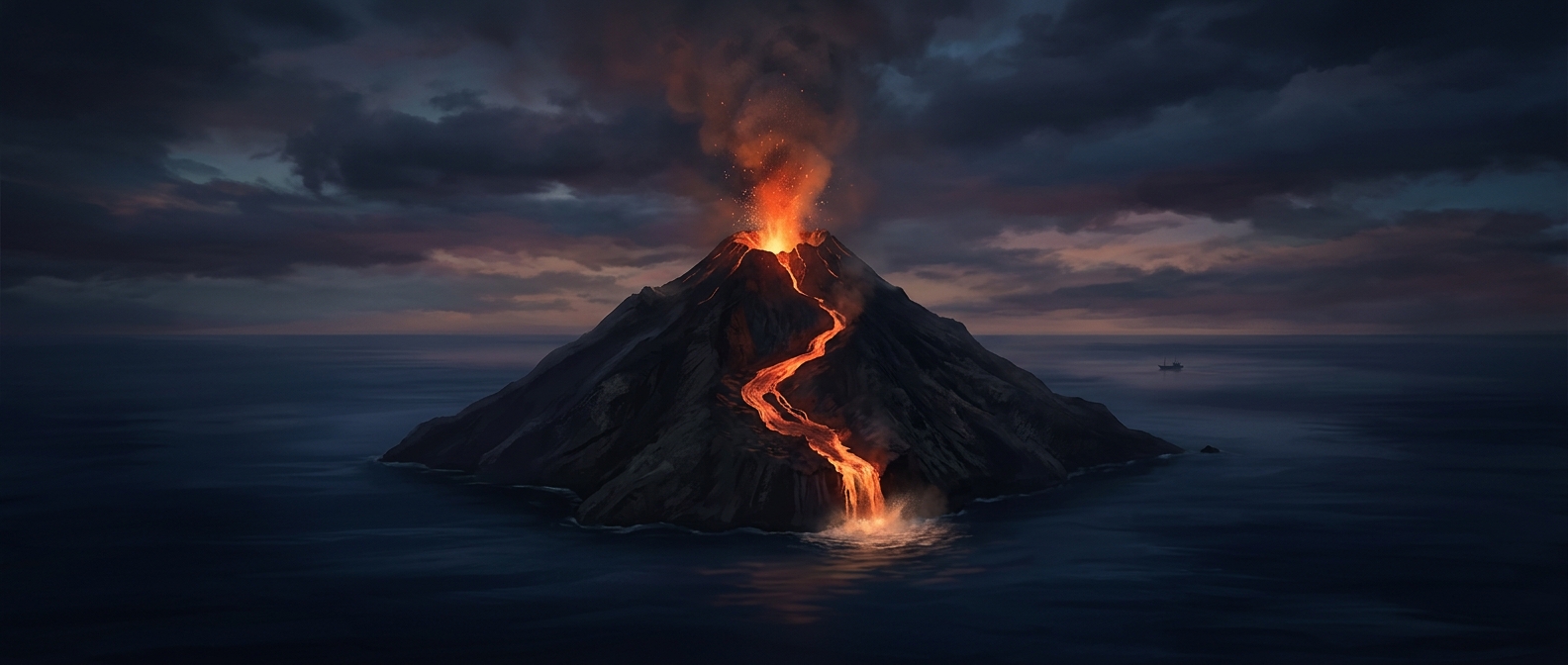
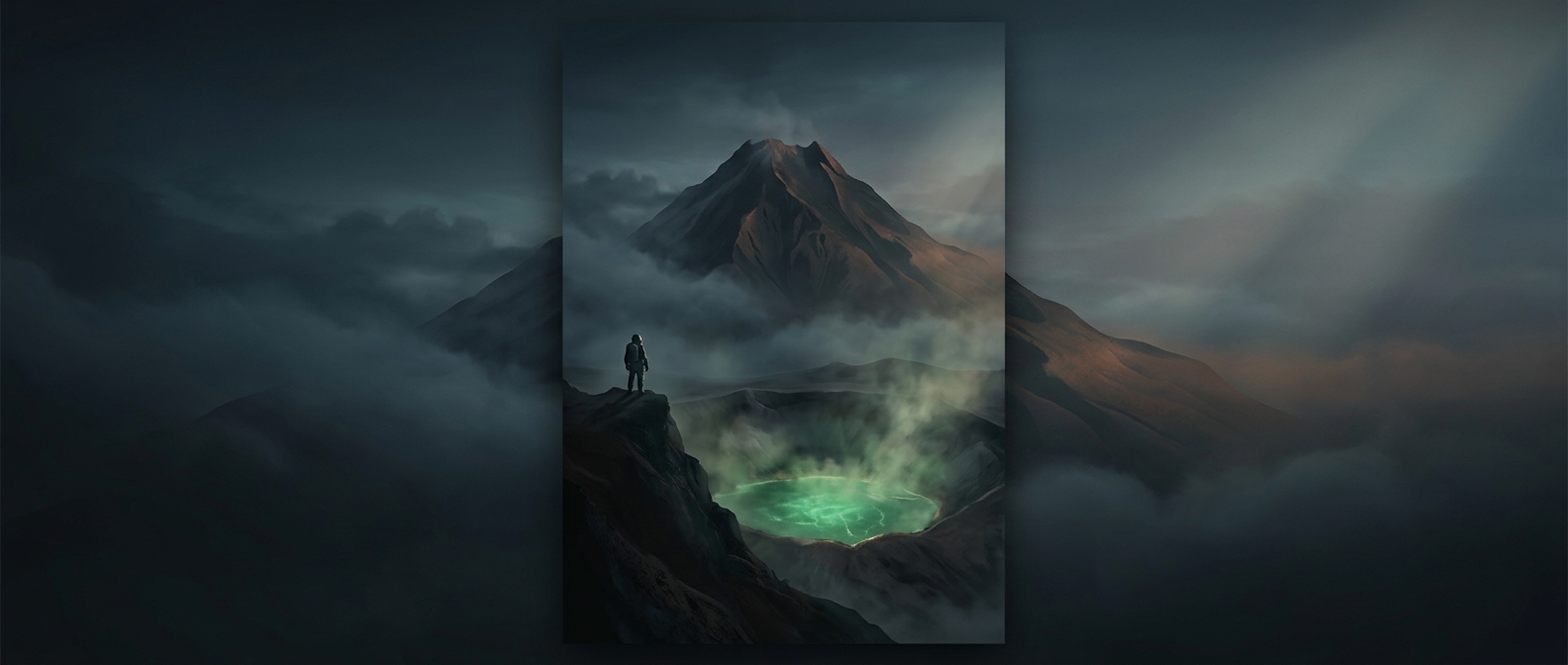
Mount Ruapehu’s crater lake is part of an active volcanic system. Heat from below warms the water, while volcanic gases and minerals make it acidic. The lake sits within the summit crater, where a barrier of volcanic rock and debris helps contain it. That barrier is not a constructed dam: eruptions and the movement of water can alter the loose material that forms it.
How a lake becomes a lahar
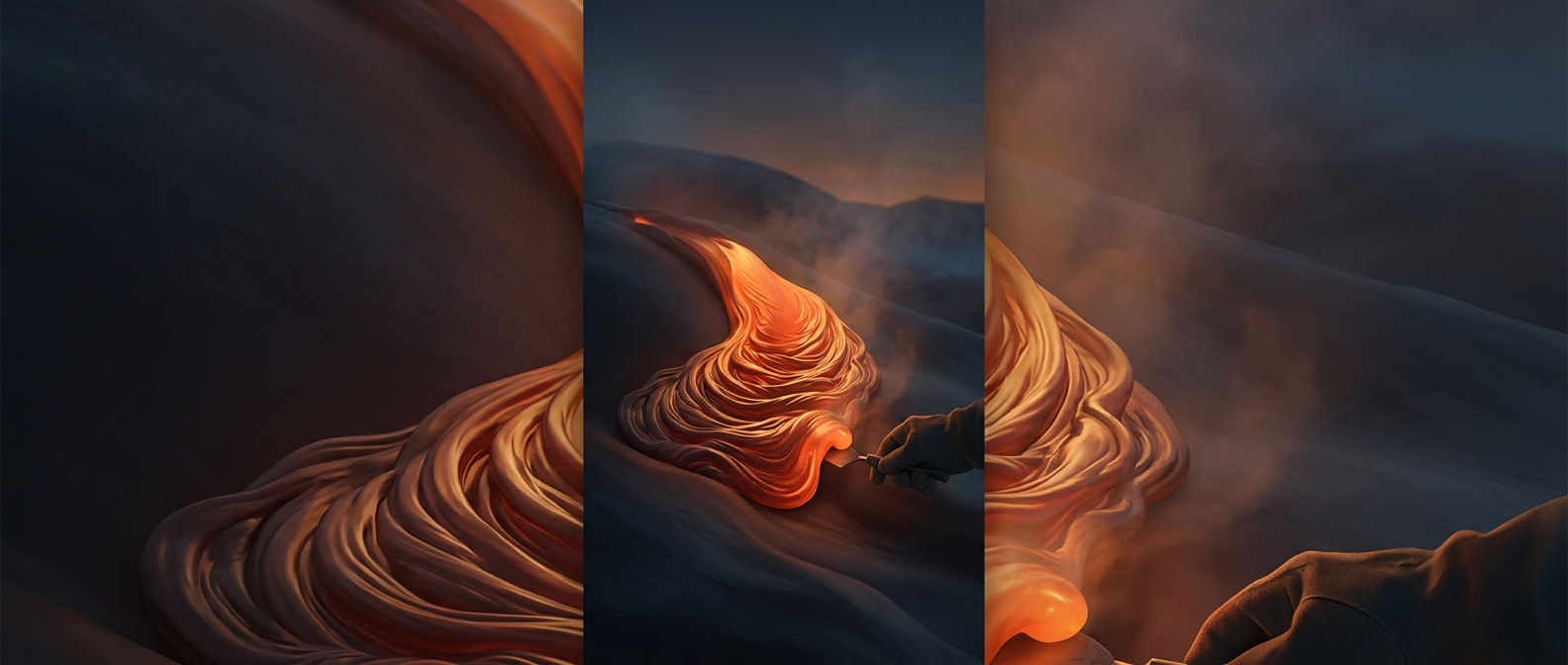
If the barrier is breached or gives way, water can rush down the volcano’s slopes. As it goes, it can sweep up ash, rocks, and other loose debris. The result is a lahar—a dense, fast-moving flow that behaves more like wet concrete than a clear stream. It can travel down valleys and river channels, carrying material far from the crater.
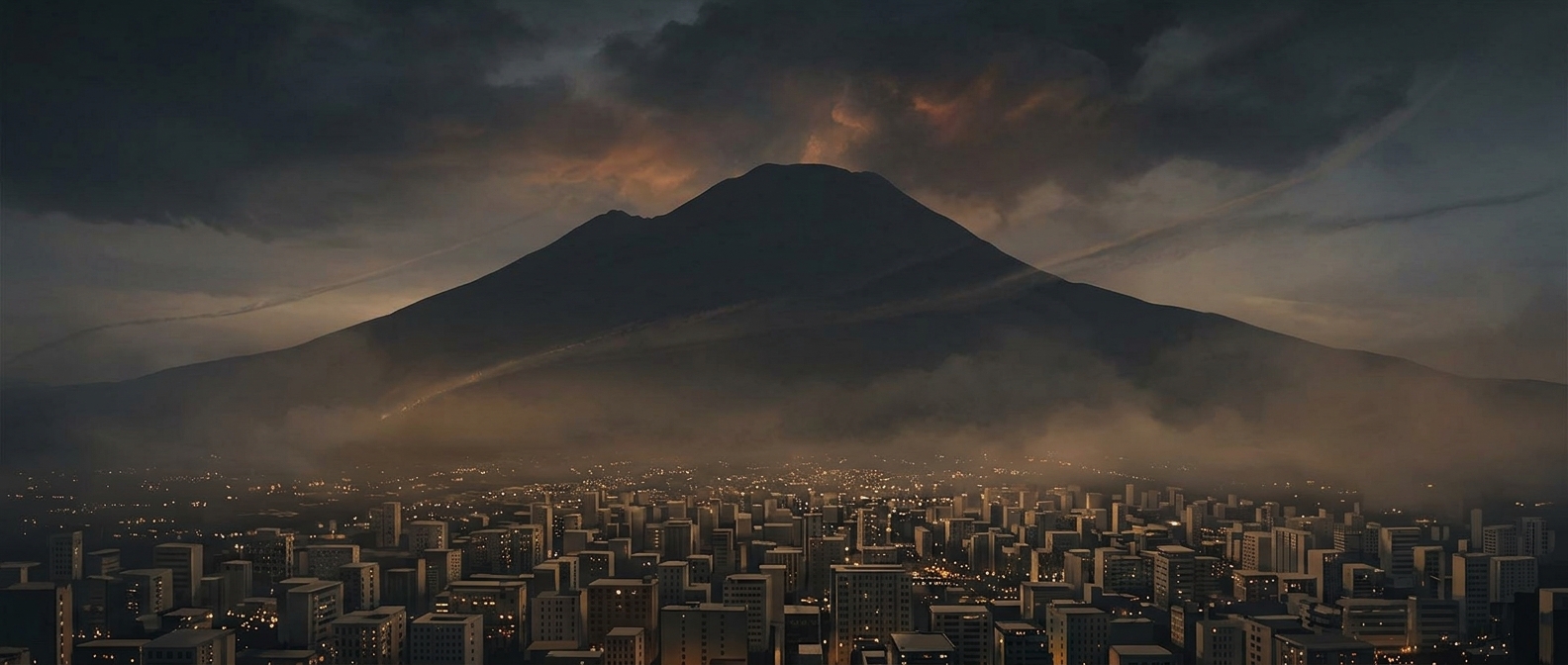
The water’s heat and acidity add hazards, but the flow’s force and the debris it carries are what make a lahar so destructive. Its route is shaped by the landscape: low-lying channels can funnel the surge toward places well below the summit. That is why the danger is not confined to the lake’s edge; what matters is whether the barrier holds and where the water can go if it does not.