A volcano with a pressure-release valve
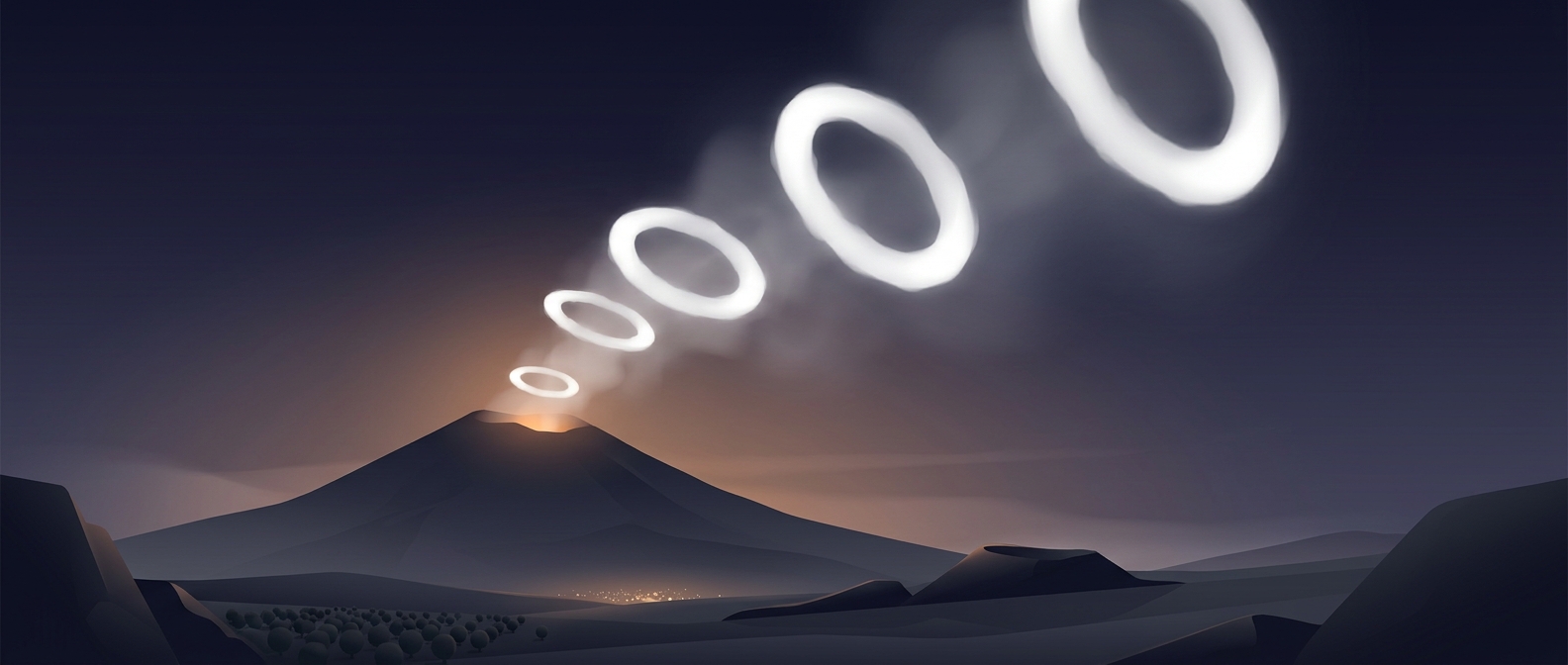
Stromboli’s repeated bursts depend on a particular kind of magma plumbing. Magma contains dissolved gases; as it rises and pressure falls, those gases separate into bubbles. In Stromboli’s shallow conduit—the passage that carries magma toward the surface—bubbles can gather and grow until they burst, throwing molten fragments and ash into the air.
Because the gas escapes in separate bursts rather than building toward one enormous release, the volcano often produces a recognizable pattern of modest explosions. This style of activity is called Strombolian, after Stromboli itself. The name describes a type of eruption, not a guarantee that every burst is identical.
Why the pattern can persist
The rhythm depends on magma continuing to rise and supply gas to the upper conduit. Each burst releases some pressure, but it does not empty the volcano or end its activity; more gas-rich magma can move upward and set up another explosion. The process can therefore repeat over long periods, even though the timing and intensity of individual bursts vary.
That distinction matters: a volcano active over centuries is not necessarily erupting without interruption. Stromboli’s enduring spectacle comes from a recurring cycle of gas gathering, pressure release, and renewed supply—a small-scale process that can keep a volcanic summit visibly alive without a single continuous outpouring of lava.