How the brain finds a workaround
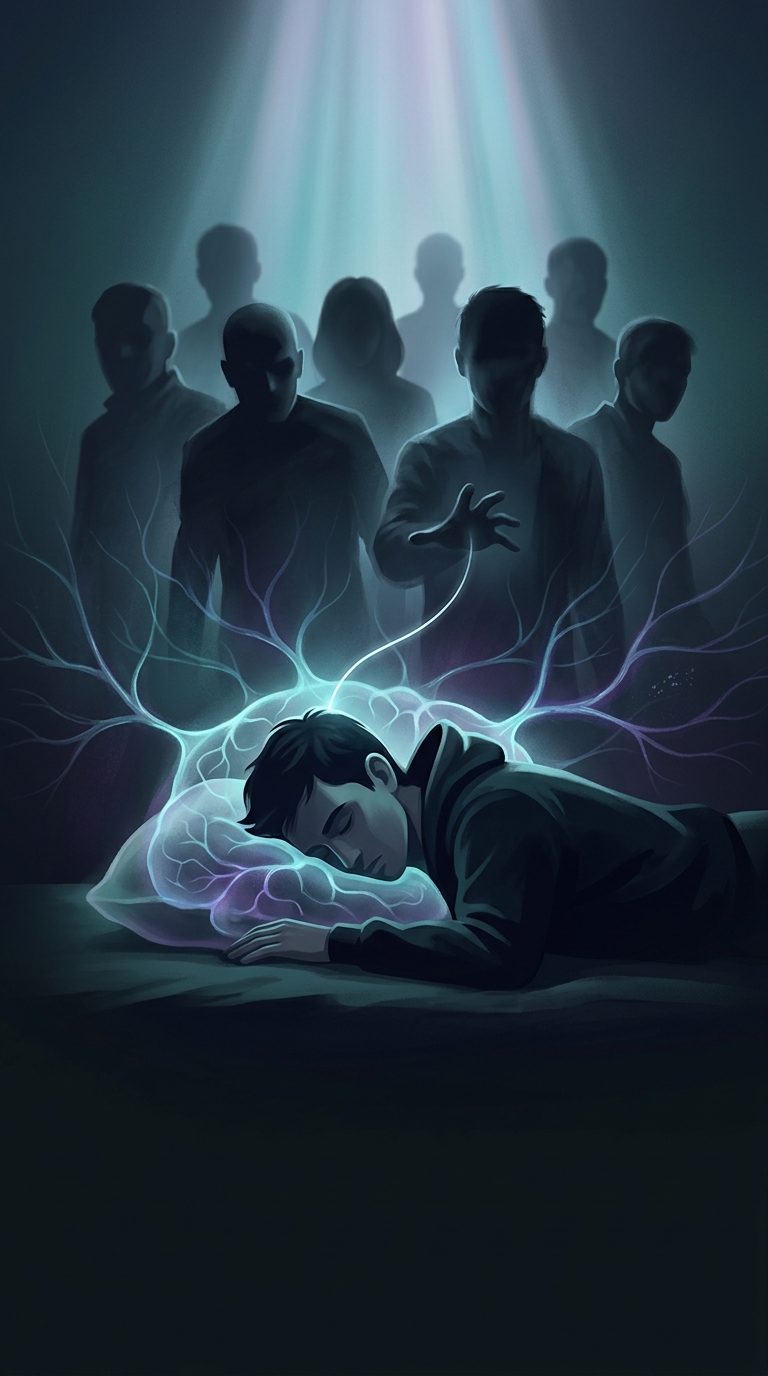
A damaged brain pathway does not usually grow a neat replacement route from scratch. Instead, recovery can draw on connections that already exist but were less involved in the task. When the usual route is disrupted, signals may travel through these alternate connections, and repeated use can make them more effective.
The brain’s ability to adjust its connections is called neuroplasticity. Practice helps shape that adjustment: attempting a movement or skill again and again engages the circuits that can still participate. Over time, those circuits may become better coordinated, while nearby or connected areas contribute more than they did before the injury. The change can involve both stronger communication between neurons and shifts in which regions are recruited for a task.
Why practice matters—and why recovery varies
Rehabilitation uses this adaptability by focusing on specific actions. If someone is relearning to reach, for example, guided attempts give the brain repeated chances to use and refine the remaining routes involved in reaching. Practice is not simply a test of whether a person can perform the action; it supplies the repeated activity that can help the nervous system reorganize.
A workaround has limits. The result depends on what was injured, how much of the relevant network remains available, and the demands of the task. A person may regain a useful movement or skill without restoring the original pathway or achieving the same speed and precision as before. The brain can redistribute work, but it cannot always reproduce what was lost. That is why a successful detour may make everyday tasks possible while leaving some abilities impaired.