Dream characters are assembled, not cast
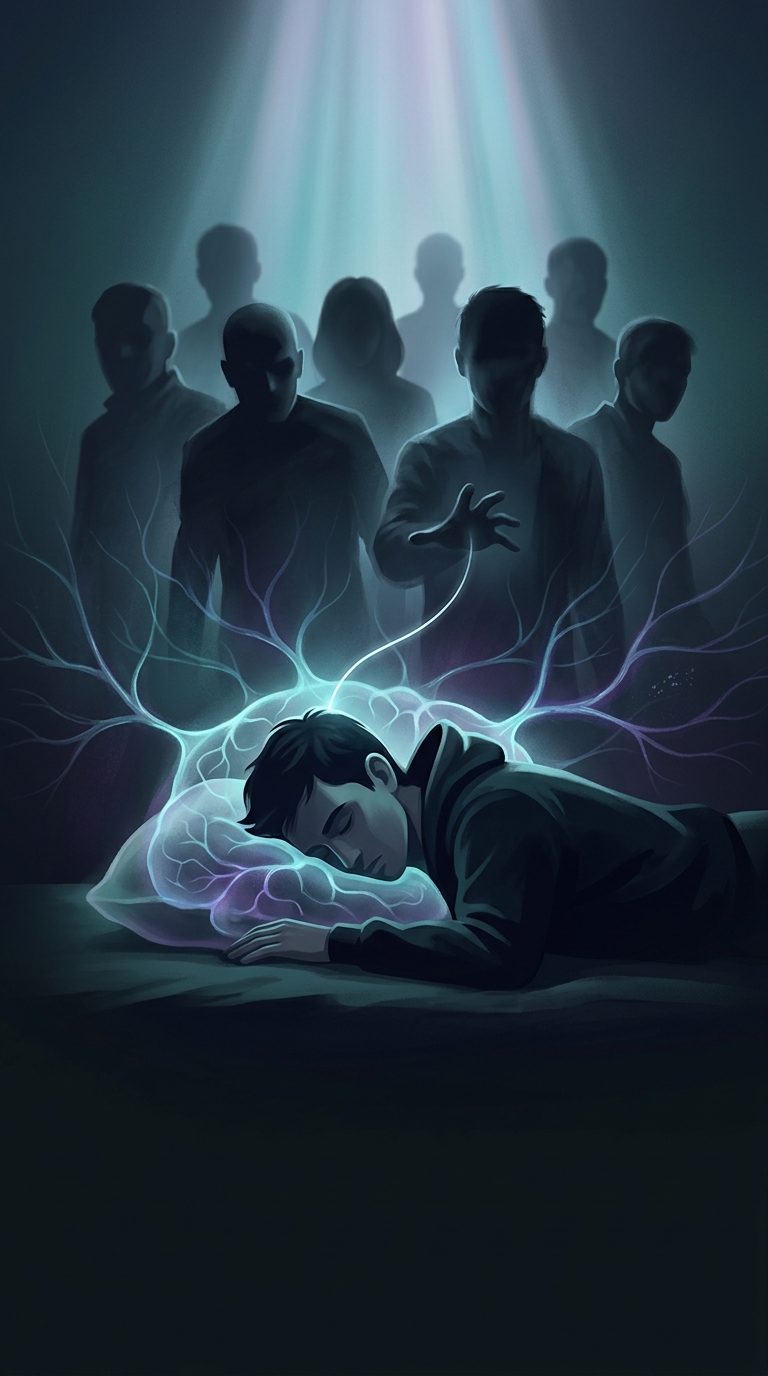
A frightening stranger in a dream usually has no single, discoverable identity. Dream characters can draw on memories of people you know, people you have briefly noticed, and details your mind recombines. A face may feel familiar without matching anyone you can identify when you wake up.
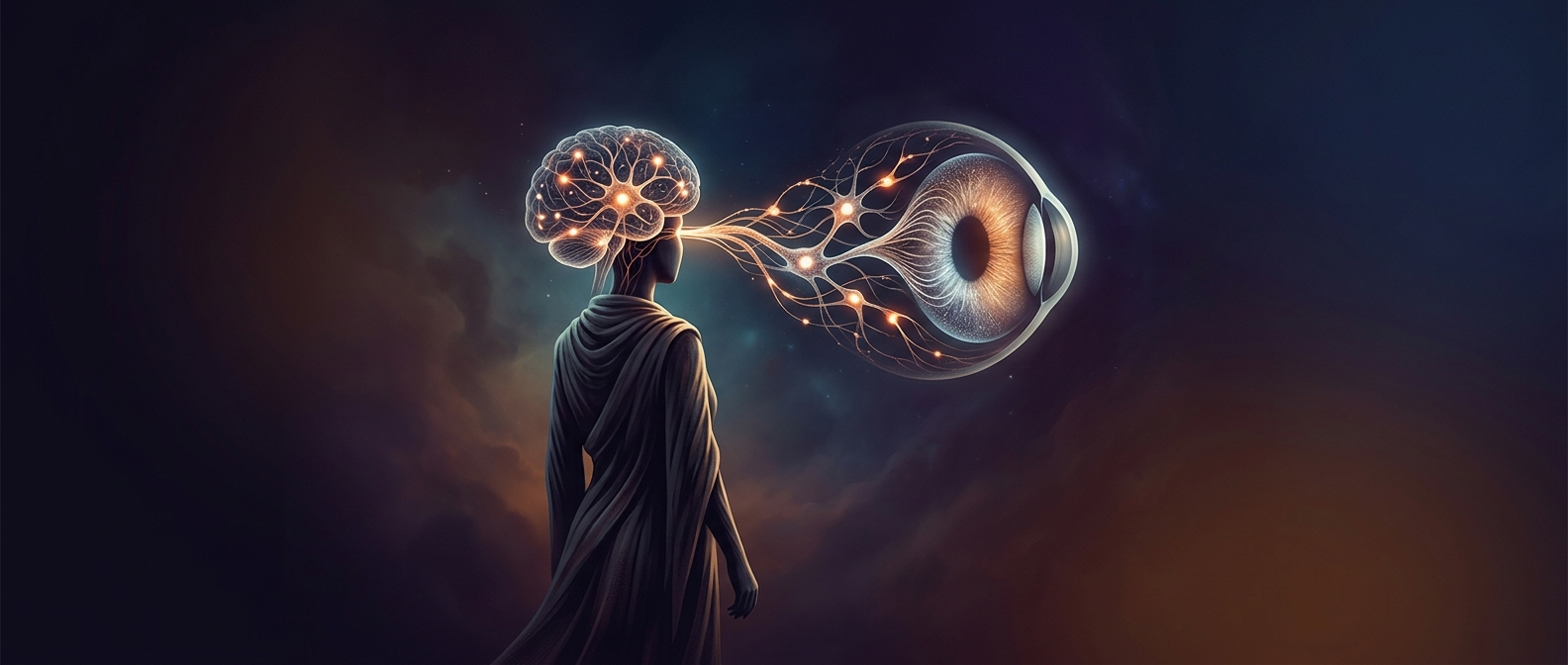
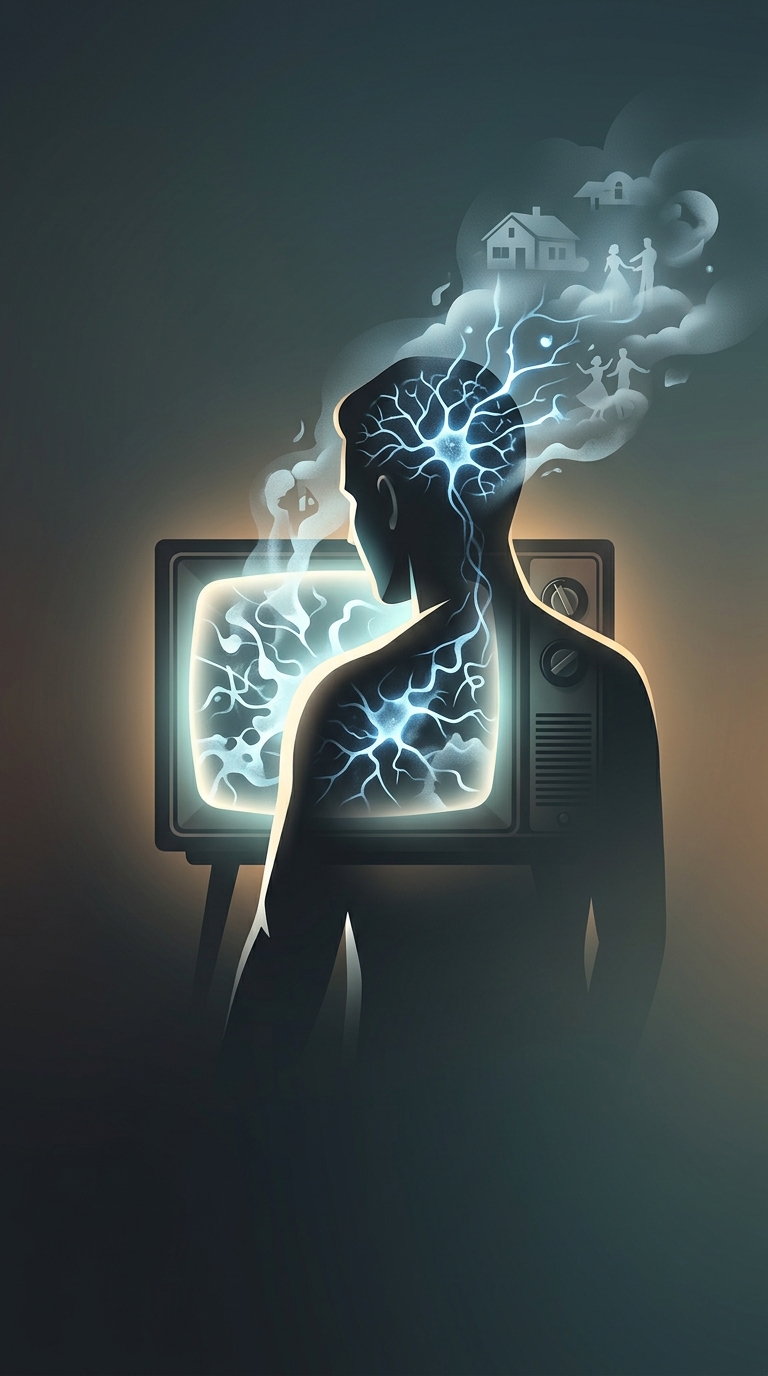
That happens because dreaming is not like watching a finished movie stored in the brain. During sleep, the mind can activate bits of memory, emotion, and imagery, then weave them into a scene. The person in that scene may borrow a face, a voice, or a mannerism from one memory while taking the rest from elsewhere—or from imagination.
Why a stranger can feel terrifying
Dreams can produce intense fear even when the person on screen has no clear real-world counterpart. The emotion may arise from the dream’s situation—a pursuit, a threat, or a sense that something is wrong—rather than from a hidden message encoded in the stranger’s identity. The character gives that alarm a shape.
Dreams also tend to be less logically checked than waking experience. If a scene shifts or a character behaves strangely, the sleeping mind may accept it and keep the story moving. That can make a vague figure seem menacing before you have any reason to ask who they are.
A face is not a code
It is tempting to treat a dream stranger as a symbol with a fixed meaning, but there is no reliable universal key that identifies what a particular character “really” represents. The same kind of figure could arise from different memories or feelings for different people—and from no specific person at all.
If a dream stays with you, the most useful clue may be the feeling and situation around the character, not a search for the exact stranger’s identity. Your sleeping brain can make a convincing person without having a real person in mind.