Science
Discover facts about science. Small discoveries that change the way you see familiar things.
Science

Meteorologists consistently failing to accurately predict weather events happening right outside
A forecast covers a particular area and stretch of time, not every doorstep at once. A shower can soak one neighborhood while nearby streets stay dry, so a…
Discover more
A solid tabletop pushes back through atomic forces
Your finger does not pass through the table because the atoms in the two surfaces resist being forced into the same space. Electrical interactions and quantum…
Discover more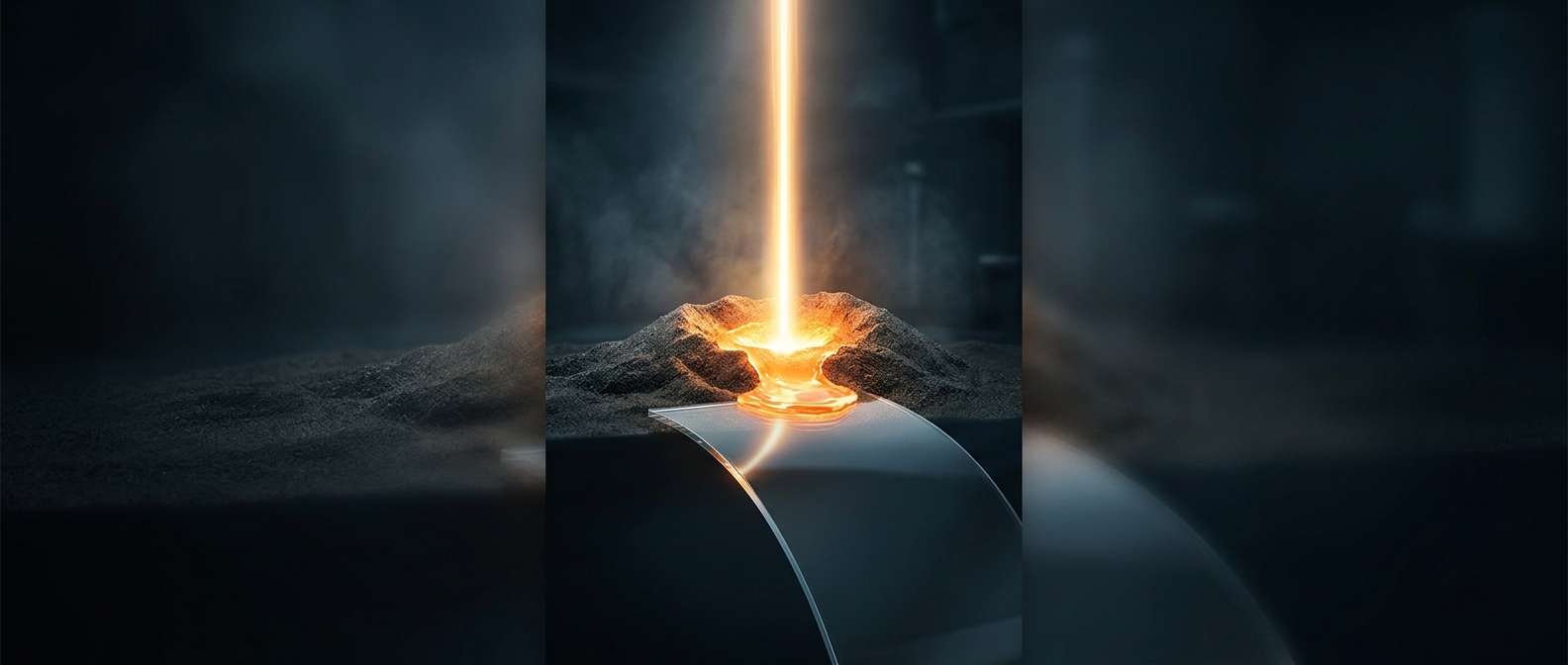
Glass lets visible light pass because it doesn't readily absorb it
In clear glass, visible-light photons generally cannot make the electronic transitions needed to be absorbed. A smooth, uniform piece also avoids scattering…
Discover more
A flame can be surprisingly hard to cast a shadow with
Much of a flame is hot gas that lets light pass through, rather than blocking it like a solid object. Soot can still absorb light, and hot air bends it, so…
Discover more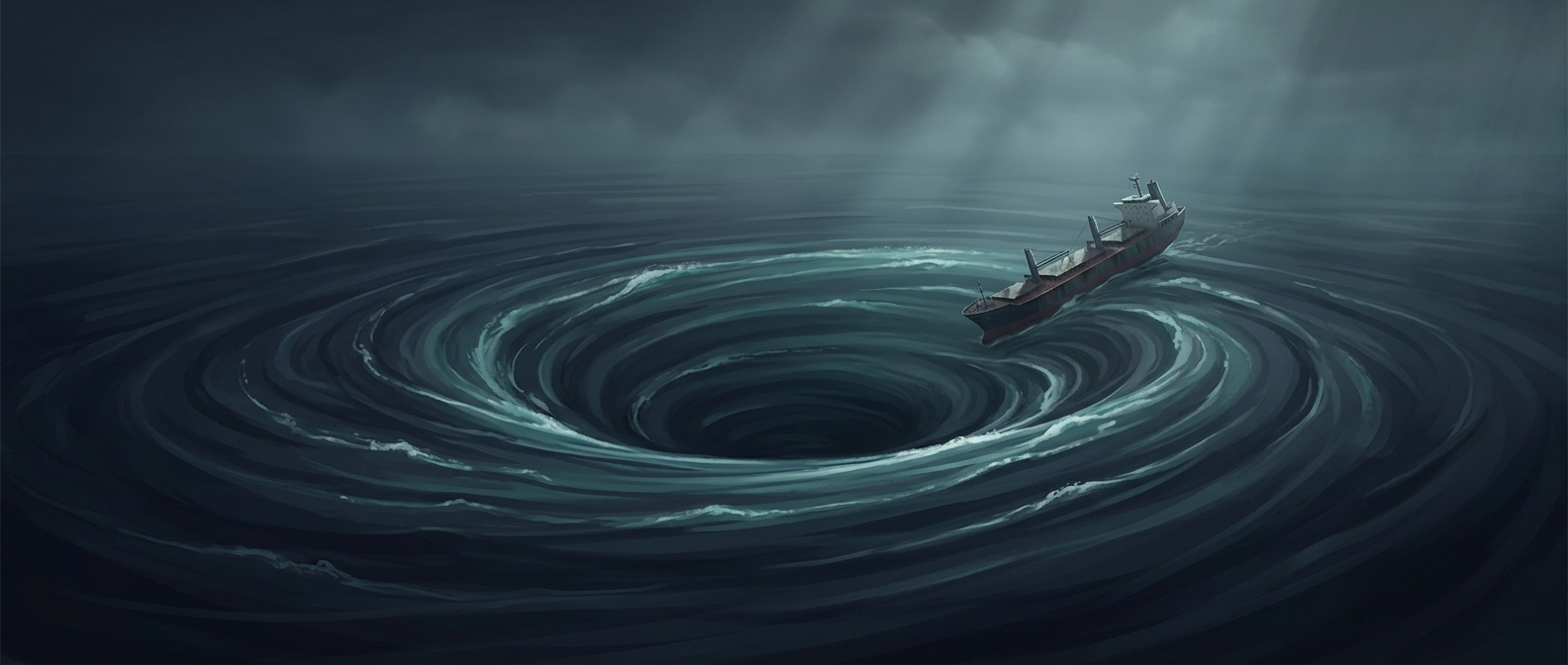
Why ocean whirlpools can swallow boats
A whirlpool is a strong, uneven current, not a drain reaching down into the sea. It can spin or capsize a small boat, while the churned water may hide the…
Discover more
How an explosion can go silent nearby
A blast sends sound through air layered like a stack of warm and cool blankets. Because sound moves at different speeds in those layers, its path bends upward…
Discover more STACKY FOR IPHONE
A bigger world.
One discovery
at a time.
Keep discovering with Stacky. Interesting facts in an app that is always within reach.
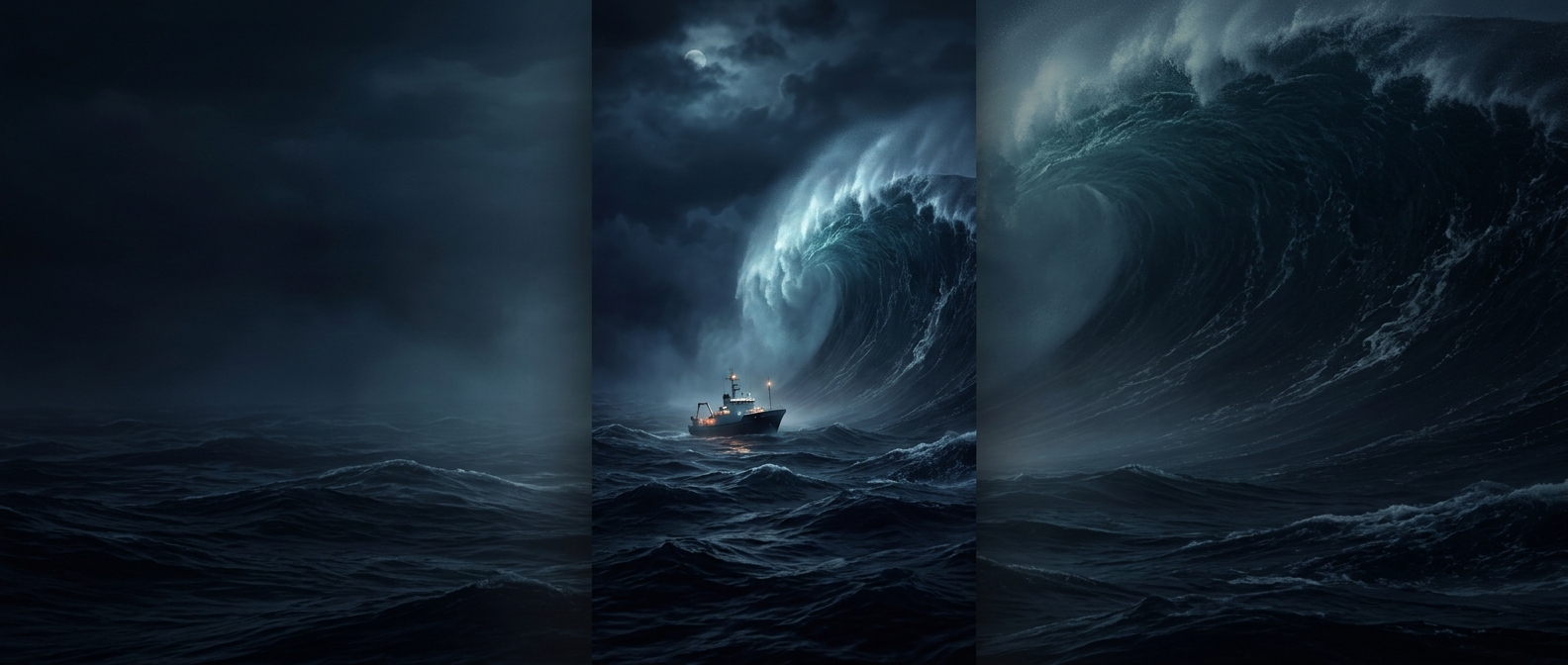
How rogue waves appear from nowhere in the open ocean
A rogue wave can form when ordinary waves meet and their peaks stack together. Currents can also squeeze wave energy into one spot, building a crest much…
Discover more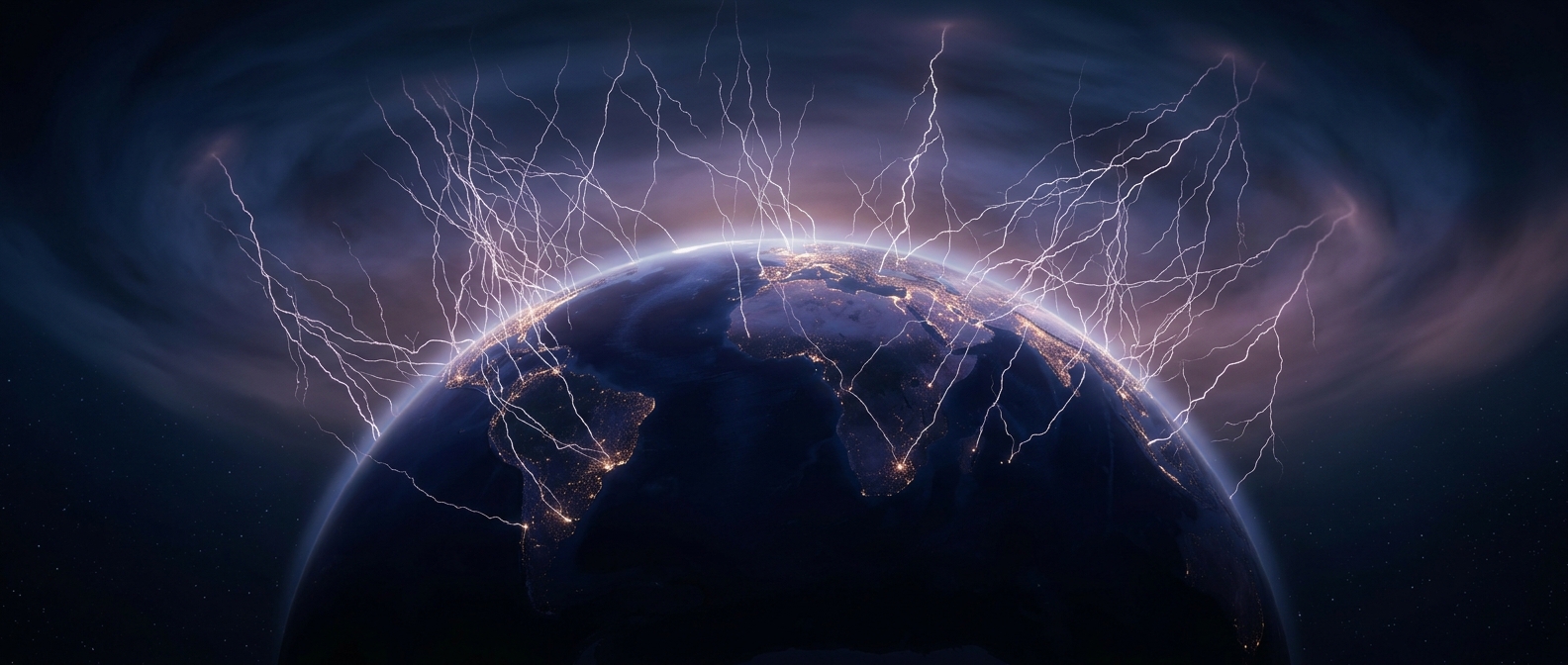
Millions of lightning strikes happen without thunder
A flash can stay visible after its thunder becomes too faint to hear. Lightning heats nearby air so quickly that the air expands and makes a pressure wave;…
Discover more
The meter stopped depending on a metal ruler
Its definition now uses the distance light travels in a precisely specified fraction of a second. Instead of protecting one physical object as the ultimate…
Discover more
Why mathematicians invented imaginary numbers
When a problem asks for a number that squares to −1, imaginary numbers supply one: i. That extra kind of number also makes it easier to track things that…
Discover more
Watching the massive global oceanic bodies shift continually due to invisible lunar gravity
The Moon’s pull is a little stronger on Earth’s near side than on its far side, stretching the oceans into bulges on both sides of the planet. As Earth turns,…
Discover more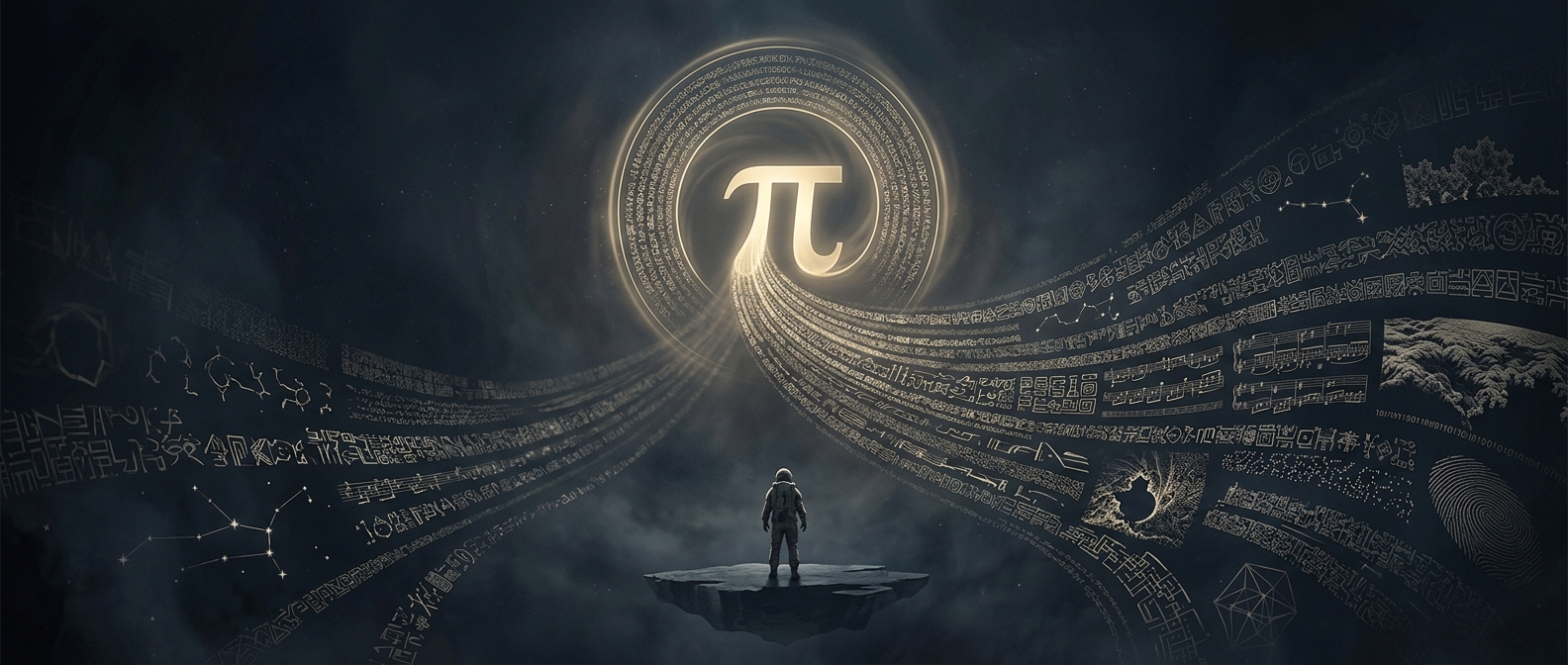
An endless decimal does not have to contain your phone number
Pi would contain every finite digit string if it is normal in base ten, meaning digit patterns occur with the expected frequencies. That property has not been…
Discover more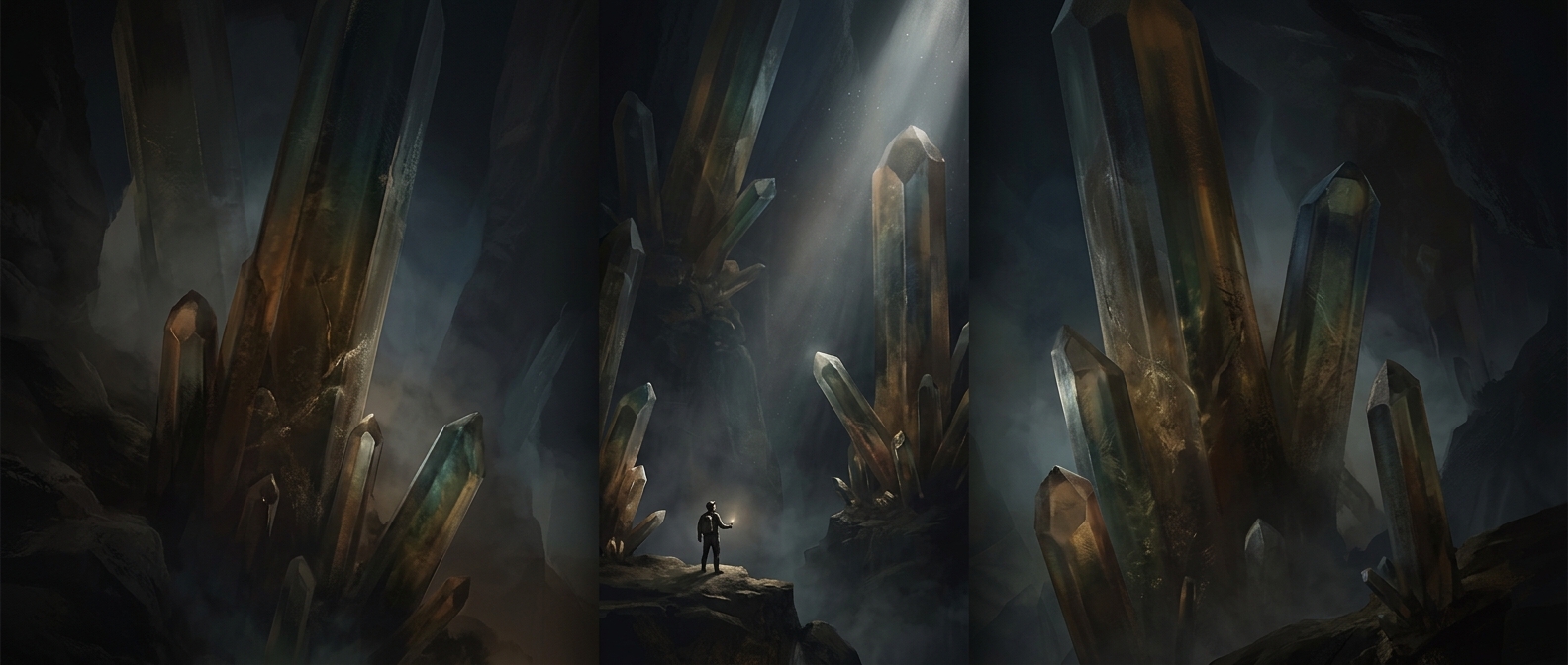
Mexico's crystal cave grew beams longer than a bus
Some gypsum crystals in the Naica cave exceed eleven meters in length. They grew in mineral-rich water under unusually stable conditions, allowing dissolved…
Discover more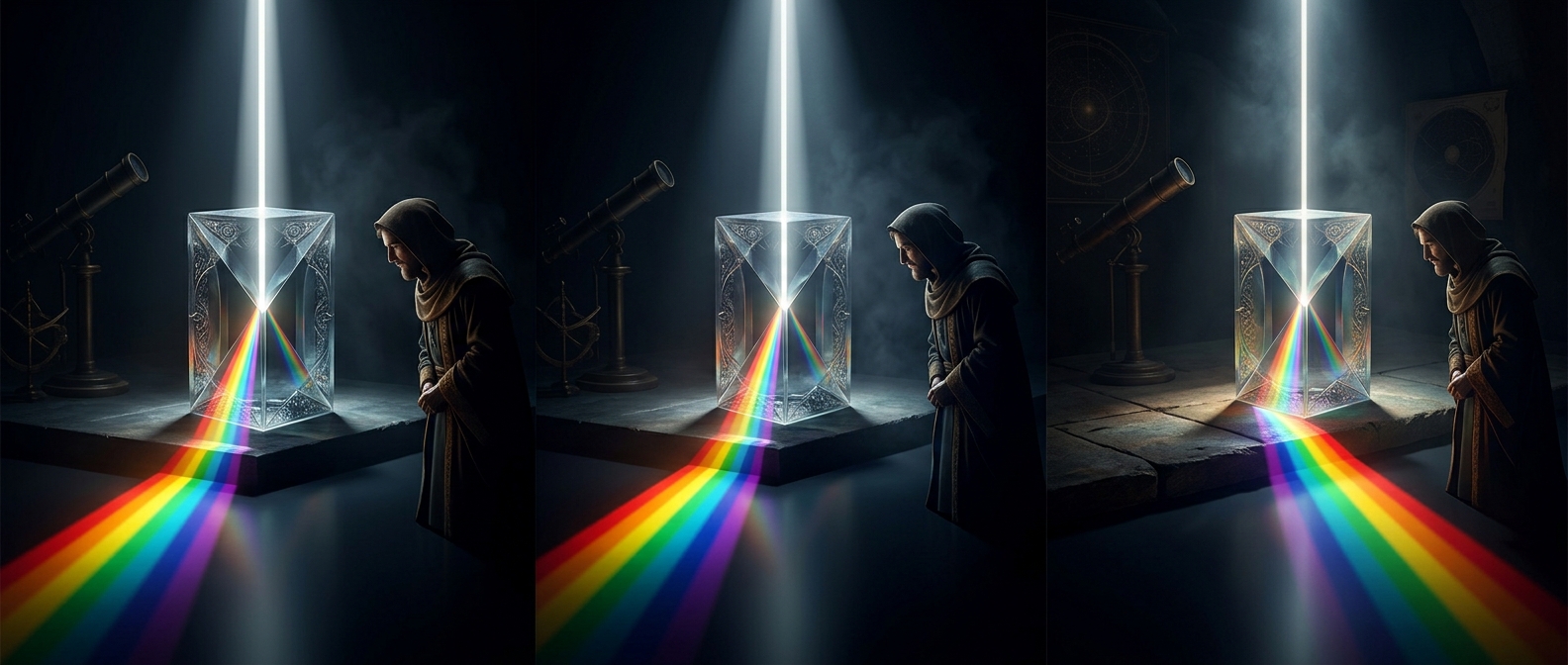
Splitting entirely invisible white light into a highly distinct spectrum of vibrantly colored bands
A raindrop acts like a tiny prism: sunlight bends as it enters and exits, and reflects inside the drop. Red and violet light bend by different amounts, so the…
Discover more
Understanding that geological erosion takes millions of years just like your morning routine
A river can spend a quiet day looking harmless, then do much of its erosion in a powerful surge. Fast water carries heavy sand and pebbles that scrape and…
Discover more
A habit can keep going after its reward loses its appeal
Repeated actions can become linked to familiar cues rather than a fresh evaluation of the outcome. That helps explain why you can find yourself starting a…
Discover more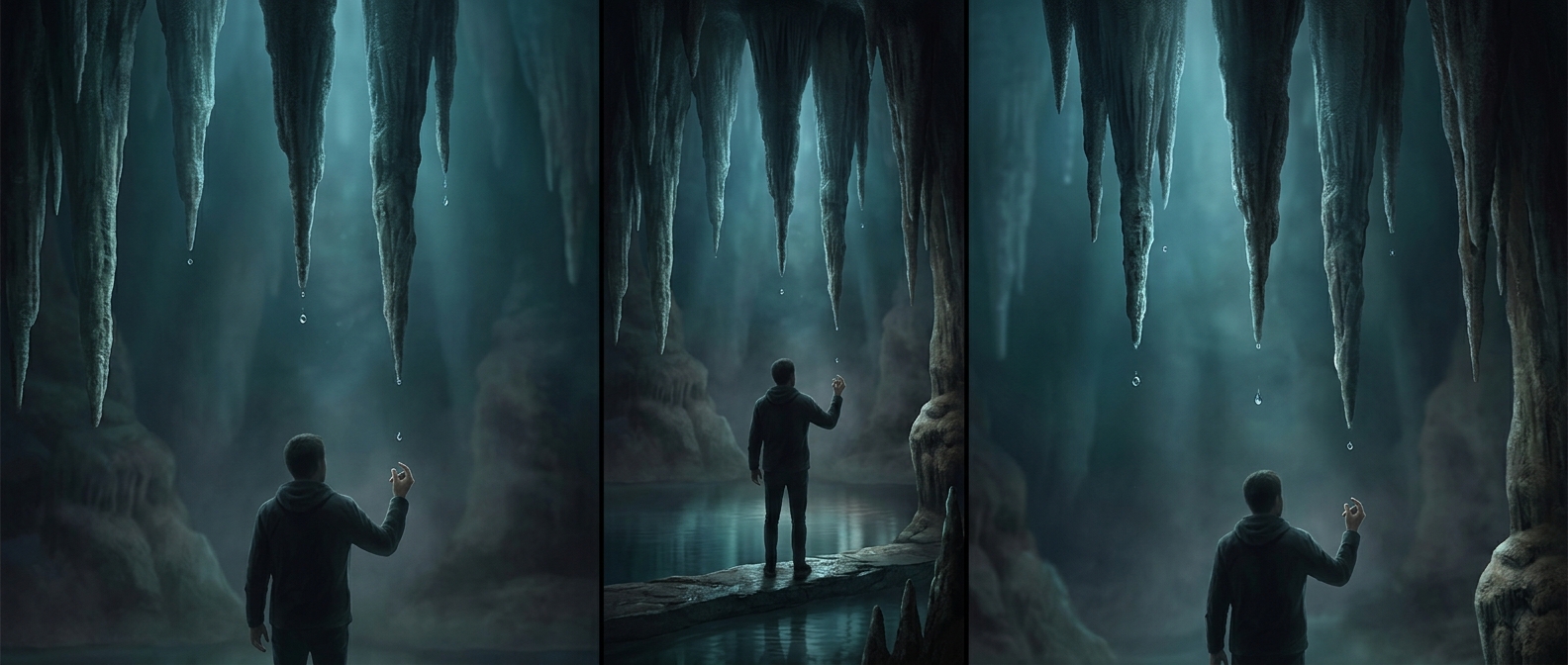
A stalactite grows from what a drip leaves behind
Water moving through limestone dissolves minerals, then deposits some calcite when it reaches a cave and loses carbon dioxide. Repeated drips build the…
Discover more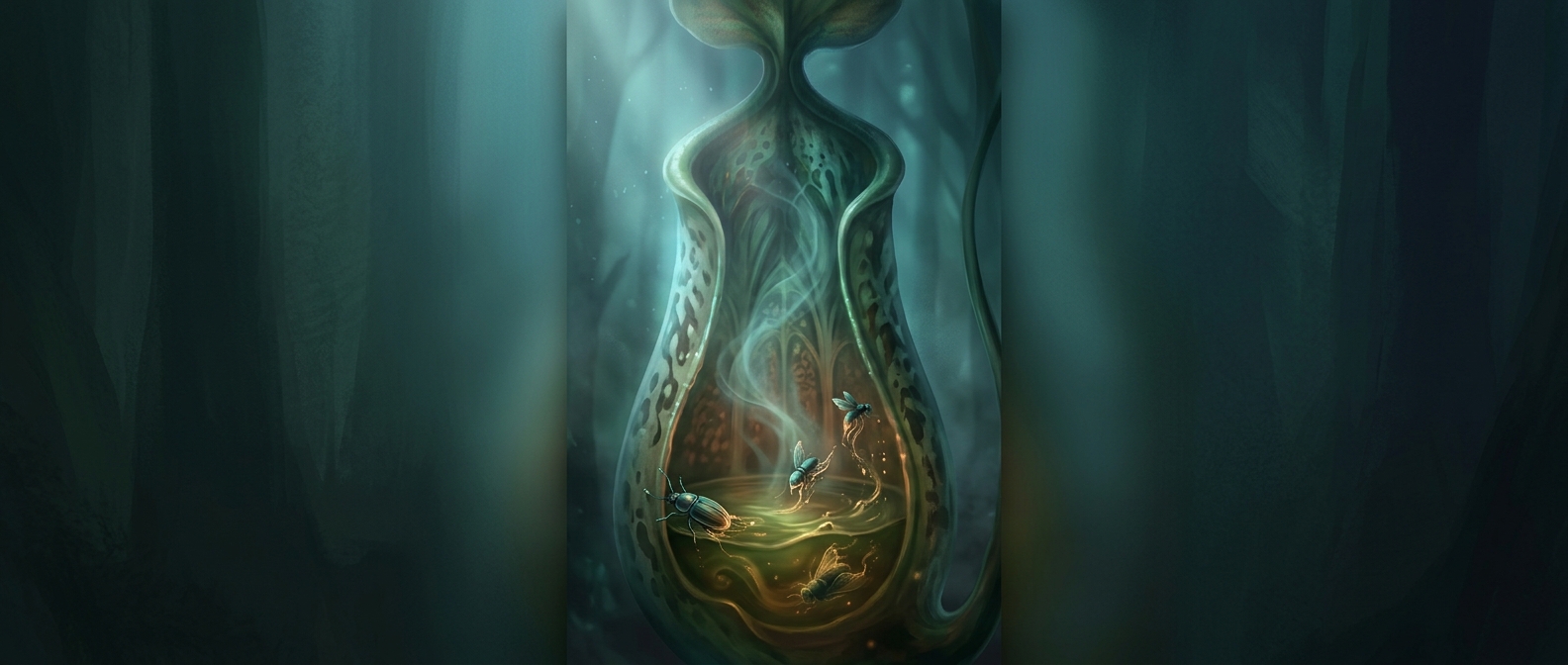
How pitcher plants turn insects into liquid
Poor soil leaves a pitcher plant short on key nutrients, so it attracts insects with nectar. Once prey slips into the pitcher, enzymes break it down into…
Discover more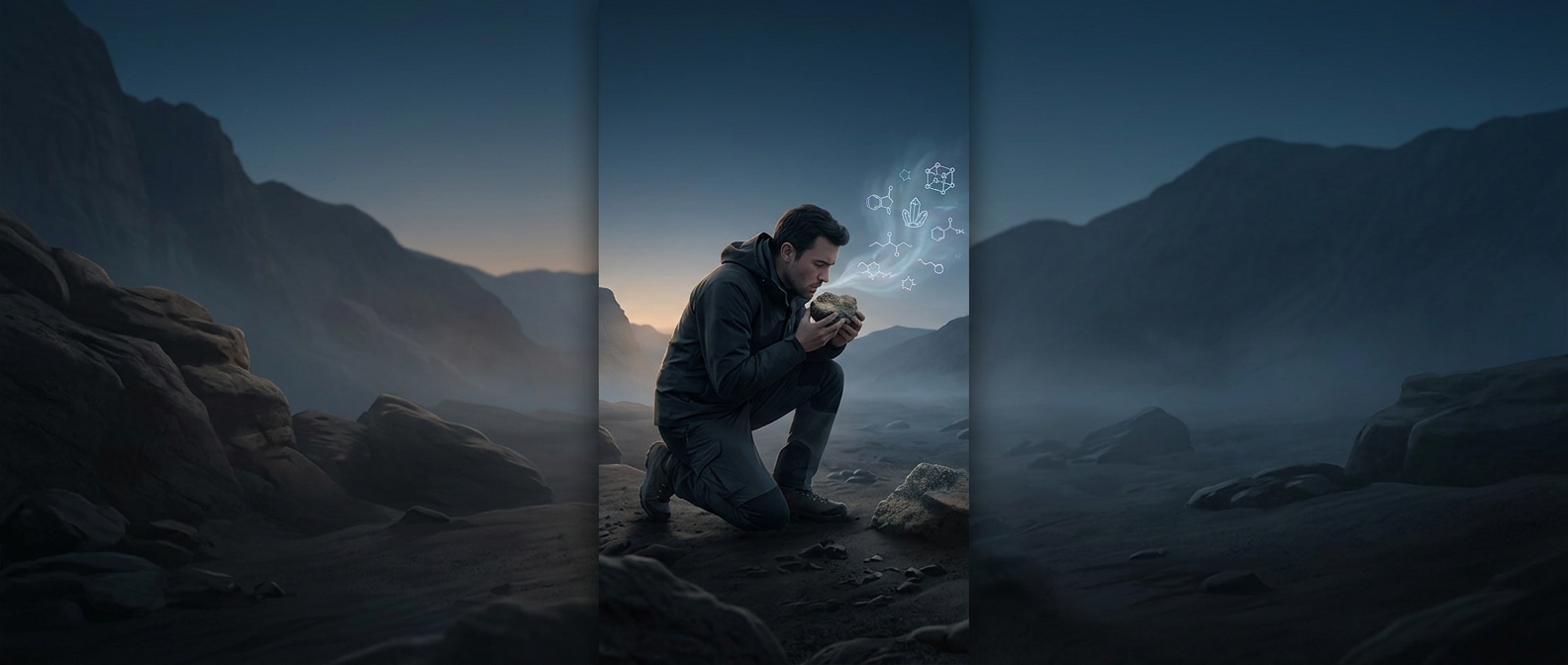
Why geologists sometimes lick rocks
A little moisture helps your tongue feel the size of a rock’s grains. Silt-sized grains can feel gritty, while much finer clay particles feel smooth. It’s a…
Discover more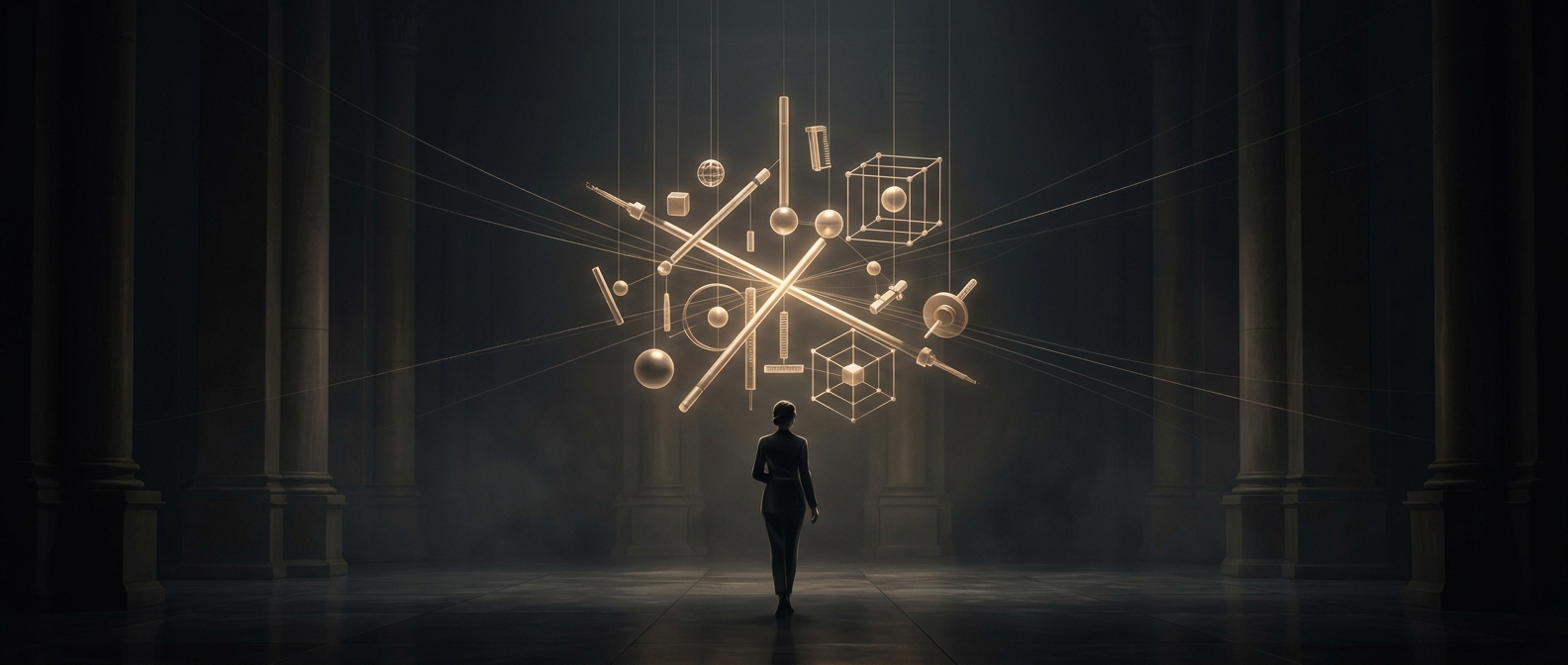
Establishing highly standardized measurement units ensures absolute global consistency
The meter is defined by how far light travels in a precisely specified fraction of a second. Since labs can reproduce that timing and measure light’s travel,…
Discover more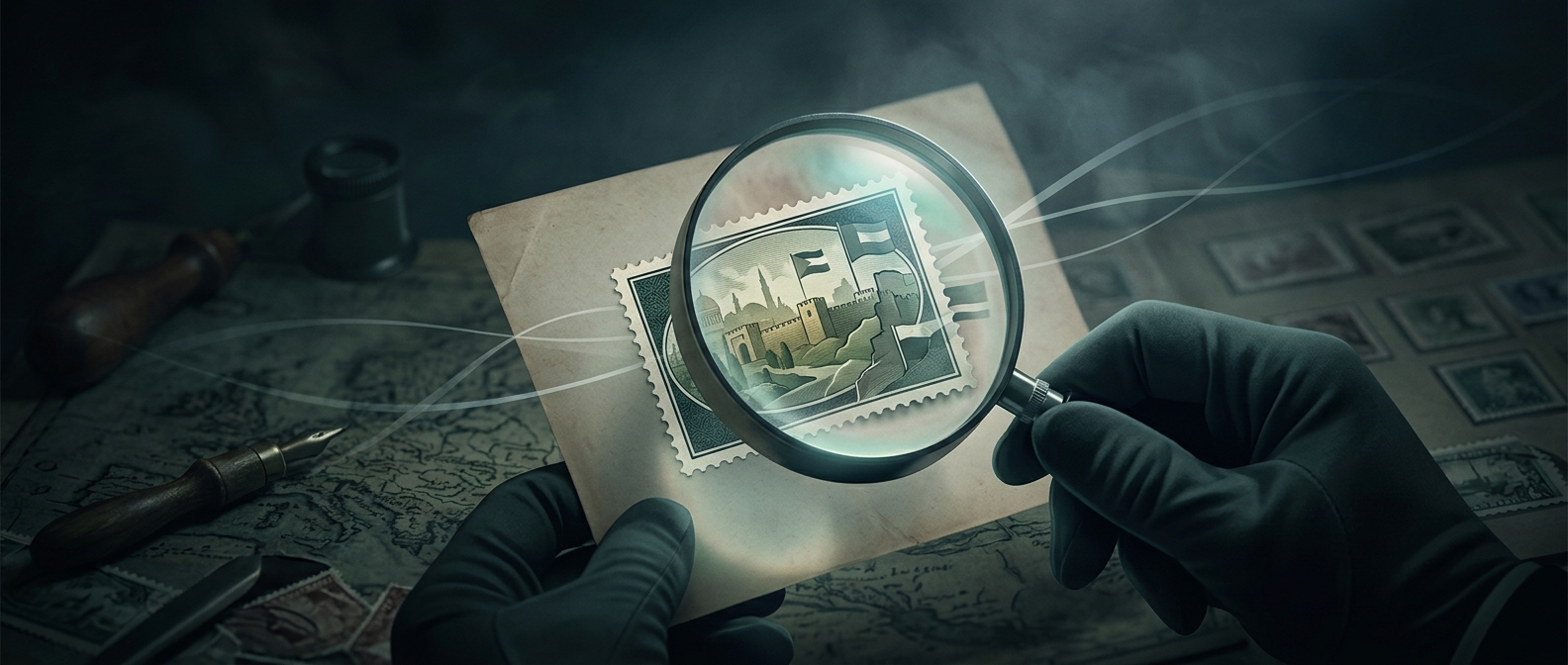
Collecting and studying postage stamps uncovers shifting political and regional changes
The image on a stamp can capture a country’s shifting politics, from the leaders it honors to the symbols it puts on display. Then collectors inspect the…
Discover more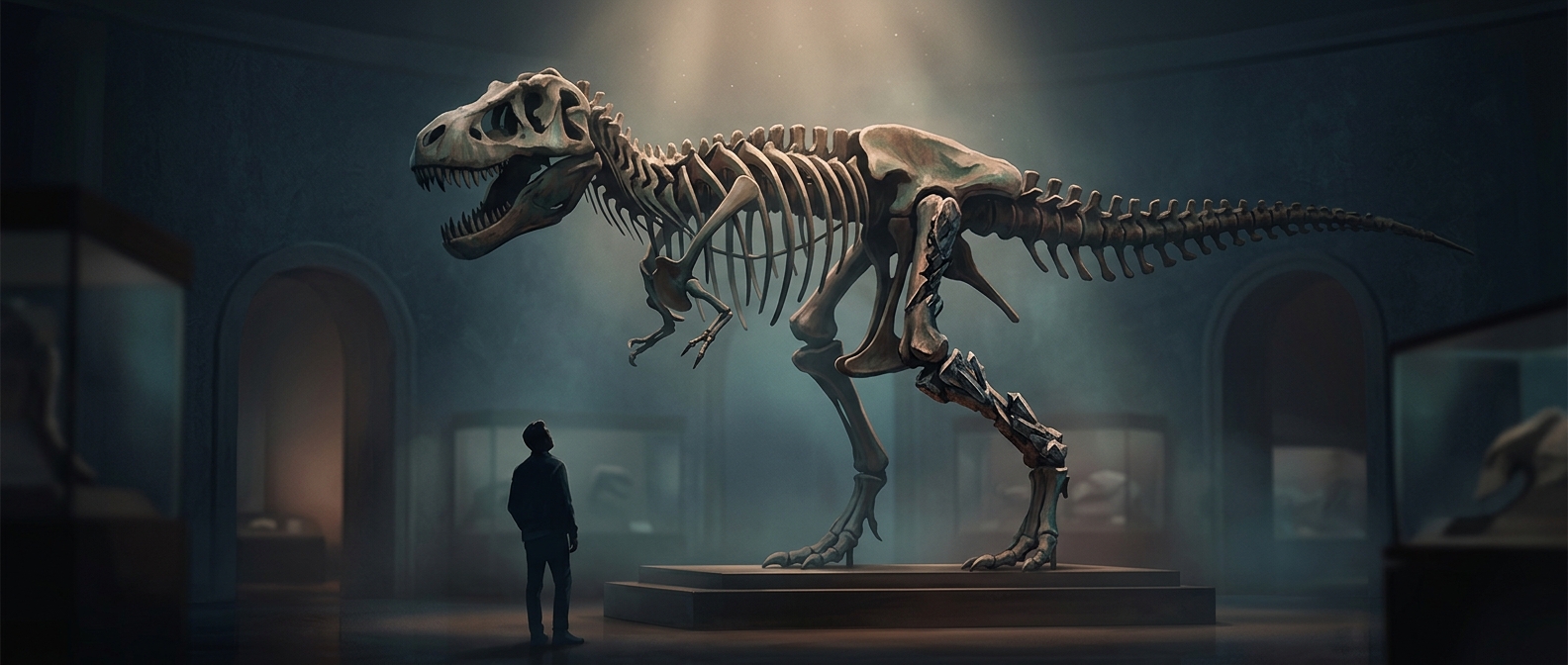
Groundwater can turn a bone into a mineral-filled fossil
Mineral-rich water moves through a buried bone's tiny pores and deposits material inside them. This process, called permineralization, can preserve fine…
Discover more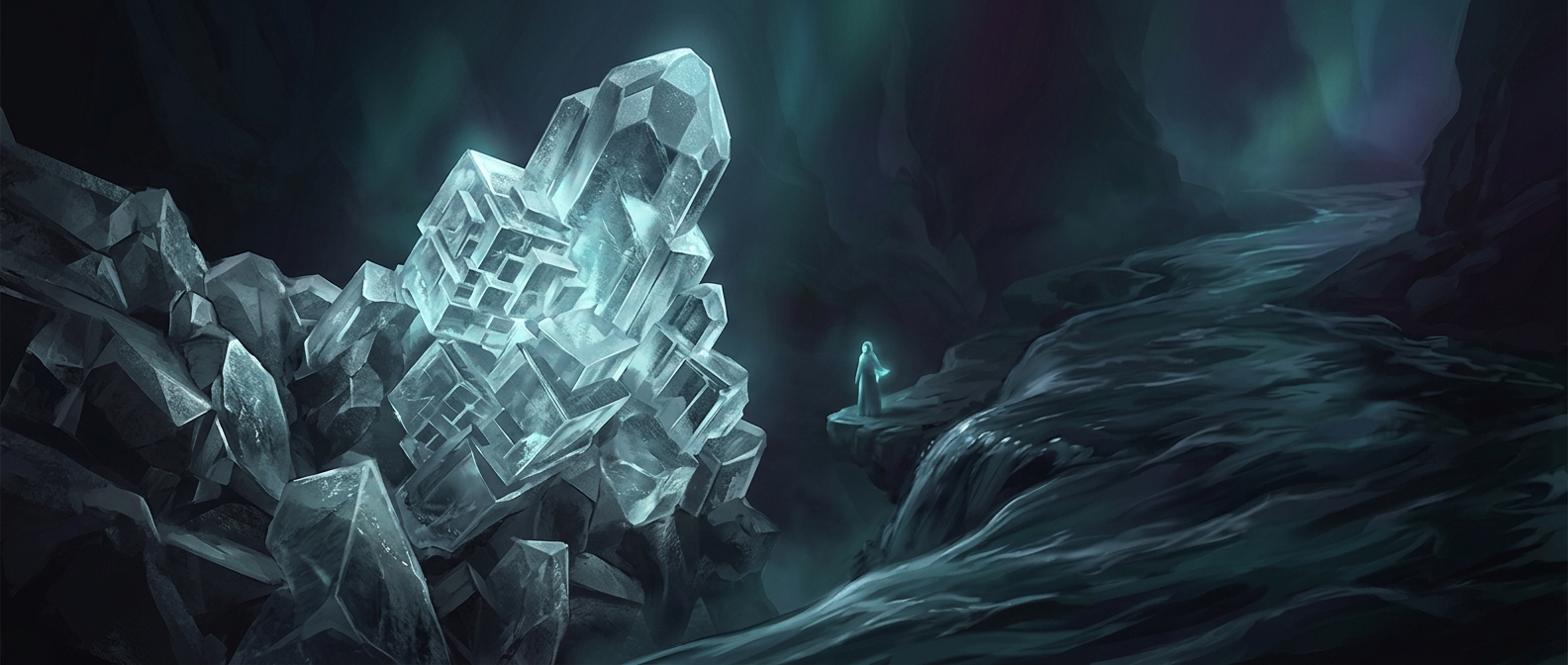
Natural ice qualifies as a mineral
A mineral is normally defined as a naturally occurring solid with an ordered crystal structure and a characteristic composition. Ice formed in nature fits…
Discover more
The mathematical paradox that doubles a sphere
Imagine trying to cut a sphere into pieces and reassemble them into two full-size spheres. The paradox allows that only when the “pieces” are bizarre…
Discover more