What Happens at the Tabletop
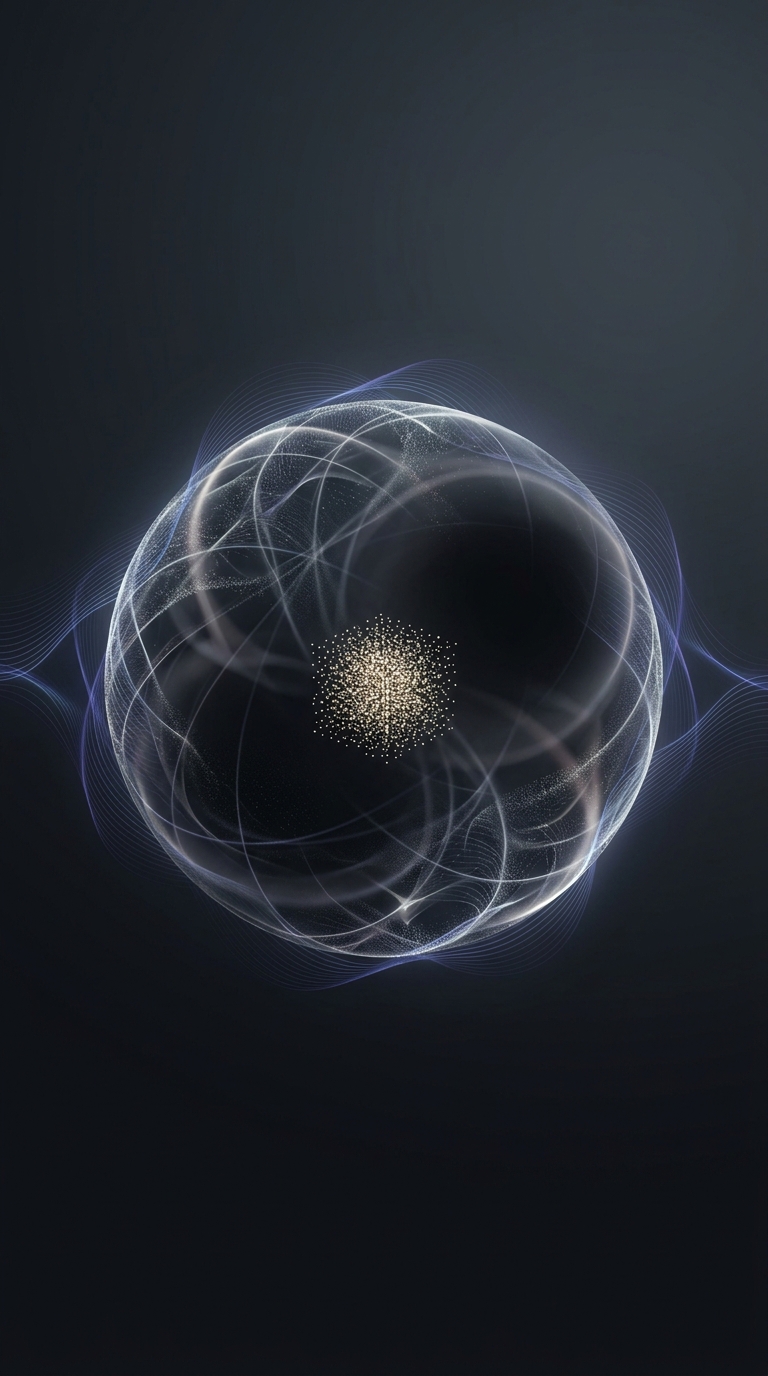
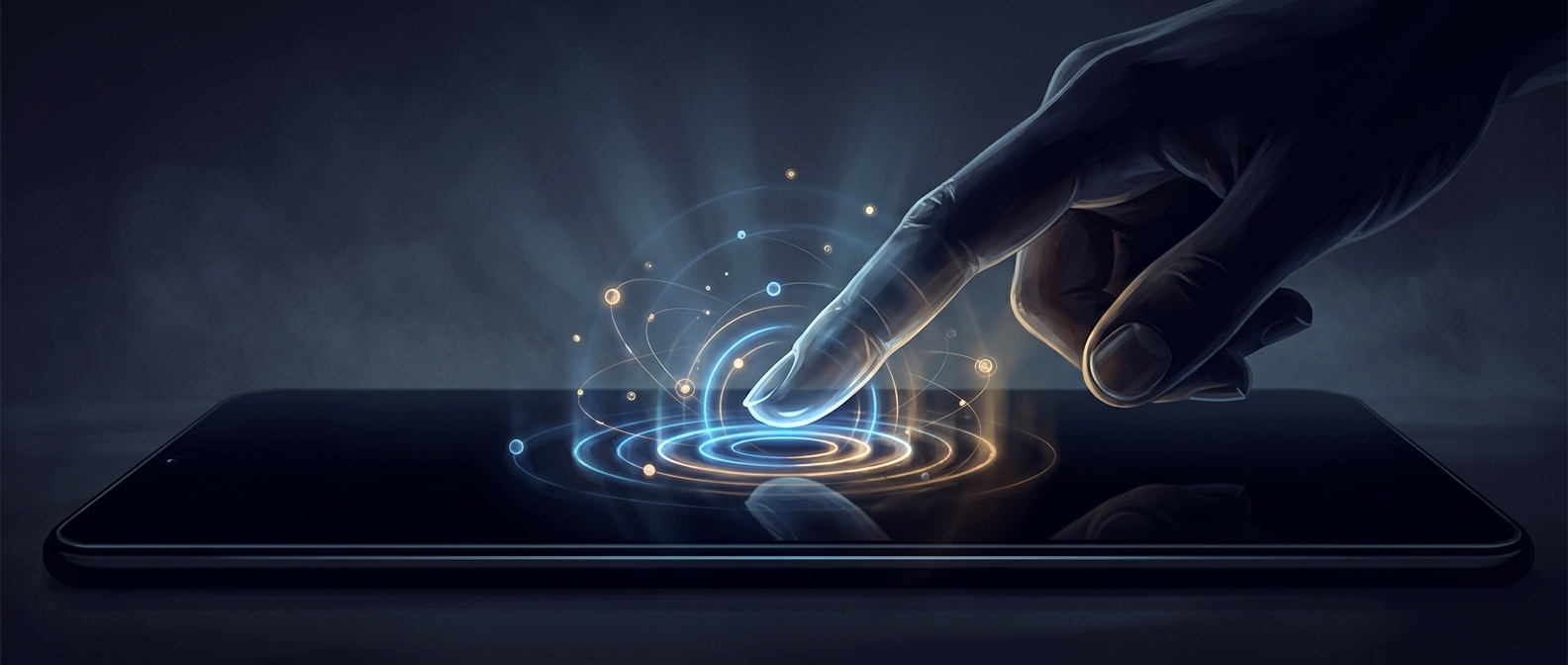
At the scale of atoms, a tabletop is not a smooth stack of tiny hard balls. Atoms have compact nuclei surrounded by electrons described by spread-out quantum states. When your finger approaches the surface, the electron clouds in the two materials begin to overlap. Their electrical interactions, along with a quantum rule that prevents electrons from sharing the same state, make further compression energetically difficult.
That resistance is what keeps your finger and the table from passing through each other. Their nuclei do not need to collide like miniature billiard balls; the interaction between their electrons is enough to support the pressure of your hand.
How Resistance Becomes Touch
Pressing the table slightly changes the shape of your skin and the tissues beneath it. Specialized nerve endings detect that mechanical deformation and send signals to your brain, which interprets them as pressure, texture, or contact. The sensation is real: your finger is exerting a force on the table, and the table is exerting an equal force back.
The contact is therefore not an illusion, even though it differs from the everyday picture of two solid surfaces meeting at perfectly defined boundaries. At the microscopic level, the important event is not atoms neatly bumping together; it is the electromagnetic and quantum resistance that stops them from being squeezed into the same space. What your nerves feel is the force of that resistance, transmitted through your skin.