A fossil-like tree, still alive
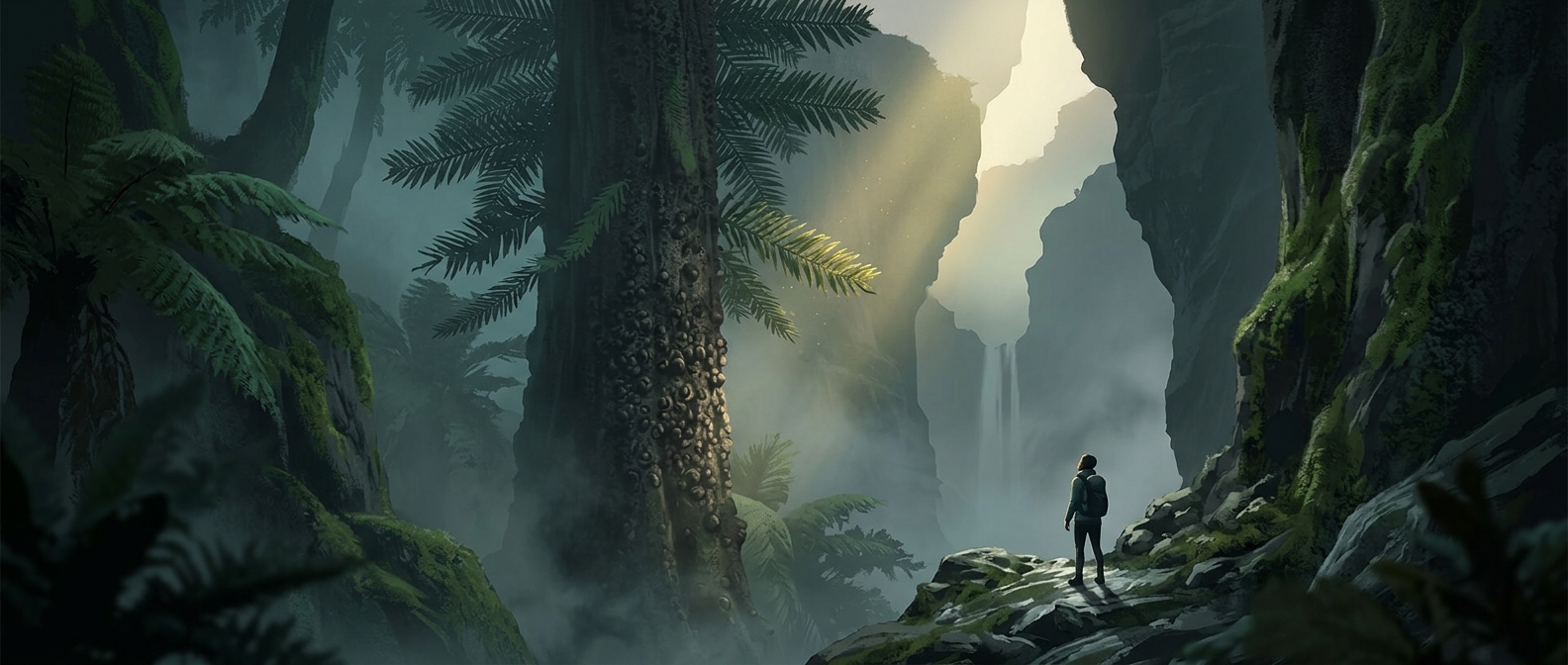
Before 1994, the Wollemi pine was known to science through fossils: preserved remains that let researchers recognize a tree from the distant past, but gave no sign that it still grew anywhere. Then a living grove was found in a remote gorge in Australia’s Wollemi National Park. The discovery changed the tree’s status from something known only through deep time to a species scientists could study in the present.
What “rediscovered” means
The pine did not return after extinction. Its resemblance to fossil forms had led scientists to think it was gone, while a small population had survived beyond their knowledge. The gorge’s isolation helps explain how the trees could remain unseen; rugged terrain can shelter plants while making them difficult for people to reach.
That does not mean the living trees are untouched relics, frozen exactly as they were millions of years ago. Fossils preserve evidence of past plants, while living populations continue to grow and reproduce. The striking connection is that a tree recognizable from ancient remains had persisted long enough to be found alive.
A discovery with a conservation consequence
Finding the grove made the Wollemi pine more than a botanical curiosity. A population confined to a remote location can be vulnerable to disturbance, so revealing where it grows also creates a need to protect it. Its story turns a fossil record into something immediate: evidence of the past can point toward a living species whose future now depends on keeping its refuge safe.