How moving metal makes a magnetic field
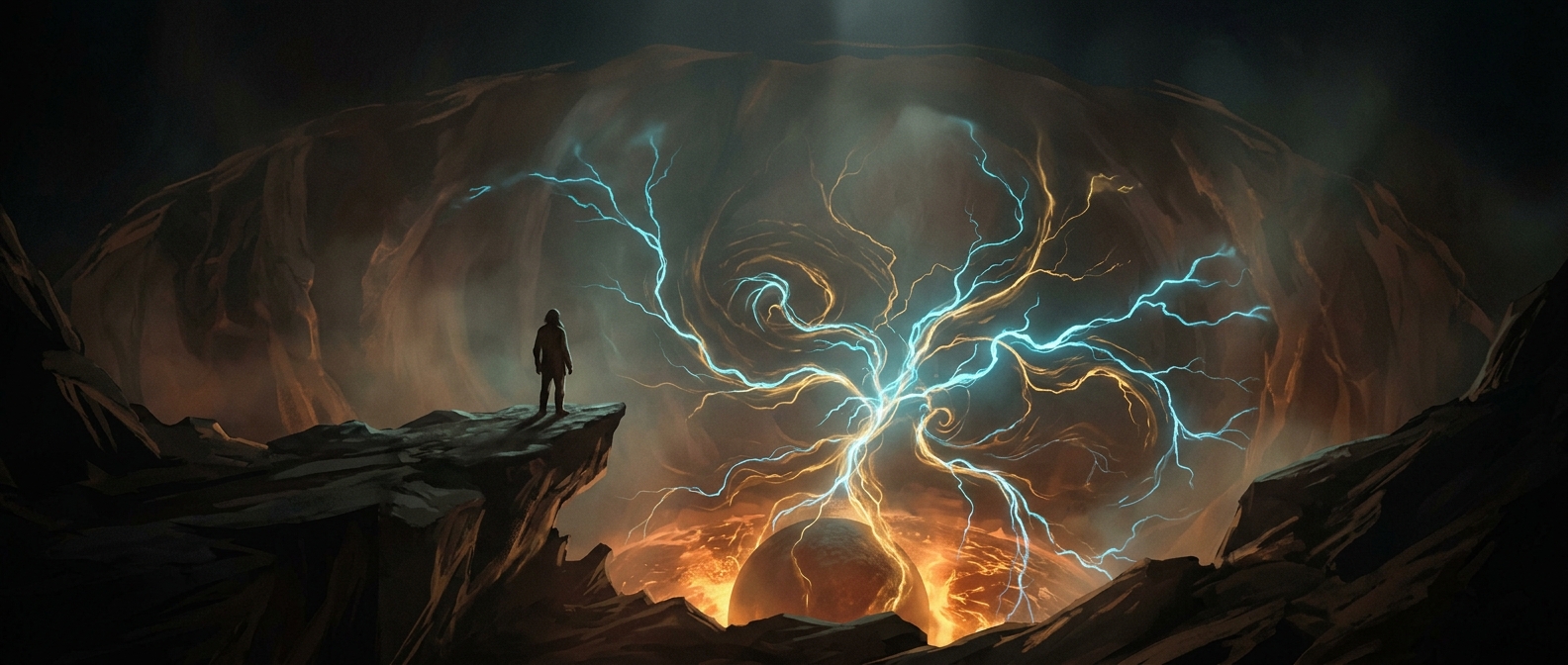
The outer core is a vast layer of electrically conducting liquid iron mixed with lighter elements. Heat escaping from Earth’s interior makes this fluid circulate: warmer, buoyant material rises while cooler material sinks. As the solid inner core grows, the freezing process also releases lighter ingredients into the liquid, helping drive that circulation.
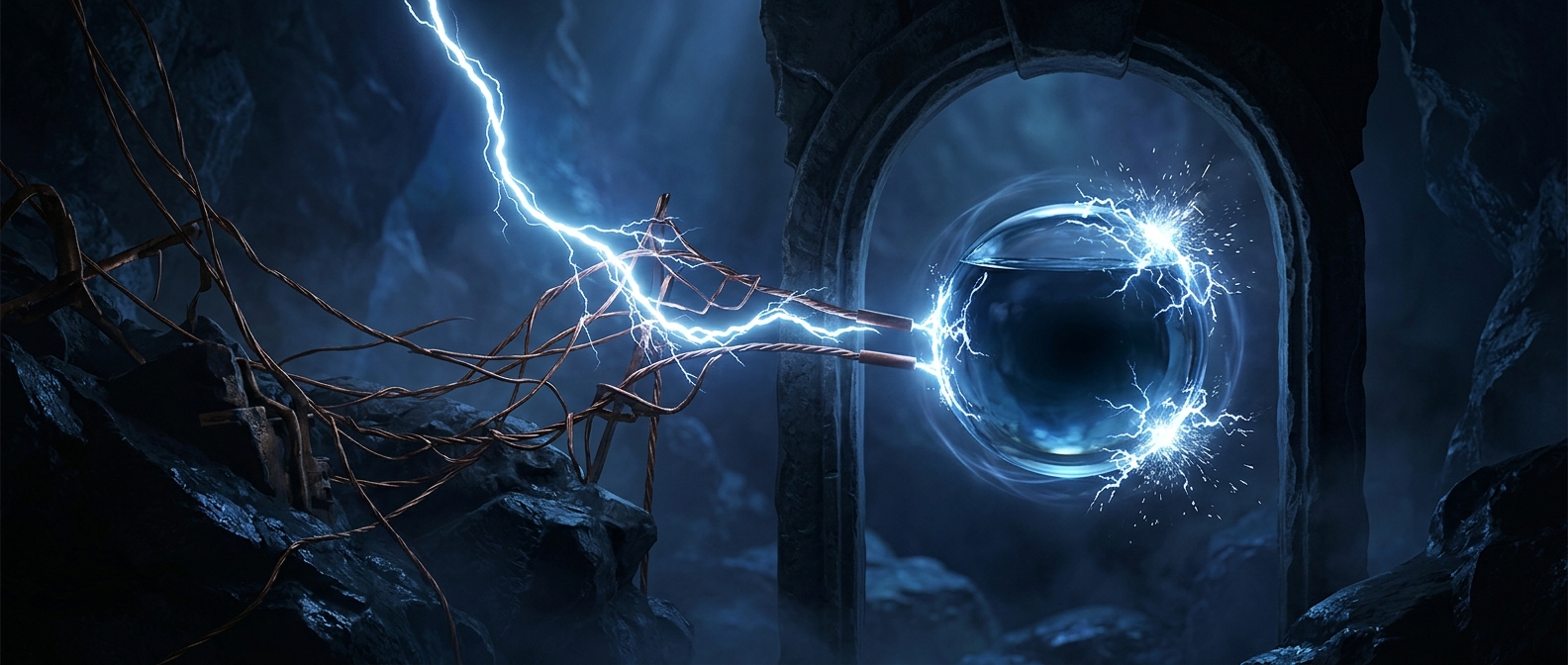
When conducting fluid moves through a magnetic field, it pushes electrical charges along with it. That motion creates electric currents, and those currents generate more magnetic field. The key is that the process can reinforce itself: a weak magnetic field can help moving metal produce currents that strengthen the field, sustaining a geodynamo—a magnetic field maintained by motion inside a planet.
Why the flow does not stay simple
Earth’s rotation deflects large-scale motion in the core, tending to organize it into twisting, column-like flows rather than random swirls. Those patterns influence the shape and direction of the magnetic field. The actual flow is far too deep to observe directly, so scientists infer it from measurements of the field at Earth’s surface and from models of how conductive fluid behaves.
The field is not fixed like that of a permanent bar magnet. Its strength and shape shift as the core’s circulation changes. Over geological time, the magnetic poles have even reversed, with north and south trading places. The current-producing engine can keep working through those changes; what varies is the field it produces.
That variability is a clue to what is happening thousands of kilometers below us. By tracking changes in the magnetic field, scientists can study a hidden, moving layer of Earth that no drill could reach.