stackyFACTS
Science

The solar storm that set telegraph paper on fire

HERE’S THE INTERESTING PART

Long before we panicked about solar flares killing our Wi-Fi, the sun burped a massive geomagnetic superstorm in 1859 that completely overloaded the primitive telegraph network. The solar-terrestrial coupling was so intense that operators were getting violently electrocuted, and telegraph paper spontaneously burst into flames.
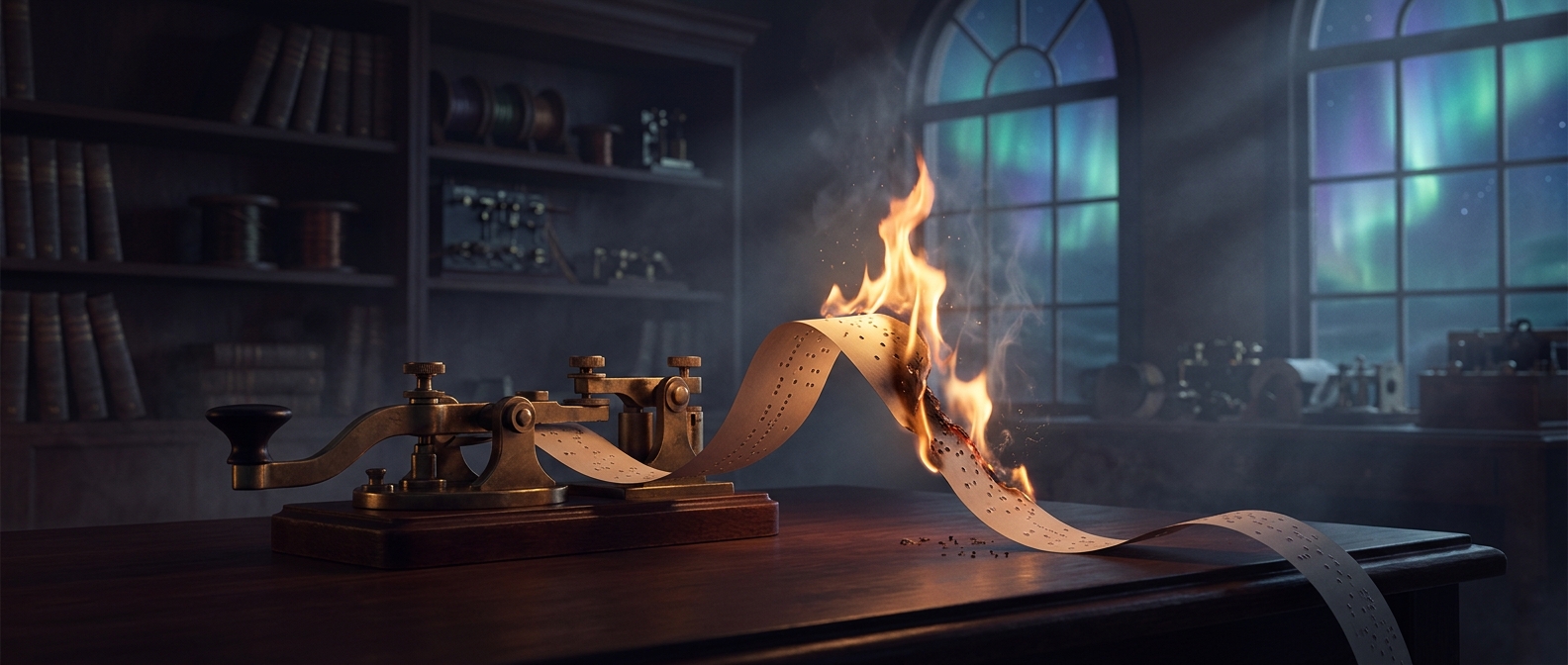
The solar storm that set telegraph paper on fire
STACKY / Science
One discovery leads to another.

Keep exploring facts in this topic.

Science →
STACKY FOR IPHONE

A bigger world.
One discovery
at a time.

Keep discovering with Stacky. Interesting facts in an app that is always within reach.

Download on the App Store
ONE MORE DISCOVERY?

Keep exploring

All in this topic →
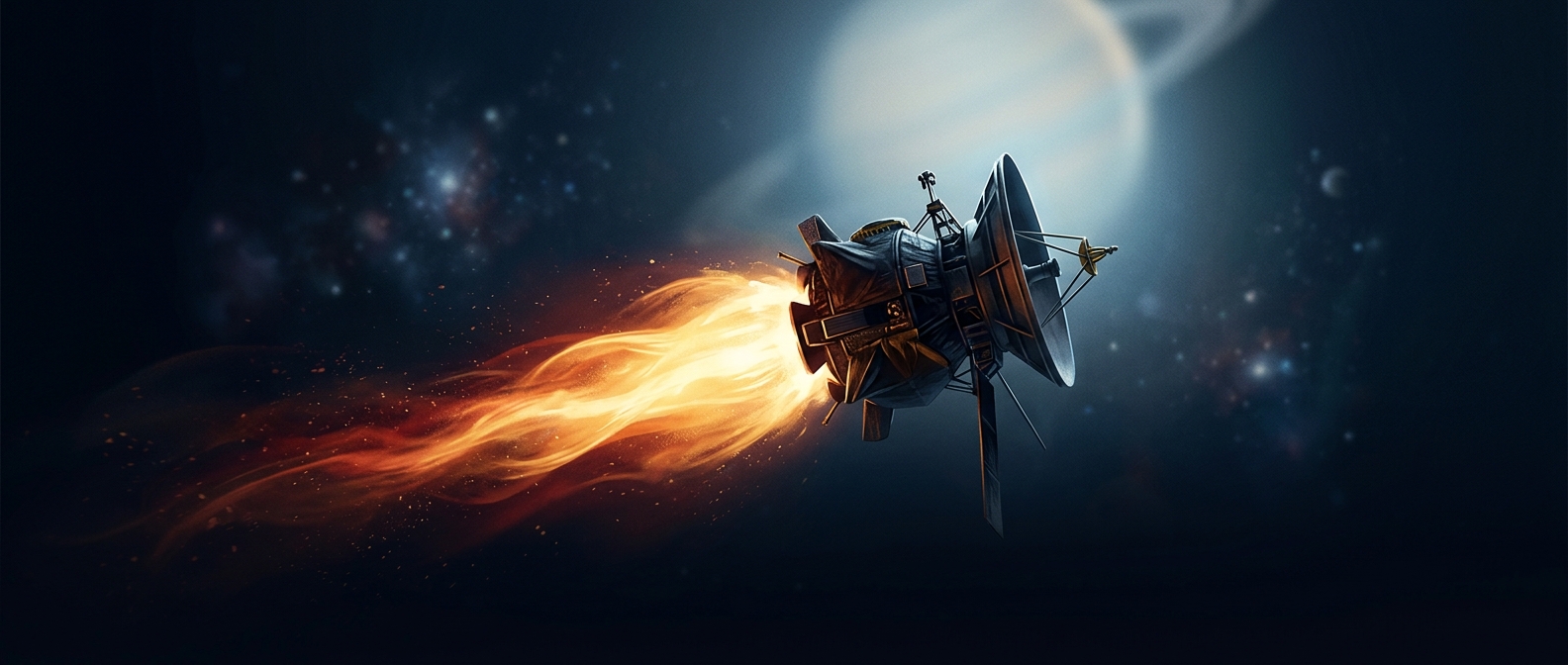
The spacecraft that slowed itself with heat
Science

The spacecraft that slowed itself with heat

For decades, astrophysicists were sweating because the Pioneer probes were mysteriously slowing down at the edge of the solar system, making them think…

Discover more
Could a false vacuum erase the universe
Science

Could a false vacuum erase the universe

⚡ We might be floating in a false vacuum! If the underlying energy field of reality ever collapses, a bubble of pure, absolute destruction will expand outward…

Discover more
Gravity isn't instantaneous—it travels at light speed
Science

Gravity isn't instantaneous—it travels at light speed

Gravity isn't instantaneous; it actually obeys the cosmic speed limit. When massive objects like black holes violently collide, they send literal ripples…

Discover more
Astronomers who calculated the average color of all the light emitted by the two hundred thousand galaxies in the observable universe discovered that the cosmos is not the…
Science

Astronomers who calculated the average color of all the light emitted by the two hundred thousand galaxies in the observable universe discovered that the cosmos is not the…

Astronomers who calculated the average color of all the light emitted by the two hundred thousand galaxies in the observable universe discovered that the…

Discover more
Why asteroid Ryugu is so unusually dark
Science

Why asteroid Ryugu is so unusually dark

Floating space rocks are constantly getting sunburned by the galaxy. When the Hayabusa2 mission returned samples from the asteroid Ryugu, they revealed that…

Discover more
Science

Glitches in the rotation of the Vela pulsar happen because the ultra-dense crystalline crust of a dead star cracks under immense gravitational pressure causing billions of tons…

Imagine dropping a spinning hard-boiled egg and watching it spontaneously speed up—that’s basically what’s happening in deep space. Neutron stars are the…

Discover more
StackyMore discoveries in the app
Download on the App Store