Why Lawrencium Closes the Actinide Row
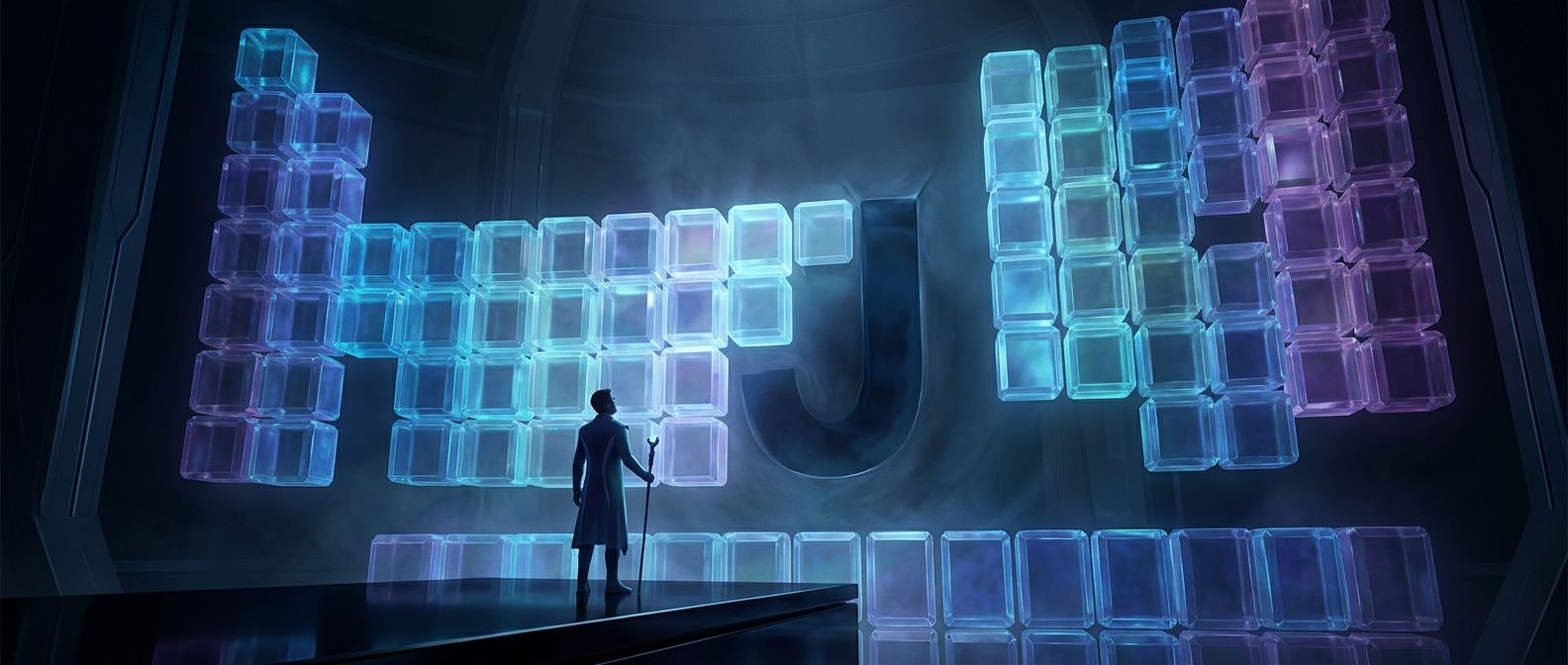
The actinides are the 15 elements from actinium to lawrencium, with atomic numbers 89 through 103. Their place in the periodic table reflects a gradual change in electron structure: across the series, electrons are added mainly to the 5f shell, an inner region of the atom. Lawrencium, element 103, is the final member of that sequence. The next element begins a different row and a different pattern of electron filling.
That boundary is more than a matter of where a box is drawn. An element’s atomic number—the number of protons in its nucleus—fixes its identity and position. Experiments on lawrencium’s chemistry also help test whether its behavior fits the actinide end of the table, even though its unusual electron arrangement makes the details scientifically interesting.
Identifying an Element That Vanishes
Lawrencium is created in nuclear reactions, not found as a collectable piece of material. The few atoms produced can decay before researchers could examine them in bulk. Instead, instruments register signals from individual atoms and track the characteristic particles or daughter nuclei produced as they decay. Those patterns help distinguish lawrencium from other short-lived atoms and establish which isotope—an atom with a particular number of neutrons—was made.
This is how scientists can locate an element on the periodic table without ever seeing a macroscopic sample. Each detected atom contributes a brief but legible trace: a known number of protons, followed by a decay sequence that can be checked against nuclear physics. Lawrencium’s position at the end of the actinides is therefore grounded in measurable atomic identity, not simply in the visual arrangement of the chart.