stackyFACTS
Science

Why AI mirrors still look so wrong

HERE’S THE INTERESTING PART

Ask an image generator to place a person in front of a mirror, and you will receive a masterclass in cosmic horror. Because the system does not understand physical space or optics, the reflection will usually feature a completely different person entirely, or a terrifyingly warped monstrosity staring directly into your soul.
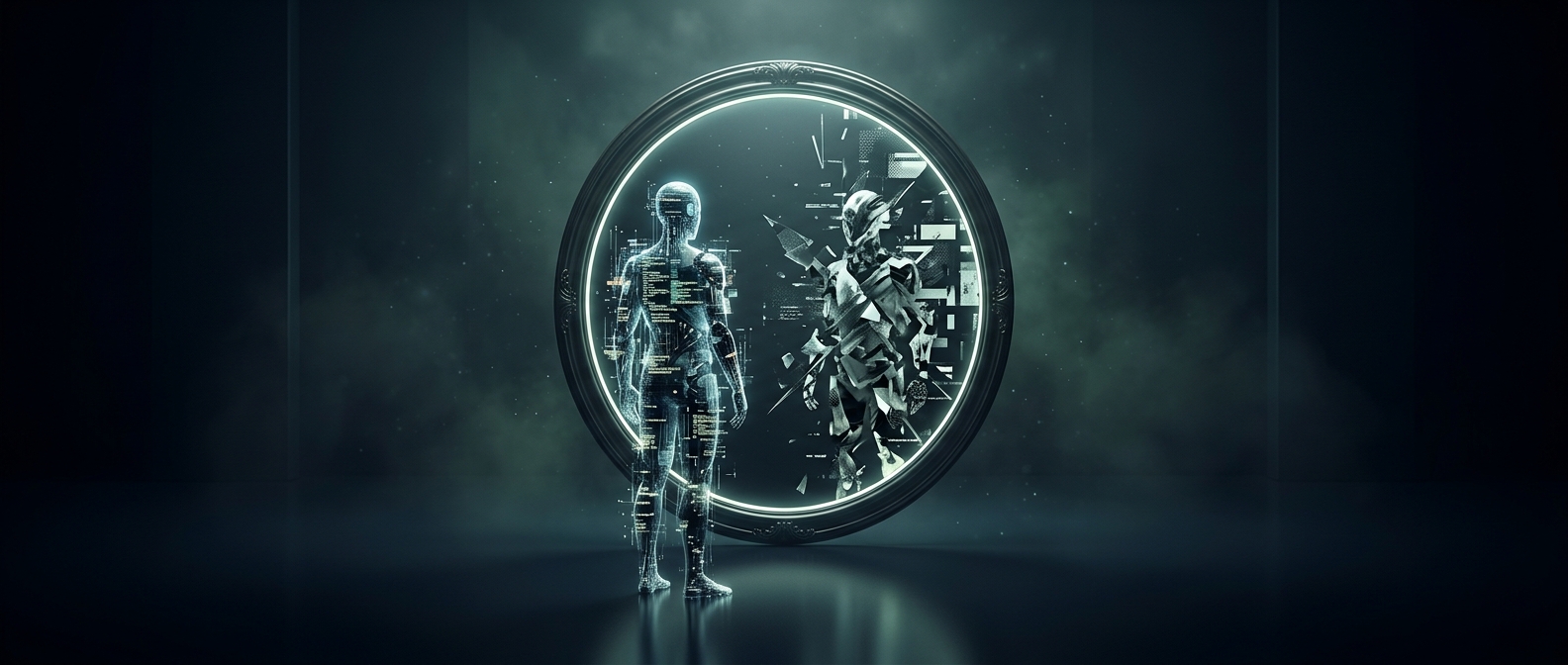
Why AI mirrors still look so wrong
STACKY / Science
One discovery leads to another.

Keep exploring facts in this topic.

Science →

STACKY FOR IPHONE

A bigger world.
One discovery
at a time.

Keep discovering with Stacky. Interesting facts in an app that is always within reach.

Download on the App Store
ONE MORE DISCOVERY?

Keep exploring

All in this topic →
Why AI struggles with human teeth
Science

Why AI struggles with human teeth

If you want a portrait of someone smiling, prepare for a mouth resembling a shark. Because artificial systems blend millions of varying human smiles without…

Discover more
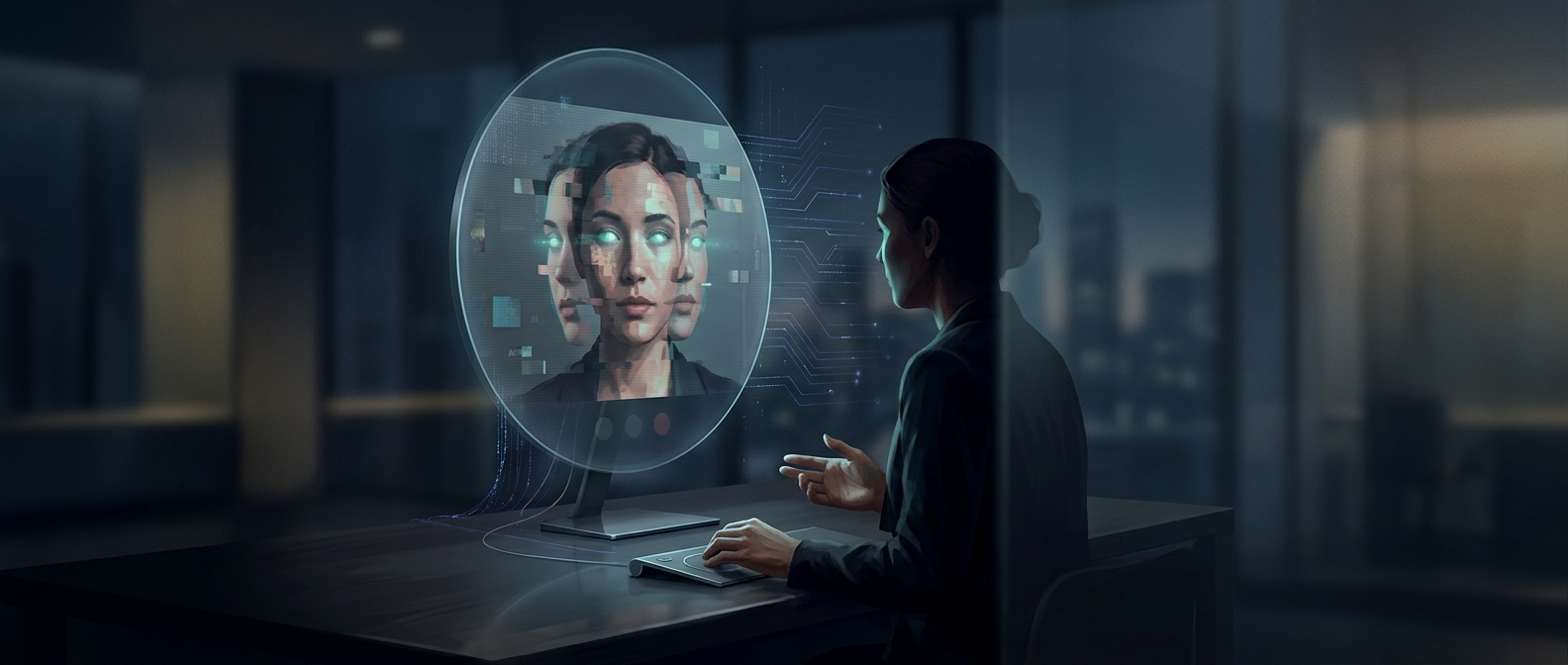
Job interviews are now vulnerable to deepfakes
Science

Job interviews are now vulnerable to deepfakes

Why bother possessing actual skills when you can just map an incredibly competent face over your own? Desperate job seekers now utilize real-time visual…

Discover more
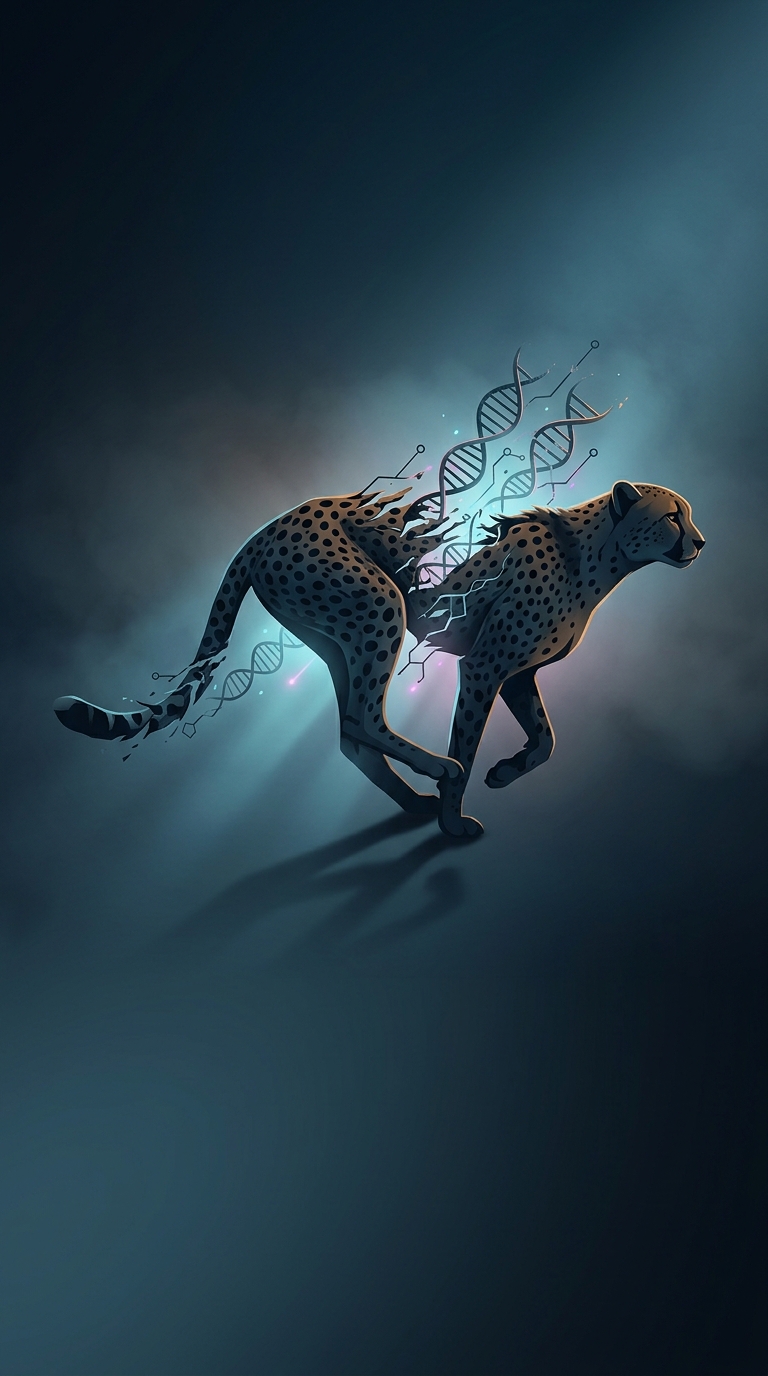
Every cheetah on the planet is incredibly fast, but they share a dangerous and bizarre genetic flaw.
Science

Every cheetah on the planet is incredibly fast, but they share a dangerous and bizarre genetic flaw.

Every cheetah on the planet is incredibly fast, but they share a dangerous and bizarre genetic flaw.

Discover more
This invisible gas can float a foil boat
Science

This invisible gas can float a foil boat

Invisible gases aren't usually known for being terribly heavy, but sulfur hexafluoride is practically a heavy blanket in gas form. It is so remarkably dense…

Discover more
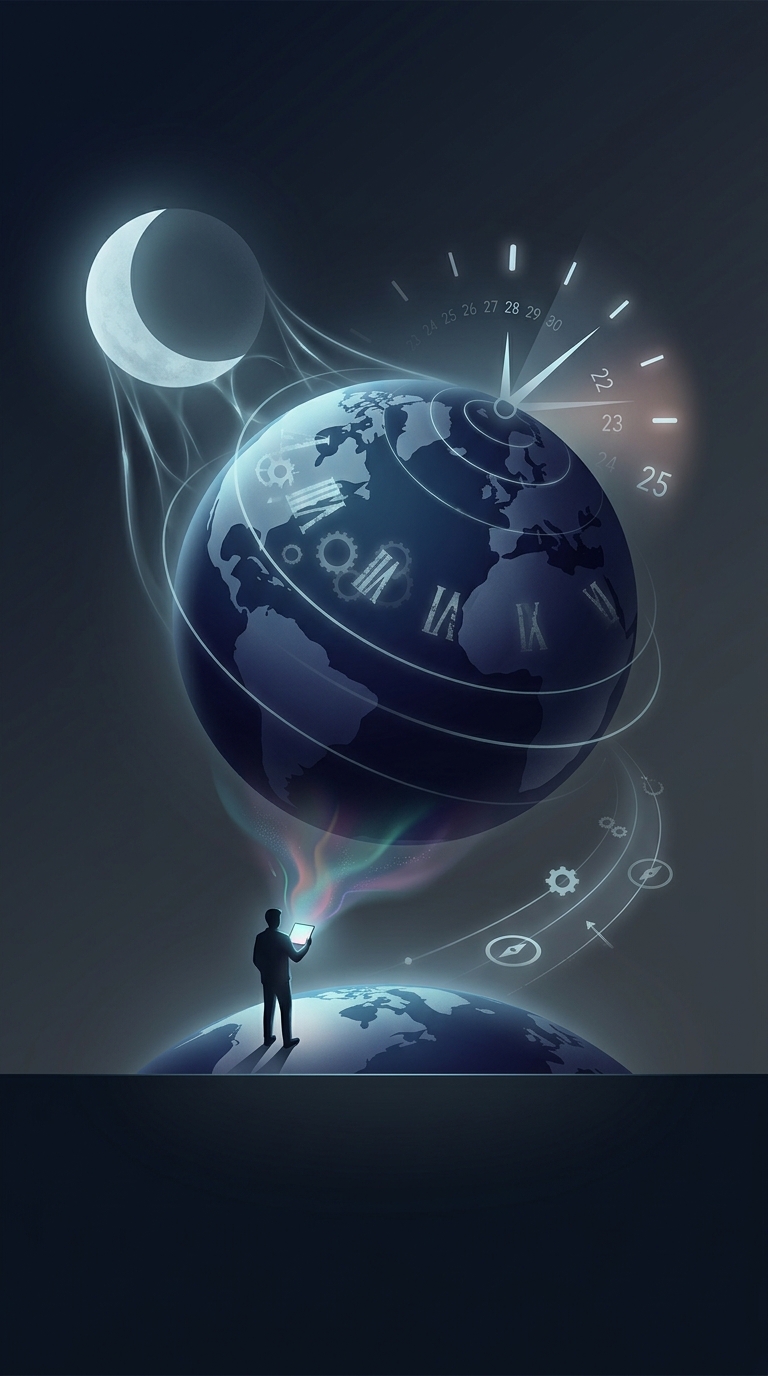
Tidal friction caused by the gravitational pull of the moon is slowly dragging on the Earth's rotation, causing the length of a single day to increase by about one point eight milliseconds every century.
Science

Tidal friction caused by the gravitational pull of the moon is slowly dragging on the Earth's rotation, causing the length of a single day to increase by about one point eight milliseconds every century.

Tidal friction caused by the gravitational pull of the moon is slowly dragging on the Earth's rotation, causing the length of a single day to increase by…

Discover more
Did life on Earth begin with meteorites
Science

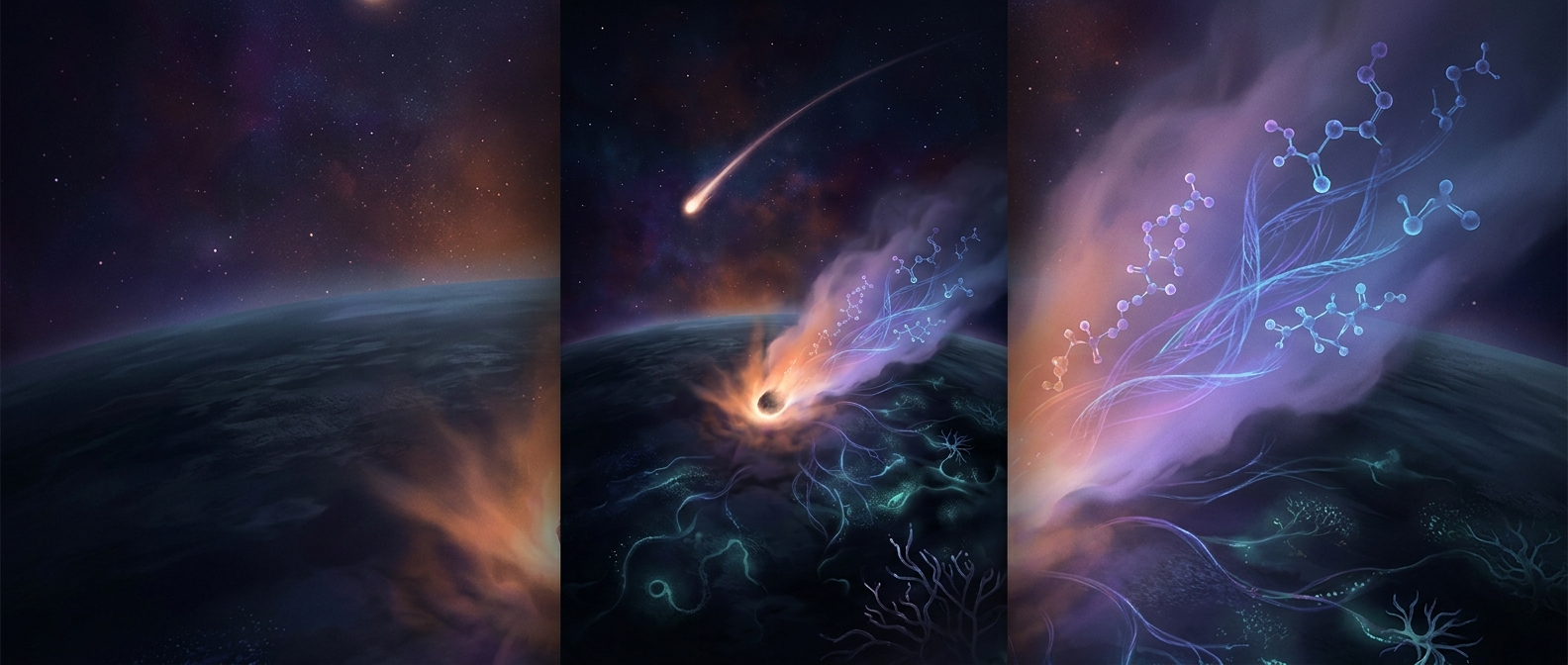
Did life on Earth begin with meteorites

One dazzling idea proposes that life on Earth owes its spark to rocks from the stars. Meteorites that smashed into our young planet carried amino acids—the…

Discover more
StackyMore discoveries in the app
Download on the App Store