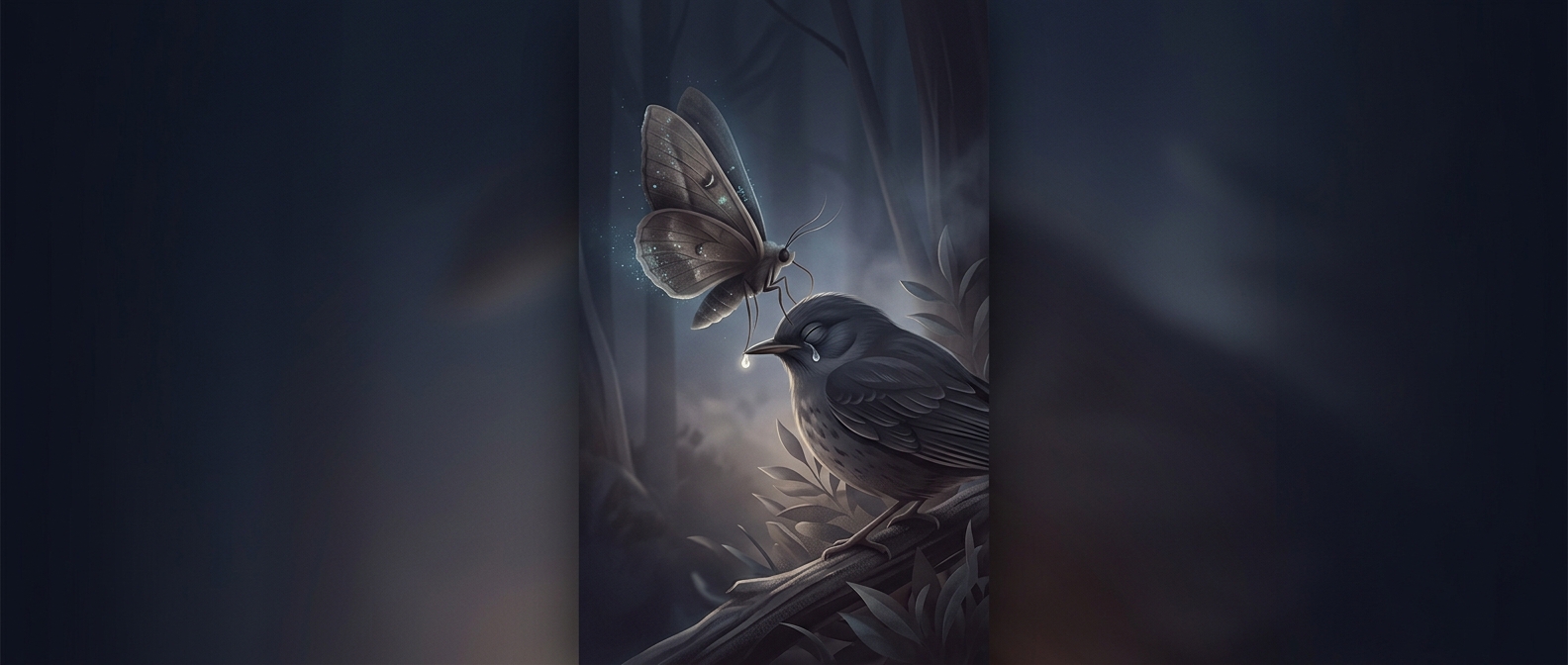
Why a moth would drink a bird’s tears
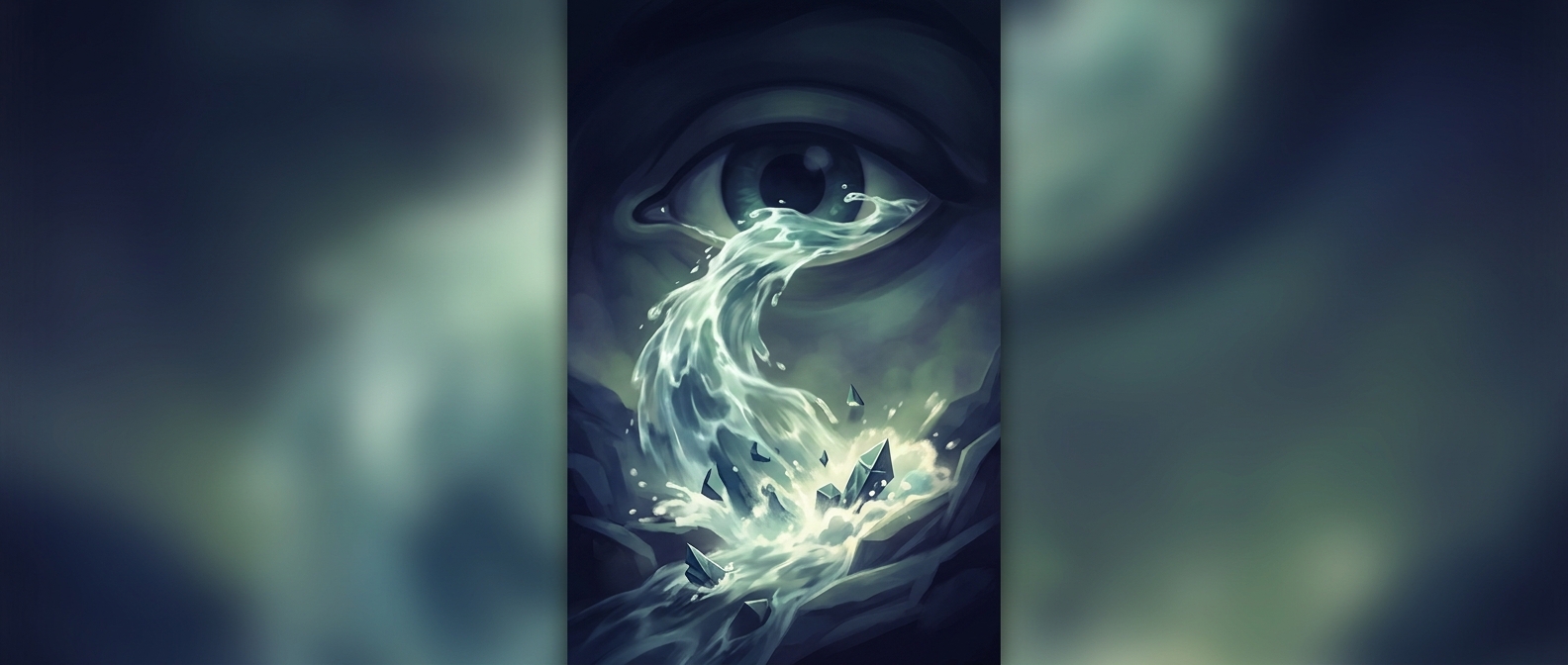
For some moths in Madagascar, a sleeping bird’s eye offers something their usual food may not: sodium. Nectar is rich in sugars but often provides little salt, and sodium is an essential mineral for nerve and muscle function. Seeking it from an unusual source is a form of mineral feeding—a way to supplement nutrients that are scarce in the rest of an animal’s diet.
A mouthpart built for a tiny drink
The moth uses its long, narrow proboscis—the flexible tube most moths use to sip liquids—to reach the fluid at the bird’s eye. Rather than bite or tear tissue, it draws up a small amount of salty tear fluid. The bird’s sleep gives the moth a brief chance to feed with less risk of being noticed or chased away.
This is a delicate exchange, not a large meal. Tears are mostly water, so the moth must take in enough fluid to obtain a useful trace of sodium without spending too long exposed on a living animal.
A nutrient shortage shapes the behavior
The behavior makes sense as a response to an imbalance: sugar can fuel flight, but it cannot replace minerals needed to keep the body working. When ordinary food sources do not supply enough sodium, an animal may seek it from sources that seem surprising to us, including another animal’s secretions.
That turns a sleeping bird’s eye into a brief mineral stop. The moth’s feeding is less a midnight attack than a precise workaround for a nutritional gap.