How a shrew’s skull changes with the season
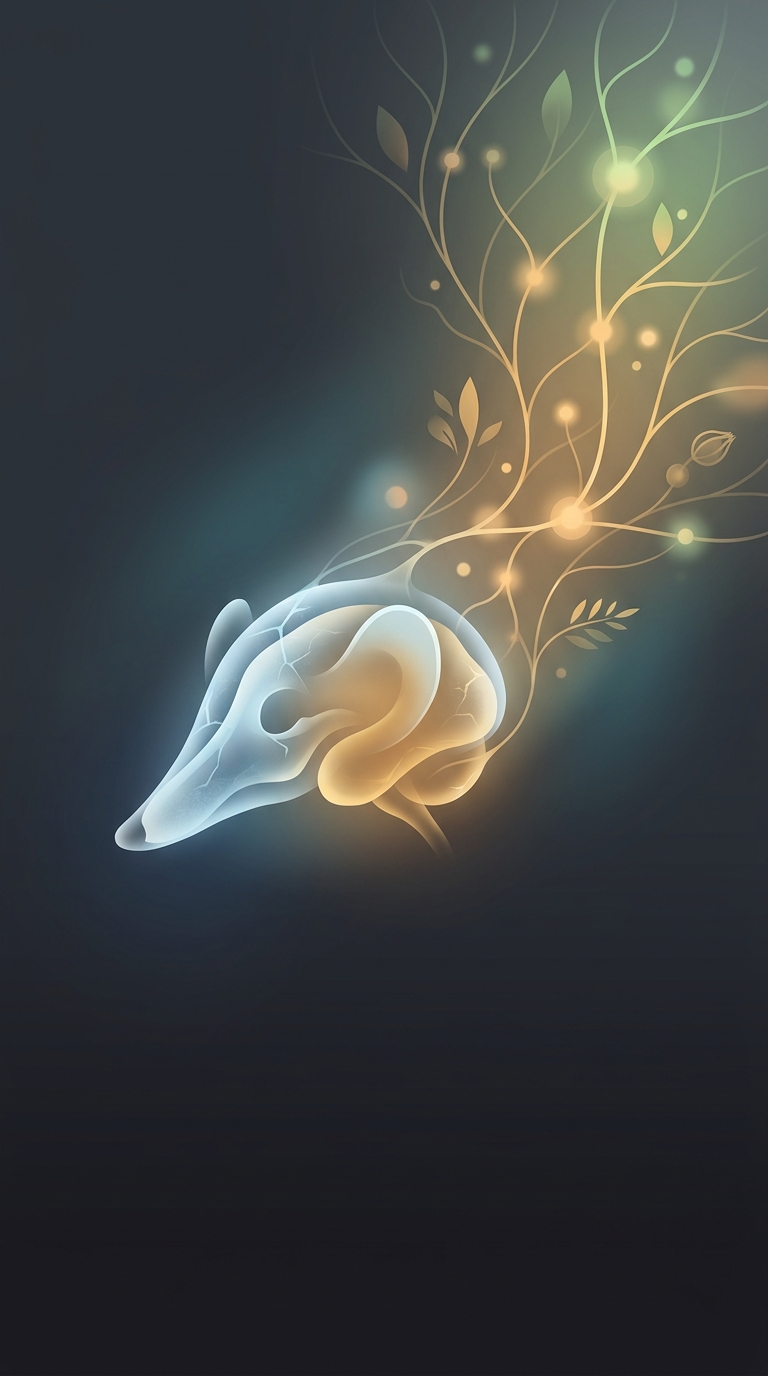
A shrew’s winter skull does not simply squeeze a brain into less space. Bone tissue is removed and later rebuilt, changing the dimensions of the skull itself. This process—called Dehnel’s phenomenon—has been documented in several shrew species and can affect both the brain and other parts of the body.
Bone is living tissue, continually renewed by cells that break down old material and cells that lay down new material. In a seasonal cycle, that ordinary remodeling shifts the skull toward a smaller winter form and then back toward a larger one. The change is reversible, not a one-way growth spurt followed by permanent damage.
Why make the brain smaller?
Shrews run on tight energy budgets. They are small, lose heat quickly, and need to eat frequently. When winter brings colder conditions and less accessible food, carrying less tissue can reduce the energy required to maintain the body. A smaller brain is one part of that seasonal adjustment, alongside changes in body size and other organs.
The advantage is not free: brain tissue supports sensing, movement, and behavior, so reducing it could affect performance. The seasonal cycle therefore reflects a tradeoff—less costly tissue during a difficult period, followed by rebuilding as conditions improve. The exact contribution of brain shrinkage to winter survival is difficult to isolate from the shrew’s other changes.
A living structure, not a fixed case
The striking point is that the skull is not merely a rigid box surrounding the brain. Its bones remain biologically active and can be remodeled as an animal’s needs change. In spring, rebuilding restores space and tissue; the winter version was temporary equipment, not a permanent smaller design.