Why an avocado has such a large pit
A fruit is not just food for its plant; it can also be a vehicle for its seeds. In a process called seed dispersal, an animal eats the fleshy part, carries the seed elsewhere, and leaves it behind—often in waste that can help fertilize the soil. Moving a seed away from its parent tree also reduces competition for light, water, and space.
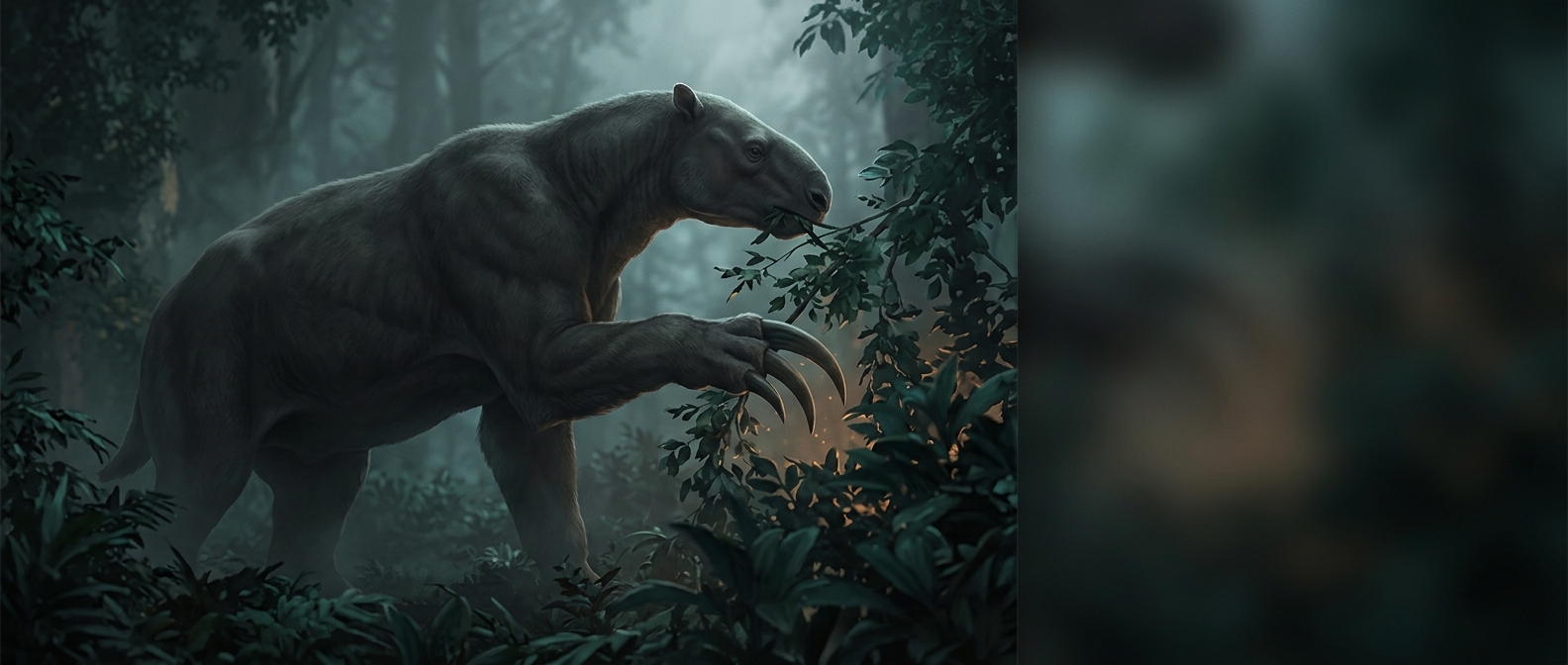
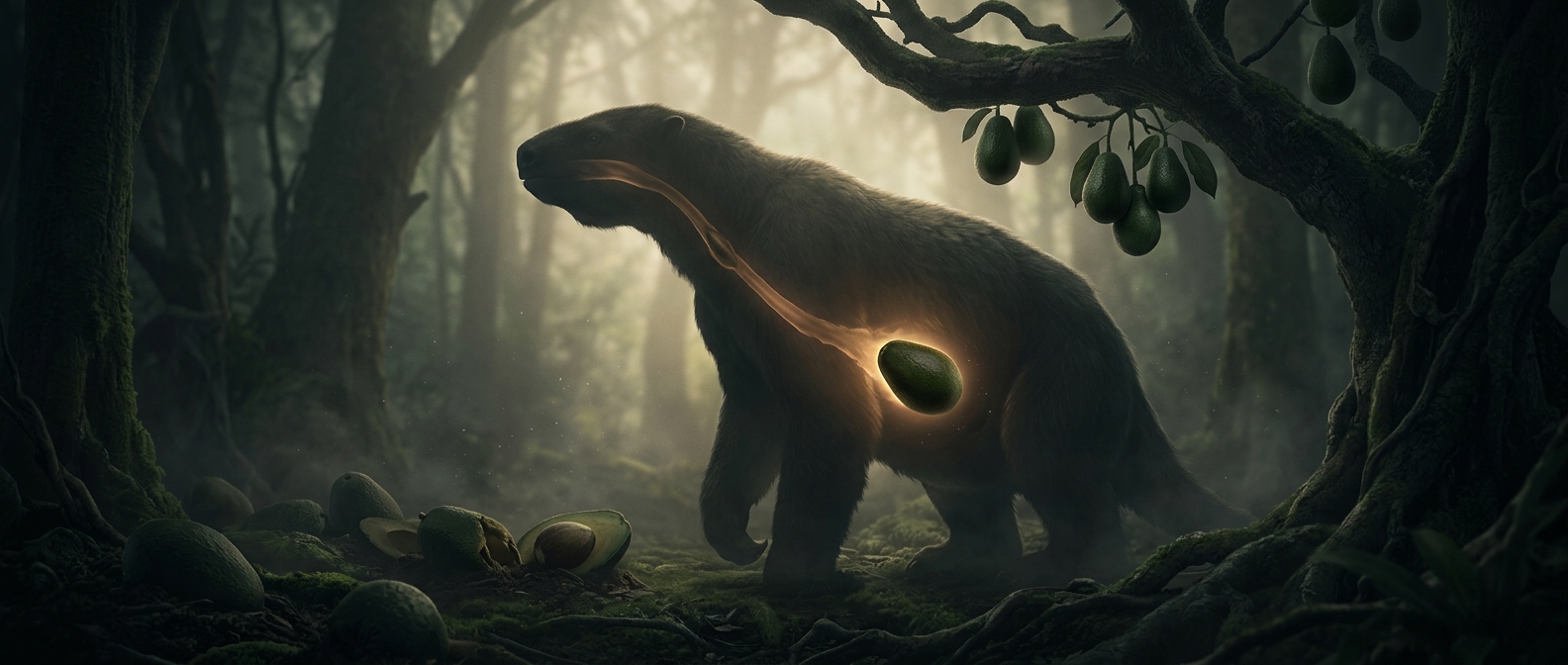
The avocado’s oversized pit raises an evolutionary puzzle: many animals alive today would struggle to swallow it whole. But large mammals once roamed the Americas. A fruit that was manageable for one of those giants could be a poor fit for the smaller animals that survived them.
A plausible partnership, not a proven one
The idea is that a giant mammal could have eaten an avocado and transported its pit before dropping or passing it. That would give the seed a chance to grow far from the crowded patch beneath its parent. The pit’s size makes the scenario intriguing, but it does not identify a particular animal or prove that this was how avocados spread. A large seed can persist for reasons that are difficult to reconstruct from the fruit alone.
When many of the giant mammals disappeared, a plant that had once relied on them may have lost an important route for moving its seeds. Avocados did not vanish: people began cultivating and carrying them, creating a new kind of dispersal partnership. Today, farms and orchards do much of what a roaming animal might once have done—move avocado seeds, and the trees grown from them, across landscapes.