An Alarm Call Can Carry a Description
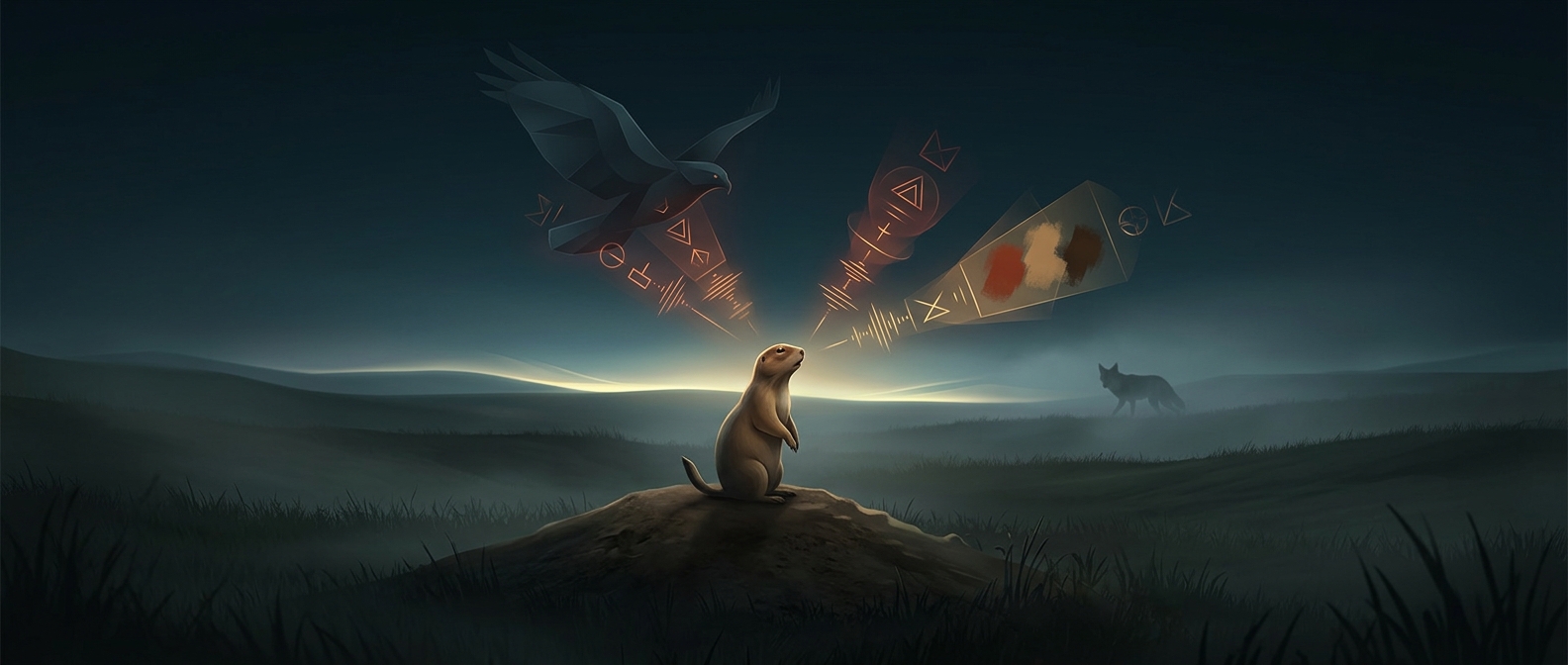
A prairie dog’s warning is not always the same generic bark. Researchers have found that calls can vary with features of an approaching threat, including a person’s size or clothing and a coyote’s speed. To hear the significance, imagine a colony not merely being told “danger,” but receiving a rough cue about what kind of danger is coming.
That information matters because a predator’s identity and behavior change what a prairie dog should do. A fast-moving coyote may demand a more urgent response than one moving slowly; a human in a different outfit may be treated as a noticeably different visitor. The call gives nearby animals a chance to adjust their vigilance or retreat without each one having to spot the threat for itself.
How Scientists Test What a Call Describes
A key challenge is separating details in the call from details in the scene. If a person approaches while wearing a particular color, for example, listeners might react to the person’s movement or position rather than the clothing. Researchers can compare calls produced in controlled encounters and then play recordings back to prairie dogs, observing whether the listeners respond differently.
Such experiments suggest that the calls contain information about attributes of the threat, not just its presence. They do not mean prairie dogs use human-like words or consciously compose a sentence. A call is a patterned signal, and its acoustic features can change in ways that listeners learn to associate with particular kinds of danger.
A Colony Shares the Work of Watching
This signaling turns one animal’s sighting into information the group can use. A prairie dog that hears the alarm may be hidden from view of the approaching predator, yet still receive clues about how to respond. The caller’s warning can therefore shape the colony’s behavior before every animal has independently identified the threat—an advantage when a few seconds can determine whether an animal remains exposed or reaches cover.