Why Silicon Carbide Grinds So Well
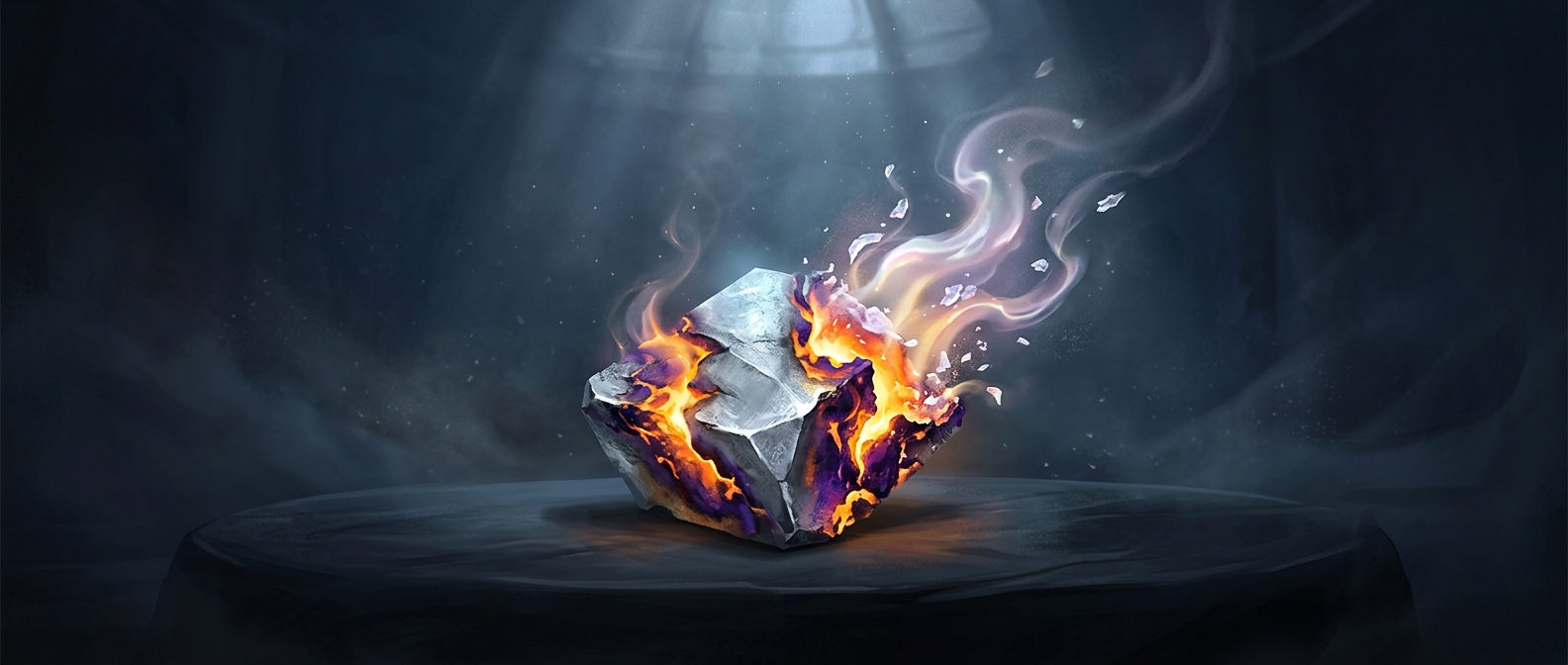
Carborundum is the trade name for silicon carbide, a compound of silicon and carbon. Its hardness comes from the way those atoms lock together in a rigid crystal lattice—a repeating three-dimensional structure. The lattice resists being cut or indented, so a sharp grain can wear down many softer materials, including steel.
A Grain Works Like a Tiny Cutting Tool
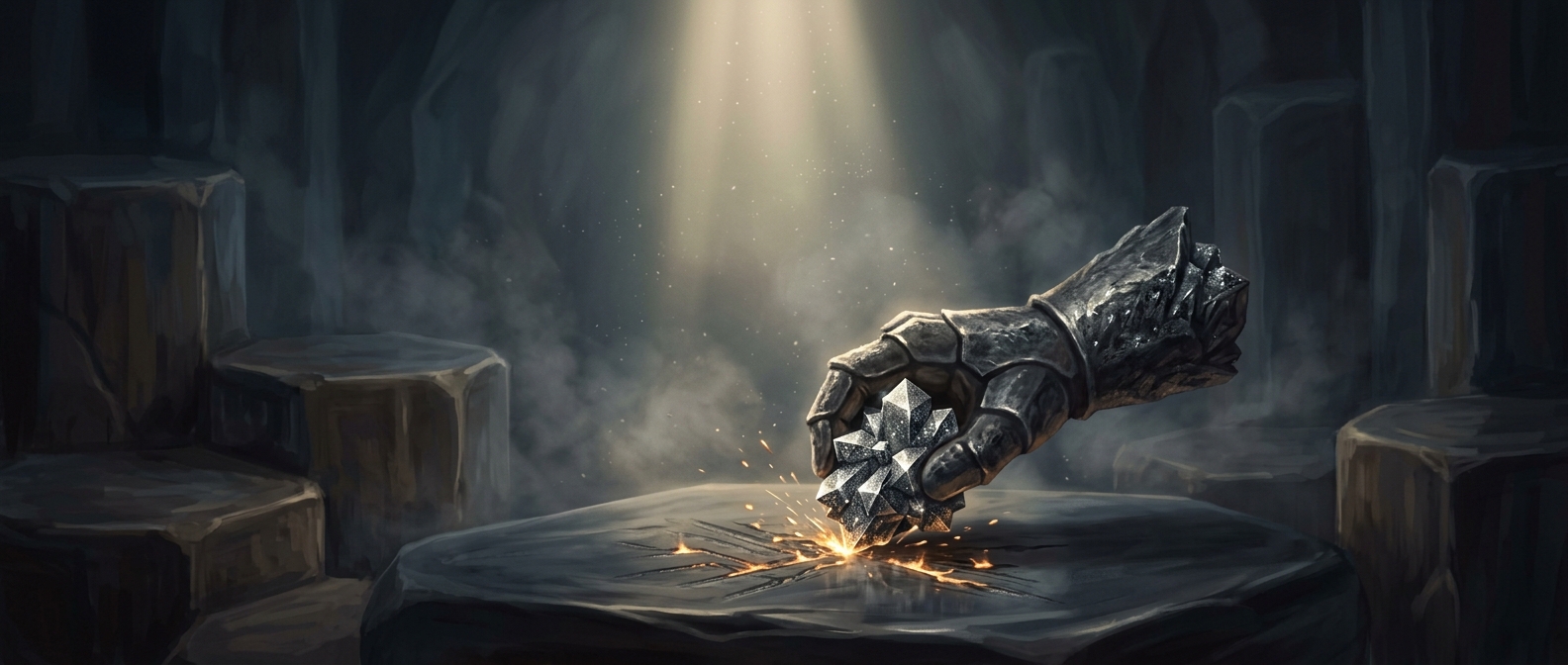
Abrasive grains do not grind by dissolving or softening a surface. Their hard, irregular edges press into it under force and scrape or chip away minute fragments. In sandpaper, grinding wheels, and cutting tools, countless grains do this at once. As the grains wear, new edges can be exposed, keeping the abrasive effective.
Hardness is not the same as toughness. Hardness describes resistance to scratching; toughness describes resistance to cracking or breaking. Silicon carbide is extremely hard, but it can be brittle. That combination is useful in grinding: grains can cut effectively, then fracture in a controlled way that reveals fresh edges.
The Same Hardness Helps in Armor
In ceramic armor, silicon carbide tiles use their hard surface to damage and slow an incoming projectile. The ceramic may crack or break as it absorbs and spreads the impact, while a backing layer can catch fragments and help limit deformation. The material is not indestructible; its value comes from how its hardness and fracture behavior work together.
That is the surprising link between a grinding wheel and protective armor: the same crystal that can abrade a metal surface can also help disrupt a projectile, because both jobs depend on resisting and redirecting intense contact forces.