How a companion star left barium behind
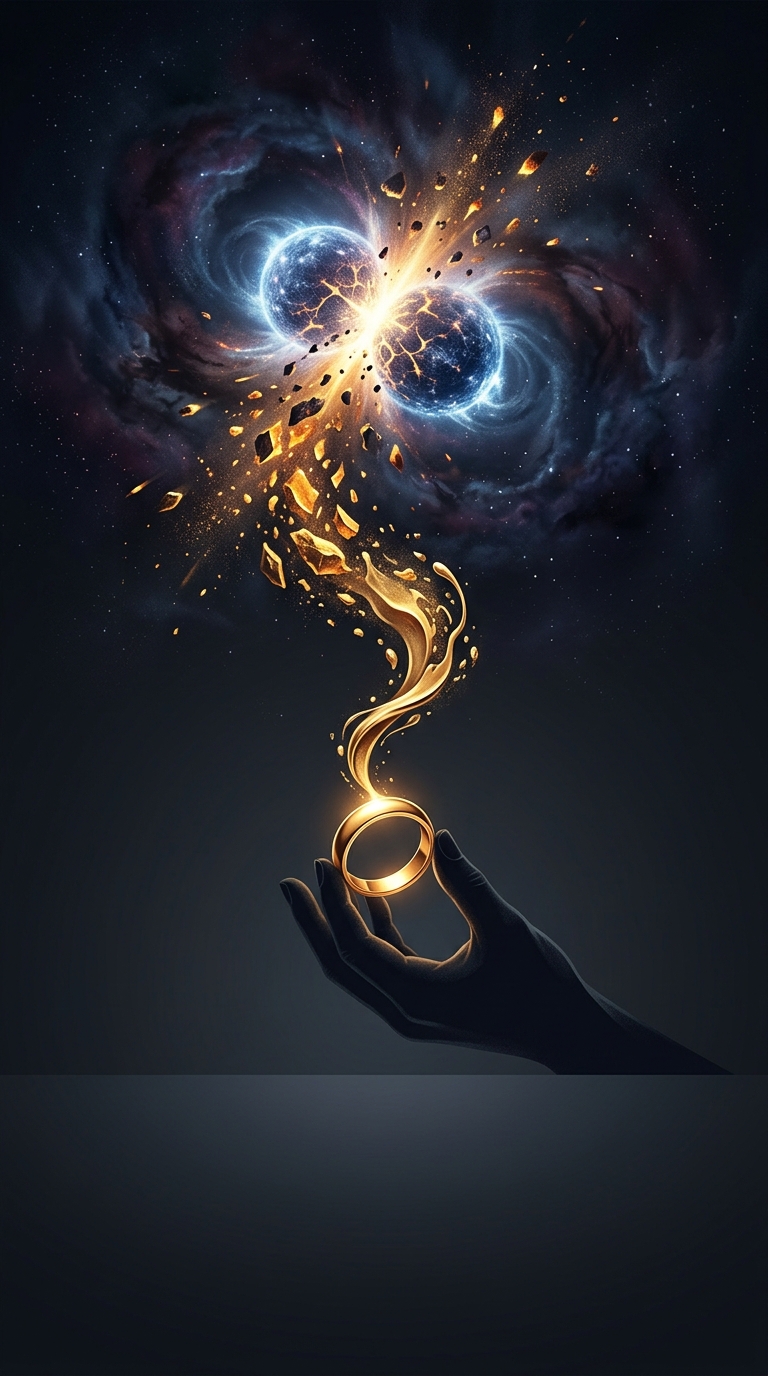
Barium stars are ordinary-looking stars whose atmospheres contain unusually high amounts of barium and other elements made by adding neutrons to atomic nuclei. The puzzle was that the stars themselves were not hot or evolved enough to manufacture that chemical mix in the quantities observed.
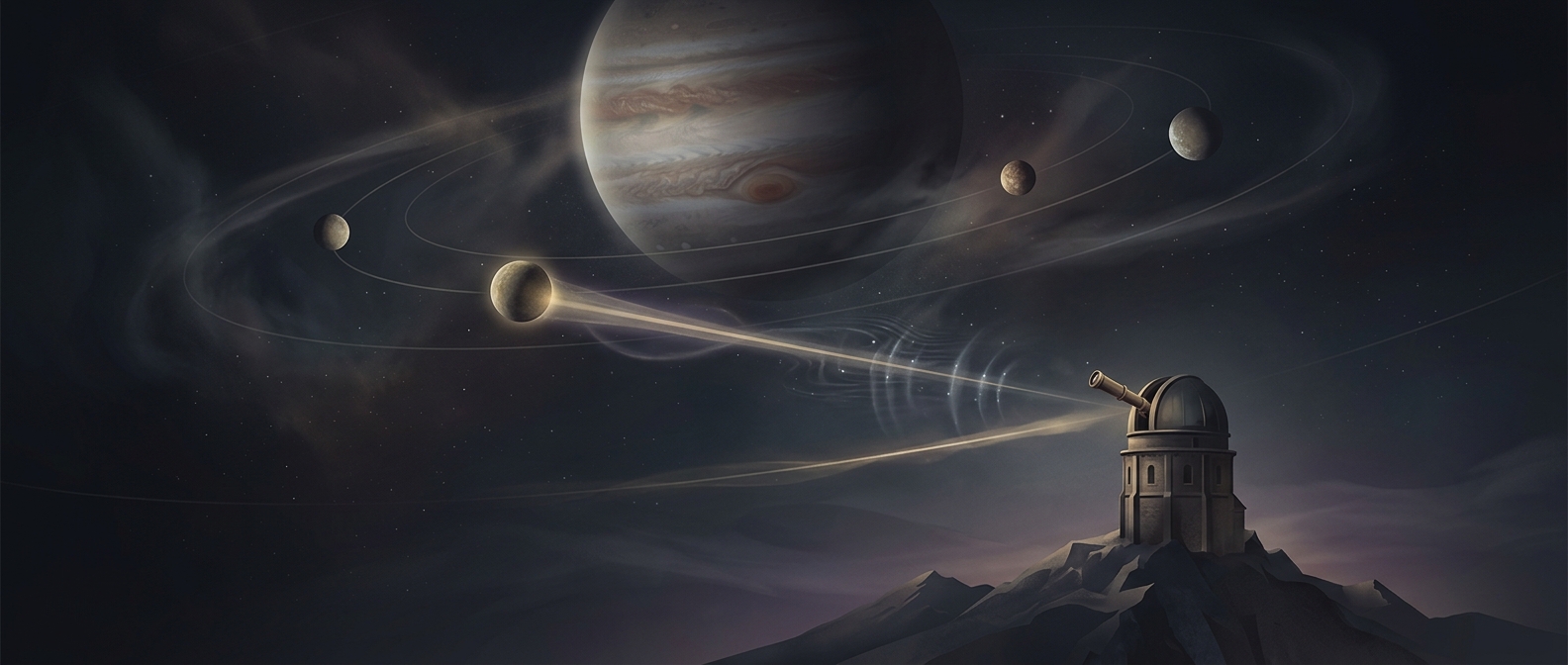
The answer came from looking beyond the visible star. Many barium stars have a companion that is now a white dwarf—the compact remnant of a star that has shed its outer layers. Earlier, that companion was an aging giant. In its interior, slow neutron capture, a process in which atomic nuclei absorb neutrons one at a time, built elements such as barium.
A stellar handoff, not a violent explosion
As the aging giant lost gas into space, some of that material flowed toward its companion. The receiving star’s gravity pulled in part of the enriched gas, which mixed into its outer layers. The donor eventually exposed its hot core and became a white dwarf; the recipient retained the chemical evidence of the transfer.
That sequence explains why a star can display a heavy-element abundance it could not have produced on its own. It also means the visible star may look younger or less evolved than its chemical makeup suggests: the elements record the history of a companion that has since changed dramatically.
The phrase “radioactive debris” can mislead. The signature is chiefly in heavy elements that are stable today; some unstable nuclei created during neutron capture decay into stable forms. Barium stars are not toxic in the everyday sense—their unusual chemistry is a clue to an old exchange of matter between two stars.