A layered sea leaves the depths poorly ventilated
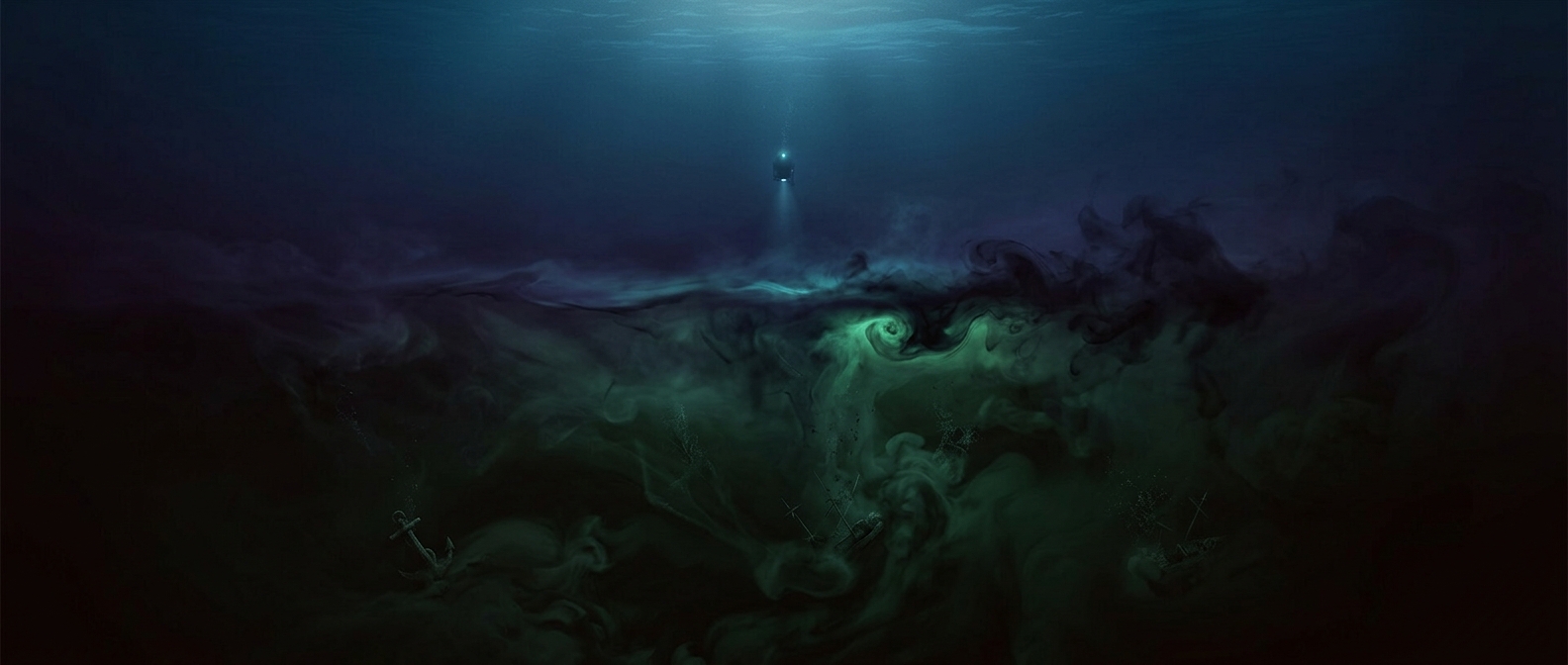
The Black Sea’s deep water is separated from its surface by a strong density boundary. Freshwater from rivers makes the upper layer less salty, while saltier water entering from the Mediterranean settles below it. Because these layers mix only slowly, oxygen from the air does not readily reach the seafloor.
Meanwhile, oxygen that does enter the deep water is used up as microbes break down sinking organic matter. The result is that much of the deep basin is anoxic—nearly devoid of dissolved oxygen.
Fewer wood-eaters means slower damage
Many animals that bore into or consume submerged wood need oxygen. In the Black Sea’s oxygen-poor depths, they cannot thrive as they do in well-oxygenated coastal waters. That removes an important source of damage to wooden hulls, allowing some shipwreck structures and details to persist unusually well.
This is not a perfect time capsule: low-oxygen water does not stop every chemical or biological process, and wrecks can still be damaged by currents, sediment, or other organisms. But when the usual wood-boring animals are largely absent, a ship can remain recognizable long after its upper parts would have been broken down elsewhere. A wreck’s survival begins with a simple constraint: the deep water is not being replenished with oxygen fast enough to support the usual crew of wood-eaters.