stackyFACTS
Science

Why scientists once thought eels were different species

HERE’S THE INTERESTING PART

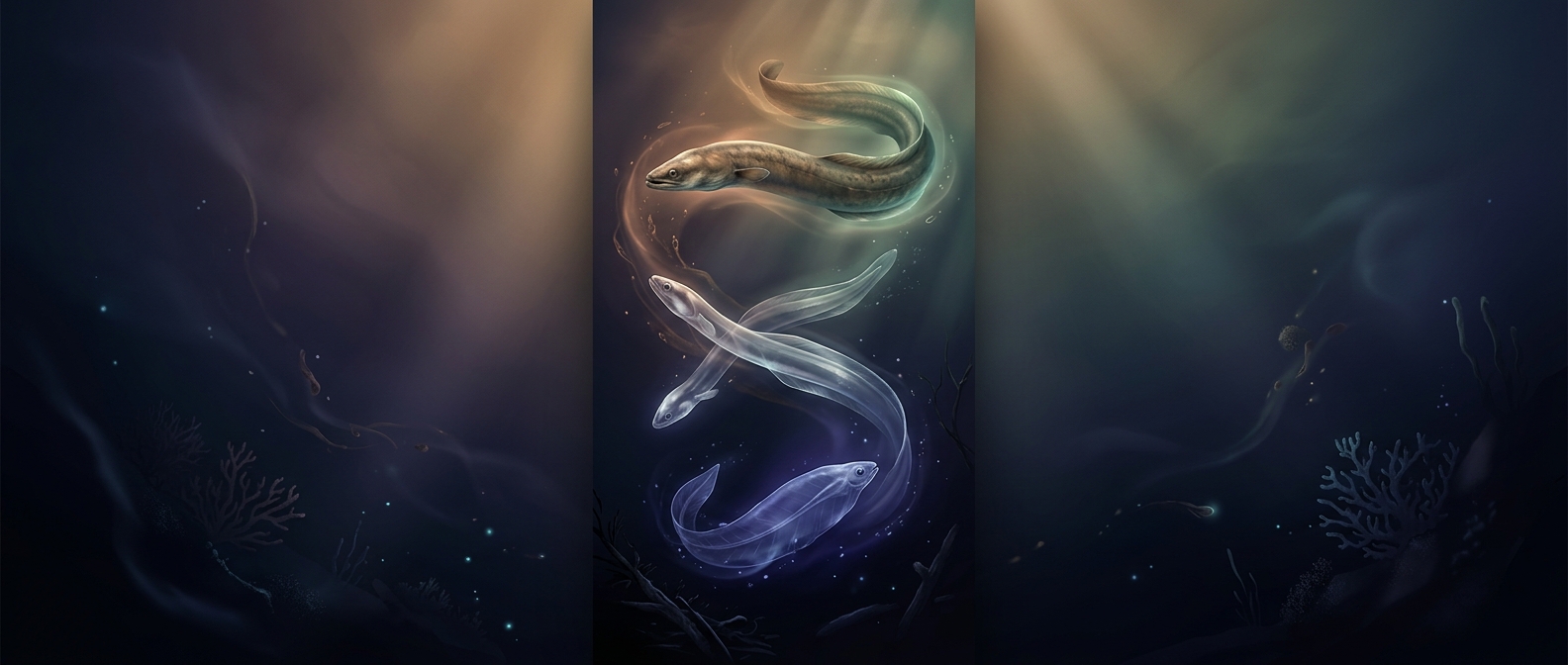
Eel reproduction was a complete mystery for centuries because they mutate so aggressively as they age. They start as transparent leaves, turn into tiny yellow snakes, and finally morph into the horrifying silver tubes we know and hate. Early biologists literally categorized them as entirely different species because eels refuse to maintain a stable identity.
Why scientists once thought eels were different species
STACKY / Science
One discovery leads to another.

Keep exploring facts in this topic.

Science →

STACKY FOR IPHONE

A bigger world.
One discovery
at a time.

Keep discovering with Stacky. Interesting facts in an app that is always within reach.

Download on the App Store
ONE MORE DISCOVERY?

Keep exploring

All in this topic →
Digestive systems in seahorses are practically non-existent, as food passes directly through their digestive tract in an incredibly short and inefficient process.
Science

Digestive systems in seahorses are practically non-existent, as food passes directly through their digestive tract in an incredibly short and inefficient process.

Digestive systems in seahorses are practically non-existent, as food passes directly through their digestive tract in an incredibly short and inefficient…

Discover more
Why a jellyfish can vanish on a sunny beach
Science

Why a jellyfish can vanish on a sunny beach

Jellyfish are less like actual animals and more like vaguely sentient puddles of saltwater. Because they lack a brain, heart, bones, or complex organs,…

Discover more
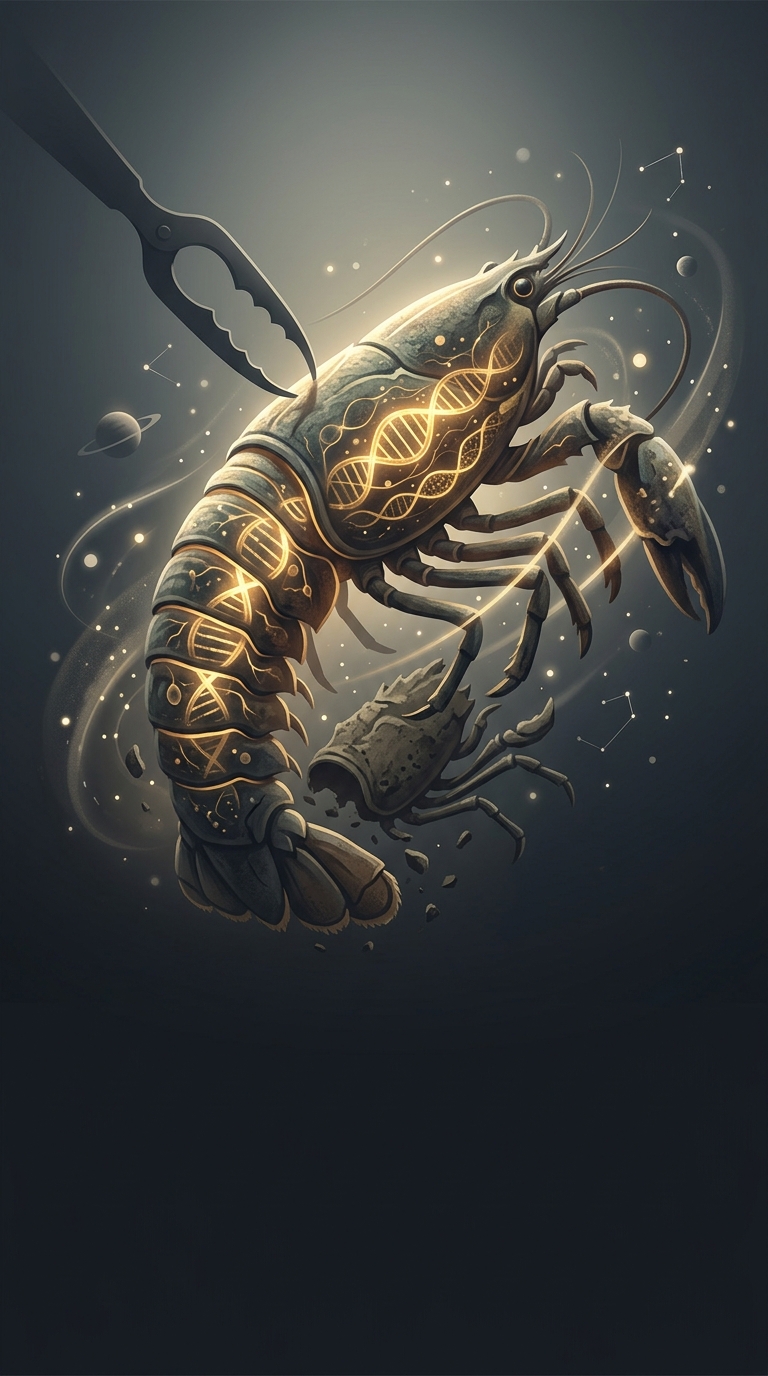
Lobsters possess an enzyme called telomerase that constantly repairs their DNA and prevents their cells from aging, meaning they do not technically suffer from biological…
Science

Lobsters possess an enzyme called telomerase that constantly repairs their DNA and prevents their cells from aging, meaning they do not technically suffer from biological…

Lobsters possess an enzyme called telomerase that constantly repairs their DNA and prevents their cells from aging, meaning they do not technically suffer…

Discover more
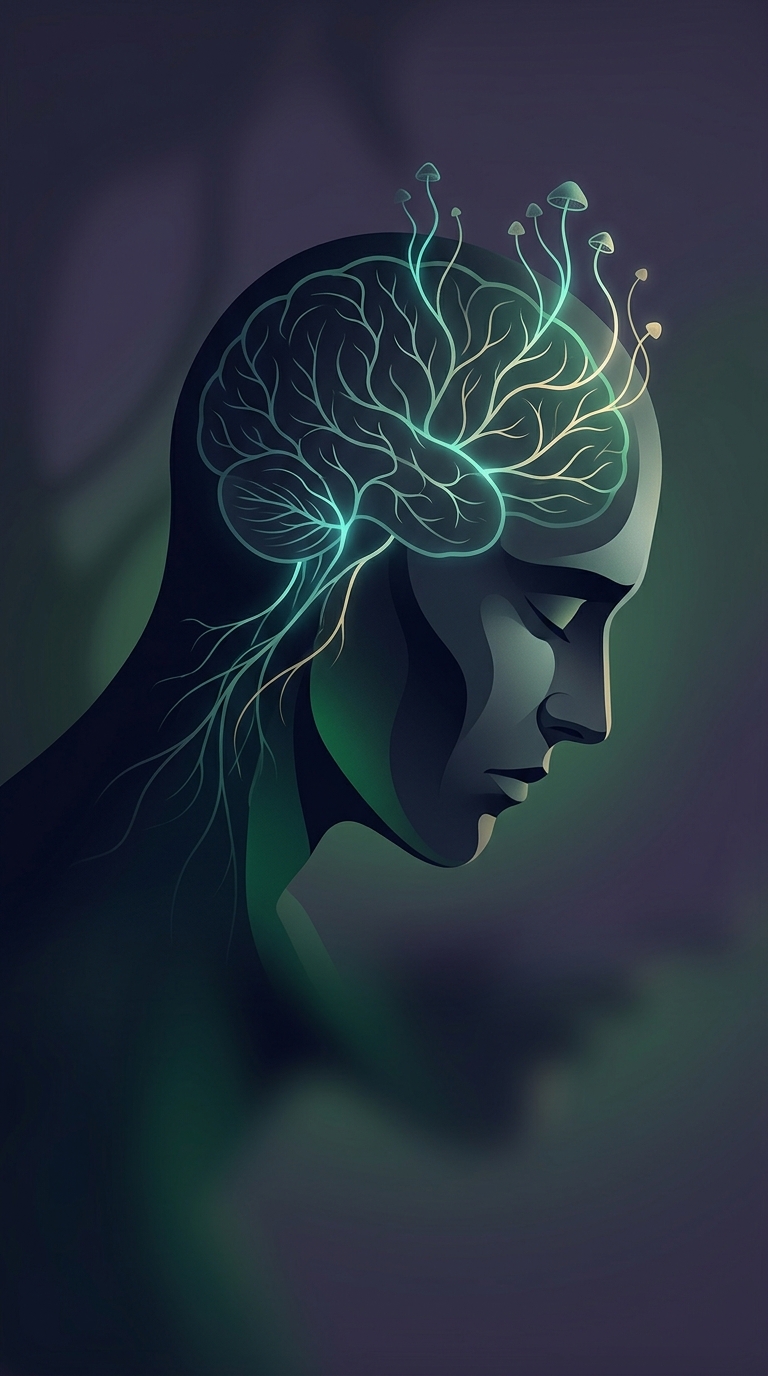
What horrifying zombie-like fate awaits jungle ants infected by the notorious Ophiocordyceps fungus?
Science

What horrifying zombie-like fate awaits jungle ants infected by the notorious Ophiocordyceps fungus?

What horrifying zombie-like fate awaits jungle ants infected by the notorious Ophiocordyceps fungus?

Discover more
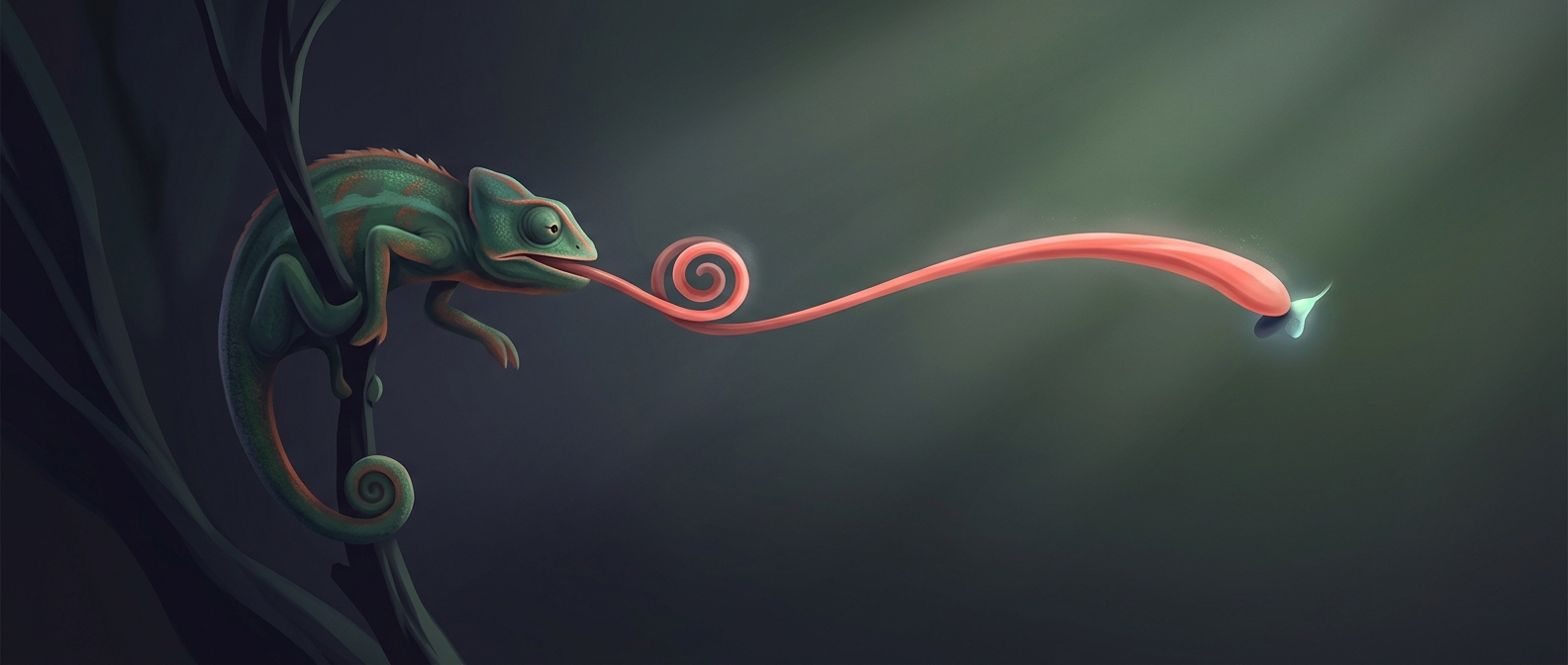
A Chameleon's Tongue Can Reach Twice Its Body Length
Science

A Chameleon's Tongue Can Reach Twice Its Body Length

When your primary defense mechanism is moving at the speed of a rusty tractor, your tongue better be impressive. A chameleon can launch its sticky tongue at…

Discover more
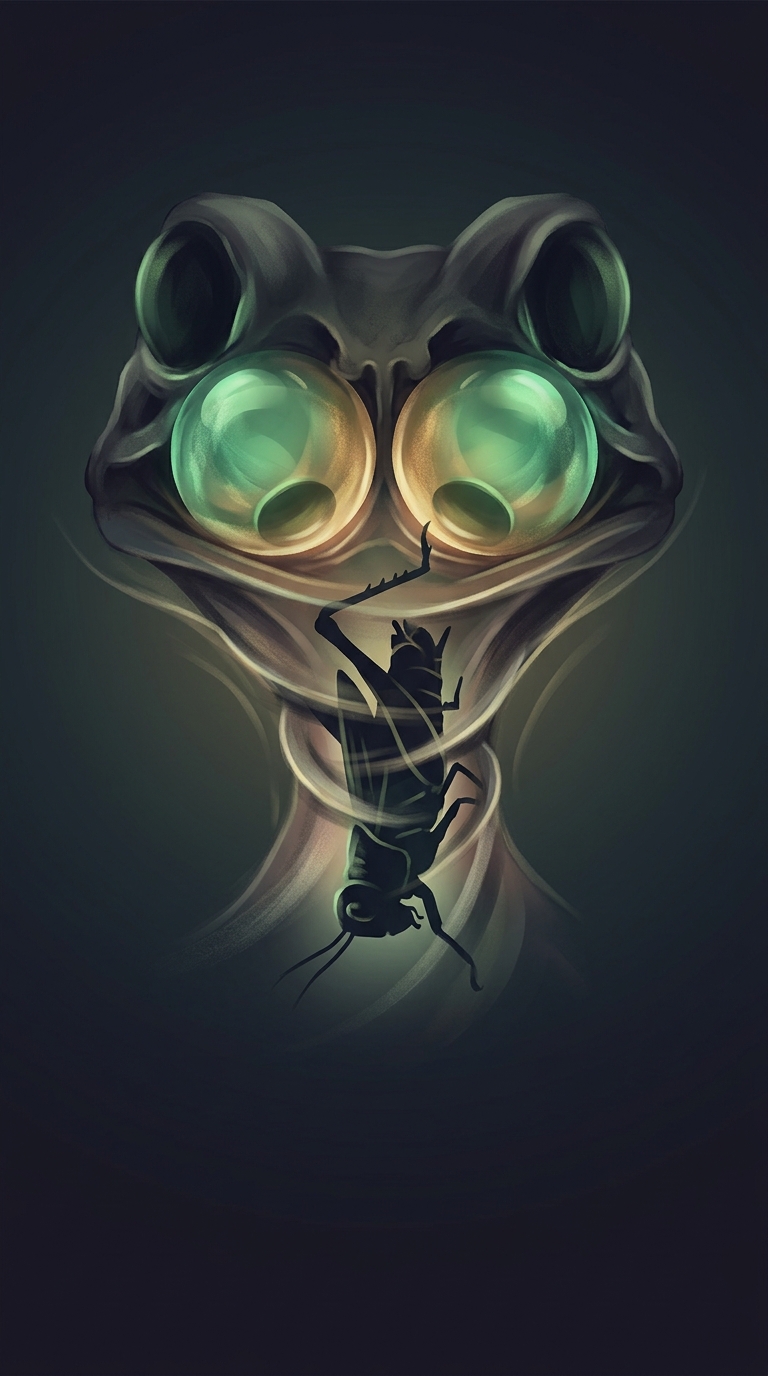
Frogs do not possess a hard palate separating their mouth from their eye sockets, so when they swallow a particularly large insect, they literally retract their eyeballs deep…
Science

Frogs do not possess a hard palate separating their mouth from their eye sockets, so when they swallow a particularly large insect, they literally retract their eyeballs deep…

Frogs do not possess a hard palate separating their mouth from their eye sockets, so when they swallow a particularly large insect, they literally retract…

Discover more
StackyMore discoveries in the app
Download on the App Store