Why a lobster’s growth doesn’t mean it can’t age
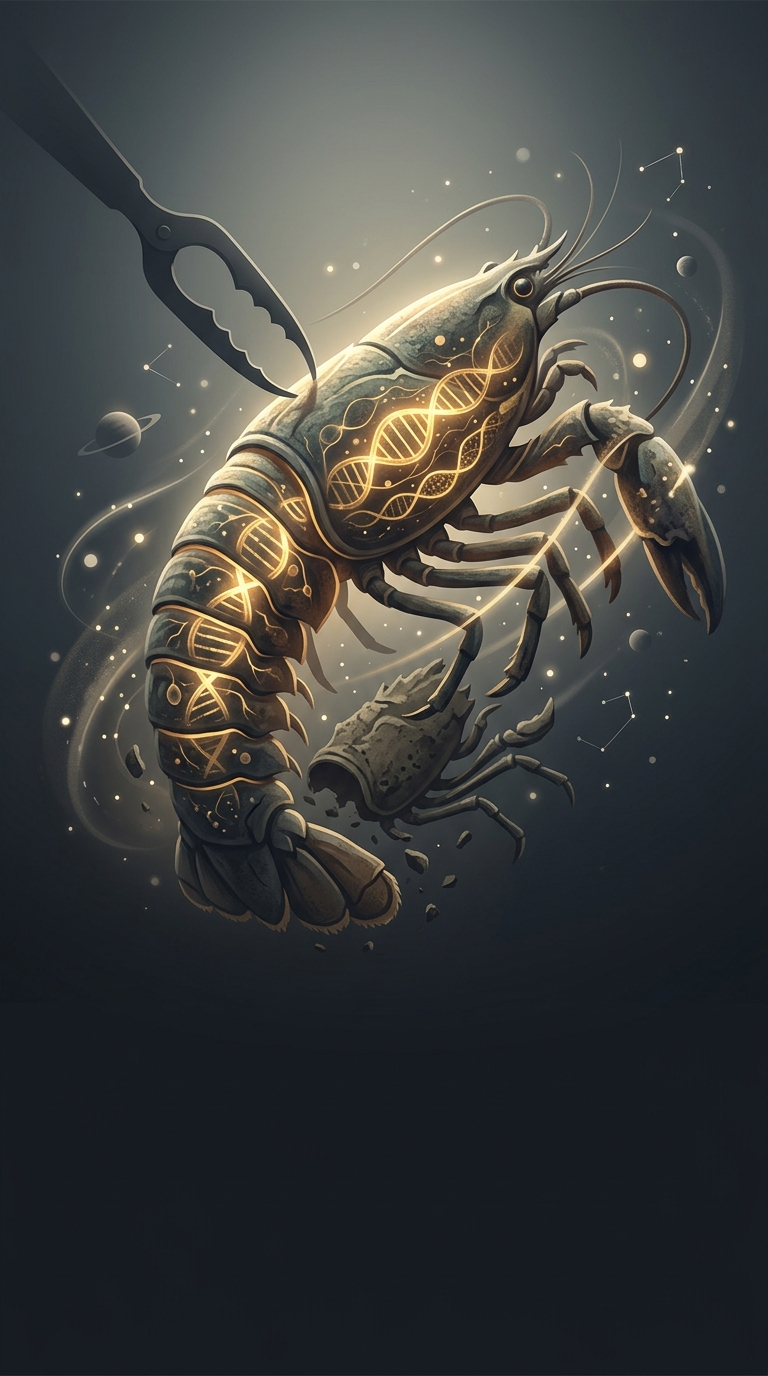
Most animals’ cells face a problem each time they divide: the protective caps at the ends of their chromosomes, called telomeres, tend to shorten. The enzyme telomerase can rebuild those caps. Lobsters have telomerase activity in many tissues, which may help their cells keep dividing and support continued growth.
That is not the same as repairing all DNA damage or keeping an entire animal young indefinitely. Telomerase acts on chromosome ends; it cannot prevent infection, injury, or the wear that comes with living. Lobsters can become less able to cope with stress and eventually die, even if they do not show the same clear pattern of aging-related decline seen in many other animals.
The growing cost of a larger shell
A lobster’s hard outer shell does not expand with it. To grow, the animal must shed the old shell in a molt and form a new one. The soft-bodied lobster is especially vulnerable during this transition, and making and carrying a larger shell takes more resources. As size increases, molting becomes a more demanding and risky event—not a simple route to limitless growth.
So the useful distinction is between continued growth and immortality. Telomerase may help explain why lobsters can keep growing over long periods, but it does not remove the other limits on survival. A lobster’s size and lifespan are constrained by the costs and dangers of its biology, not by a demonstrated path to growing without bound.