Science
Discover facts about science. Small discoveries that change the way you see familiar things.
Science
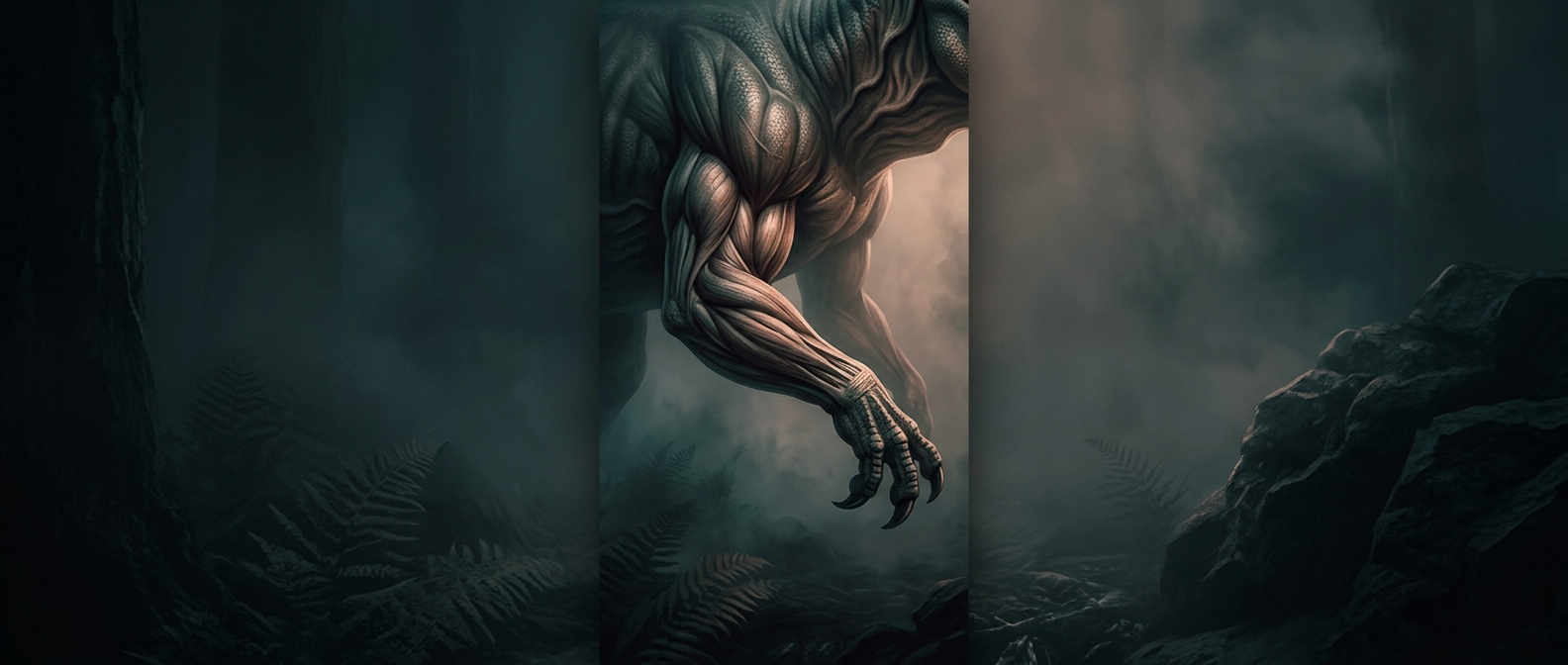
T. rex arms were stronger than they looked
T. rex had unusually short arms, but marks where muscles attached suggest those arms were not simply weak leftovers. Scientists still don’t know exactly what…
Discover more
River cobbles naturally armor stream beds against erosion
A strong current can sweep away small grains from a stream bed, leaving heavier cobbles behind like a layer of armor. Those stones shield the finer material…
Discover more
A coincidence becomes less surprising when life gets enough attempts
Statisticians call this the law of truly large numbers: with enormous numbers of events and interactions, unlikely matches become expected somewhere. You…
Discover more
Energetic reboots completely shatter your reality
A crisis can shake up a person’s life, but science doesn’t label it an “energetic reboot.” That phrase is metaphor, not a diagnosis—and hardship does not…
Discover more
Terbium artificially dopes solid state electronics
Terbium can be added to a material as a dopant: an extra ingredient that changes how the host behaves. Even a small amount can alter how charge moves through…
Discover more
Ceres asteroid exposes your preferred self care mechanism
An asteroid can’t tell what kind of care you need: there’s no demonstrated physical link between Ceres’s position and your preferences. But a description that…
Discover more STACKY FOR IPHONE
A bigger world.
One discovery
at a time.
Keep discovering with Stacky. Interesting facts in an app that is always within reach.
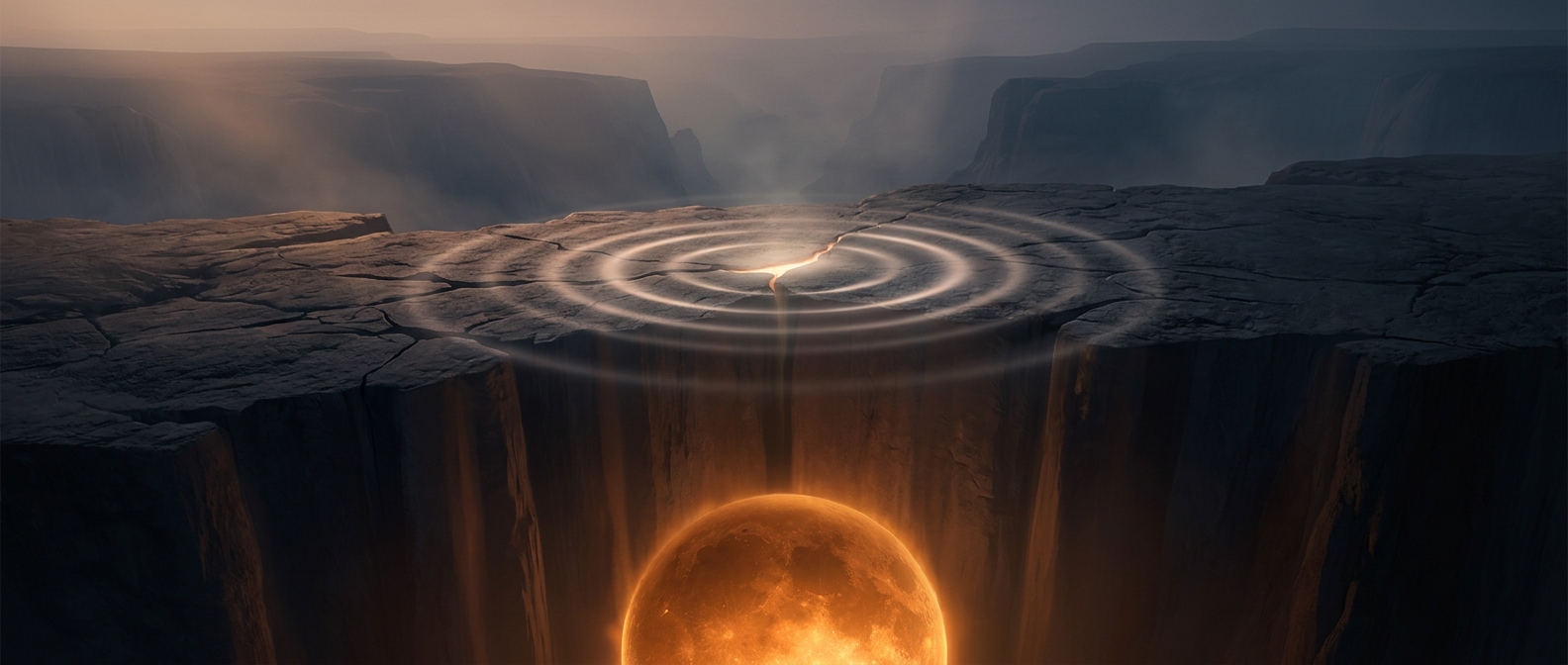
The earthquake’s real center is underground
Think of an earthquake as a tear that starts below ground and then travels along a fault. The starting point is the hypocenter, and the epicenter is its…
Discover more
Why tantalum can stay inside the human body
Tantalum quickly grows a thin oxide layer when exposed to air or bodily fluids. That stable coating acts like a shield, keeping corrosive fluids from…
Discover more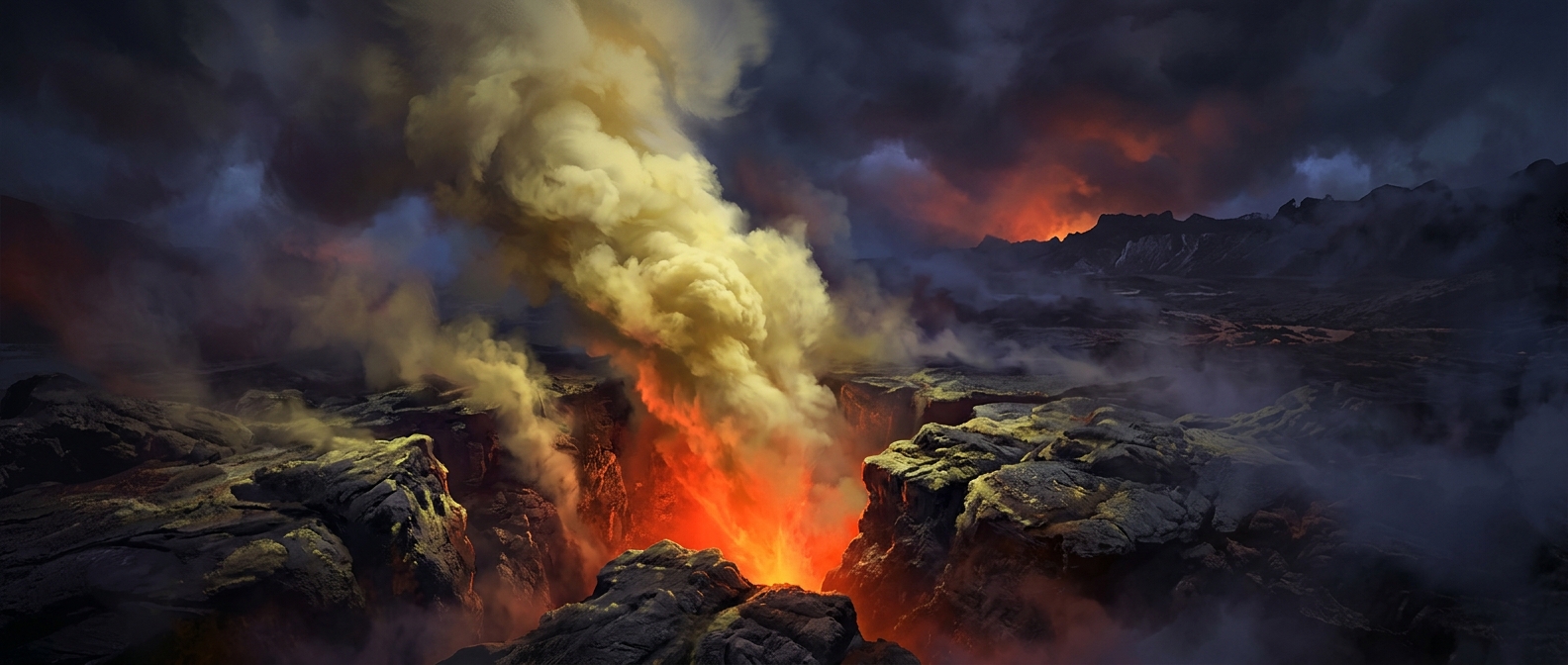
Fumaroles constantly vent superheated sulfurous steam
Water underground meets hot rock, heats up, and escapes through cracks as steam and gas. Some vents carry hydrogen sulfide, the gas behind rotten eggs’…
Discover more
San Andreas fault is a giant transform boundary
Where the San Andreas fault is locked, the plates keep trying to slide past each other even though the surface appears still. Their motion bends and strains…
Discover more
Modern lasers mostly function as intensely focused light
In a laser, one photon can make an excited atom emit another photon just like it. As more matching photons are produced, their waves travel in step and stay…
Discover more
Friction forcefully resists sliding between surfaces
Even surfaces that look smooth have tiny bumps. As they slide, those high spots catch, stick, and bend against one another, resisting motion as friction. At…
Discover more
Solfeggio frequencies are sold as miracle cures
A calming tone can help you relax, but that doesn’t mean a special frequency is treating your skin or aligning your body. The specific healing claims made for…
Discover more
Sunlight can push on solid objects
Light may have no weight you can feel, but it does carry momentum. When photons bounce off a spacecraft’s reflective sail, they transfer some of that momentum…
Discover more
Schmidt realized quasars were incredibly far away
A quasar looked like a tiny point of light, but its spectrum gave it away. Maarten Schmidt matched its shifted lines to hydrogen and realized the light had…
Discover more
Talc officially sits at the absolute bottom of Mohs scale
Talc sits at the softest end of the Mohs scale: a fingernail can scratch it, and it can be ground into powder. The scale ranks minerals by which can scratch…
Discover more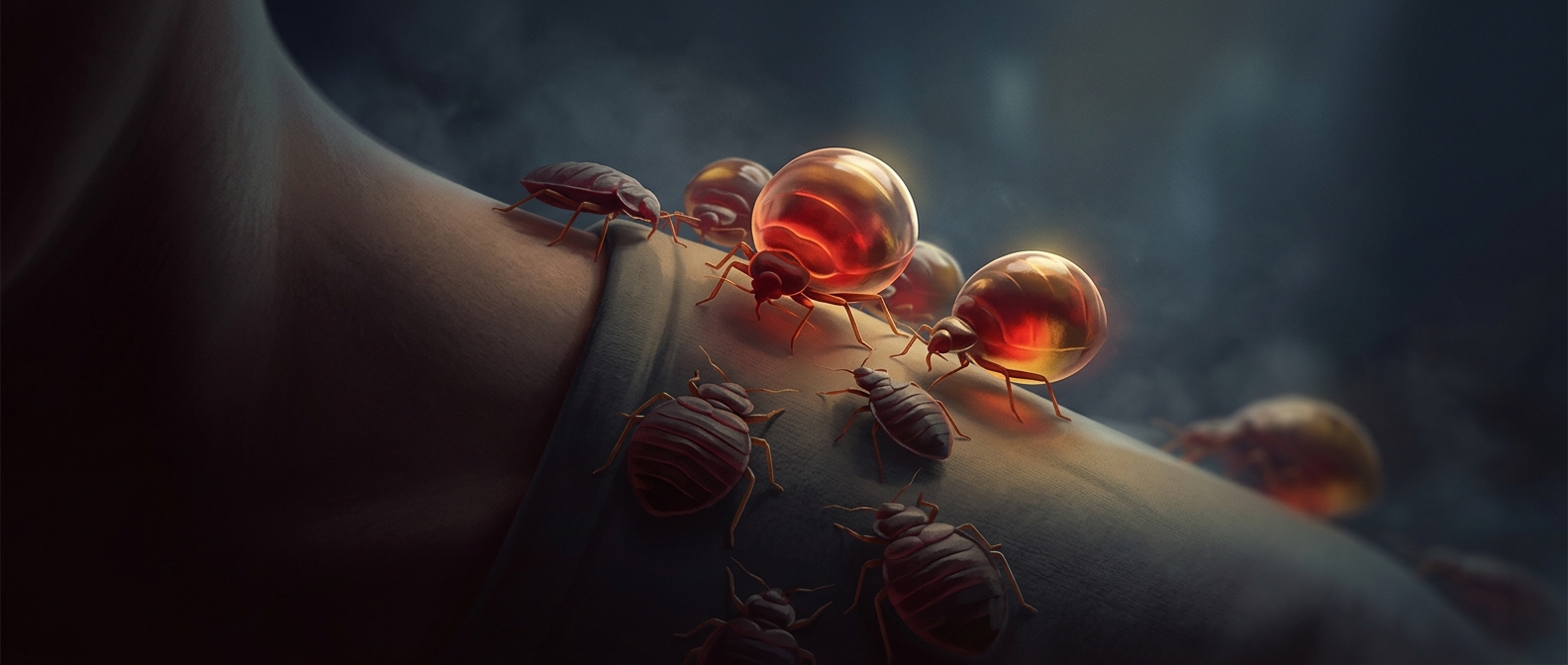
A bed bug changes shape when it feeds
An unfed adult is relatively flat and oval. After a blood meal it becomes more elongated, swollen and reddish-brown. That changing silhouette is one reason a…
Discover more
Law of Assumption states reality is subjective
Imagining success can change what you notice and what you do, but it doesn’t make reality obey your thoughts. Expecting an opportunity may help you spot it or…
Discover more
Accumulated volcanic ash chemically cements into rock
Tuff starts as loose volcanic ash and fragments. Water carries minerals into the gaps between the grains; as the layers press together, those minerals harden…
Discover more
Why raccoons wash even dry food
A raccoon dunking dry food may be using water to feel it better, not to clean it. Its front paws are packed with touch receptors, and water may make the…
Discover more
John Napier invented logarithms to simplify calculations
Napier’s trick was to turn a hard operation into an easier one: multiplying became adding. Find the logarithm of each number in a table, add those two…
Discover more
Halley realized the same large comet kept returning
Halley compared records of comets seen in different years and noticed their paths matched. He calculated when the returning comet should appear next, in 1758,…
Discover more
Python was named after Monty Python's comedy troupe
Python got its name from the comedy troupe, not the snake: Guido van Rossum was reading Monty Python scripts when he chose it. The joke still pops up in code…
Discover more
The sound that supposedly makes people lose control
Infrasound is simply sound below the range human ears can hear. That label describes a frequency, not a secret button that takes control of the body; the…
Discover more