What makes a sound “infrasound”?
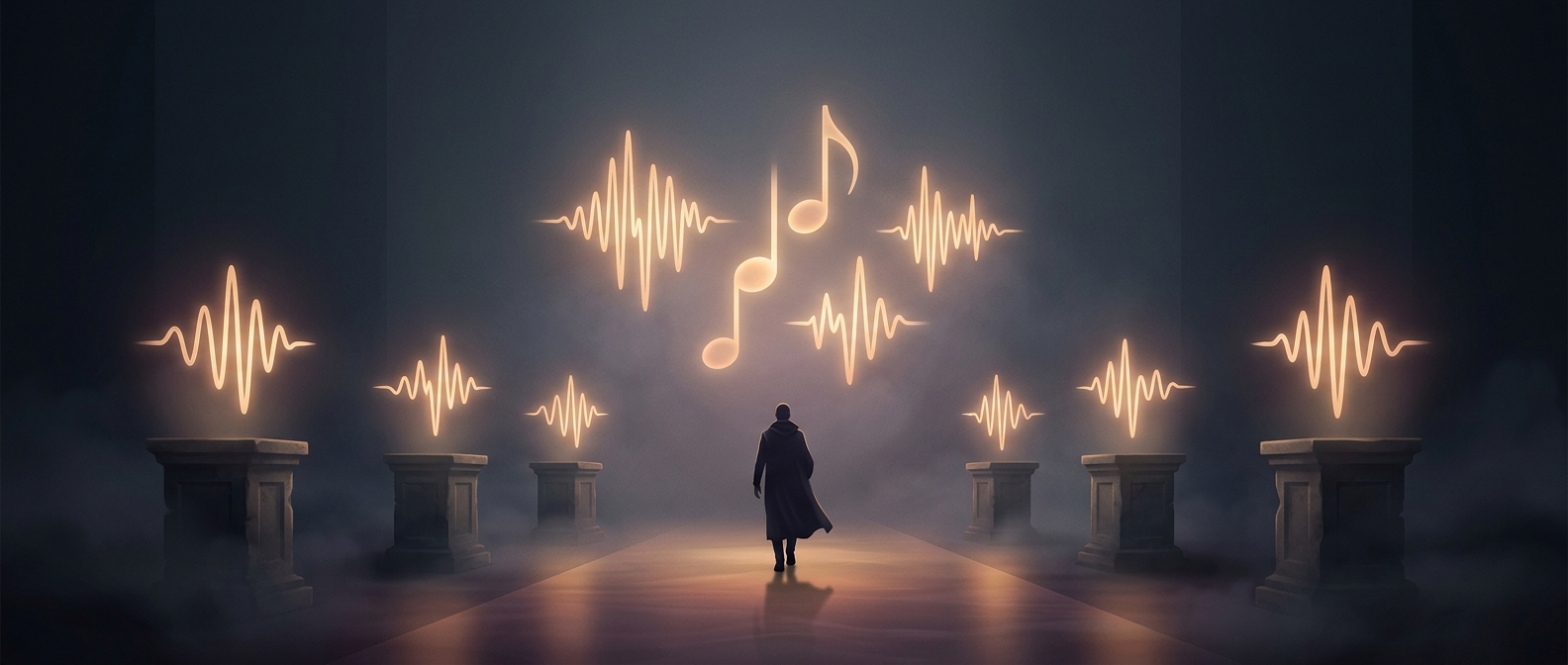
Sound travels as pressure waves through air. How quickly those waves repeat determines their frequency, measured in hertz: infrasound is below about 20 hertz, the lower boundary of typical human hearing. That boundary is not a hard wall. Some people may sense very low-frequency vibration as pressure or rumbling without hearing it as a clear musical note.
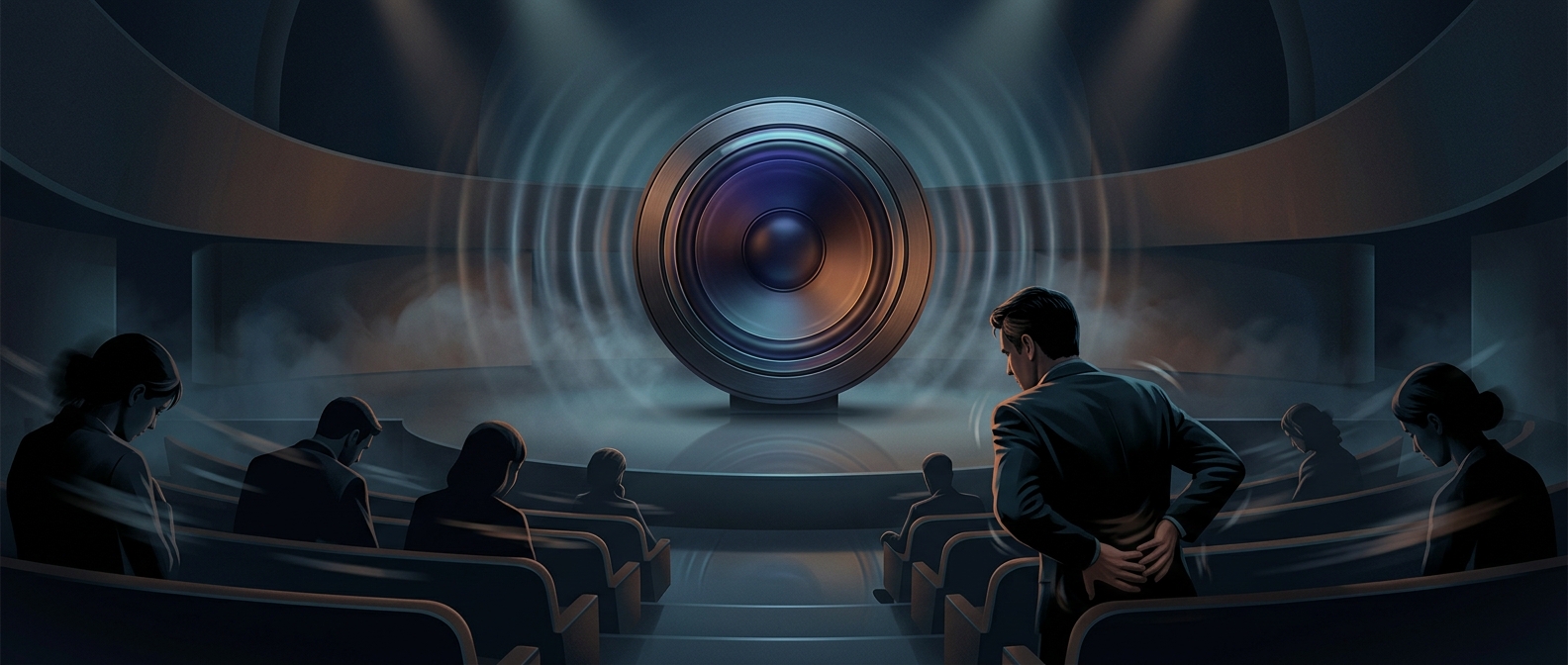
Low frequency also does not mean weak. A powerful source can make walls, windows, or other objects vibrate. The sensation comes from the physical energy reaching the body or surroundings—not from a special frequency that overrides the brain.
Why the “brown note” story sounds plausible
A very low rumble can be unsettling. It may be difficult to locate, and a person might feel vibration without being able to identify its source. Those unfamiliar sensations can prompt alarm, especially in a noisy environment or when someone expects a disturbing effect.
But discomfort is not loss of control. The body does not respond to one precise low pitch by automatically triggering bowel release or other dramatic behavior. Claims about a “brown note” turn a possible reaction to loud or uncomfortable sound into a supposed biological switch, and that switch has not been demonstrated.
What low-frequency sound can actually do
At sufficiently high levels, sound can be uncomfortable and may affect hearing; very low-frequency vibration can also make objects rattle or produce a bodily sense of pressure. What happens depends on the sound’s intensity, duration, and the person’s surroundings—not simply on whether its frequency falls below the hearing range.
So the useful distinction is between a sound that is hard to hear and a sound that can control someone. Infrasound describes the first. It does not establish the second.