Where an Earthquake Begins
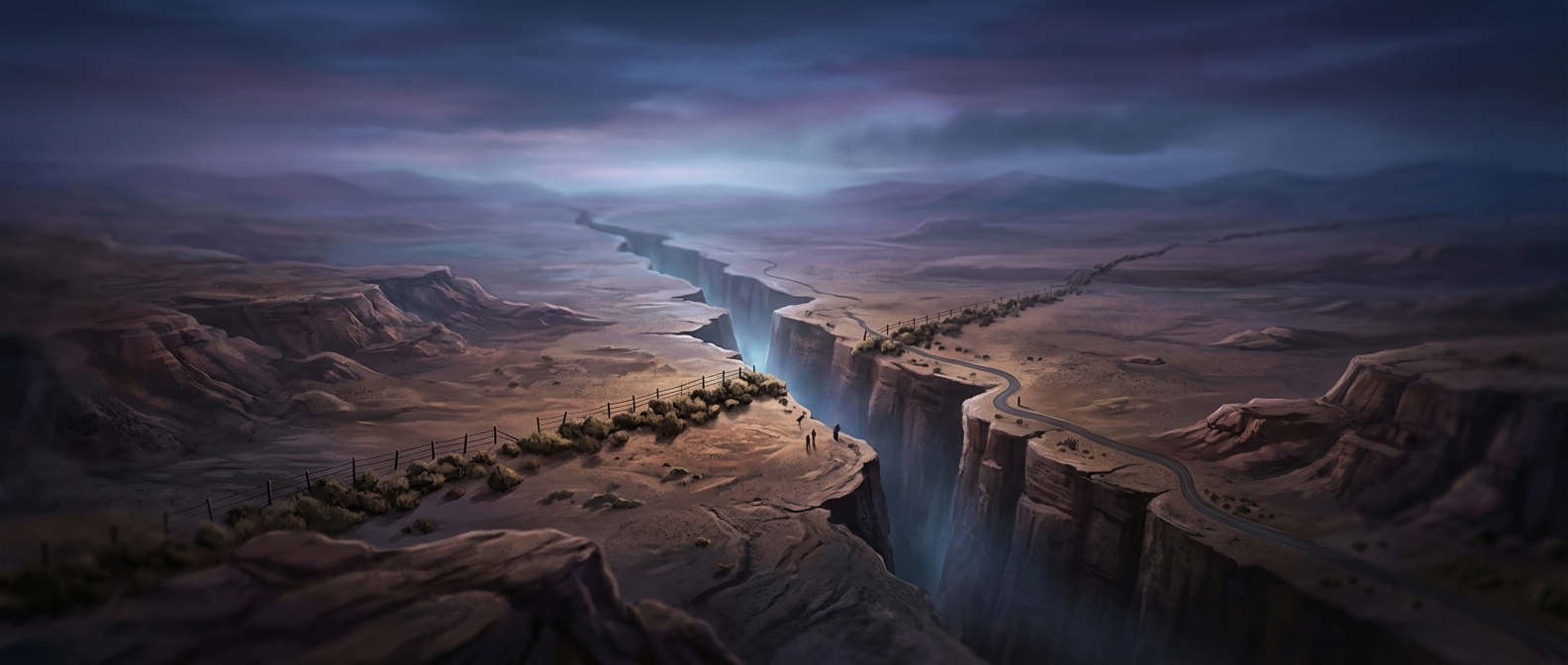
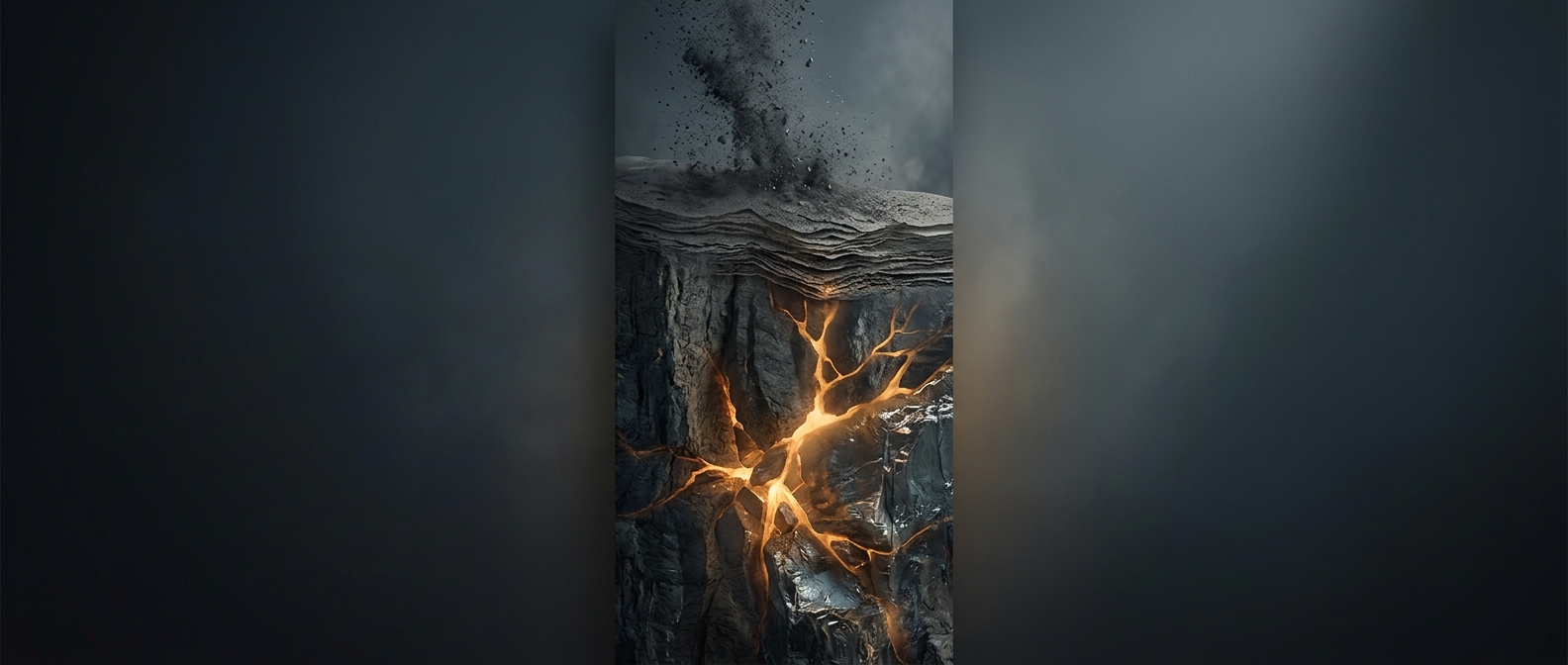
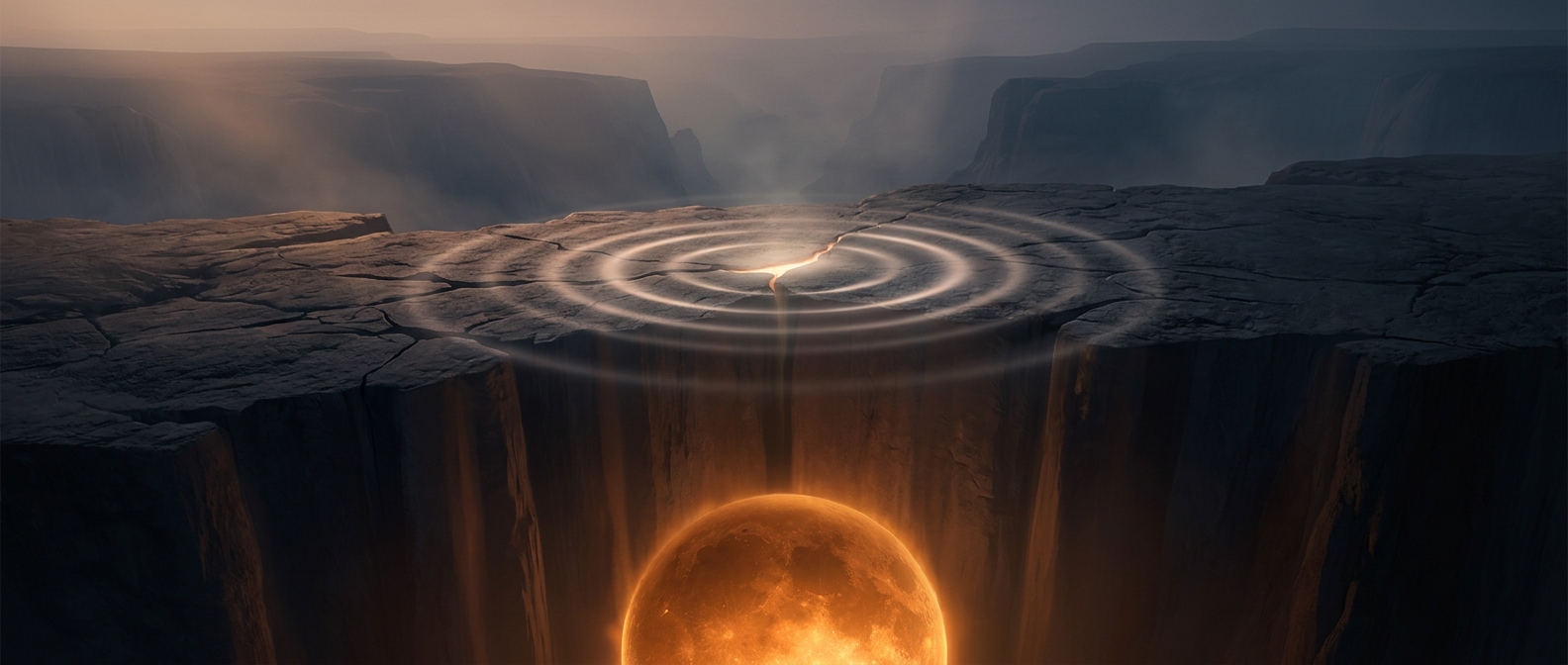
An earthquake starts when rock on one side of a fault suddenly slips against rock on the other. The first point where that rupture begins is the hypocenter, also called the focus. It lies below the surface, sometimes shallow and sometimes many kilometers down.
The rupture then spreads along part of the fault. That movement releases stored strain as seismic waves—vibrations that travel through Earth and make the ground shake. The rupture may extend across a broad area, rather than radiating from one fixed spot.
Why the Epicenter Is Not Always the Shakiest Place
The epicenter is simply the point on the surface directly above the hypocenter. It is useful for locating an earthquake, but it does not mark the entire rupture or guarantee where shaking will be strongest.
Shaking at any location depends on several linked factors: how much of the fault ruptured nearby, how the seismic waves traveled, and what the local ground is made of. Soft sediments can amplify shaking compared with solid bedrock, for example. A rupture that spreads toward one community can also send more energy in that direction than toward a place equally distant on the other side.
That is why an earthquake’s surface effects can form an uneven pattern. The epicenter gives the event a simple map address; the moving rupture and the ground beneath each location help determine what people actually feel.