How sunlight gives a sail a shove
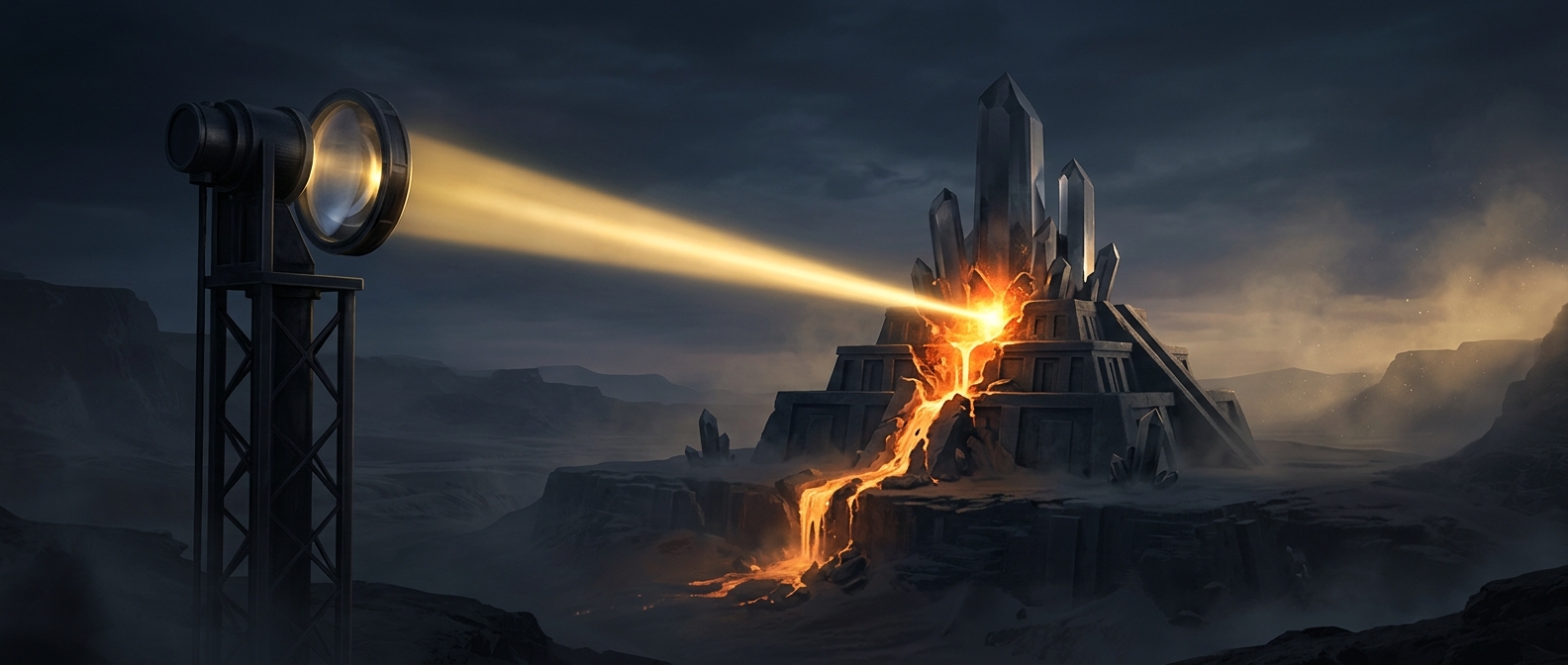
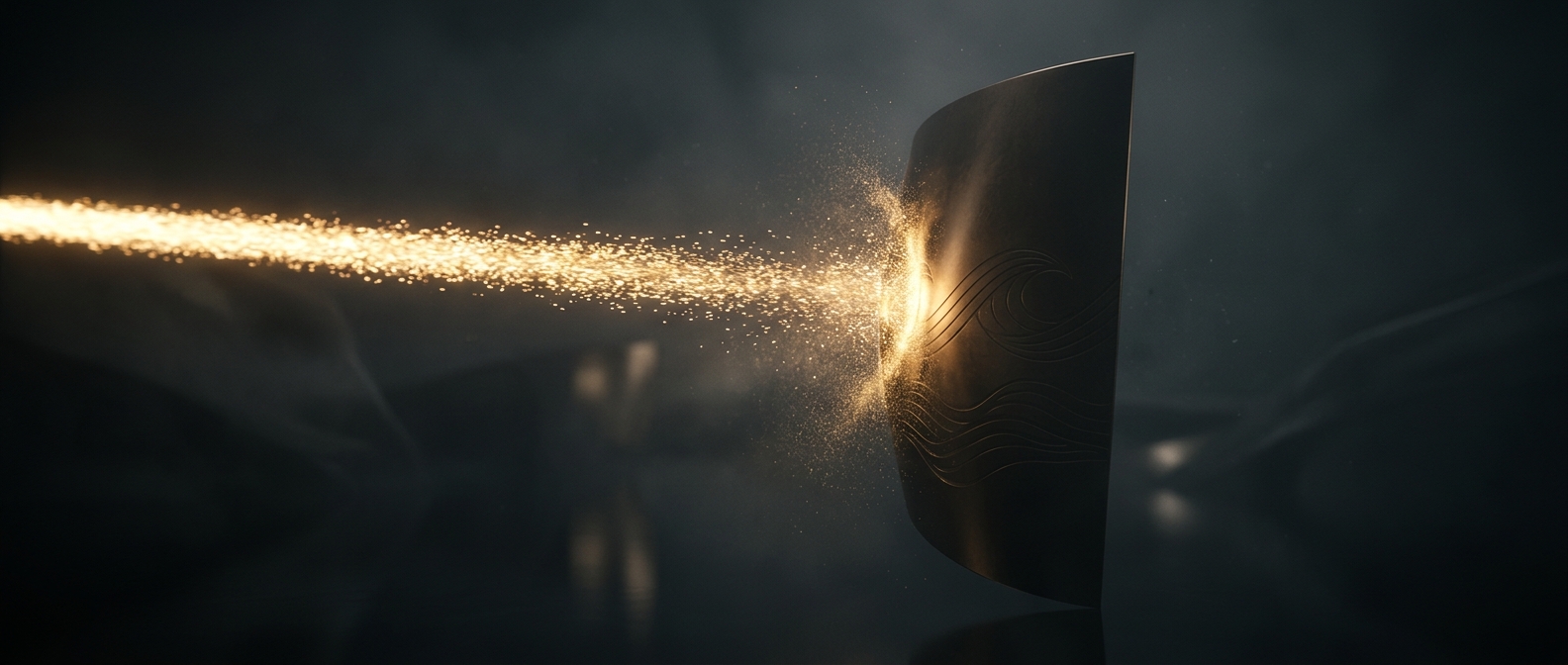
Light is made of photons, tiny packets of energy that also carry momentum—the quantity associated with motion. When a photon hits a reflective sail and bounces away, its direction changes. To conserve momentum, the sail receives a small push in the opposite direction.
A mirror-like surface makes this effect stronger than a surface that absorbs light. An absorbed photon transfers its momentum once; a reflected photon reverses direction, transferring more of it to the sail. The force is still tiny, but it acts continuously while sunlight strikes the craft.
Trading fuel for time
A solar sail is a broad, lightweight sheet attached to a spacecraft. Its large area catches photons, while its low mass lets their small pushes gradually change its motion. The sail can be angled to steer: turning it changes how sunlight reflects and therefore the direction of the force.
Unlike a rocket engine, a sail does not need to carry propellant to keep accelerating. But it cannot produce a dramatic burst of speed. Its acceleration is gentle, and it depends on available sunlight, so the craft’s path must be planned around a steady buildup rather than a quick maneuver.
That tradeoff makes sunlight useful for long journeys: a force too faint to notice on Earth can keep nudging a spacecraft for months, adding speed without emptying a fuel tank.