A closer look
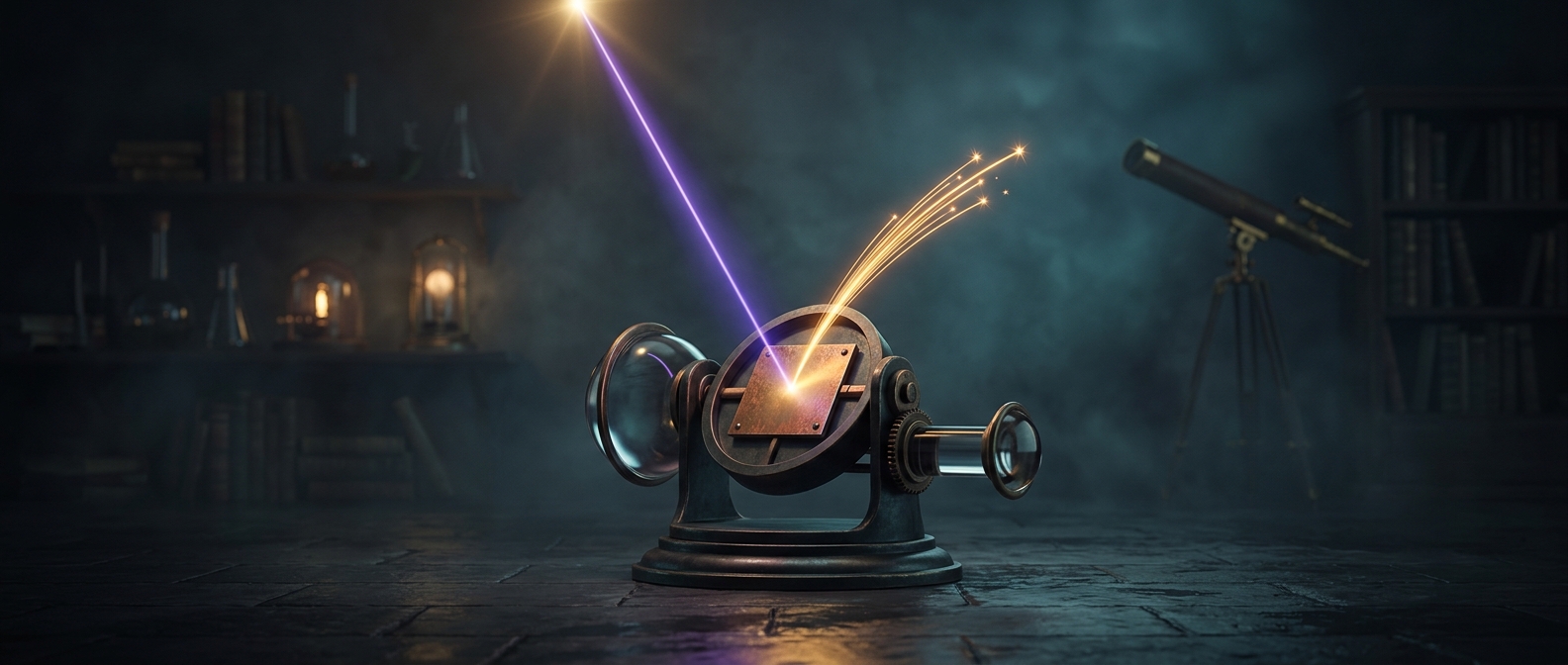
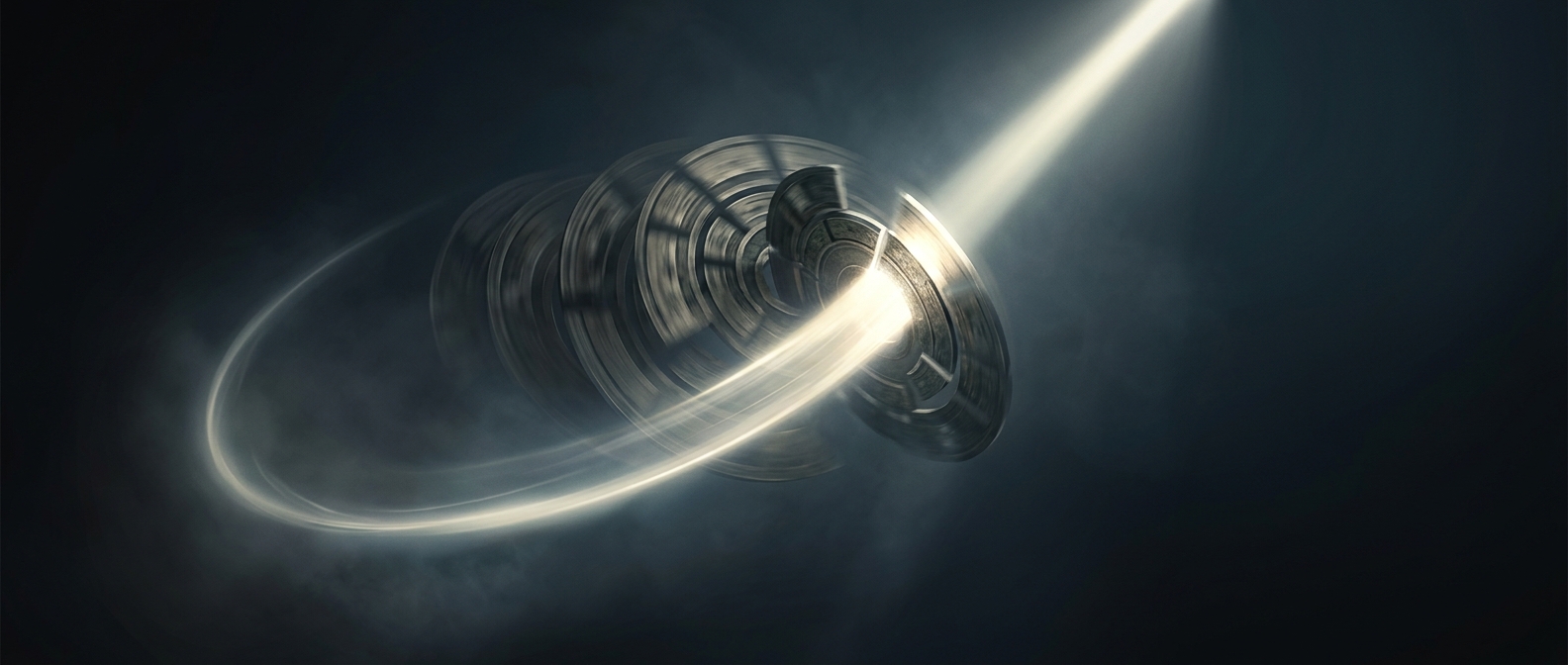
In the mid-1800s, Alexandre-Edmond Becquerel wanted to know if materials glowed in the dark after the lights went out, even for a fraction of a second. So, he built the phosphoroscope—a wildly spinning contraption of perforated metal disks. By looking through the spinning holes, he could expose a sample to light and then view it in complete darkness mere milliseconds later. He proved that even mundane objects hold onto light, essentially inventing a 19th-century strobe system to measure the afterglow of glowing rocks.