Science
Discover facts about science. Small discoveries that change the way you see familiar things.
Science
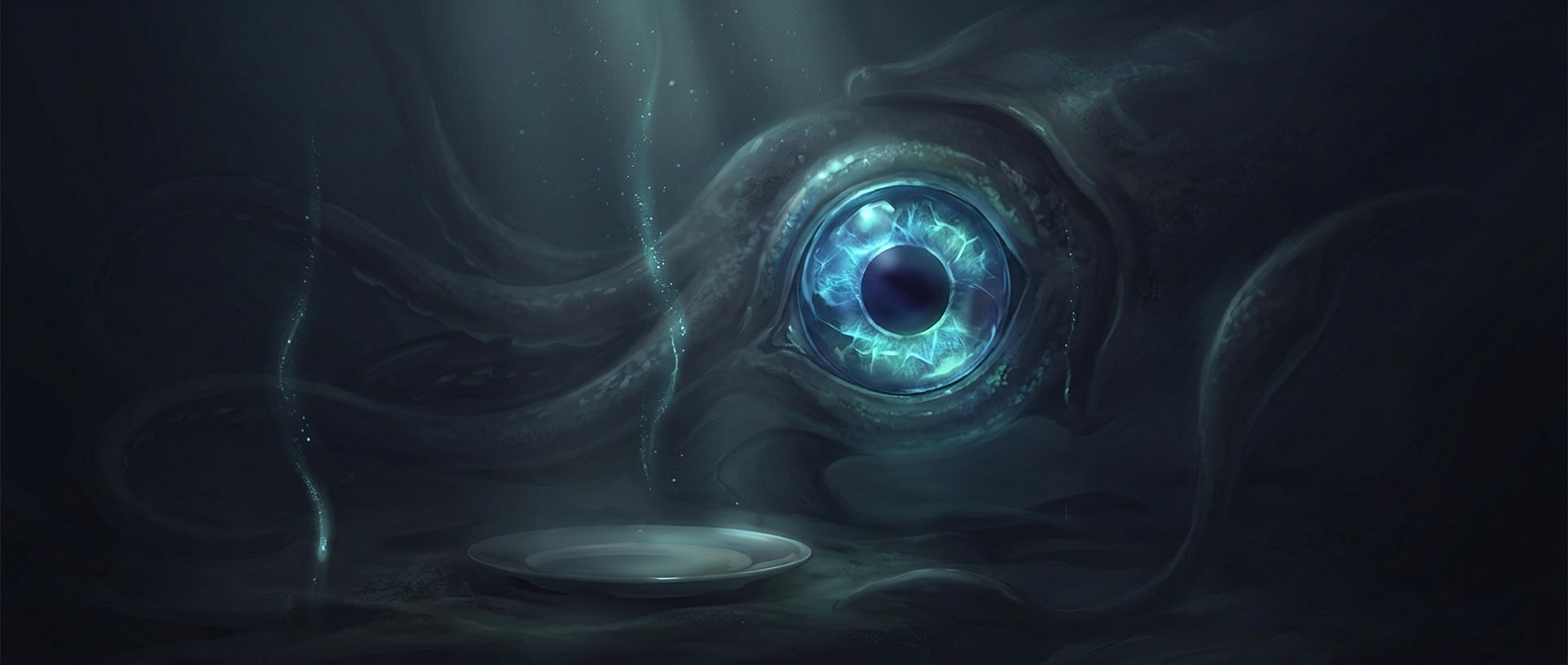
Why giant squid need eyes the size of dinner plates
A giant squid’s enormous eyes collect more of the scarce light in the deep sea, where sunlight barely reaches. That may help it notice bioluminescent flashes…
Discover more
Lahars function as devastatingly fast volcanic mudflows
A lahar can start with rain, not lava. Rain loosens ash and rock left on a volcano, mixing them into a heavy slurry that rushes downhill. Valleys funnel the…
Discover more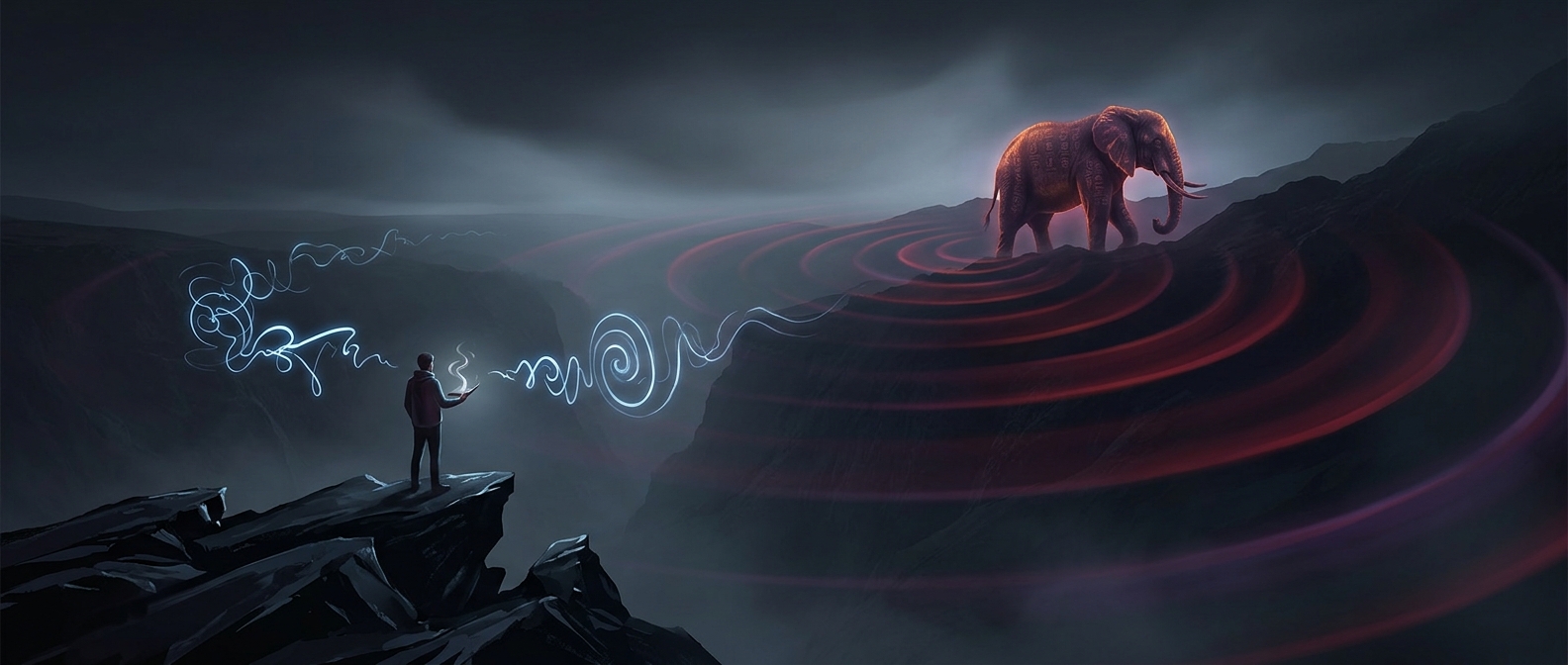
Infrasound waves travel much further than high pitches
Infrasound is sound too low for most people to hear as a pitch—fewer than about 20 vibrations per second. Its long waves tend to lose less energy and bend…
Discover more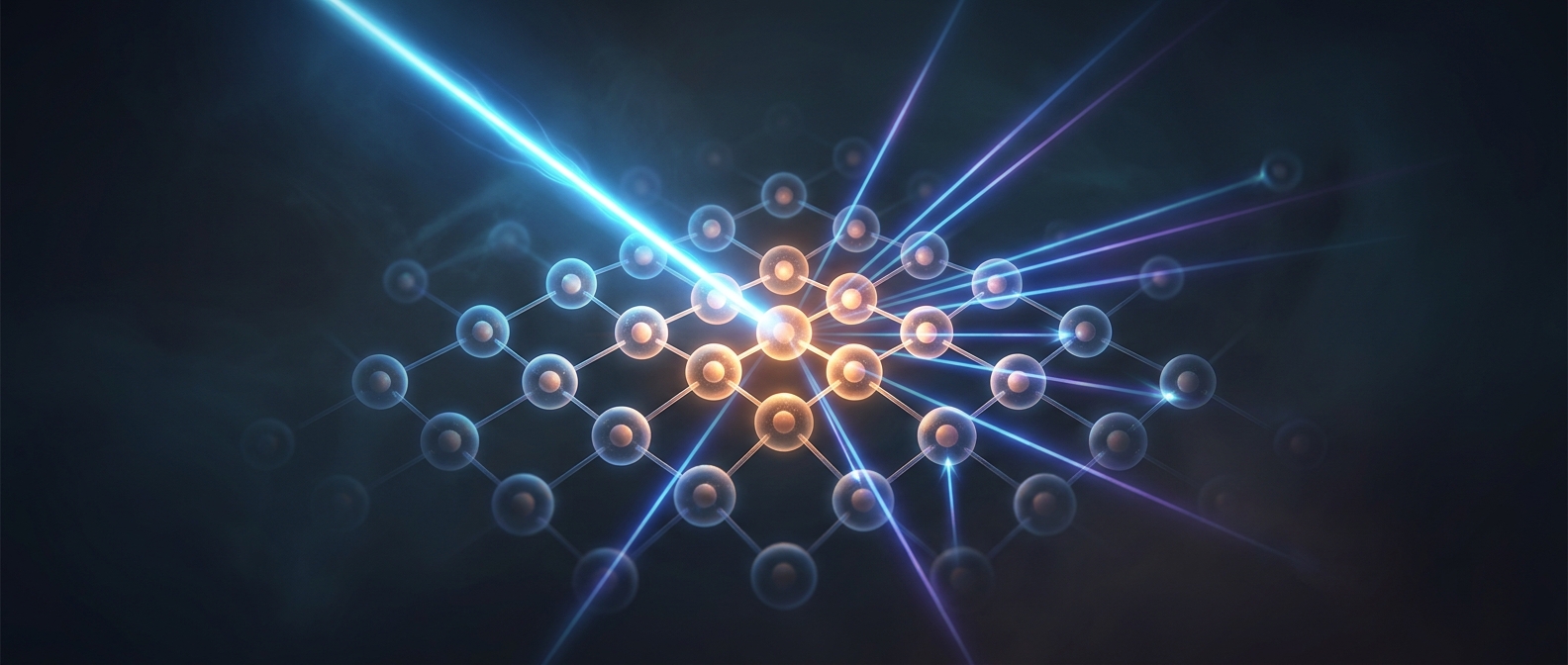
X-rays can bounce off electrons
The electron doesn’t just reflect an X-ray unchanged: it takes some momentum, recoils, and leaves the photon with less energy. That loss changes the X-ray’s…
Discover more
Reproductive cells deliberately halve their genetic code
Before an egg or sperm is made, meiosis separates each chromosome pair so the cell keeps just one member of each pair. At fertilization, the egg and sperm…
Discover more
Rabbits can't see what's right under their noses
A rabbit’s eyes sit far to the sides, giving it a broad view for spotting danger but leaving a small blind spot right under its nose. Its whiskers sweep…
Discover more STACKY FOR IPHONE
A bigger world.
One discovery
at a time.
Keep discovering with Stacky. Interesting facts in an app that is always within reach.

Ad blockers engage in an endless arms race digitally
An ad blocker looks for signs of ads, such as requests to known advertising servers or ad elements on a page, and filters or hides them. Websites can change…
Discover more
Most of your serotonin is made in your gut
Serotonin has a major job in the gut: it helps coordinate digestive activity. Gut tissue produces most of the body’s supply, but brain serotonin is a separate…
Discover more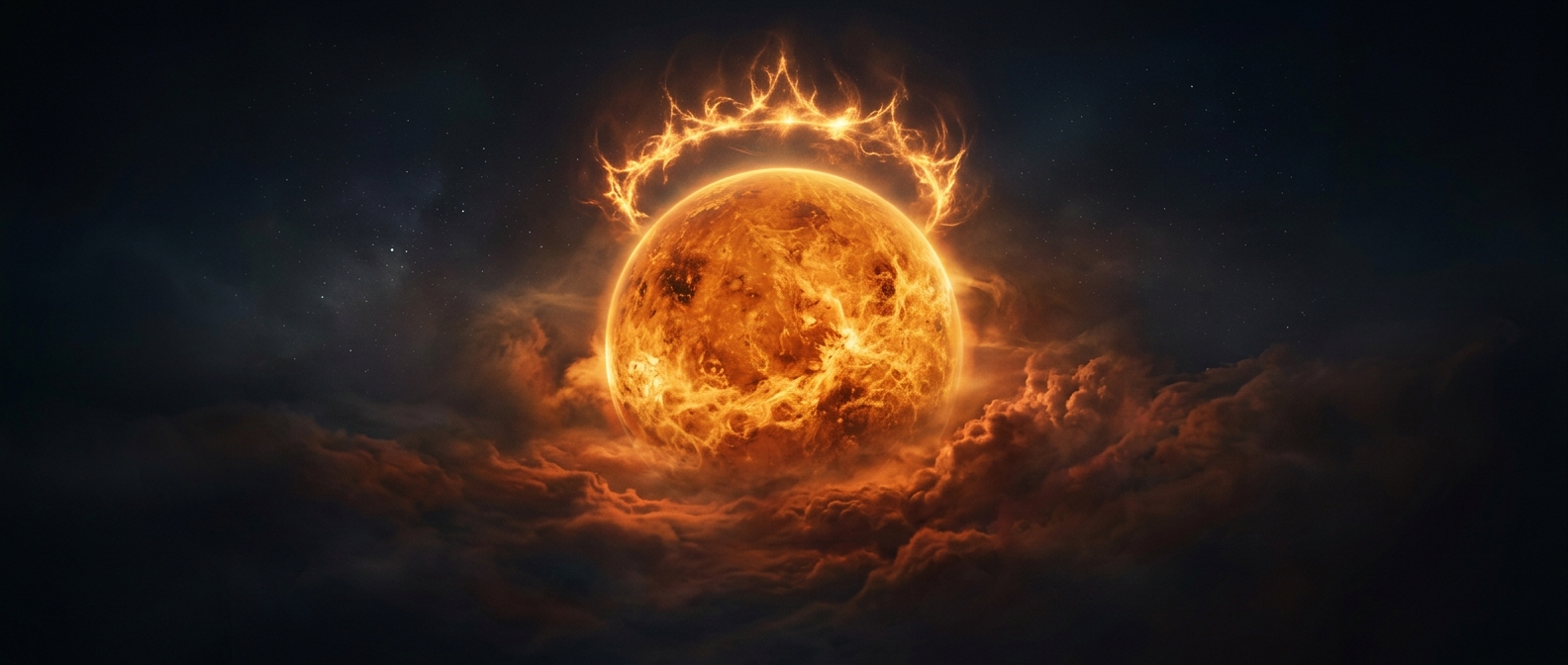
Venus takes the crown for hottest solar system planet
Mercury gets more direct sunlight, but Venus is better at holding on to heat. Its thick carbon dioxide atmosphere lets sunlight warm the ground, then slows…
Discover more
DNA can protect itself from extreme heat
Some heat-loving microbes use reverse gyrase to twist their DNA into tighter coils. The extra winding can help the genetic material stay stable at…
Discover more
Barium sulfate completely resists chemical dissolution
Barium sulfate dissolves so little in water that very little barium enters the body from the digestive tract. It also blocks X-rays, making the gut show up in…
Discover more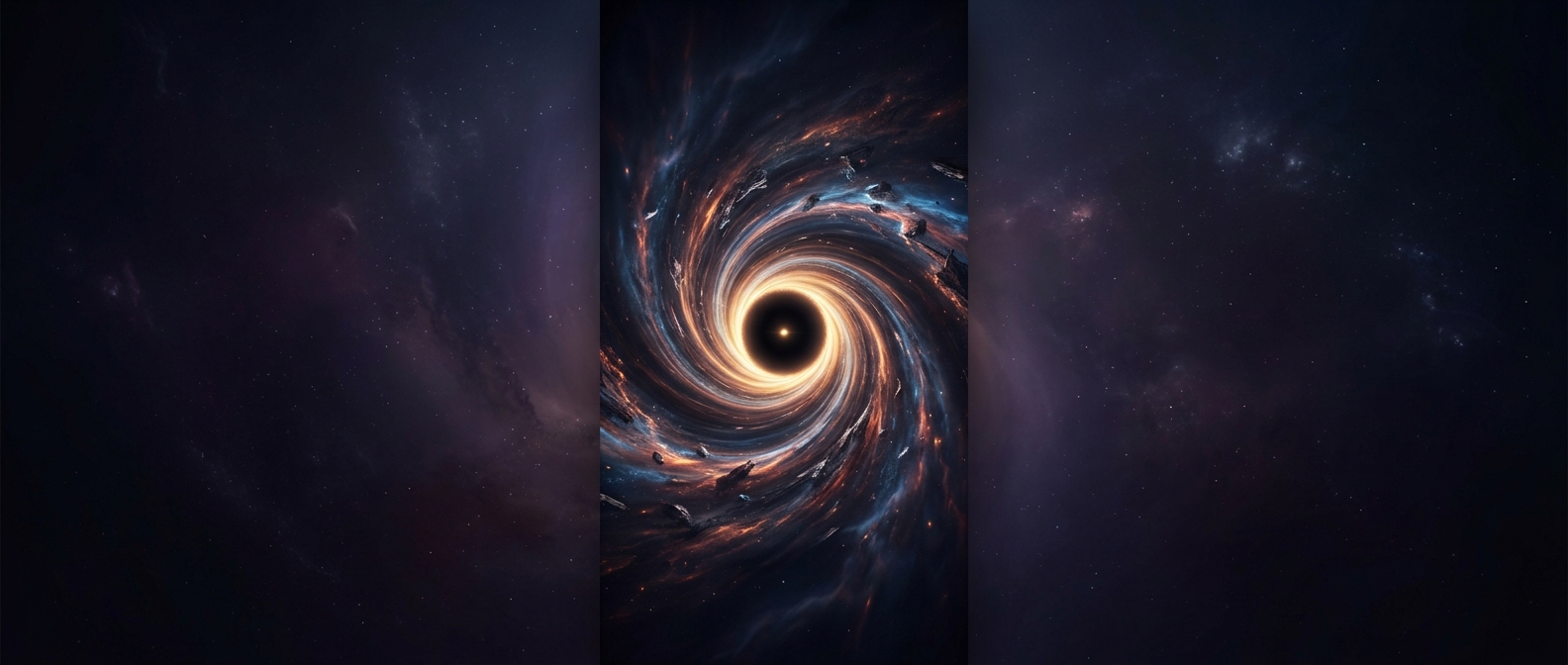
Where black-hole physics breaks down
The equations of general relativity predict an infinite-density point at a black hole’s center, but that infinity isn’t a thing anyone has measured. It tells…
Discover more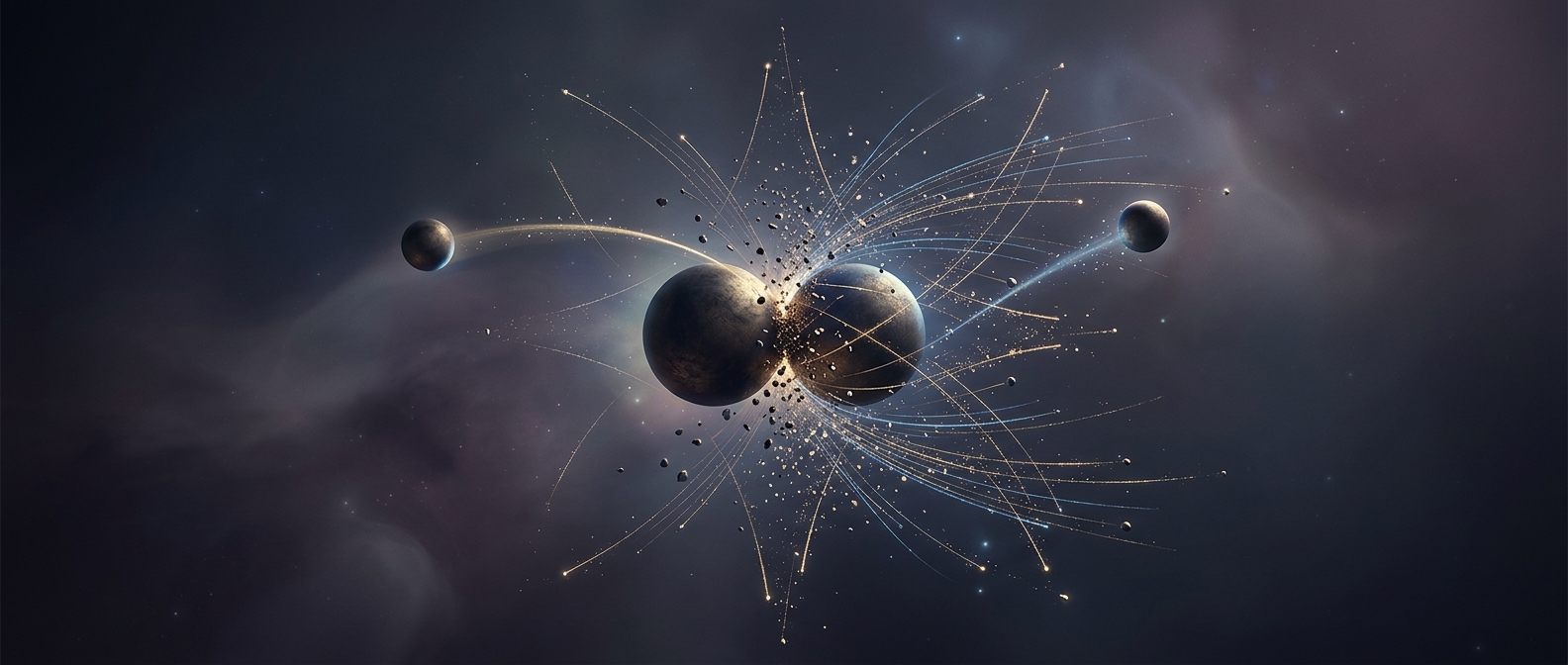
Momentum conservation strictly dictates how objects scatter
Momentum tells you what the collision must conserve, but not exactly how the objects will bounce. If they dent, heat up, or make noise, some motion energy…
Discover more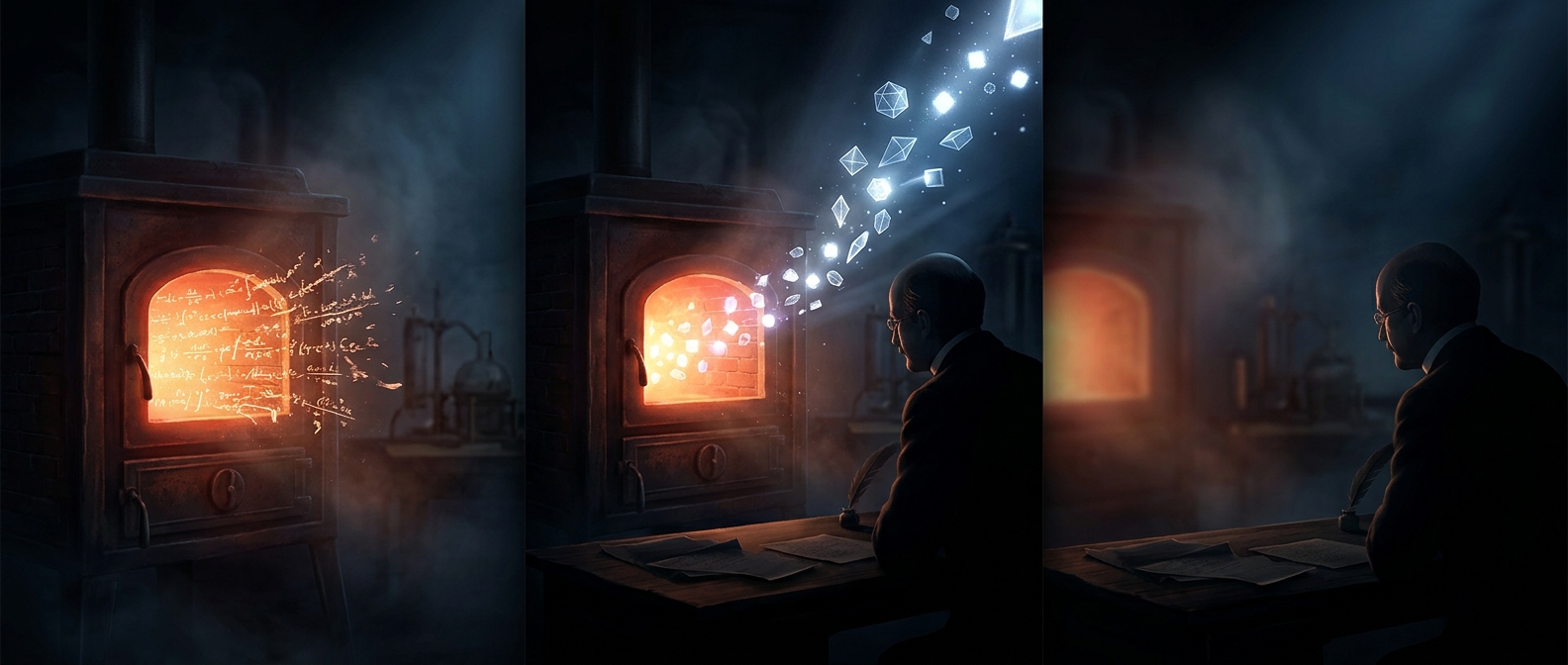
Planck invented quantum theory to solve a math problem
Planck needed a mathematical fix for a problem in how scientists described light. He proposed that energy comes in packets rather than a smooth, endlessly…
Discover more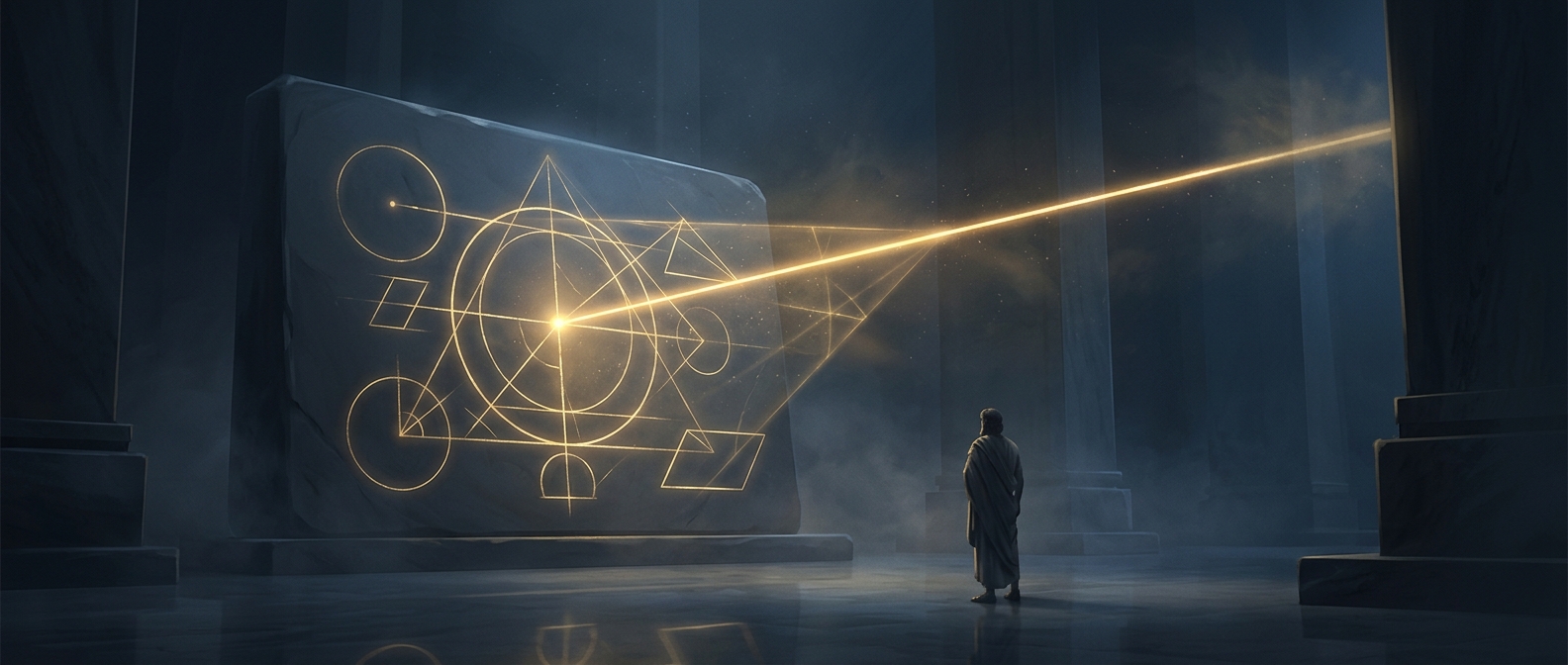
Euclid wrote geometry rules we still use today
Euclid’s Elements builds geometry from a small set of starting assumptions, then uses proofs to show what follows from them. Each result becomes a tool for…
Discover more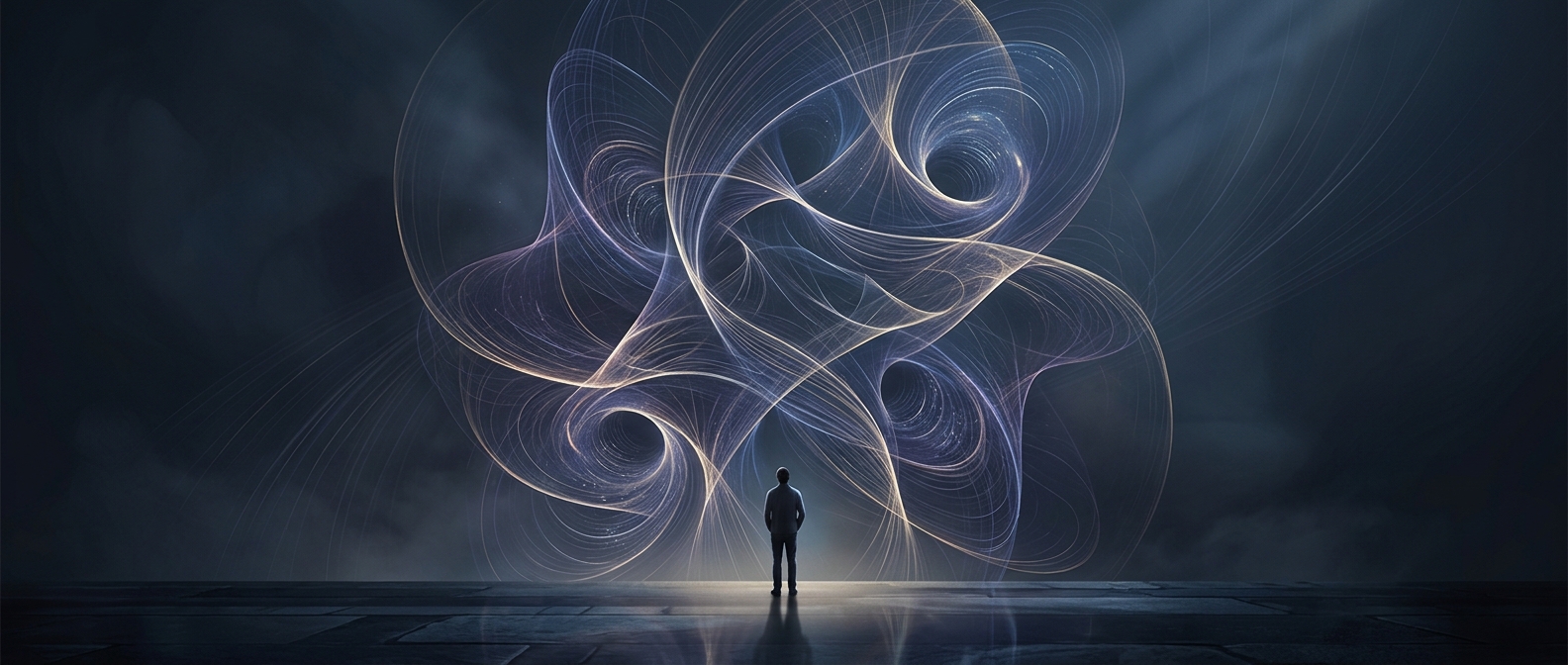
String theory hides extra directions in tiny spaces
In some versions of string theory, extra spatial dimensions are curled up too small to observe directly. A hose offers an analogy: from far away it looks like…
Discover more
Eleven eleven unlocks instant universal alignment
The repeating digits in 11/11 catch the eye, and seeing 11:11 on a clock can make the pattern feel even more pointed. But the numbers don’t exert a measurable…
Discover more
Nomads were originally looking for pasture
The root of “nomad” connects the word to herding and pasture. People moved their animals to fresh grazing when the current supply ran low, turning travel into…
Discover more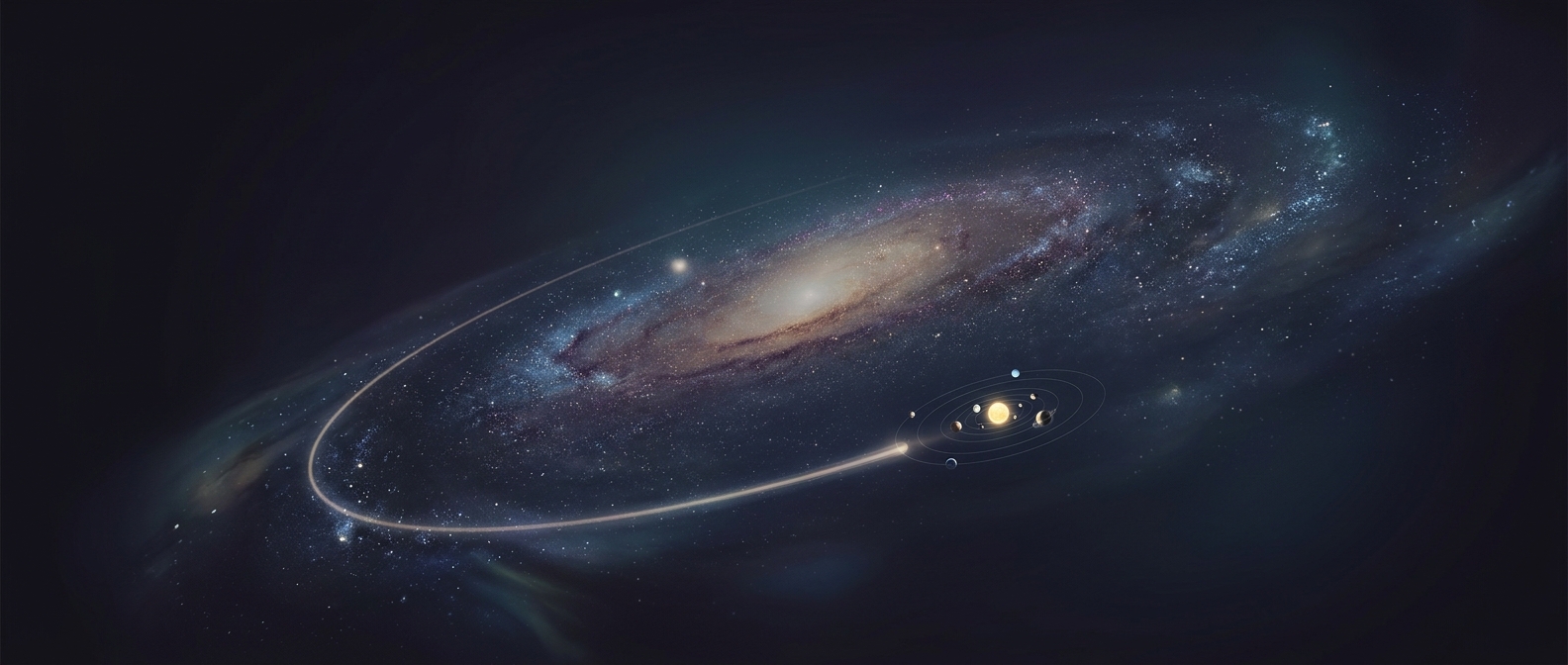
Our solar system takes eons to orbit the galactic center
Our solar system takes about 230 million years to circle the Milky Way once. That's a galactic year: Earth's year is one lap around the Sun, while this one is…
Discover more
A jiffy is a real unit of time in physics
In one physics definition, a jiffy is the time light needs to travel one centimeter—about 33 picoseconds. Think of light taking a tiny step and the clock…
Discover more
Cryptographic nonces prevent devastating replay attacks
A server can attach a one-use number—a nonce—to a request, then remember that it has already seen it. If an attacker sends the same request again, the server…
Discover more
The math problem behind packing the best bag
In the knapsack problem, choosing one item can block two others whose combined value is greater, even if each looks like a worse deal by itself. A computer…
Discover more
Gregor discovered titanium buried in black river sand
Gregor found titanium in black river sand, but what he identified was titanium oxide, not pure metal. The compound contained titanium joined to oxygen;…
Discover more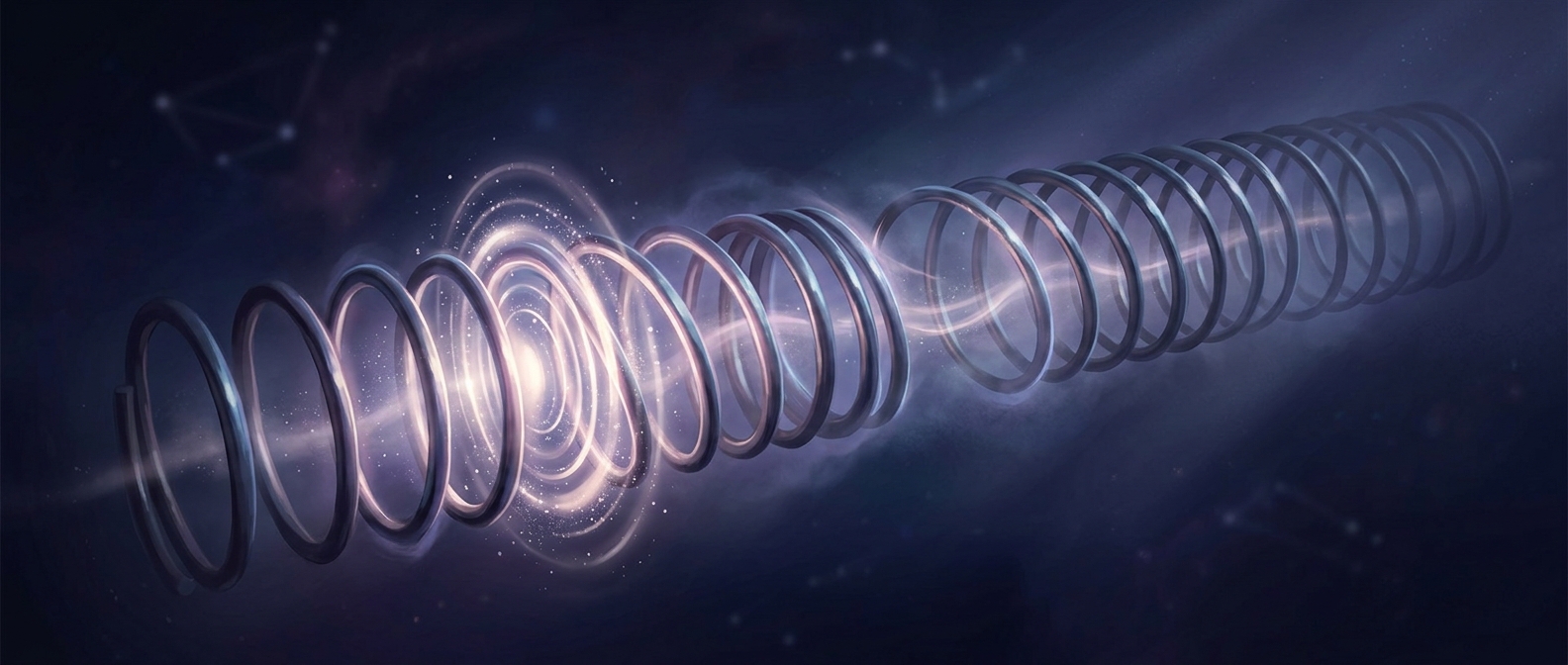
Slinky coils merely transfer longitudinal waves
Let go of a stretched Slinky and watch: its top drops while its bottom can hang in midair. The release sends a wave of changing tension down the coils, so the…
Discover more