Science
Discover facts about science. Small discoveries that change the way you see familiar things.
Science

Polarization filters block specific light wave angles
Light waves can vibrate in different directions, and a polarizing filter acts like a gate that passes one direction while blocking others. Reflected glare…
Discover more
Your eyebrows can ask a follow-up question without a word
In an experiment with a virtual listener, speakers adjusted their explanations when the listener furrowed its brows. That tiny facial movement signaled a…
Discover more
Vagabonds were historically just aimless wanderers
A vagabond was not always imagined as a romantic wanderer following the open road. The word’s Latin root means “to wander,” but older English use often marked…
Discover more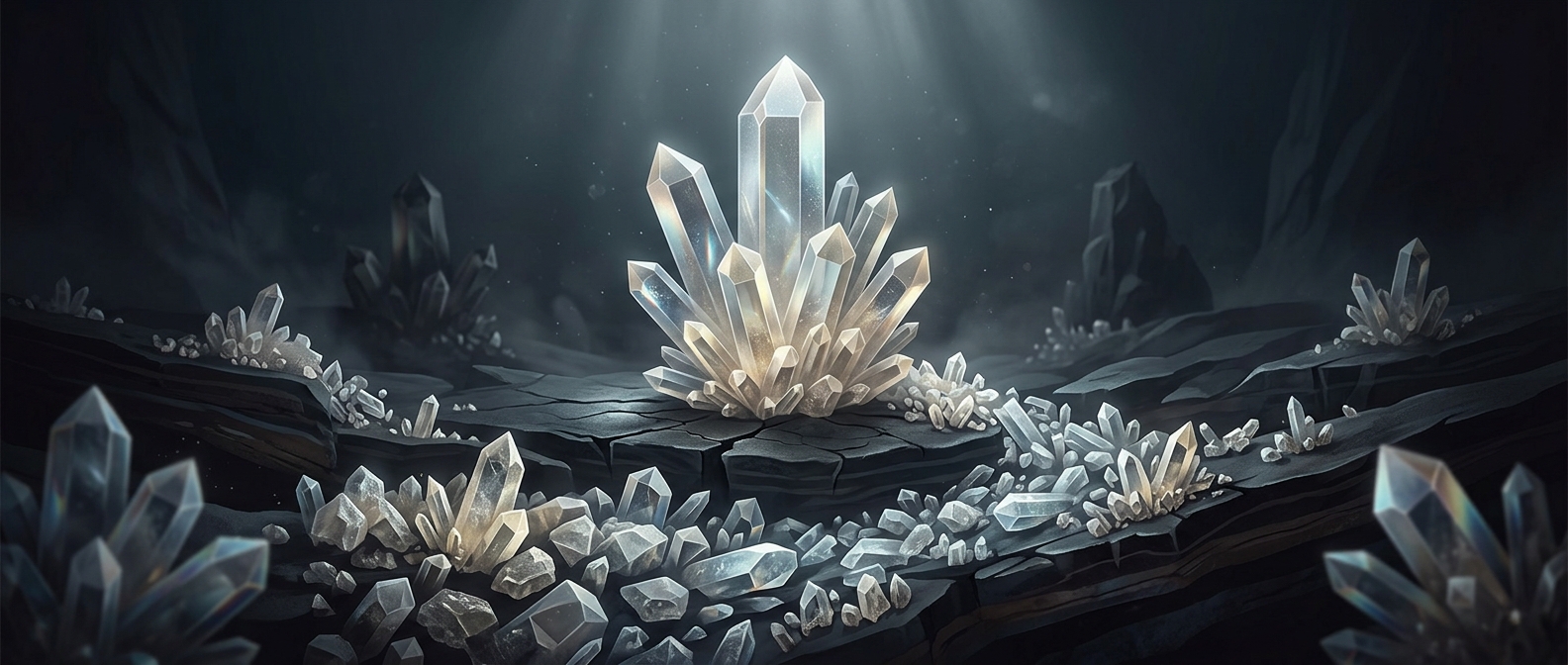
Quartz ranks as the second most abundant crust mineral
Weathering acts like a slow sorting process: minerals that break down more easily disappear first, while quartz often survives. Those grains can gather into…
Discover more
Slate forcefully splits into perfectly flat rigid sheets
Slate has natural parting planes where its aligned minerals make splitting easier. Crack along those planes and the rock opens into broad, flat sheets; try to…
Discover more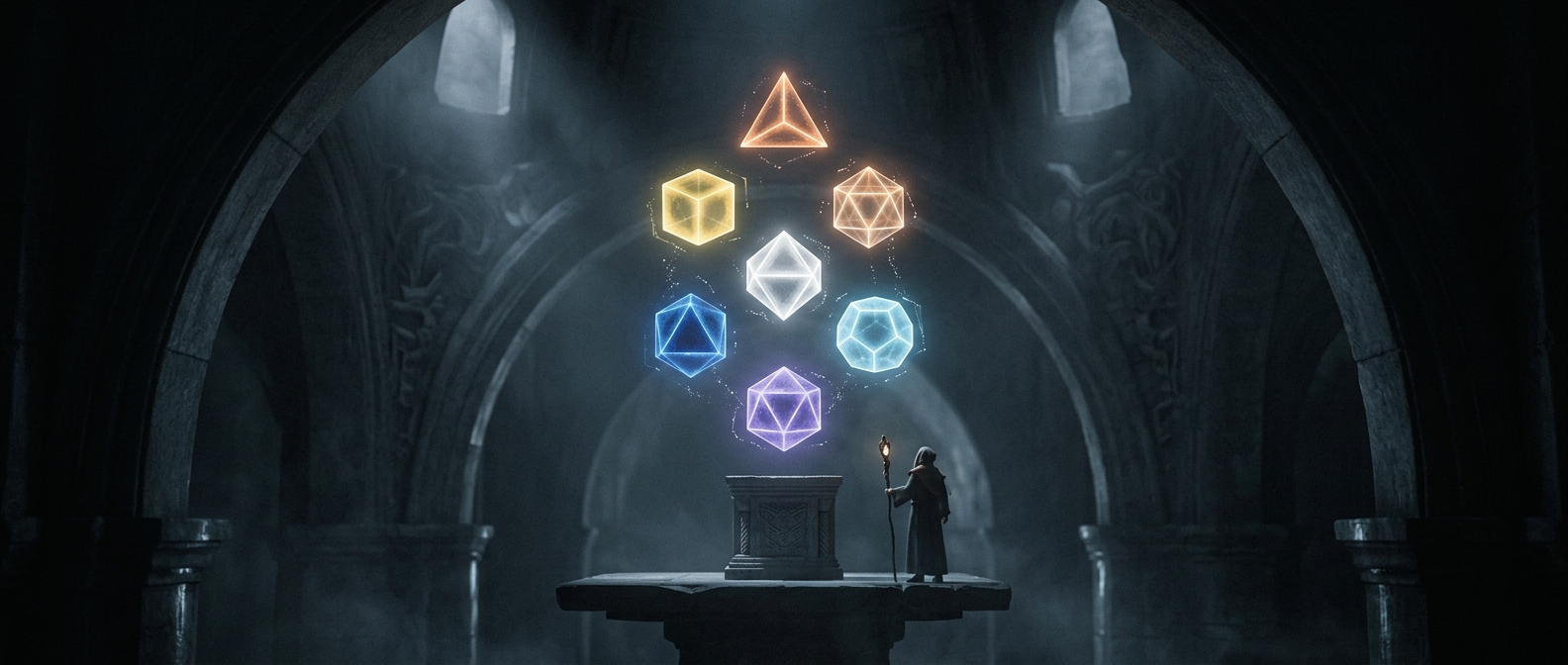
Platonic solids are strictly limited to five variations
A regular solid can form a corner only if the faces meeting there leave some room to bend inward. If their angles add up to 360 degrees or more, they lie flat…
Discover more STACKY FOR IPHONE
A bigger world.
One discovery
at a time.
Keep discovering with Stacky. Interesting facts in an app that is always within reach.

Our planet's English name comes from the ground
Mars and Venus carry the names of deities, but Earth grew from words for soil and land. People used the word beneath their feet before they understood their…
Discover more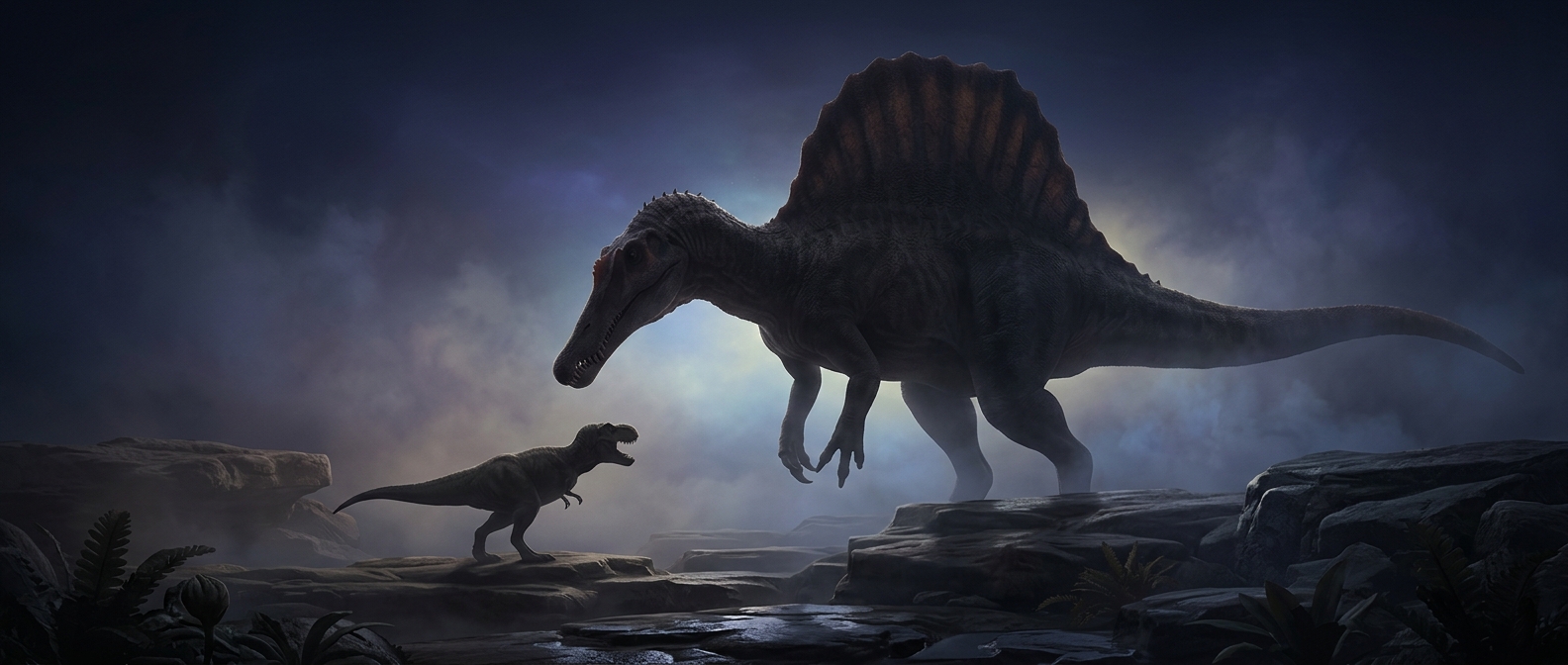
The dinosaur that was bigger than T. rex
The clue to Spinosaurus’s likely menu is in its long, narrow jaws and cone-shaped teeth, which suggest fish-catching around rivers and other waterways. It may…
Discover more
Software can break without anyone changing the code
Code can stay exactly the same and still stop running because it leans on other software. A program may expect a particular library or operating-system…
Discover more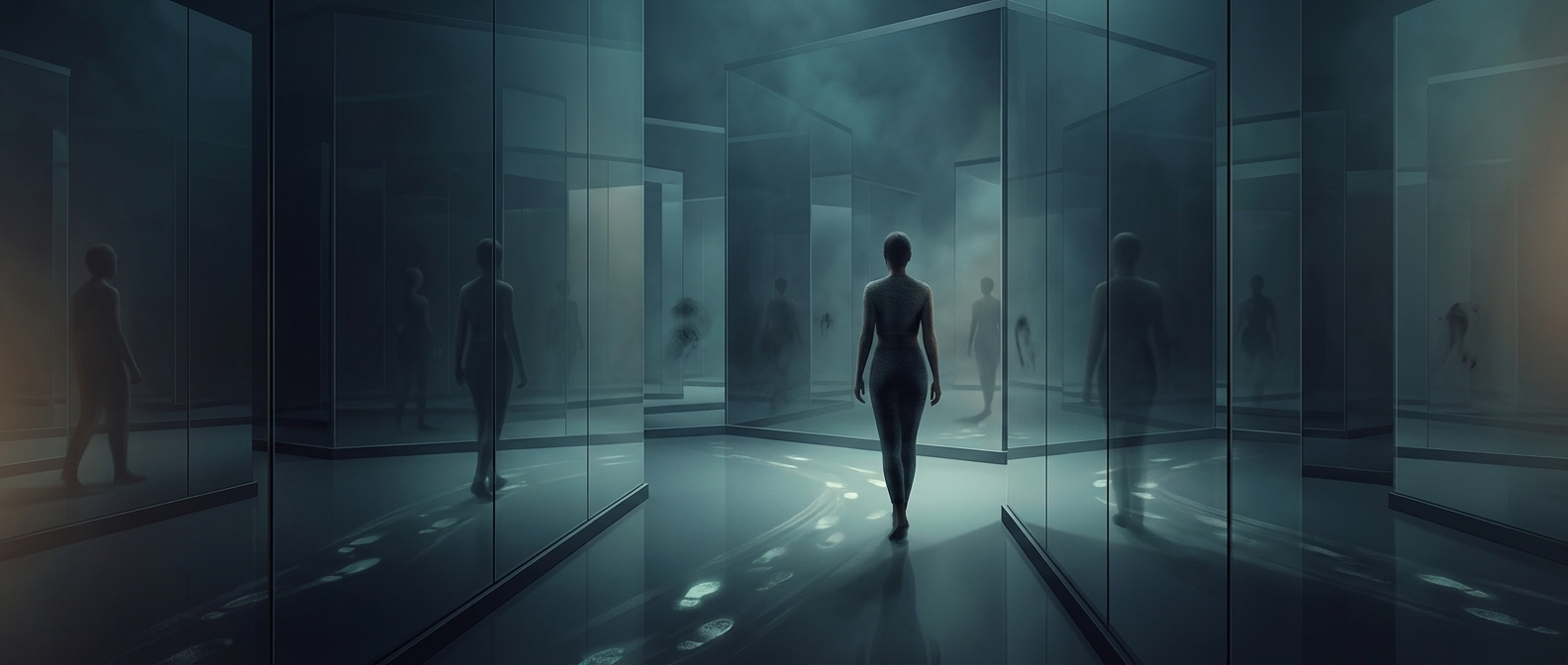
Why smudges help you escape a mirror maze
Your eyes see doorway after doorway, but most are reflections. A mark on one pane doesn’t move with the view, so your brain can use it to spot the actual…
Discover more
The volcano that has erupted for 2,000 years
Stromboli’s glow is a series of small explosions. Gas bubbles rise through shallow magma and burst near the surface, flinging lava and ash down the slopes.…
Discover more
Why a holiday was once a holy day
The word began with a day set aside for worship. Old English hāligdæg meant “holy day”; as religious observances and time off became part of the same…
Discover more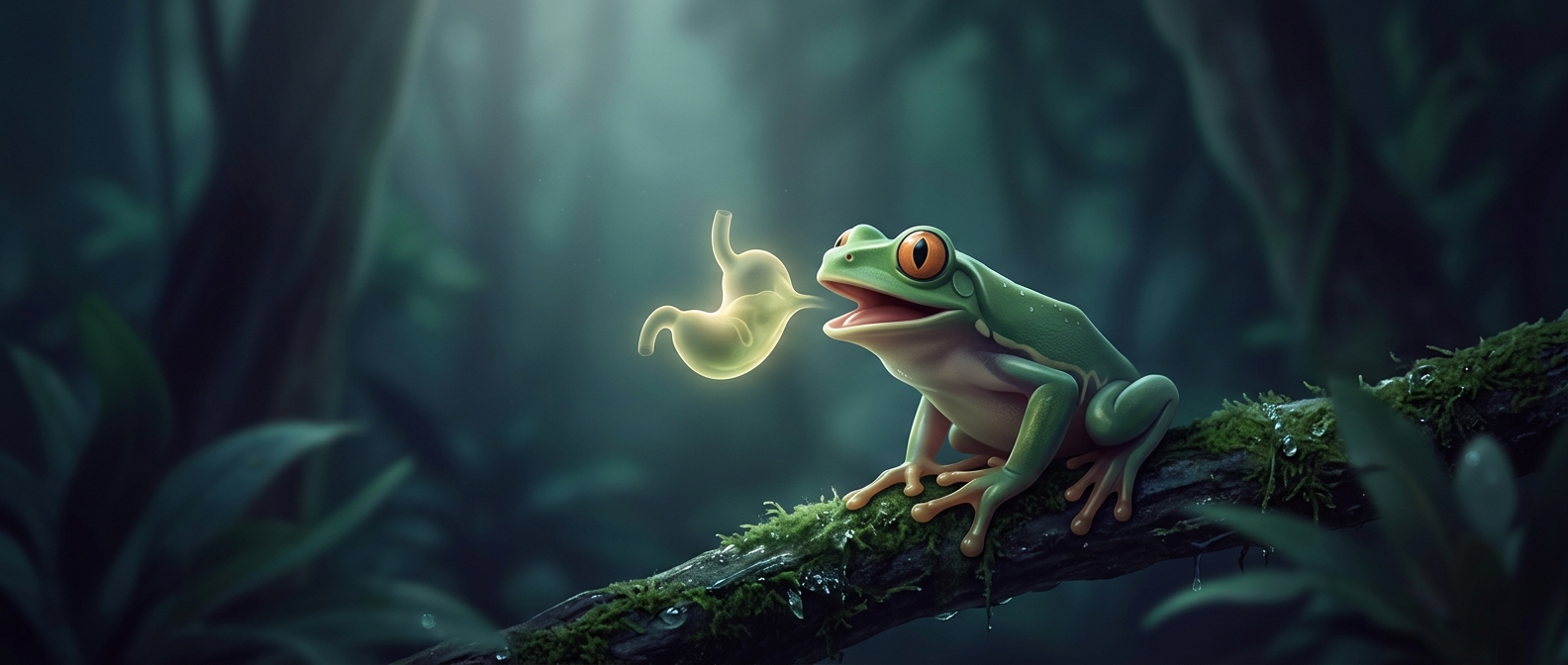
A frog may vomit up its entire stomach
The frog turns its stomach inside out through its mouth, bringing the contents out with it. Then it scrapes the food off with its front feet and pulls the…
Discover more
The outside carousel horse really does move faster
The outer horse has a longer route around the carousel than the inner one. Since they finish each lap at the same time, the outside horse must cover more…
Discover more
Zero knowledge proofs confirm secrets without revealing data
A zero-knowledge proof lets you show that you meet a requirement without revealing the private detail behind it. You could prove you’re old enough without…
Discover more
Why luminol glows blue at crime scenes
Luminol glows when an oxidizing chemical reacts with it, and iron in hemoglobin helps that reaction along. The reaction releases blue light, revealing traces…
Discover more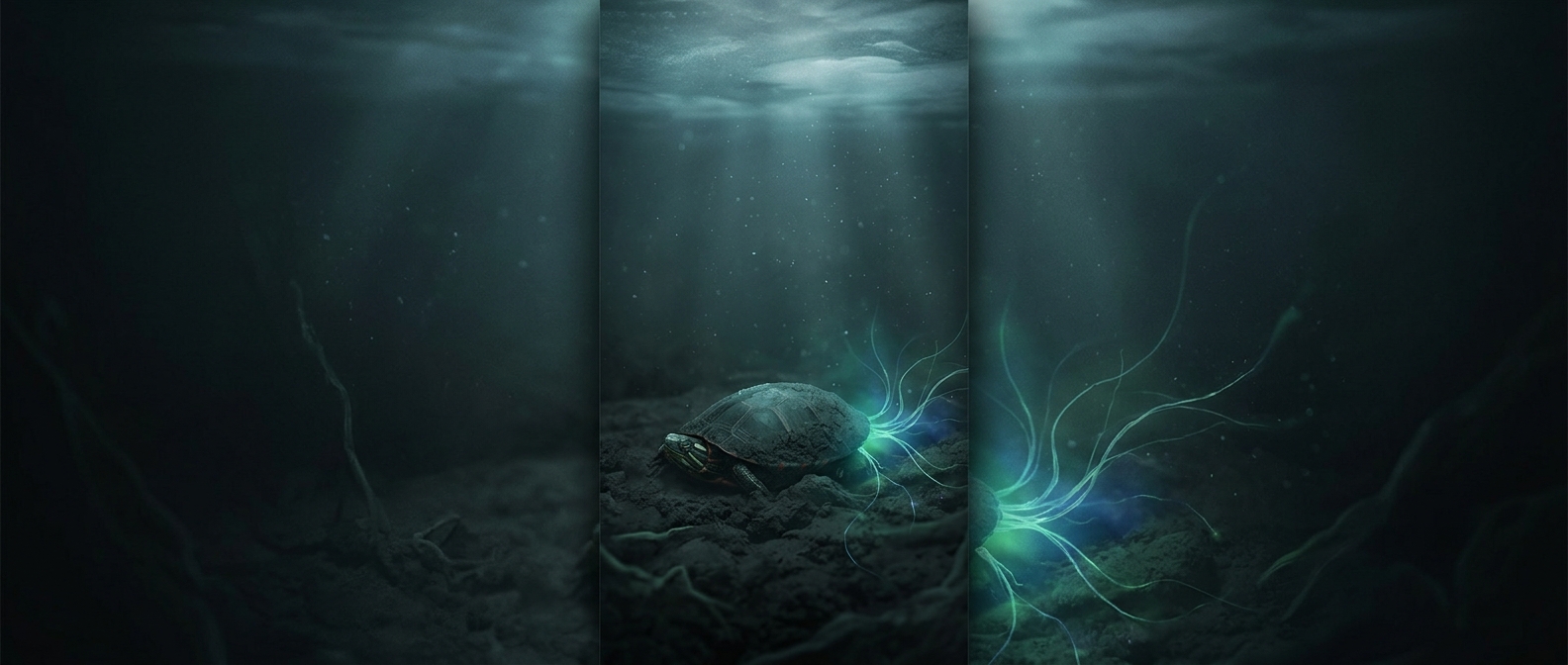
Some turtles breathe through their butts in winter
In cold winter water, a turtle’s body slows down and needs far less oxygen than it would while active. Blood vessels in its cloaca—the shared opening for…
Discover more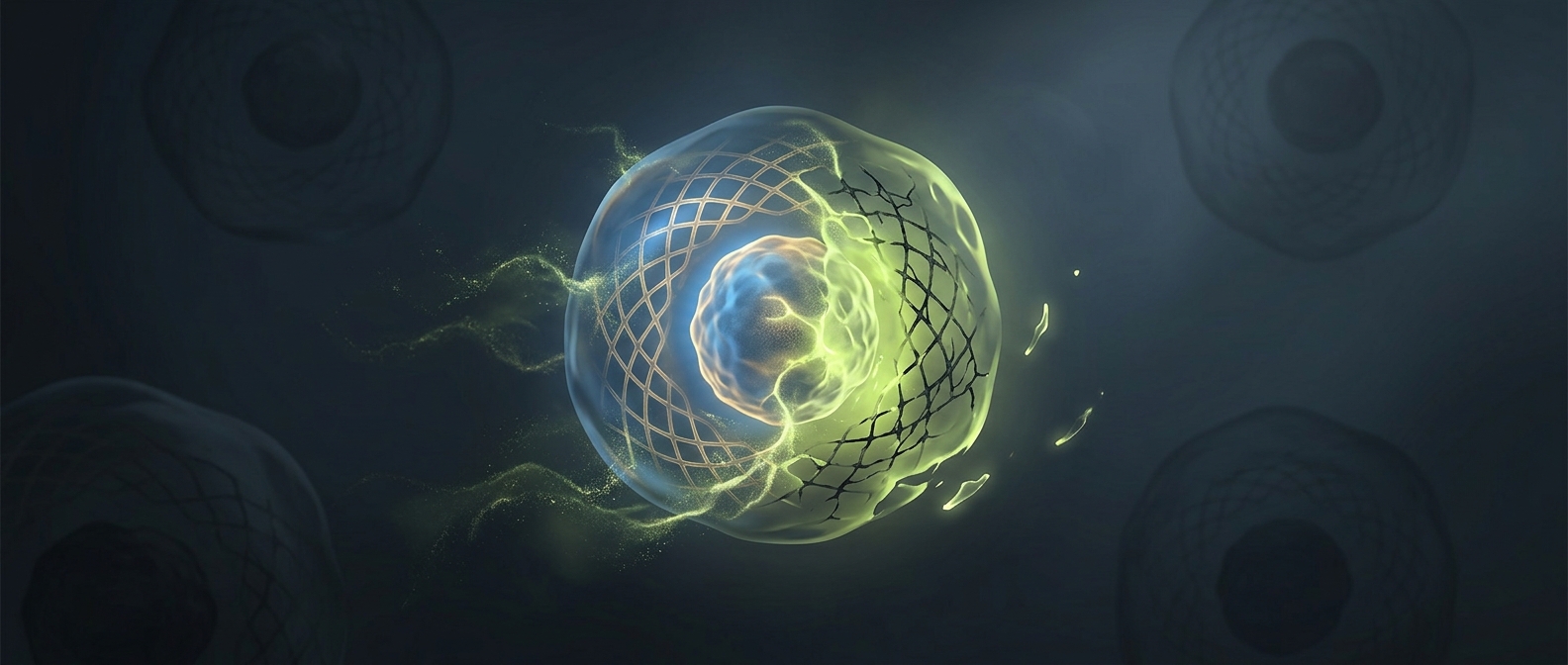
The poison that pretends to be phosphorus
Cells use phosphate in reactions that help move energy around. Arsenate is similar enough to phosphate that some cellular reactions can mistake one for the…
Discover more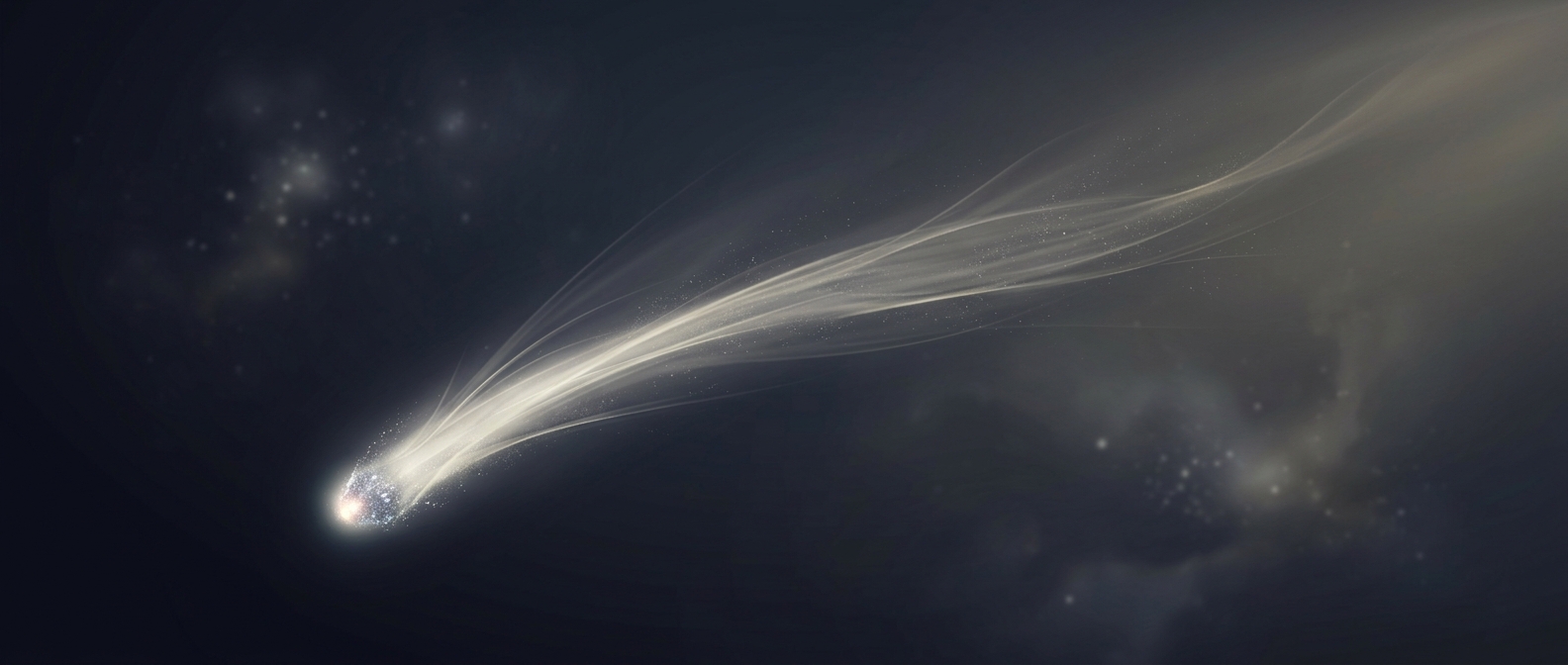
Comet tails consistently point away from oncoming solar wind
Not every comet tail is simply swept backward. The straight tail is charged gas pushed away from the Sun, while the dust tail curves along the comet's orbit.…
Discover more
Why thorium needs help to keep reacting
Thorium-232 can’t keep a chain reaction going by splitting on its own. First it must absorb a neutron and pass through several steps to become uranium-233,…
Discover more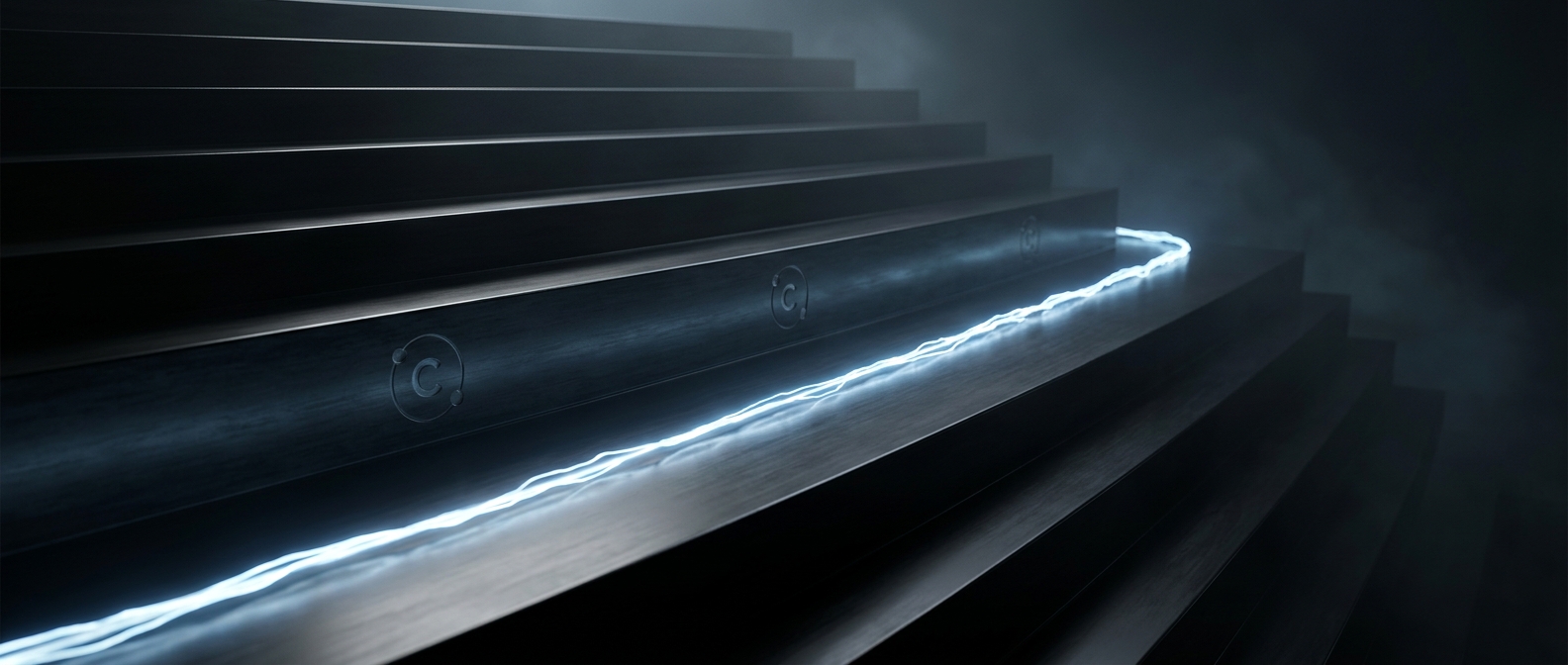
Graphite conducts electricity strictly along flat planes
In graphite, carbon atoms are linked in flat layers, with electrons free to move along each one. Electricity can zip across a layer but struggles to cross the…
Discover more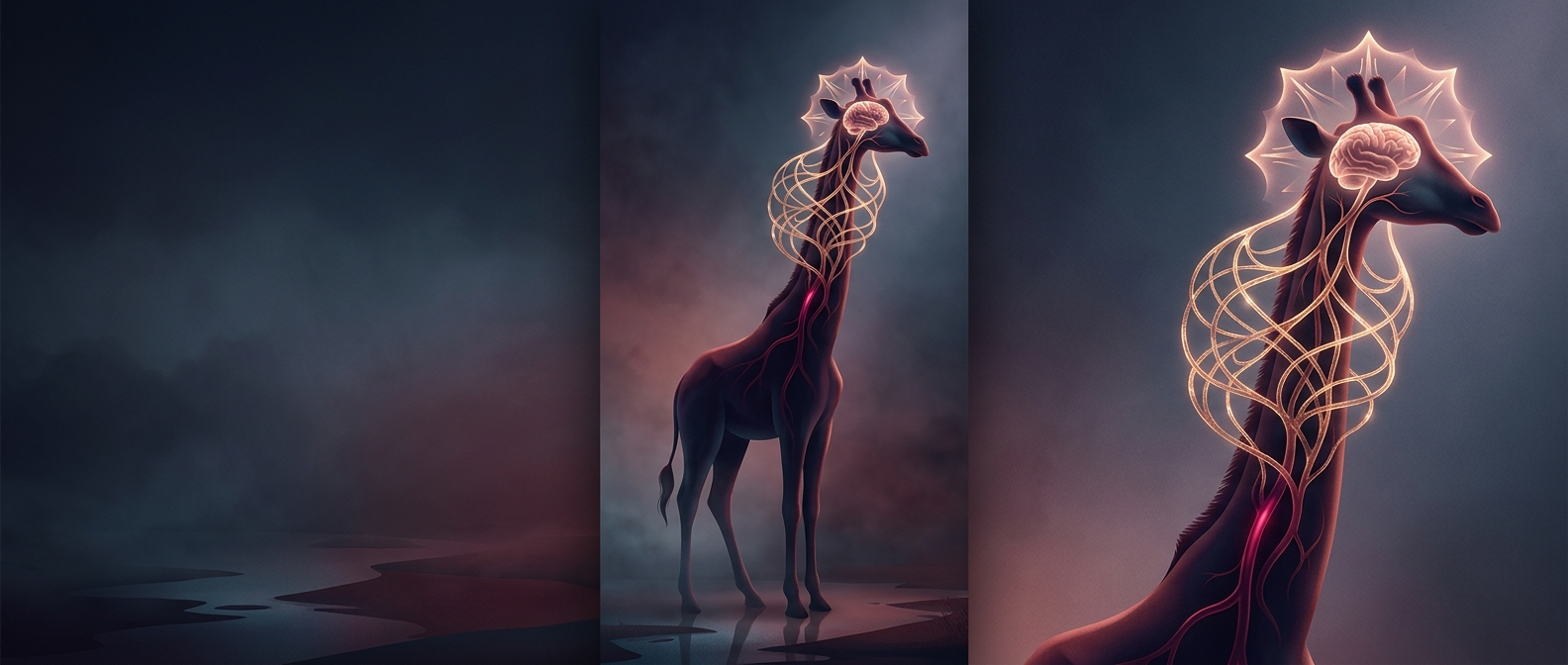
How giraffes keep blood from flooding their brains
A giraffe’s long neck poses a two-way challenge: blood needs high pressure to reach the brain, but lowering the head could send a sudden surge back toward it.…
Discover more
Law of Divine Oneness connects everything perfectly
The Law of Divine Oneness is a spiritual belief that everything belongs to one connected whole, not a scientifically established energy field. Its invisible…
Discover more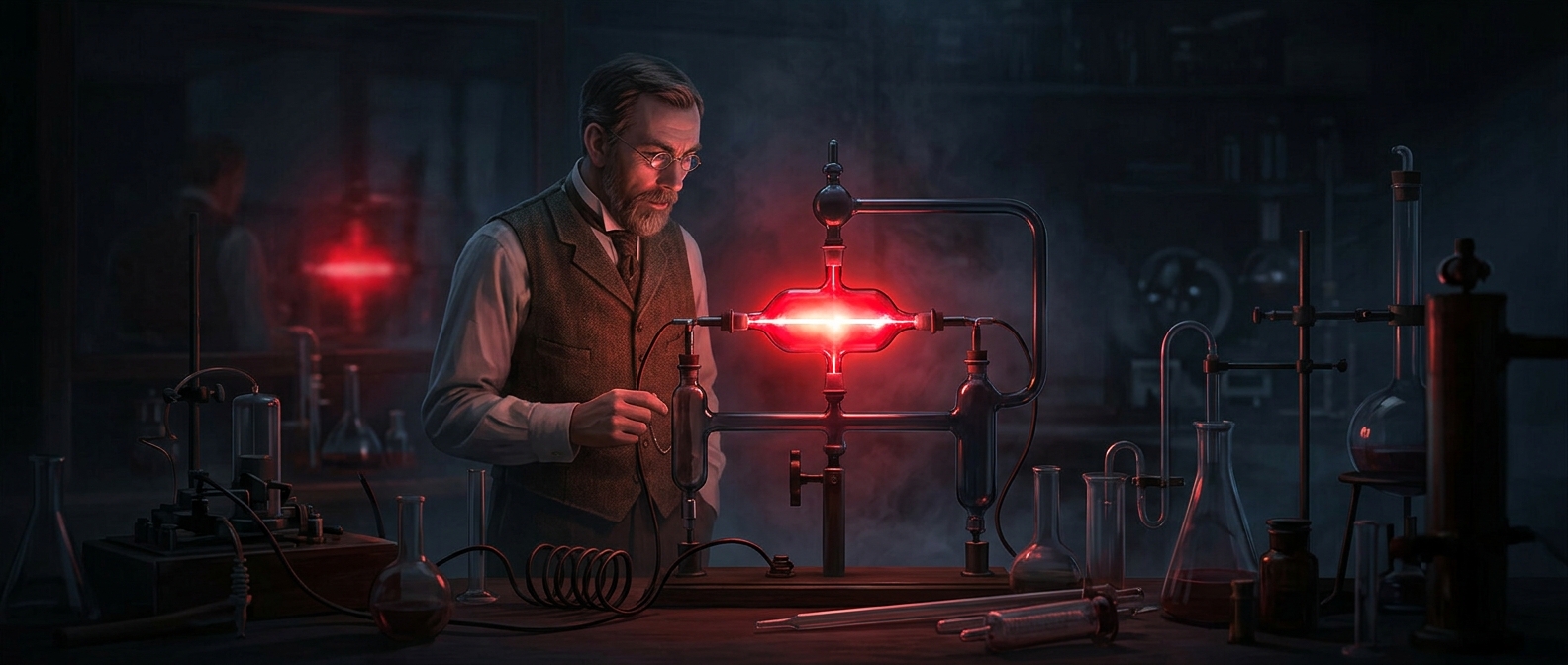
The red glow that revealed neon
An electric current energized neon atoms, and when they released that energy, they emitted crimson light. Each element gives off its own pattern of light, so…
Discover more