One cell division begins with a shuffle
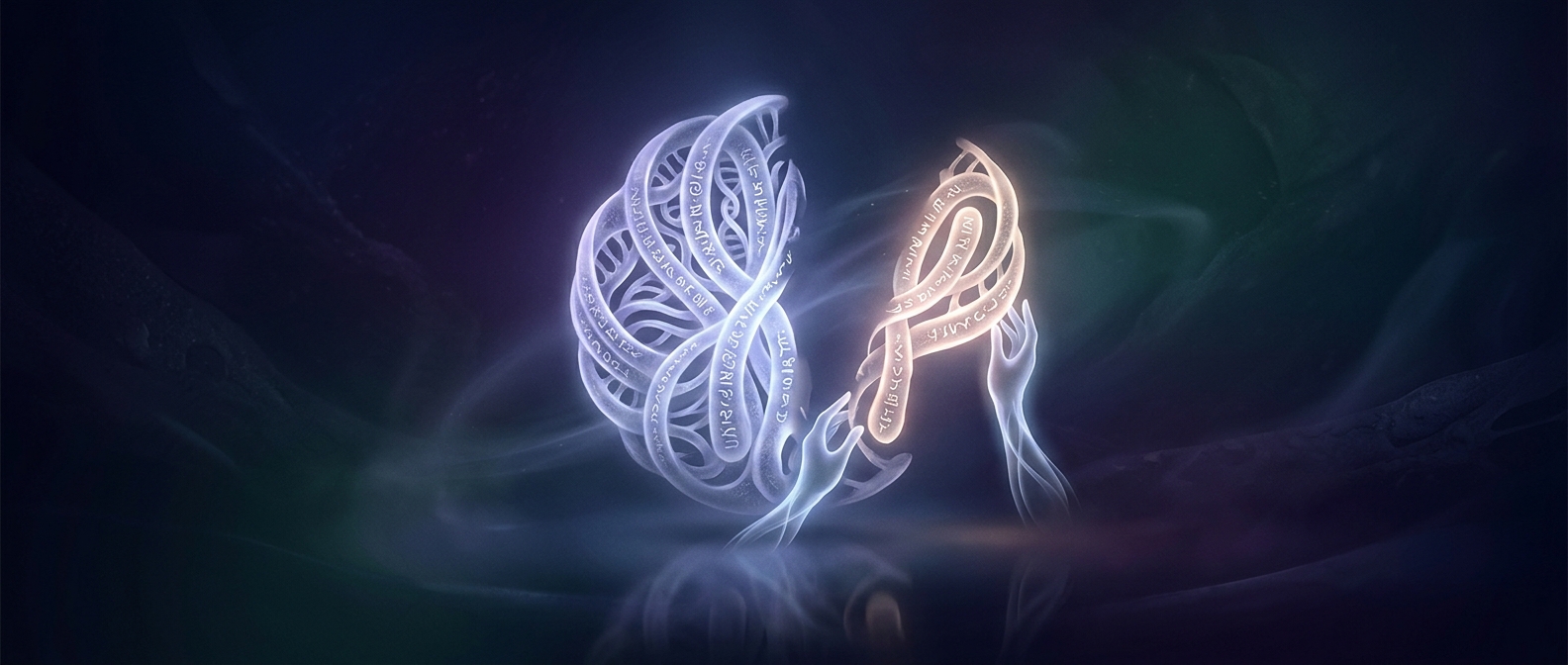
Meiosis does more than reduce a cell’s chromosome count. Before the cell divides, matching chromosomes—one inherited from each parent—pair up. While paired, they can exchange corresponding stretches of DNA, a process called crossing over. The result is chromosomes carrying a mix of inherited versions rather than untouched copies of either grandparent’s DNA.
The cell then divides twice. In the first division, the paired chromosomes separate; in the second, the duplicated copies of each chromosome separate. Because the DNA was copied once but the cell divided twice, the resulting reproductive cells receive one chromosome from each pair.
Why siblings inherit different combinations
The chromosome pairs also line up in different orientations before they separate. That makes it possible for a reproductive cell to receive a different assortment of the chromosomes originally inherited from each parent. Crossing over adds further combinations by reshuffling DNA within a pair.
So meiosis does not create a miniature, identical copy of either parent’s genome. It produces cells with a single set of chromosomes, each carrying a distinctive blend. When an egg and sperm join, their sets fit together into the usual paired arrangement—while the particular combination passed to a child is new.