How a vibrating arm can seem to stretch your nose
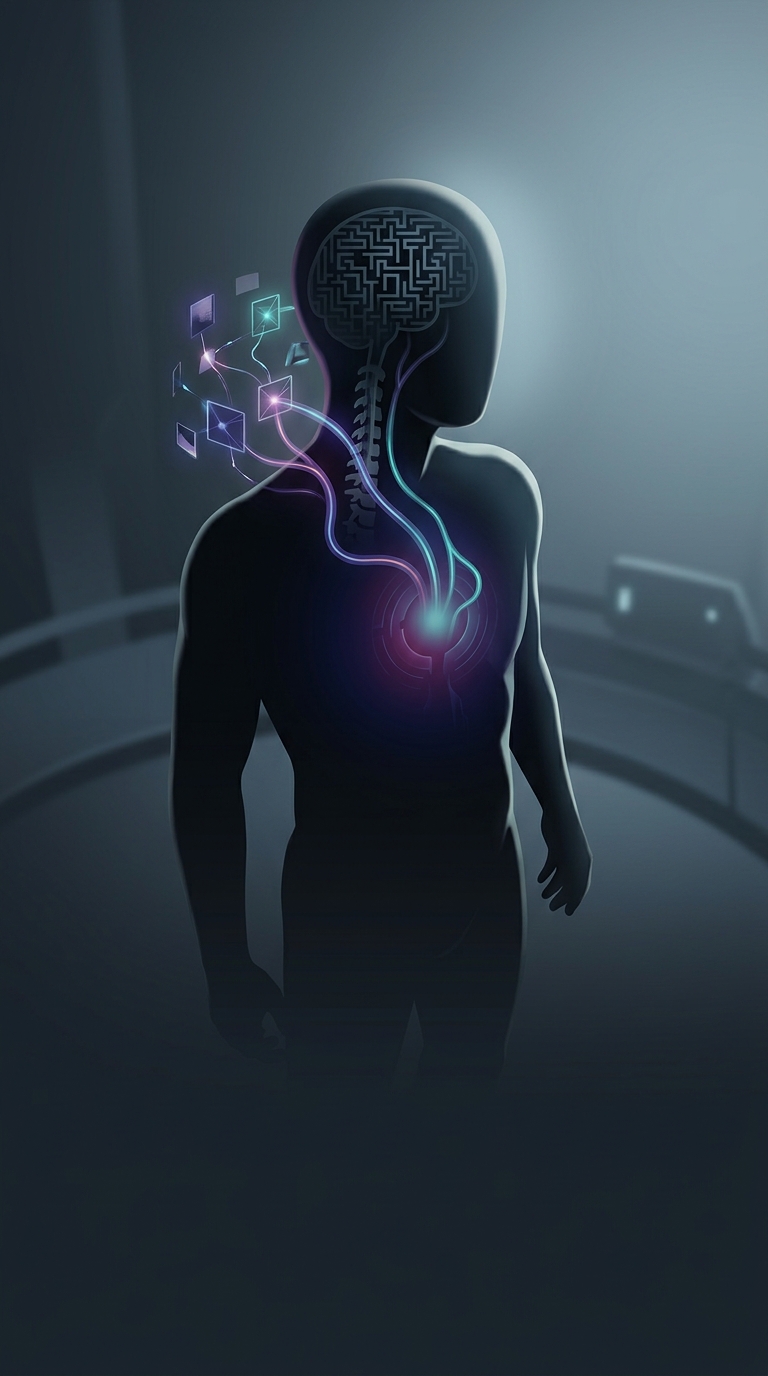
A small vibration against the biceps tendon can create a mismatch between two kinds of information your brain uses to locate your body. The tendon carries signals from sensors that help track muscle stretch and limb position. When vibration excites those sensors, they can send a pattern resembling the one produced when the biceps lengthens—even if the arm stays still.
The brain resolves conflicting signals
At the same time, touch receptors in your hand report that it is still holding your nose. The brain combines touch with information about where the arm seems to be. When those signals no longer fit neatly together, it can interpret the mismatch as a change in the distance between hand and face.
The resulting sensation is not that the nose has physically changed. Instead, the brain’s estimate of the arm’s position shifts, making the nose seem to move or stretch away from the hand. This is an example of proprioception: the sense of where your body parts are, even when you are not looking at them.
Why the illusion is revealing
The effect shows that body perception is constructed from incoming signals, not read directly from any single sensor. A vibration can nudge one source of information while touch keeps supplying another, and the brain tries to produce one coherent account of both. For a moment, that best-fit account can make a familiar body part feel unexpectedly long.