Science
Discover facts about science. Small discoveries that change the way you see familiar things.
Science
Carbon atom is Earth’s ultimate wildcard — four arms that can link into chains, rings, spirals; this simple flexibility has built proteins, cells, neurons, and the entire…
Think of carbon as the Lego block of life—but a block with four mighty connectors instead of two. That means it can build straight lines, loops, ladders, or…
Discover moreMicrobes choreograph existence—gut bacteria sway mood, soil bacteria grow food, ocean microbes exhale oxygen; invisible armies maintain our fragile reality, reminding us the…
Imagine a world sustained not by towering forests or swirling storms, but by little beings too small to see with your eyes. Microbes are the undercover…
Discover more
Strange materials exist that conduct electricity only when chilled near absolute zero degrees
Most metals get sluggish when you freeze them, but some special materials perform a spectacular trick. Near absolute zero—the coldest possible temperature in…
Discover more
Earthquakes send shockwaves faster than fighter jets
Most of us picture earthquakes as shaky, stumbling ground underfoot—but the real action is a hidden race beneath. When faults jerk, they send underground…
Discover more
The mutation that let adults digest milk
Most humans are originally wired to stop digesting milk after childhood—that’s the ancient setting of our biology. But somewhere in history, a lucky mutation…
Discover more
Some stars spin so fast they fling matter into space
Imagine a star dancing with such wild energy that it flings part of itself into space, as if shaking off fiery sparks. These dizzying giants rotate so quickly…
Discover more STACKY FOR IPHONE
A bigger world.
One discovery
at a time.
Keep discovering with Stacky. Interesting facts in an app that is always within reach.
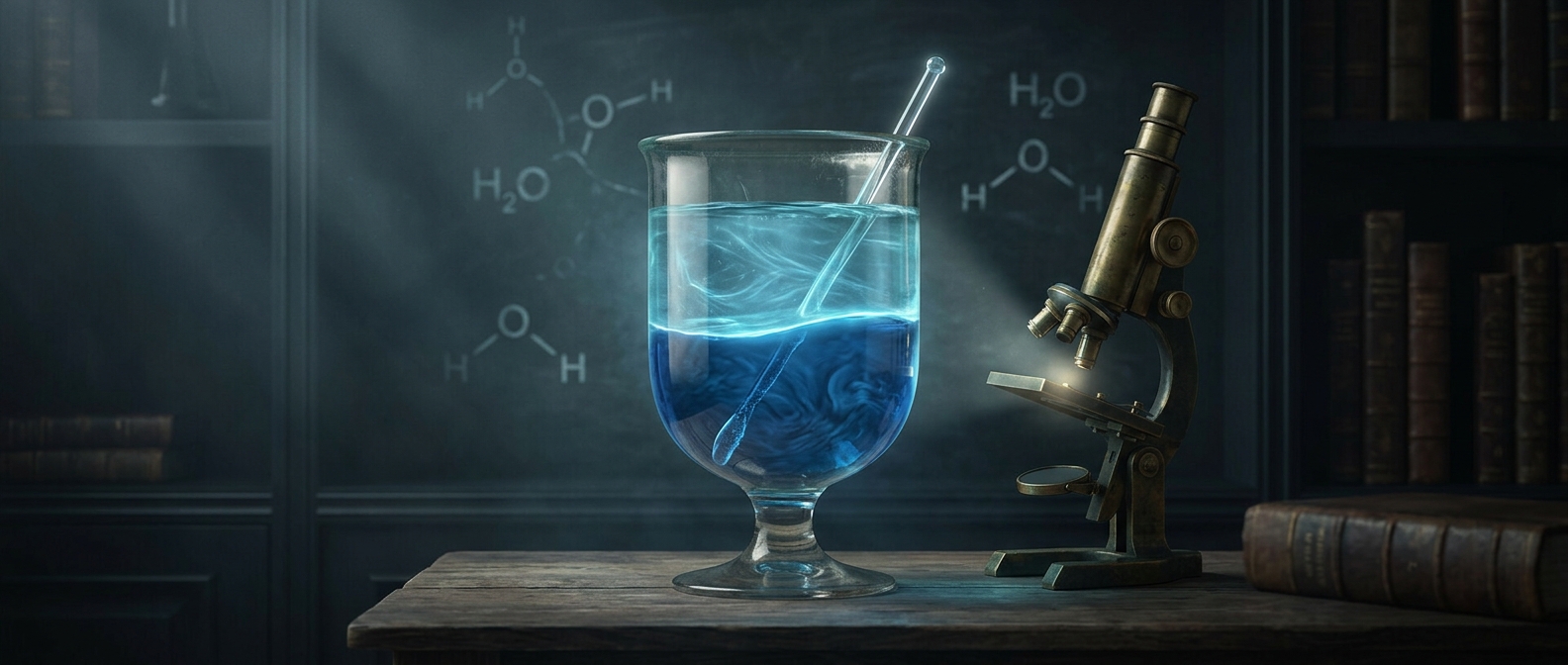
Water can behave like two liquids at once
Water may seem like the simplest companion—sip, splash, steam—but under the microscope it disguises itself as a trickster. Scientists uncovered that at…
Discover more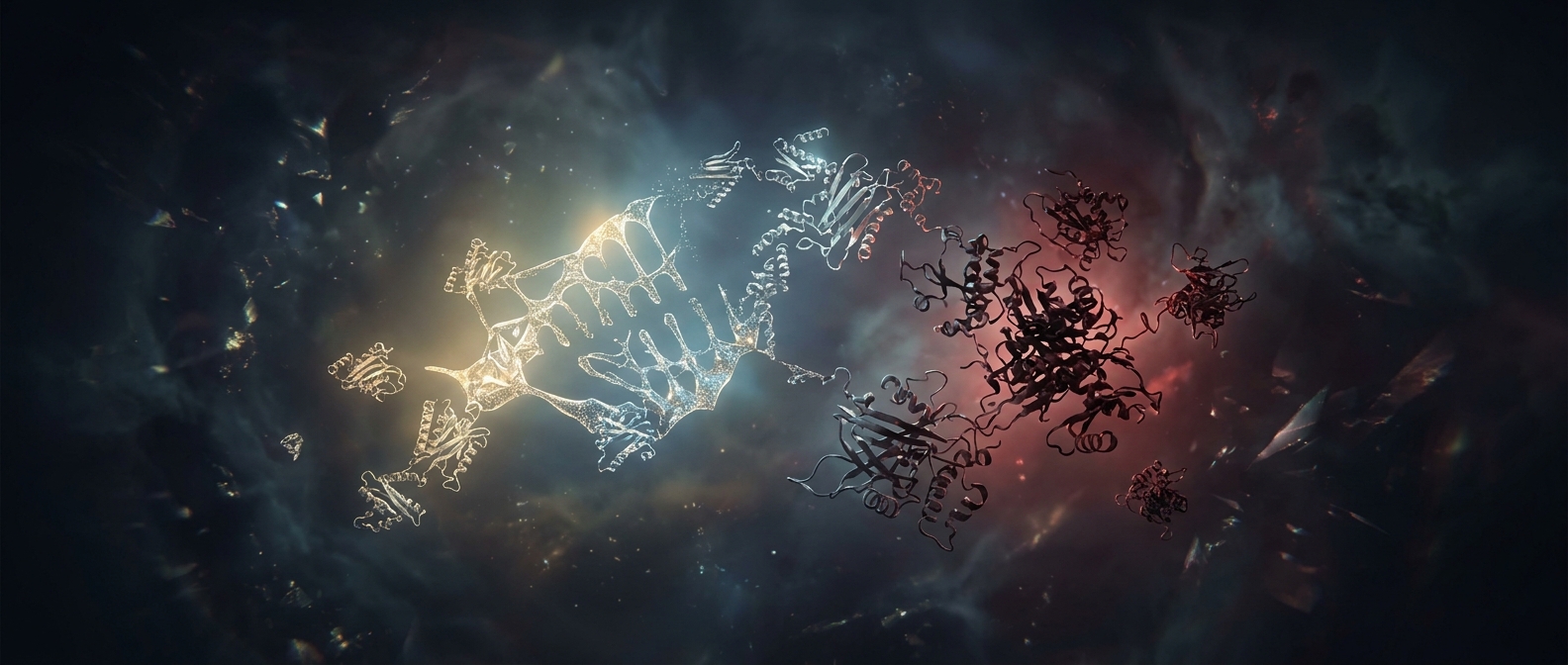
A tiny mistake in protein folding can cause disease
Proteins are the origami artists of biology. Twisting, bending, and flipping in milliseconds, they fold into precise shapes that give life its spark. One fold…
Discover more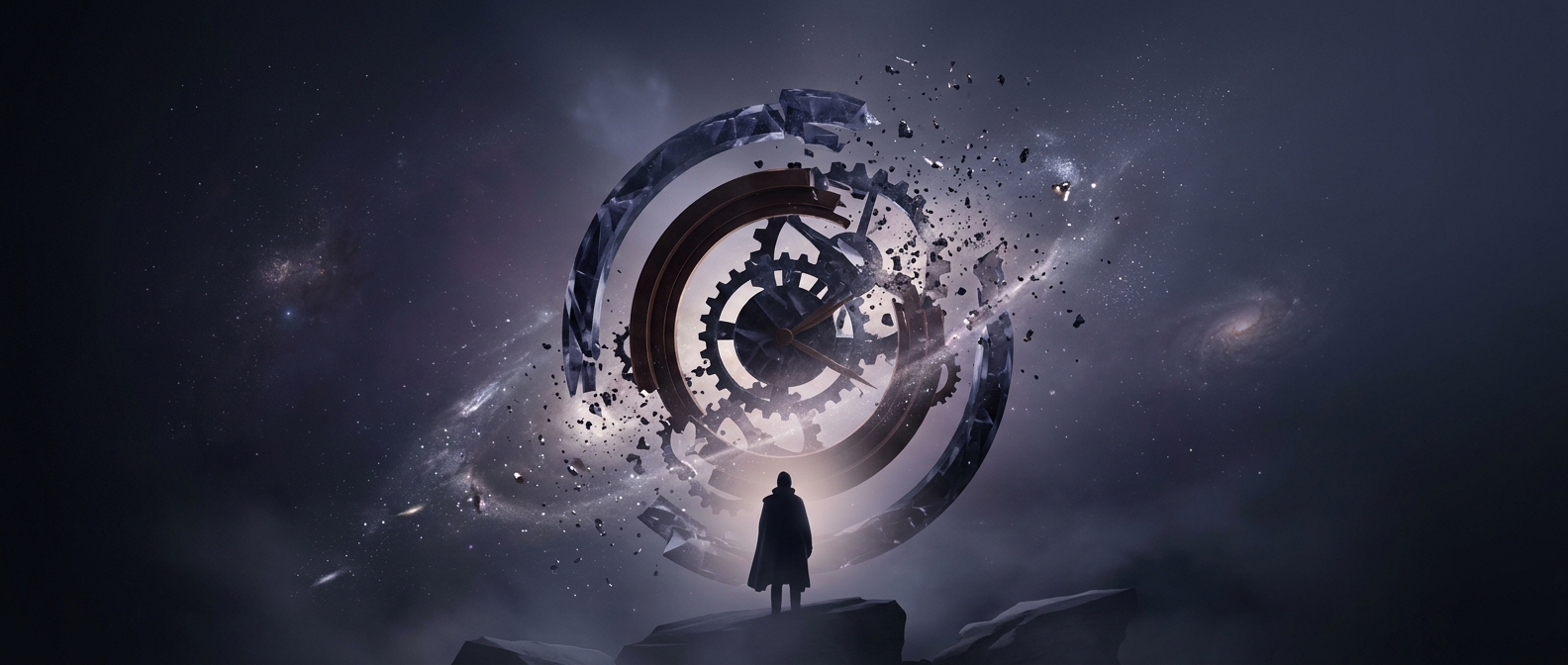
What if time is only a side effect of reality
We often treat time like a train track—solid, predictable, and stretching ahead without question. But some physicists suggest it’s more like the shadow of a…
Discover more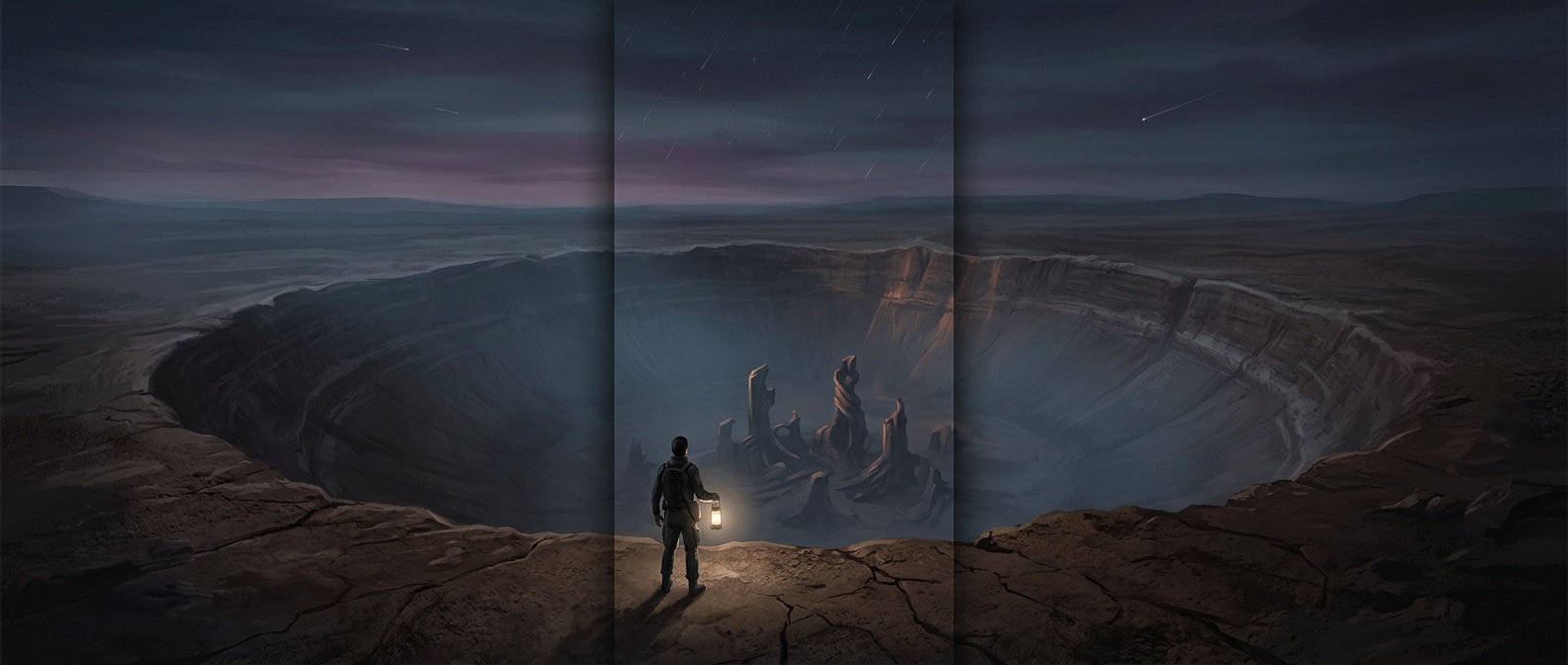
What Earth’s craters reveal about cosmic impacts
Each crater on Earth is a scar from a cosmic boulder barreling through the solar system and smashing into us with unimaginable force. Some were city-sized…
Discover more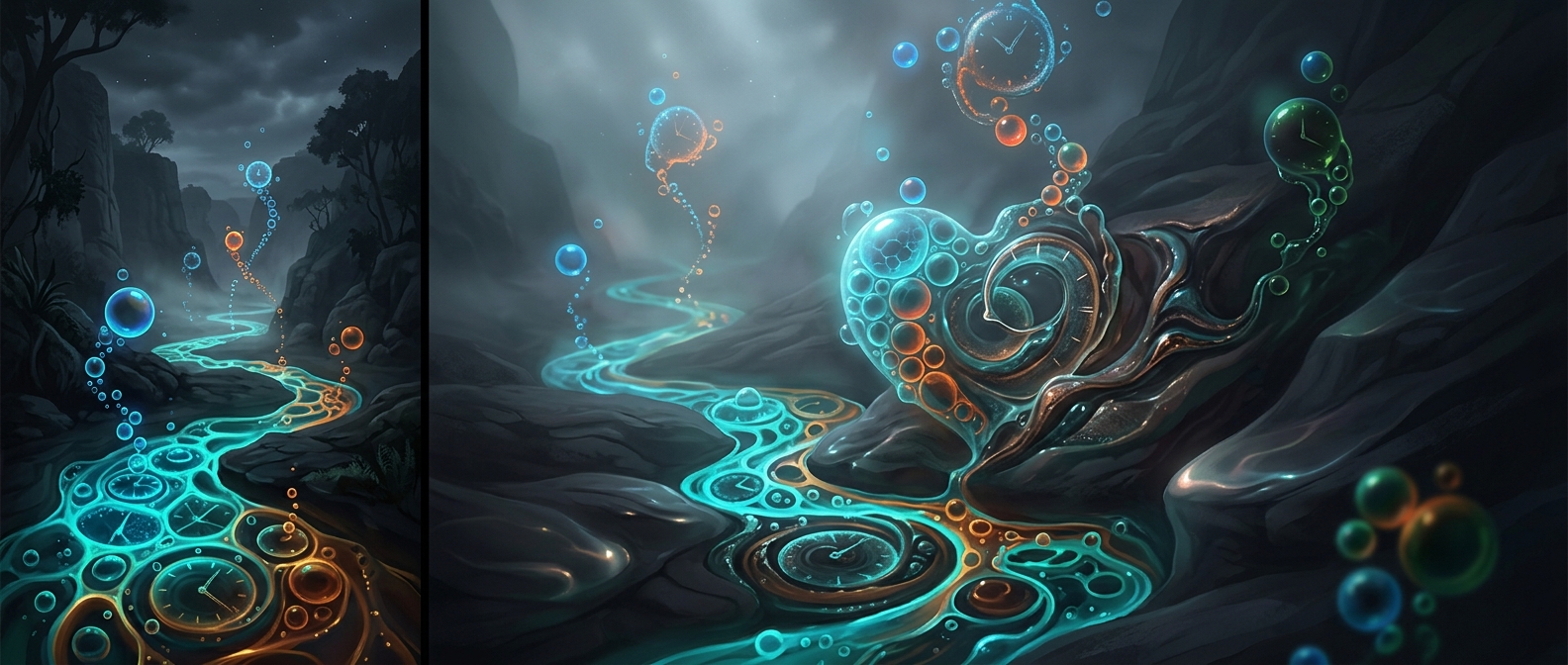
When chemical reactions start keeping time
Most reactions feel simple—mix, fizz, done. But then there are oscillating reactions, the chemical world’s heartbeat. Instead of settling, colors and bubbles…
Discover more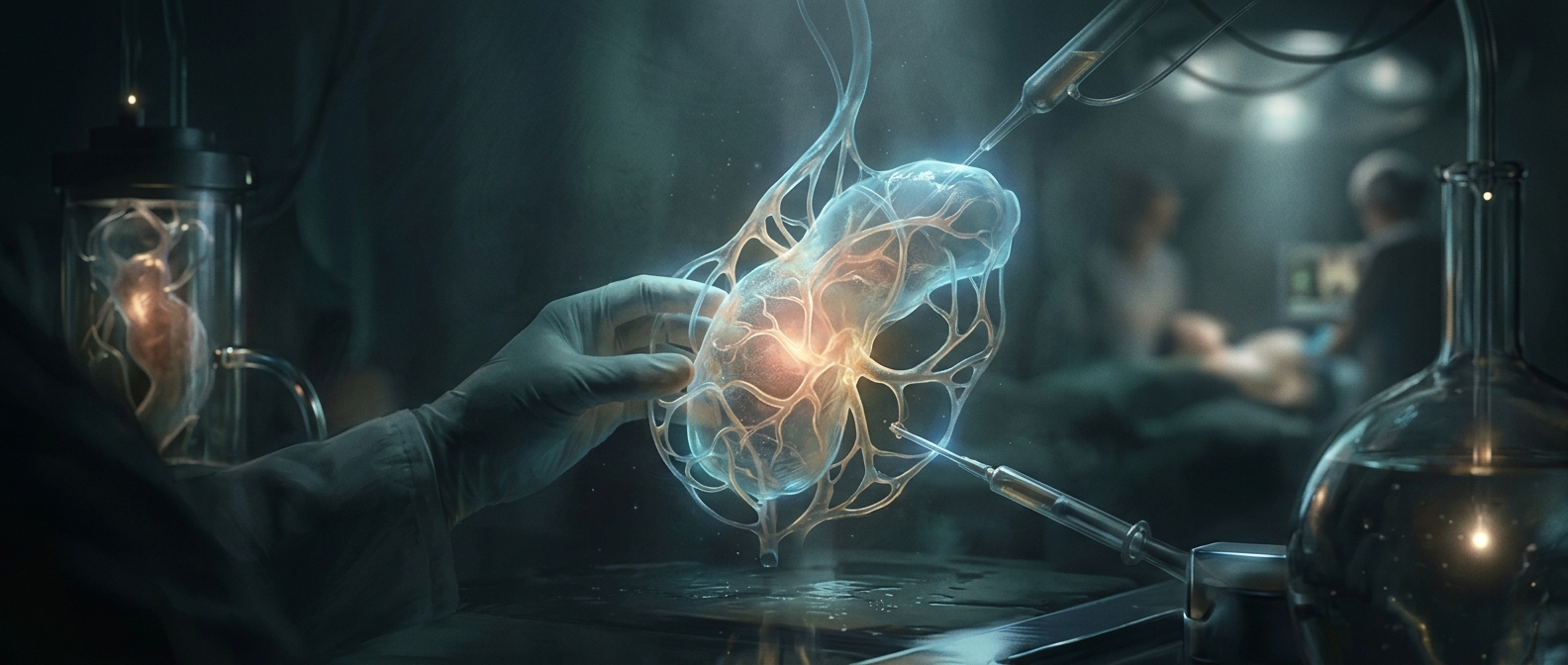
Lab-grown organs are finally reaching patient trials
Stories once imagined mechanical hearts or futuristic body swaps, but reality is stirring up something even more magical: growing real, living organs in the…
Discover more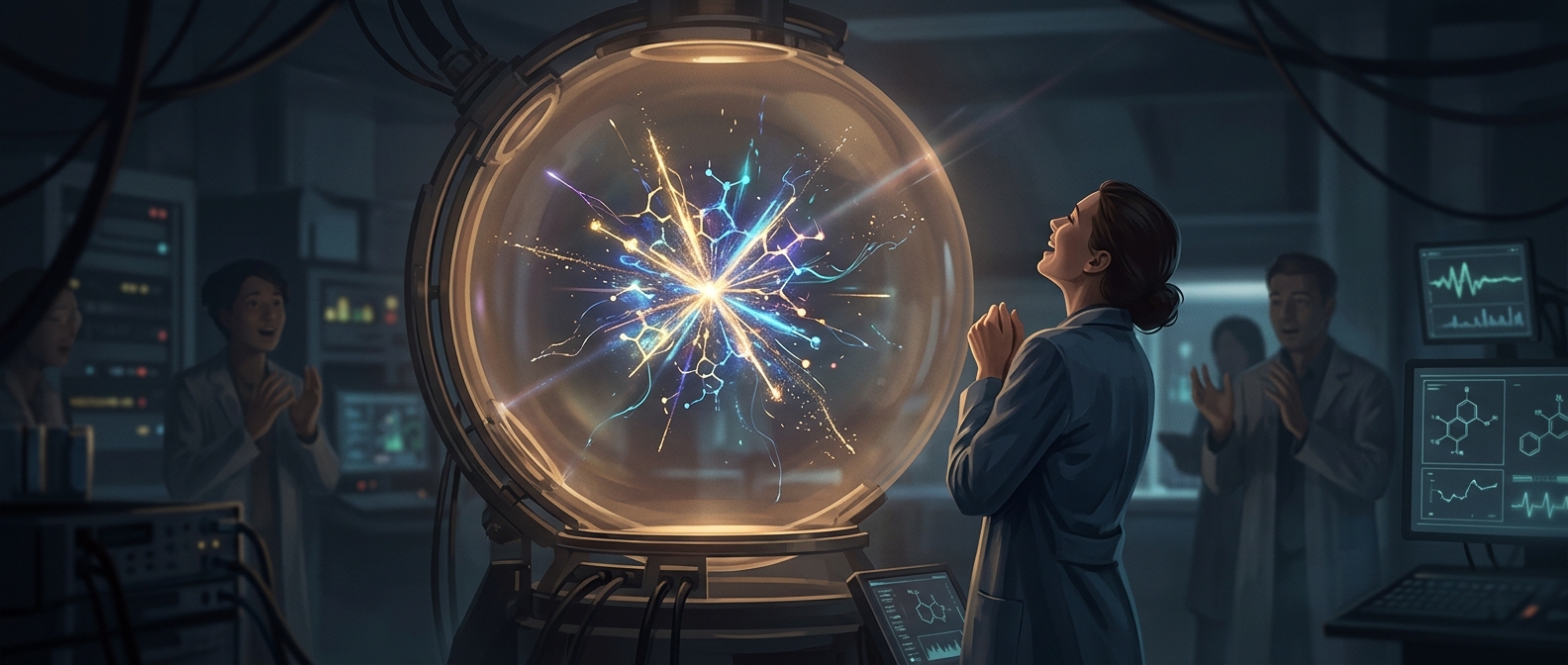
Atoms that exist for less than a blink
Some atoms last as long as stars, but others—especially the ones humans create in labs—flash into existence for less than a blink before disappearing forever.…
Discover moreNuclear physics gave us both starlight and mushroom clouds: the same equations behind warmth of suns and destruction of cities.
The same secret that keeps stars blazing also lurks inside the most terrifying weapons humans have ever built. Nuclear energy is both cradle and scythe,…
Discover more
The hidden patterns mathematicians see in prime numbers
Prime numbers are the mysterious loners of mathematics—divisible only by themselves and one. At first, they seem scattered like confetti tossed by chance…
Discover more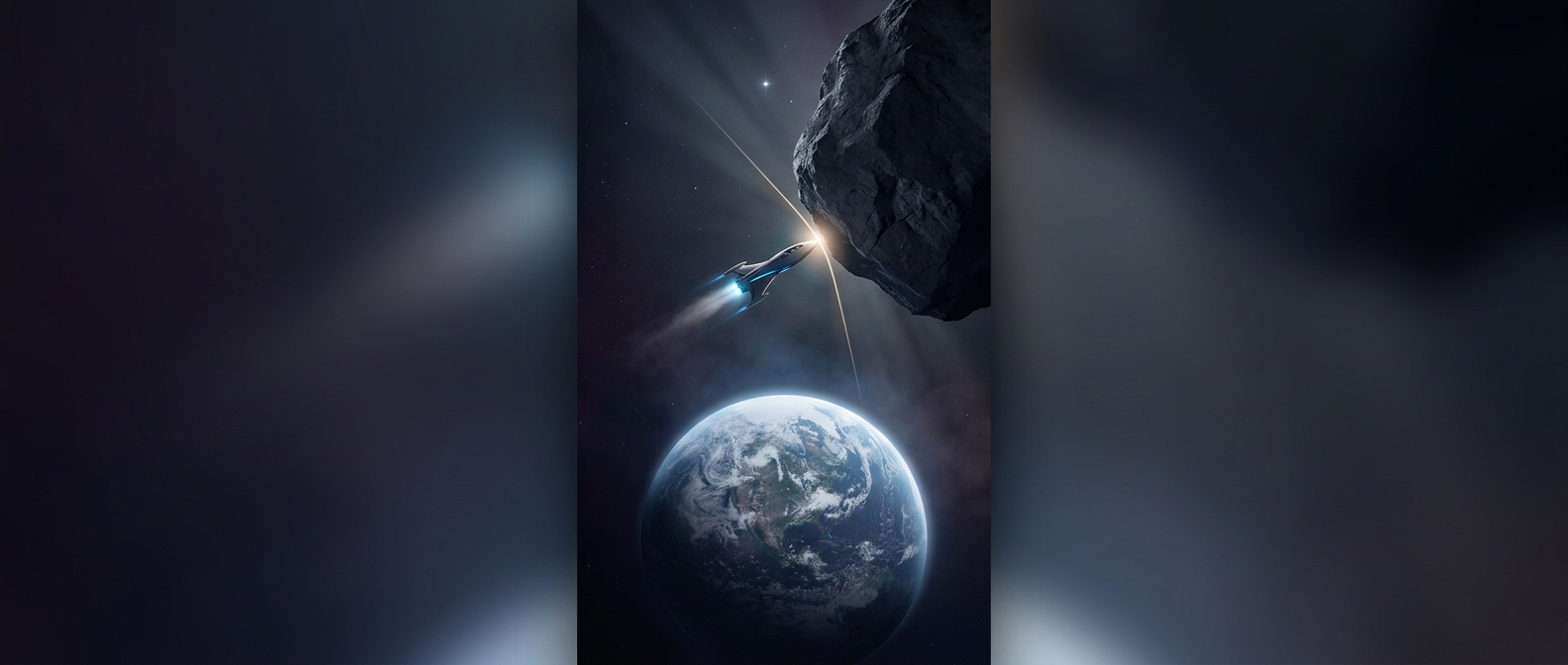
How a tiny nudge could save Earth from an asteroid
Saving Earth may one day be less Hollywood blockbuster and more gentle cosmic billiards. Instead of blowing asteroids apart, which could make things worse,…
Discover more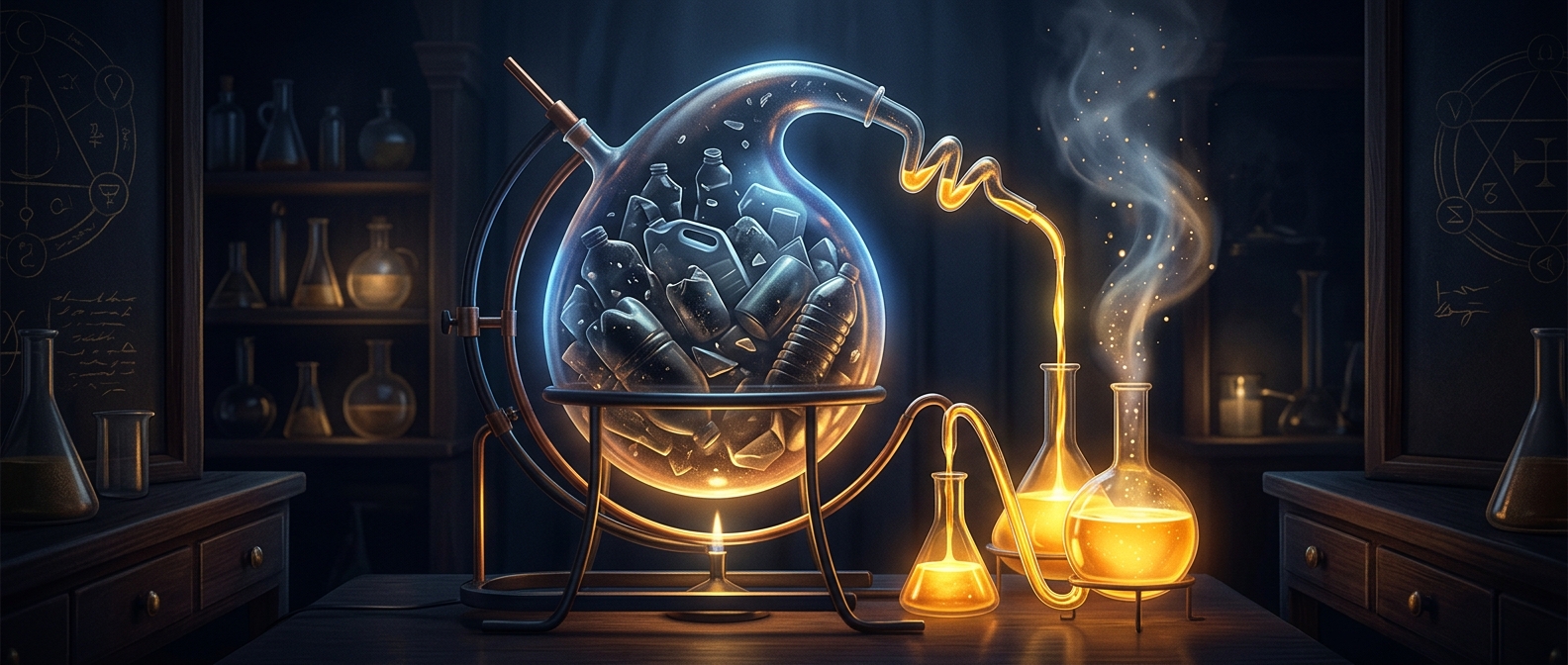
Chemists are turning plastic waste into fuel
What if alchemy never faded, but simply got a modern facelift? Today’s chemists are conjuring something magical: transforming plastic, one of humanity’s most…
Discover more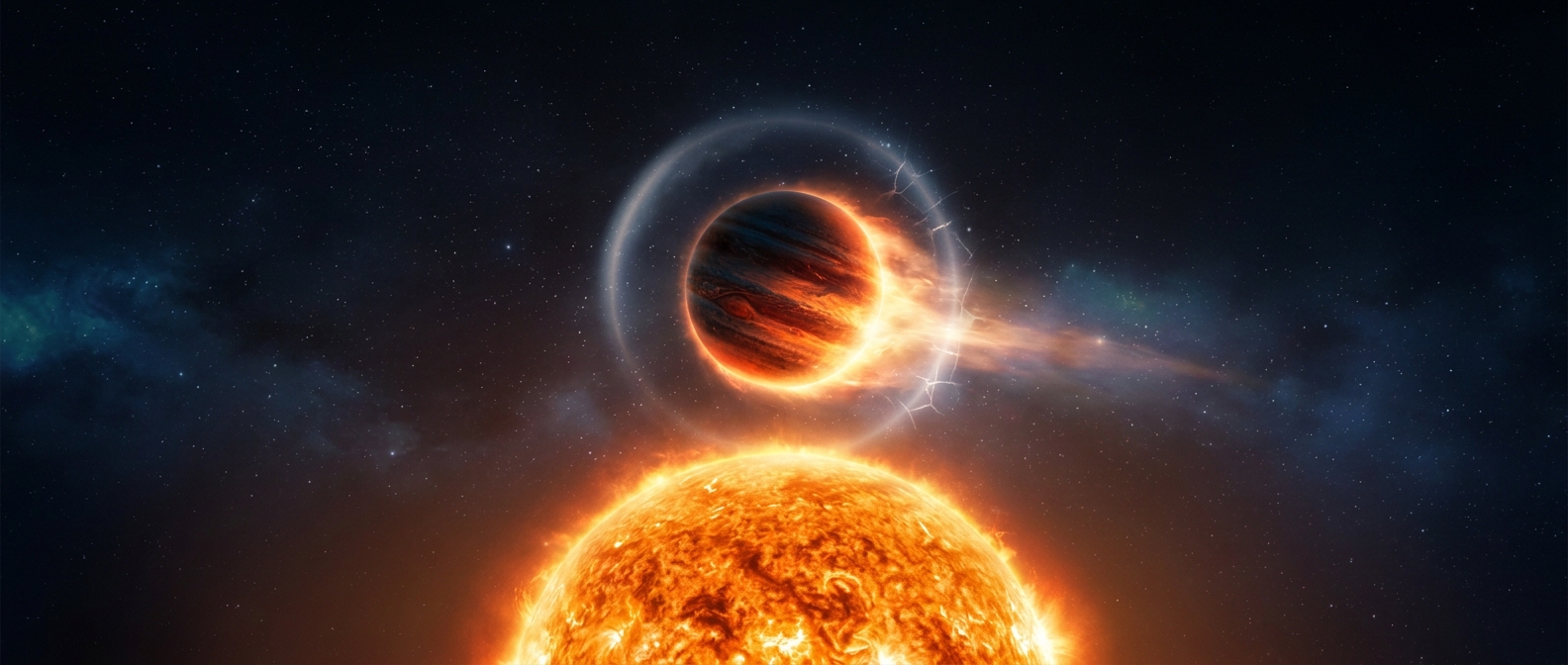
The giant planets that orbit their stars in days
Hot Jupiters are cosmic daredevils—gas giants that orbit their stars at breakneck speeds, completing a year in just a handful of days. Astronomers didn’t…
Discover more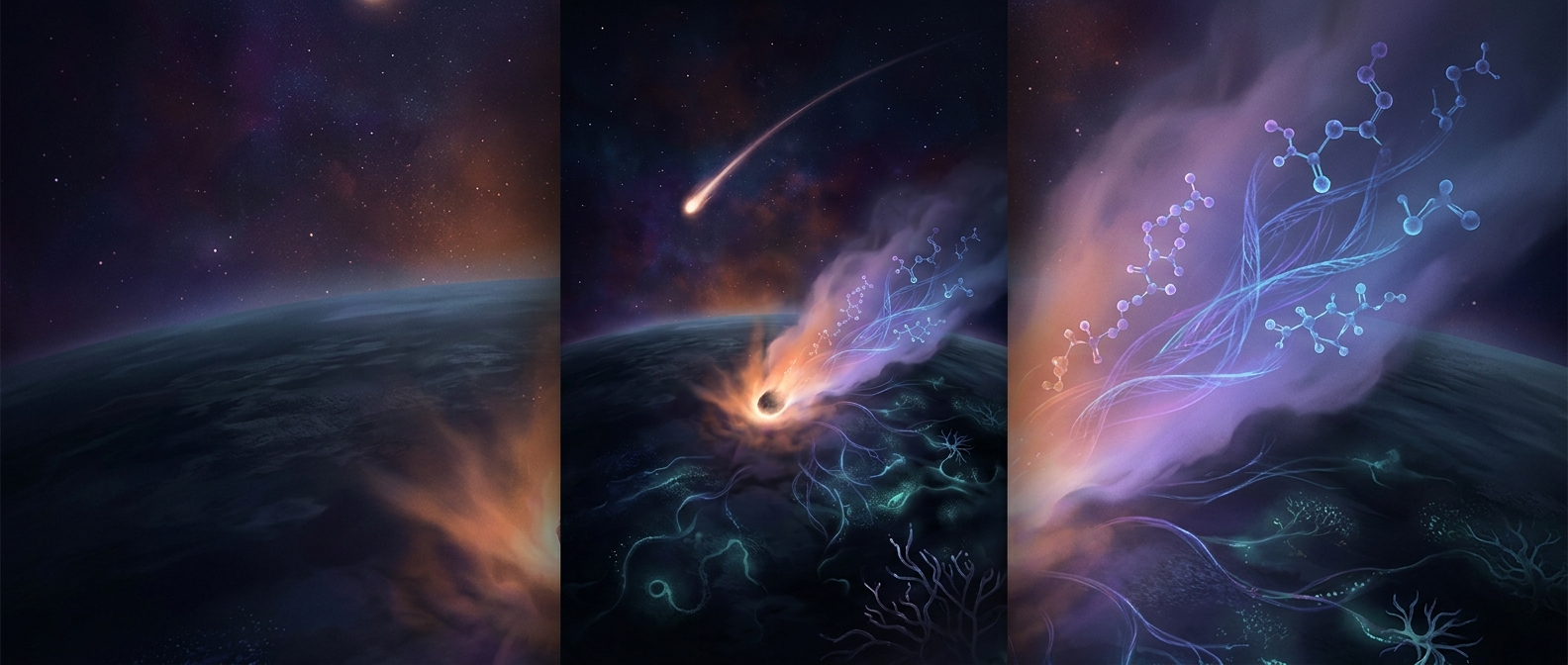
Did life on Earth begin with meteorites
One dazzling idea proposes that life on Earth owes its spark to rocks from the stars. Meteorites that smashed into our young planet carried amino acids—the…
Discover more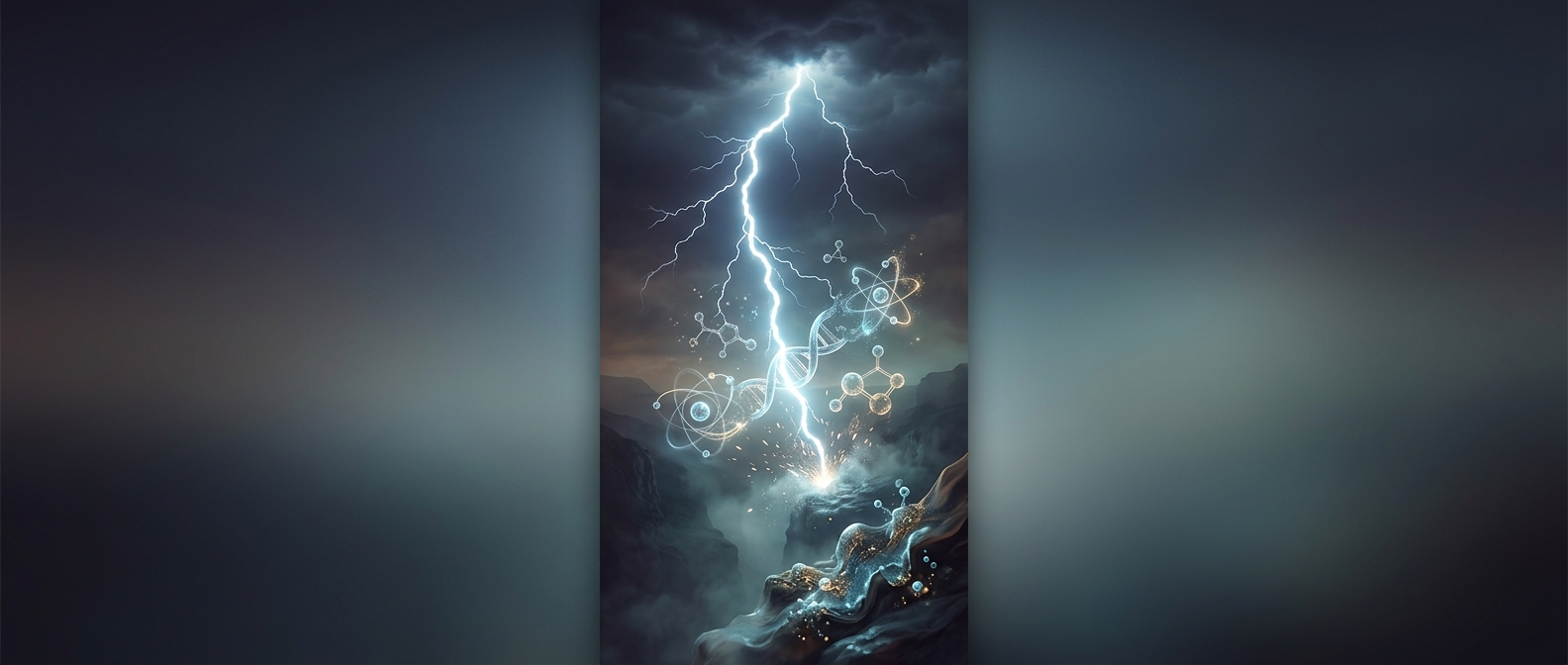
Lightning can make new chemicals from the air
Imagine the sky as a giant experimental lab where, every so often, nature conducts an electrifying experiment. When lightning bursts across the heavens, it…
Discover more
Volcanoes can sing before they erupt
Volcanoes, those fiery gatekeepers of Earth’s interior, are more talkative than they appear. Long before erupting, they produce mysterious deep rumbles, like…
Discover more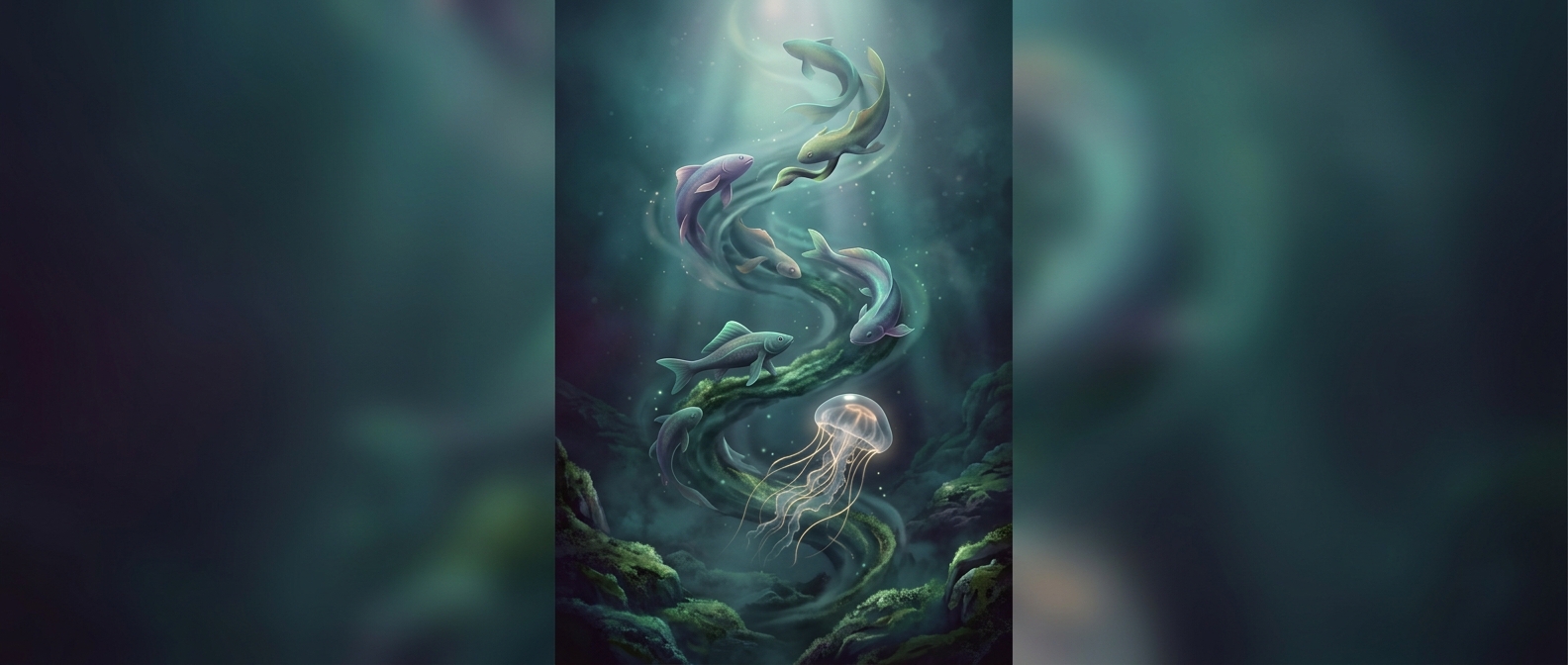
Nature has animals that rewrite the rules of survival
Life on Earth is a master prankster, constantly rewriting its own rules. Somewhere in the ocean, a jellyfish shrinks backwards into its youthful form,…
Discover more
Sound behaves like clay in the hands of architecture.
Sound behaves like clay in the hands of architecture. The whispering gallery in St. Paul’s Cathedral in London is a perfect example—two people can stand 100…
Discover more
Every time you touch a doorknob and feel a spark, you’ve briefly created lightning in miniature.
Every time you touch a doorknob and feel a spark, you’ve briefly created lightning in miniature. This is static electricity, but the surprising part is the…
Discover more